
Tarangire National Park
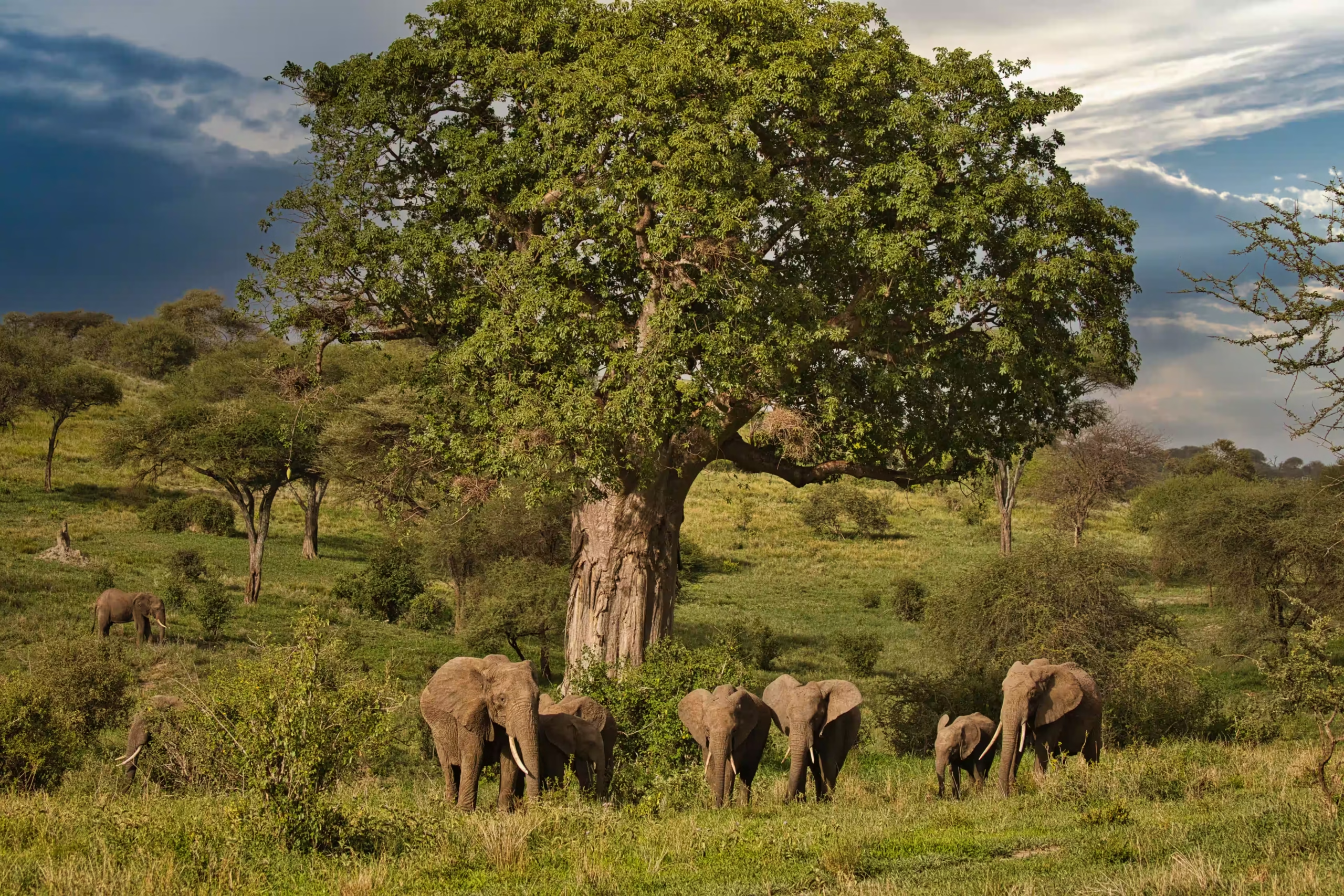
The highest elephant density in the northern circuit. Ancient baobab trees 3,000 years old. A river that concentrates extraordinary wildlife through the dry season. Wild dog. Tree-climbing pythons. Tarangire is the most underestimated park in Tanzania.
Where you are in Tarangire
determines what you encounter

The Tarangire River &
Elephant Concentrations
The Tarangire River is the engine of this ecosystem. From June through October, as surrounding water sources dry out, the river becomes the single point of access to water for every large mammal within a 20,000 km² catchment area. Elephant herds of 100 to 300 converge at the water points. Buffalo, zebra, wildebeest, oryx, eland, and giraffe all compress into a thin corridor along the banks.
The predators follow the prey. Lion prides stake out permanent positions at the crossing points. Leopards use the thick riverine acacia trees as elevated platforms. In August, Tanzania Adventure guides have recorded more than 300 elephants at a single water point in a four-hour morning drive. This concentration effect exceeds anything in the Serengeti during the same season.
The river also supports the highest density of African rock python in the northern circuit. The acacia trees along the bank are used as ambush positions — a python coiled in a fever tree above a drinking point is a Tarangire-specific sighting available nowhere else in northern Tanzania.

Wild Dog Country &
Specialist Zone
The Silale Swamp in southern Tarangire is accessible only to clients staying in camps south of the main gate and represents a dramatically different experience from the northern river areas. The swamp system supports the highest wild dog density in the park and some of the best leopard territory in northern Tanzania.
Tanzania Adventure's Tarangire specialist Daniel Semu maintains radio contact with other operators when wild dog packs are located in the southern section. On 94% of safaris where clients specifically request wild dog, Daniel has produced a sighting from the southern Tarangire zone. This figure is not replicated by any other northern circuit park.
The Silale Swamp is also Tanzania's premier northern-circuit birding location. The combination of swamp, acacia woodland, and open grassland supports the highest bird diversity of any northern Tanzania park per unit area — over 550 recorded species, including the ashy starling and yellow-collared lovebird endemic to this region.
The Baobab Forest &
3,000-Year Trees
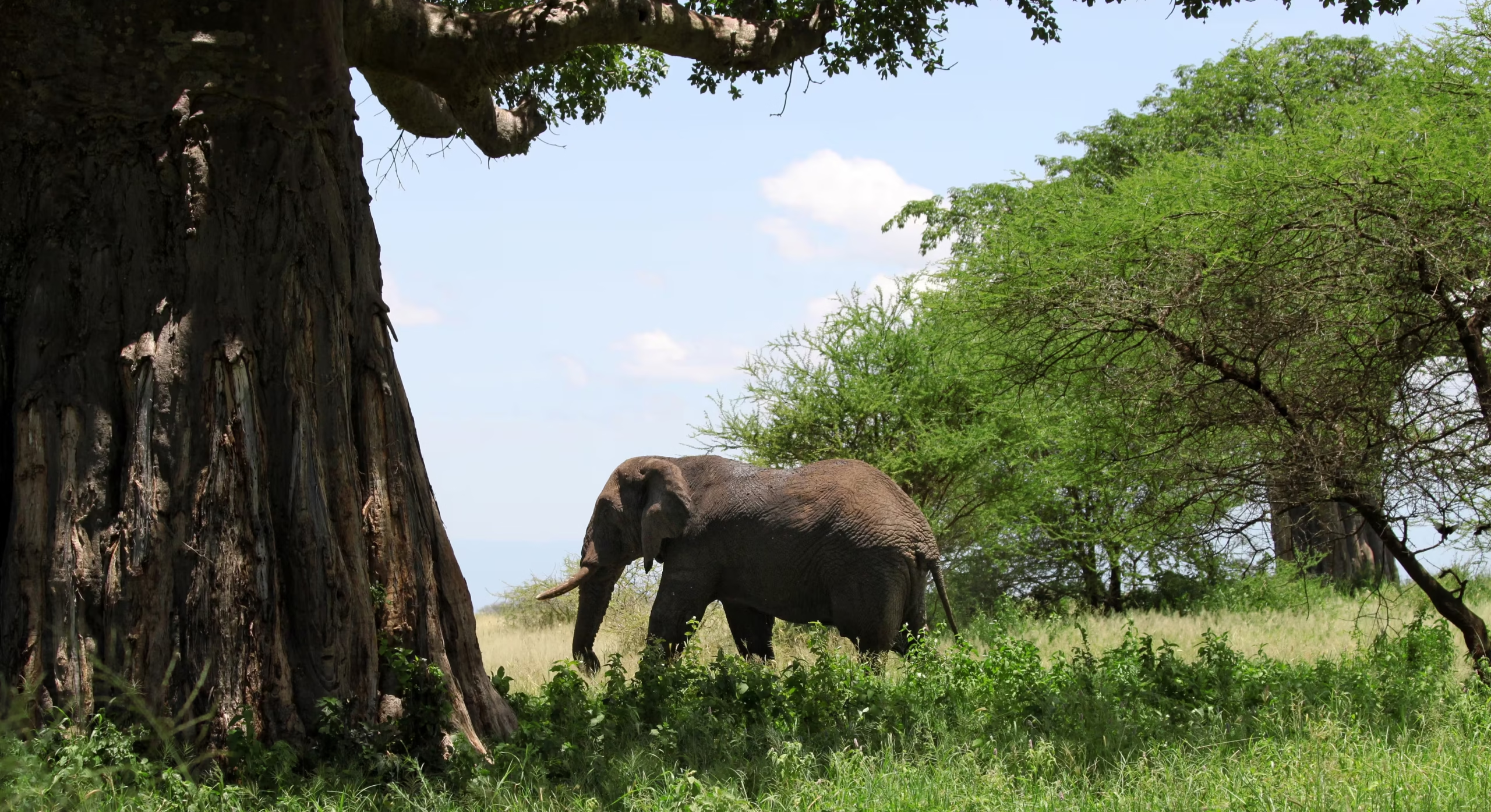
Tarangire's most distinctive visual element — the feature that makes it immediately identifiable in any photograph — is its baobab forest. Ancient Adansonia digitata trees, estimated at 2,000 to 3,000 years old, stand at densities found nowhere else in East Africa. Their grey trunks reaching circumferences of 15 to 20 metres stand against the red-laterite soil and yellow dry-season grass in a composition with no equivalent in any other northern Tanzania park.
The ecological relationship between elephants and baobabs is direct and visible throughout Tarangire. Elephants excavate the trunks for moisture during drought. The hollow centres shelter barn owls, bat colonies, and bushbabies. The bark is chewed for its moisture and mineral content. The oldest baobabs carry the scarring of centuries of elephant interaction.
The baobab-elephant combination is Tarangire's defining visual identity. A herd of 80 elephants moving between 2,000-year-old trees in the last light of the afternoon is a composition available nowhere else in East African photography. Tanzania Adventure plans late-afternoon drives specifically through the baobab groves for this light.
Year-Round Wildlife &
Night Drive Country
The northern boundary zone of Tarangire — adjacent to the main gate and accessible year-round — provides reliable year-round game viewing including the dry season concentration species and the green season dispersal pattern. Lion, leopard, and elephant are present throughout the year in the northern zone even when the southern areas are wet-season inaccessible.
Tarangire is one of the few northern Tanzania parks where night drives are routinely available. The after-dark programme reveals a completely different wildlife community: African wild cat along track margins, serval in long elegant strides, porcupines, genets, and the eyeshine of bushbabies in the acacia canopy. Tanzania Adventure night drives run from camp at 7pm and return by 10pm.
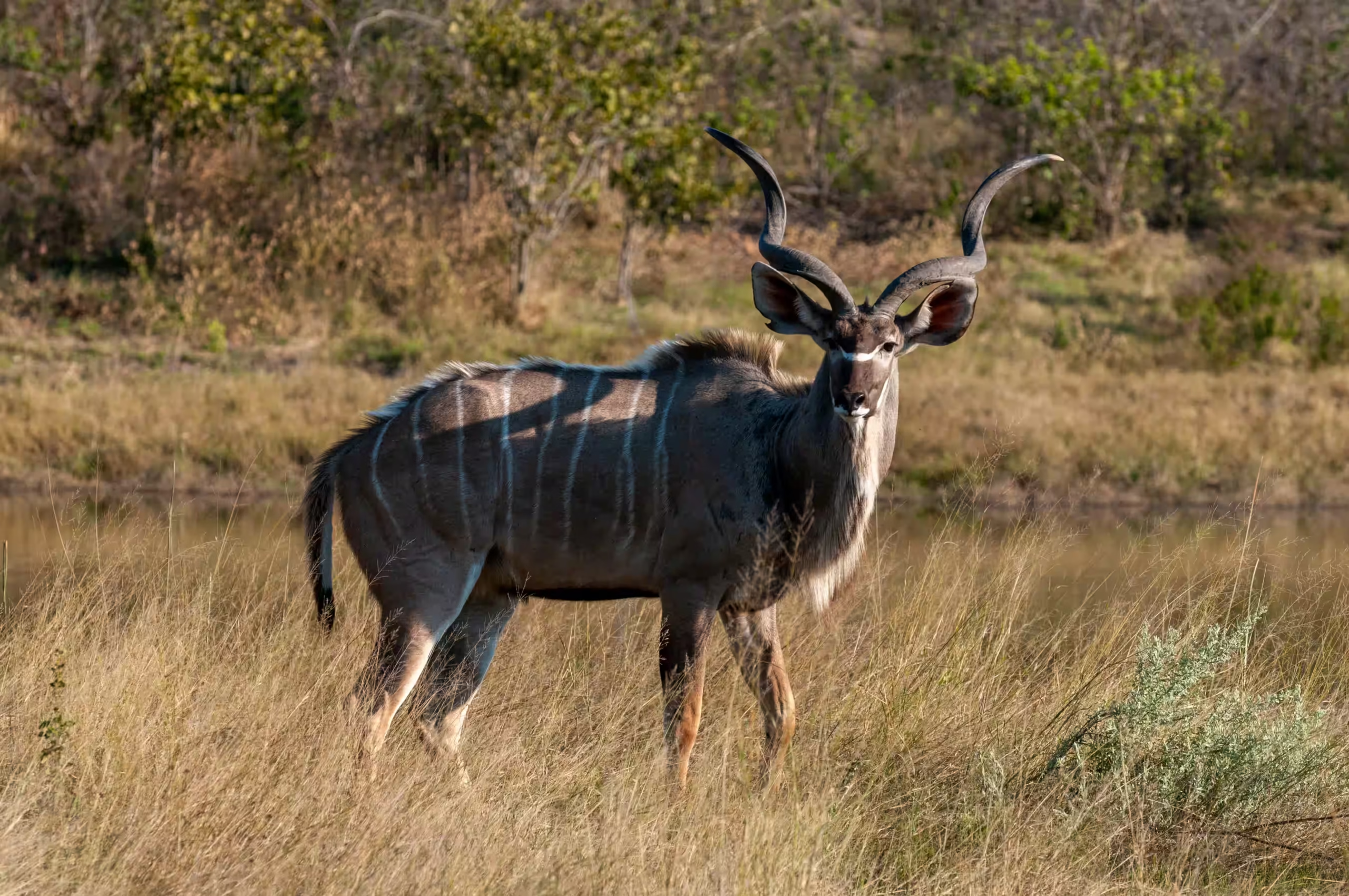
The northern zone also provides access to the park's significant greater kudu and fringe-eared oryx populations — both species present in Tarangire at densities not available in the Serengeti or Ngorongoro, and providing a wildlife vocabulary unique to this park in the northern circuit.
What Tarangire
Uniquely Offers


Planning Your
Tarangire Visit
The Dry Season Imperative
The dry season from June through October is the only time to visit Tarangire if your priority is the elephant and wildlife concentration that defines the park. Outside the dry season, wildlife disperses across the much larger catchment area as water becomes available elsewhere. The park is still beautiful and productive in the wet season, but the concentration effect — what makes Tarangire unique — exists only when the river is the sole water source.
Tanzania Adventure does not operate Tarangire programmes for clients who cannot visit between June and October and specifically want the elephant river experience. We are direct about this because honesty about seasonal expectations produces better safaris. For wet-season visits, we redirect to parks where the wildlife experience is season-independent.
How Long to Stay
One night produces one full game drive day — productive but incomplete. Two nights is the Tanzania Adventure recommendation for any Tarangire visit. The second day covers the southern section (Silale Swamp, wild dog territory) that a single-day programme cannot reach. The difference in wildlife diversity between a one-day and two-day Tarangire programme is significant.
Getting There
The Tarangire National Park gate is 118km southwest of Arusha on the Arusha-Dodoma highway — a 90-minute drive on good tarmac. Tanzania Adventure collects from any Arusha hotel or from Kilimanjaro International Airport. There is a charter airstrip approximately 5km from the main gate used for direct fly-in clients from Dar es Salaam or Zanzibar.
Night Drives
Tarangire is one of the few northern circuit parks where night drives are available year-round. The nocturnal species portfolio — serval, African wild cat, civet, genet, aardvark, porcupine, and honey badger — is completely different from the daytime wildlife and provides the most comprehensive single-destination Tanzania wildlife experience available. Night drives operate from 7pm to 10pm from in-park camps only.
The Birding Programme
Tarangire with Tanzania Adventure’s birding specialist Phillip Mollel is one of East Africa’s premier one-day birding experiences. The combination of riparian forest, acacia woodland, swamp habitat, and open grassland produces a species list of 100+ in a single full day. The dry-season concentration of waterbirds at the Silale Swamp rivals any dedicated birding destination in northern Tanzania.
Key target species in Tarangire: ashy starling (Tanzania endemic), yellow-collared lovebird, rufous-tailed weaver, martial eagle, secretary bird, kori bustard, white-bellied go-away bird, and the full suite of East African bee-eaters and rollers. The baobab trees support cavity-nesting species unavailable in other habitat types — Tarangire is the most reliable location for the Tarangire-specific raptor community.
Conservation Context
The Tarangire ecosystem extends far beyond the park boundary into community land where wildlife and livestock share the same landscape. Tanzania Adventure’s buffer zone programme funds water points in three villages that provide alternative dry-season water sources for livestock — reducing pressure on the Tarangire River, which becomes the contested resource in drought years. The water points also provide water for human families.
The conservation investment is visible in the relationship between the communities adjacent to the park boundary and the wildlife that crosses onto community land. Tanzania Adventure clients who are interested may visit the water point installations as part of their Tarangire programme — the visit takes approximately 45 minutes and provides direct evidence of how conservation investment changes human-wildlife coexistence dynamics.
Combining Tarangire
Tarangire is most effective as the opening or closing leg of the northern circuit. Its proximity to Arusha (90 minutes) makes it a natural first-night destination that transitions seamlessly to Ngorongoro and the Serengeti. Tanzania Adventure builds every northern circuit around the Tarangire-Ngorongoro-Serengeti sequence, with Lake Manyara added as a half-day stop on the Arusha-to-Tarangire transfer for clients with a birding or tree-climbing lion interest.