Tanzania 2000 Adventure

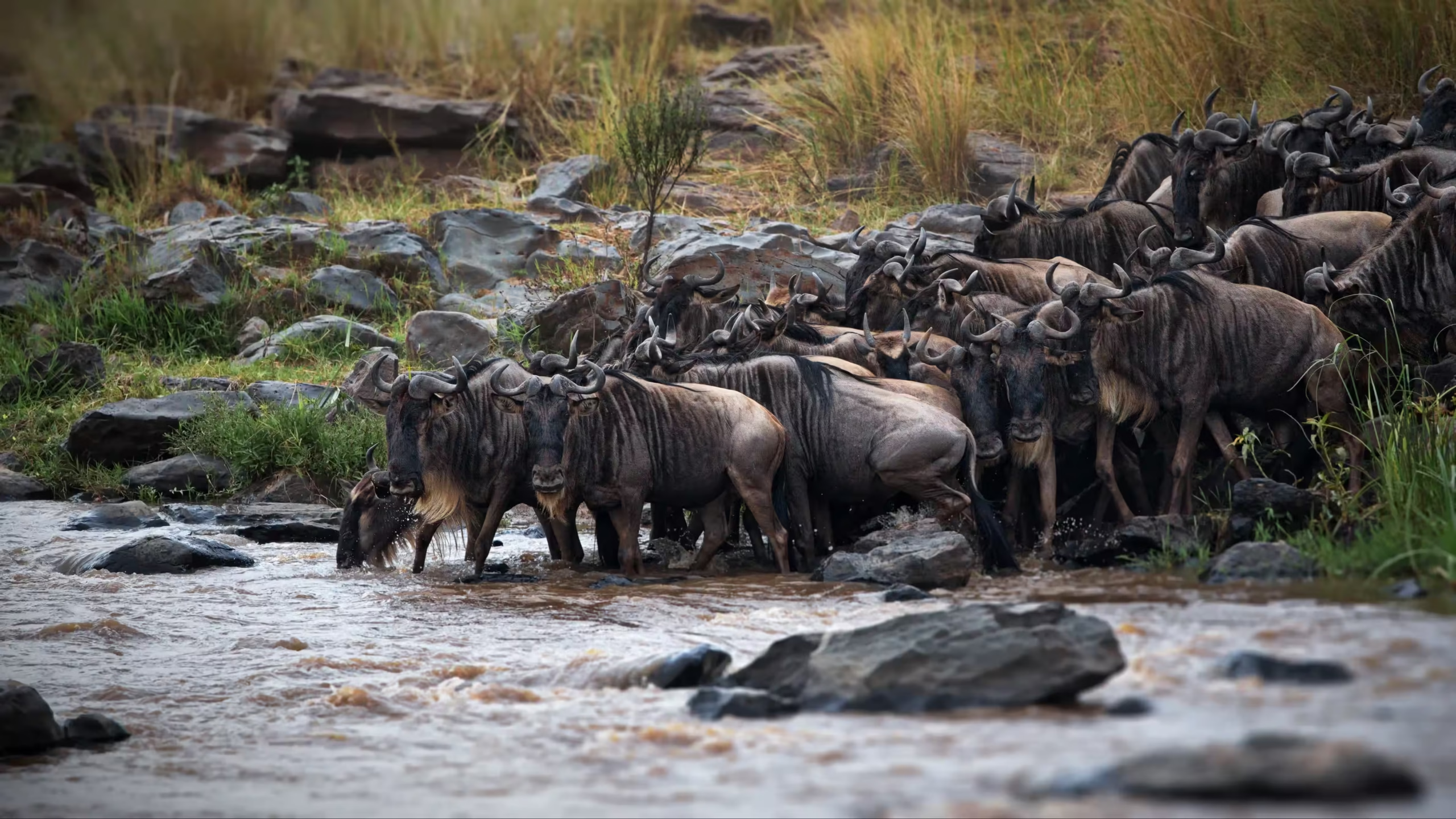
Wildebeest migration across the Serengeti plains at dawn
Home/Destinations/Serengeti
Northern Tanzania · UNESCO World Heritage · 14,763 km²

The Serengeti National Park

The oldest and largest ecosystem in Africa. 1.7 million wildebeest in perpetual motion. The Mara River crossings. Over 3,000 lions holding territories their ancestors have occupied for generations. Every other safari destination in East Africa is measured against the Serengeti.

14,763 km²
Protected Area
1.7M
Wildebeest
3,000+
Lions
500+
Bird Species
The Annual Cycle

Migration Calendar —
Month by Month

01
January
Calving Begins
First wildebeest calves on the southern plains. Cheetah and wild dog activity intensifies around Ndutu.
Peak
02
February
Calving Peak
500,000 calves born. Highest predator density of the year. Cheetah hunts multiple times per morning.
03
March
Migration North
Herds begin moving northwest as long rains approach. Landscape transitions to vivid green.
04
April
Long Rains
Wet season. Lowest visitor numbers. Dramatic skies. Some roads difficult. Deep green plains.
05
May
Western Push
Herds enter the western corridor. Grumeti River crossings begin. Low traffic in this zone.
Peak
06
June
Dry Season
Grumeti crossings peak. Dry season begins. Excellent predator viewing. Good visibility through short grass.
Peak
07
July
Mara Crossings Begin
Wildebeest reach the Mara River. Northern Serengeti essential. Crossings can occur multiple times daily.
Peak
08
August
Peak Crossings
Highest crossing frequency. The full Mara River drama. Accommodation at maximum premium.
Peak
09
September
Crossings Continue
Crossings continue. Dry season big game viewing exceptional in all zones. Perfect photography conditions.
10
October
Return South
Herds begin moving south as short rains approach. Central and southern Serengeti best positioned.
11
November
Short Rains
Brief rains revive the southern plains. Ndutu area begins filling. Some resident predator activity peaks.
12
December
Ndutu Build-Up
Herds accumulate on the short-grass plains. Calving season approaches. Excellent resident lion viewing.
Species Portfolio

What Lives Here

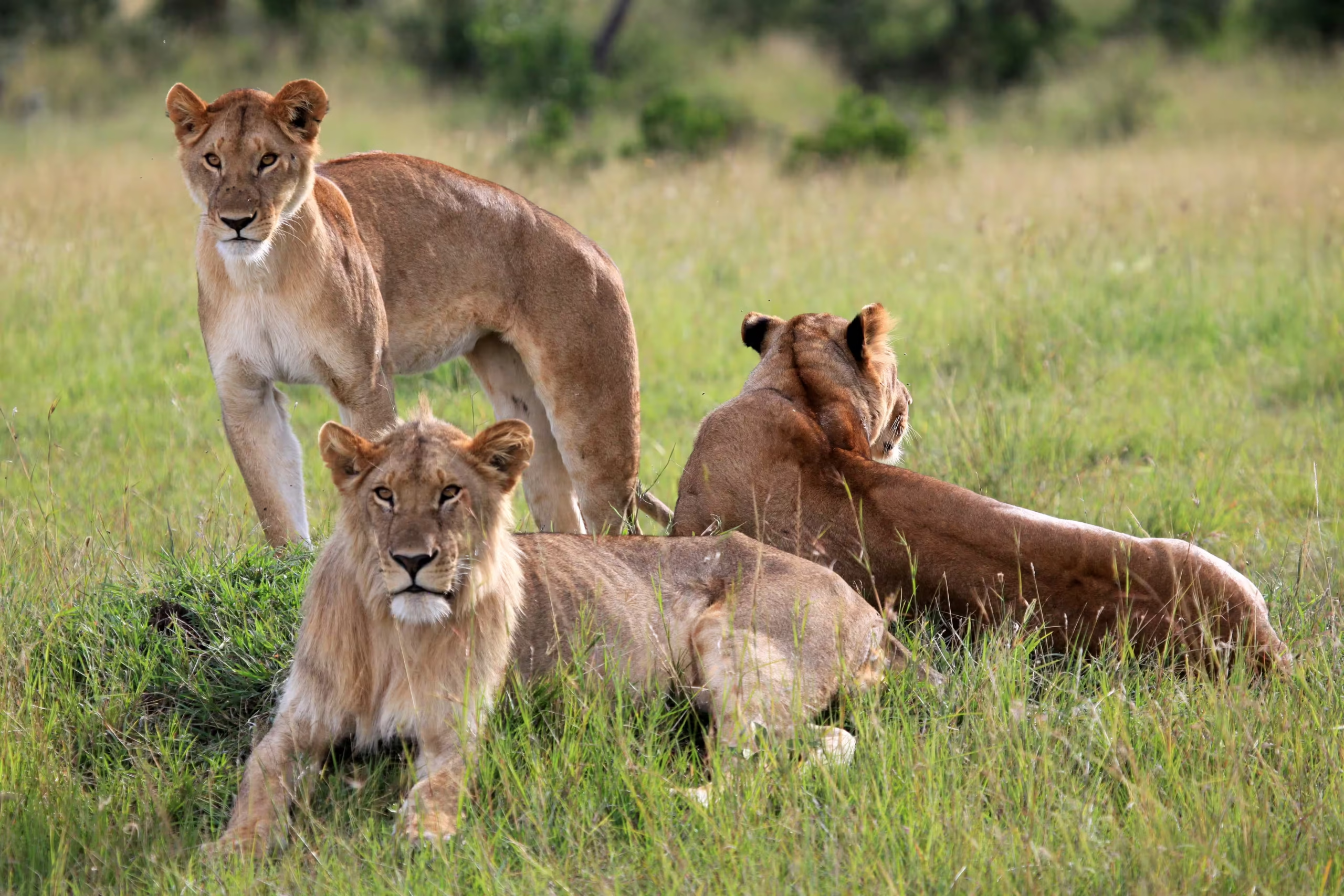
Serengeti lion pride in morning light
Resident · 3,000+ Individuals
The Lion Prides
James Kimaro knows the individual members of the Seronera prides by sight. Eighteen years of the same family lines. Not random encounters — known histories.
Cheetah scanning the Serengeti short-grass plains
Highest Density on Earth
Cheetah
The short-grass southern plains support the world's highest cheetah density. Dawn hunts are daily in calving season.
Leopard resting in a Serengeti fig tree
Elusive · Findable
Leopard
Seronera River fig trees. Our guides read baboon alarm calls to locate leopard before they are visible.
Elephant herd moving through Serengeti woodland
Northern & Western Woodland
Elephant
Large herds move through woodland seasonally. Matriarchal families with calves common in river-line habitat.
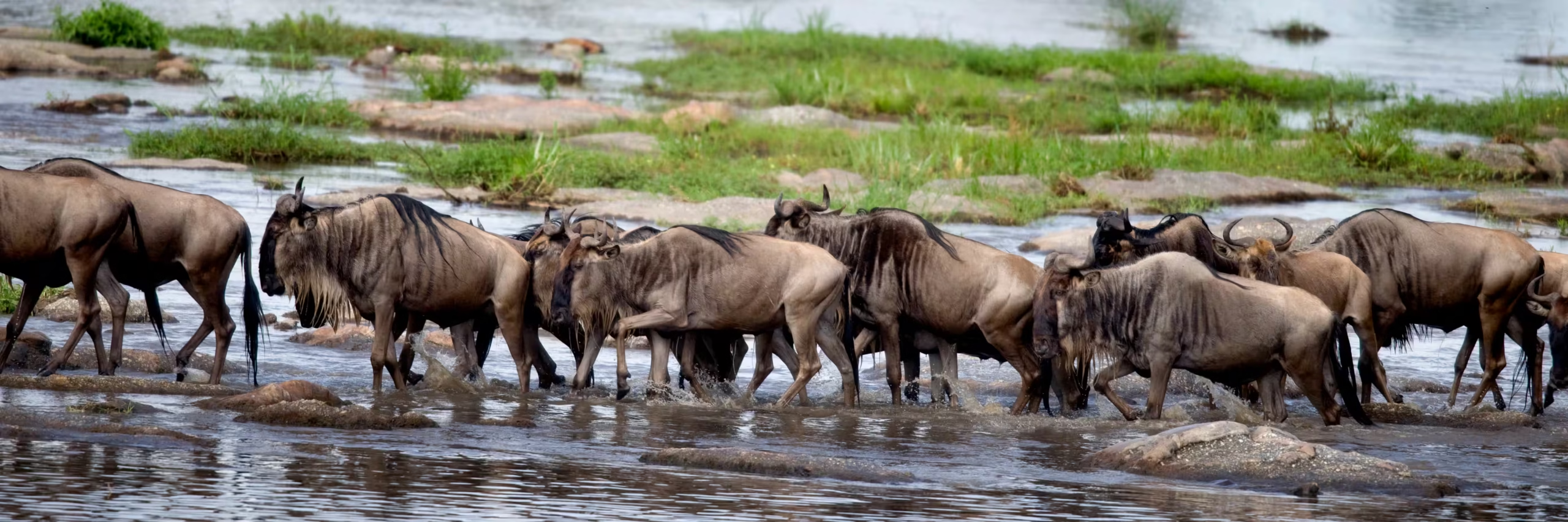
Wildebeest migration columns crossing the Serengeti
Migration · 1.7 Million
Wildebeest
The annual circuit that defines the Serengeti ecosystem. A year-round movement, not a single event.

At 5,000 metres the Serengeti floor was a canvas of gold and ochre stretching to the edge of the world. The balloon descended through silence. That morning altered the way I understand space and stillness. I have never recovered from it.

Sarah T., New York — Luxury Serengeti Safari, 2024
Sample Itineraries

Serengeti
Programmes

5
Classic
Serengeti & Ngorongoro
Day 1Arusha → Ngorongoro → Serengeti. Afternoon game drive, Seronera Valley.
Day 2–3Full days in the Serengeti. Dawn drives, lion prides, morning migration sightings.
Day 4Serengeti → Ngorongoro Crater rim. Afternoon crater descent and drive.
Day 5Full crater day — Big Five, flamingos, black rhino. Evening return to Arusha.
View Full Itinerary
7
Northern Circuit
Full Northern Tanzania Circuit
Day 1–2Tarangire National Park. Elephant herds, baobabs, wild dog tracking.
Day 3–5Serengeti — three full game drive days. Zone determined by season.
Day 6–7Ngorongoro Crater — two full crater days. Big Five, black rhino, flamingos.
View Full Itinerary
10
Migration Special
Serengeti Migration & Zanzibar
Day 1–2Ngorongoro crater. Rim arrival, full crater day, dawn departure for Serengeti.
Day 3–7Northern Serengeti — five days at Mara River crossing season camps.
Day 8–10Zanzibar — Stone Town, spice farm, Indian Ocean beaches. Safari to sea.
View Full Itinerary
14
Ultimate Tanzania
Summit to Savanna
Day 1–8Kilimanjaro — Lemosho Route 8-day ascent. Five climate zones. Summit at dawn.
Day 9–12Serengeti — northern circuit. Migration season, big cat drives, balloon optional.
Day 13–14Ngorongoro crater + Zanzibar transfer. Indian Ocean departure.
View Full Itinerary
5
Calving Season
Southern Serengeti & Ndutu
Day 1Arusha → Ndutu area. Afternoon drive on the short-grass calving plains.
Day 2–4Three full days on the southern plains. Cheetah hunts, wild dog, lion with cubs.
Day 5Ngorongoro crater day. Transfer to Arusha via crater rim accommodation.
Enquire About This Programme
Who This Is For

the Serengeti for
Every Kind of Traveller

Whether you are travelling as a family, celebrating a honeymoon, or chasing the perfect photograph — the Serengeti delivers something specific to you.

Family Safari
Families with Children

The Serengeti rewrites what children think is possible. After their first lion at dawn, a screen will never compete.

Game drives in open vehicles with game-spotting as a team activity
Calving season (Jan–Feb) — baby animals on every drive, natural life cycles explained
Dedicated family guides who pitch explanations to every age in the vehicle
Honeymoon
Couples & Honeymooners

Sunrise from a balloon at 2,000 metres. A private camp with nothing but lions in the distance. The Serengeti is a setting unlike any other.

Private bush dinner under the stars on request
Balloon safari at dawn — champagne breakfast on the plains
Tanzania Adventure honeymoon extensions to Zanzibar arranged seamlessly
Solo Travel
Solo Travellers

A vehicle to yourself and a guide whose knowledge is entirely at your disposal. Solo safari is the most intensive safari available.

Full private vehicle — the guide adjusts everything around your pace and interests
Flexible daily programme — if you want to stay at the cheetah for two hours, you stay
Pre-trip guide consultation so the programme reflects what you specifically want to witness
Adventure
Adventure Seekers

Combine the Serengeti with a Kilimanjaro ascent. Arctic summit to migration plains in 24 hours. No other itinerary produces this contrast.

Summit + Safari: Lemosho Route summit followed directly by Serengeti migration season
Walking safaris in the western corridor — no vehicle between you and the ecosystem
Night drives revealing the Serengeti after dark — leopards, genets, the Milky Way dense enough to cast shadows
Photography
Photography Travellers

Horizontal gold light at 5:45am over the kopjes. A cheetah hunt from 40 metres. The Serengeti produces the catalogue of a lifetime in a week.

Guide trained in vehicle positioning for optimal light angle and subject movement
Full day drives allowing 12 hours in the field — no time pressure to return for lunch
Balloon safari aerial photography — migration columns from altitude at sunrise
Wildlife
Wildlife Enthusiasts

Every species, every interaction, every ecological process — the Serengeti is the most complete wildlife education available anywhere on Earth.

James Kimaro knows the individual lion prides by composition and territory — history, not just biology
Zone-specific positioning based on current seasonal movement and guide intelligence
Predator-behaviour interpretation continuous throughout every drive
Everything You Need to Know

Planning Your
Serengeti Safari

Wildebeest migration across the Serengeti plains
The Migration
Lion pride resting in the Serengeti grasslands
Lion Prides
Leopard resting on a tree branch in the Serengeti
Leopard
Buffalo herd at the Mara River crossing
Mara River

The Ecosystem, Not Just the Park

The Serengeti National Park covers 14,763 km² but the ecosystem it anchors is far larger — approximately 40,000 km² including the Ngorongoro Conservation Area, the Masai Mara Game Reserve in Kenya, and several adjacent protected zones. The park was gazetted in 1951 and designated a UNESCO World Heritage Site in 1981. The wildebeest do not know the border. Neither should you in the way you think about it.

The significance of the Serengeti is not the migration — though that is extraordinary. It is the completeness of the predator-prey system, the intactness of the herbivore diversity, and the scale at which natural processes occur without management intervention. The ecosystem operates around you whether or not anything particularly dramatic is happening on a given morning.

Accommodation Strategy

The single most important accommodation decision in a Serengeti safari is position relative to your target season and zone. For the Mara River crossing season (July–October), the camp must be in the northern Serengeti within reasonable driving distance of the primary crossing points. The difference between a camp at Kogatende and one at Seronera for a July safari is the difference between witnessing crossings and not witnessing them. Tanzania Adventure designs every itinerary around this positioning logic.

For the calving season (January–March), the relevant camps are in the Ndutu area of the Ngorongoro Conservation Area. For year-round resident wildlife, central Seronera camps deliver consistent big cat sightings. There is no universally "best" camp in the Serengeti — there is only the right camp for your specific season and target experience.

Flight vs Road Access

The Serengeti is accessible by road from Arusha (approximately six hours via the Ngorongoro Conservation Area gate) or by scheduled and charter flight to Seronera, Grumeti, Lamai, or Kogatende airstrips. For the northern Serengeti migration season, fly-in access to Lamai or Kogatende is strongly recommended. The road distance from Arusha to the northern zone is 10 to 12 hours — a charter flight delivers you to the crossing zone in 75 minutes from Kilimanjaro International Airport.

Tanzania Adventure handles all flight logistics including scheduled connections through Coastal Aviation, Auric Air, and Regional Air, as well as charter arrangements for clients with flexible itineraries. The airstrip transfer from Lamai or Kogatende to the primary crossing zones takes under fifteen minutes from touchdown to game drive.

Conservation and Community

Tanzania Adventure contributes 12% of every booking to community conservation programmes on the Serengeti border. We partner with two conservancies that employ Maasai community members as wildlife monitors and anti-poaching patrol units. The patrol teams cover the western corridor boundary — the most vulnerable section to livestock encroachment and snare poaching. Our clients may visit these projects as part of their itinerary.

Vehicle and Guide Standards

Every Tanzania Adventure safari uses a dedicated open-roof Toyota Land Cruiser 4WD with a maximum of six guests. Not because regulations require it — because twelve people in a vehicle change what is possible at a sighting. The guide can position correctly. The time at an encounter is determined by the wildlife, not by other guests' schedules. The silence — when a moment requires silence — is possible.

Our guides are TALA Class A certified with a minimum of five years of Serengeti-specific experience. James Kimaro, our head guide, has been reading this landscape since 2006. He knows the individual members of the major lion prides by sight. That depth of knowledge is not available from a guide who arrived last season and it is not replicated by any GPS-based animal-location system.

The Great Migration — A Closer Look

The Great Migration is the annual circuit made by approximately 1.7 million wildebeest, 500,000 zebra, and 200,000 Thomson's gazelle through the Serengeti-Mara ecosystem. It is not a single event — it is a year-round movement driven by rainfall patterns and grass availability. The crossing season at the Mara River (July–October) and the calving period in the south (January–March) are the two most dramatic phases, but compelling wildlife viewing occurs in every month of the year.

January–March: Calving in the South

The herds concentrate on the short-grass plains around Ndutu. Calving peaks in February. The predator density in the calving ground is the highest of any season in the Serengeti. Multiple cheetah hunts per morning drive are a realistic expectation from late January through February.

July–October: The Mara River

The primary Mara River crossing season. Herds accumulate on the southern bank and eventually make the panic-driven crossing across the crocodile-patrolled water. The timing within the season is unpredictable — a crossing can happen on the first morning or after five days of waiting. Camp position and guide knowledge are the variables that most determine your probability. Tanzania Adventure books northern crossing camps 12 to 18 months in advance.

Combining the Serengeti

The Serengeti is most productively combined with the Ngorongoro Crater (complementary enclosed ecosystem, 100km southeast), Tarangire National Park (elephant and baobab landscape, three hours from Arusha), and Zanzibar (Indian Ocean extension, three hours by flight). Tanzania Adventure's seven-night northern circuit — Tarangire, Serengeti, Ngorongoro — covers three completely different ecosystems and produces the highest wildlife diversity of any single-week Tanzania programme.

For clients with two weeks, adding Zanzibar after the northern circuit creates the definitive Tanzania experience: the full northern circuit wildlife programme followed by Stone Town culture, spice farms, and the most beautiful Indian Ocean beaches in East Africa. Tanzania Adventure coordinates all logistics including the Kilimanjaro–Zanzibar flight transfer, Stone Town accommodation, and beach resort selection.

Cheetah scanning the Serengeti savanna
Cheetah
Elephant herd grazing in the Serengeti
Elephant Herds
Wildebeest herds on the open Serengeti plains
Wildebeest
Lion pride in the Serengeti grasslands
Pride Lands

Begin Your
Serengeti Story

Tell us when you want to come. We will design a safari that gives you the best possible chance of witnessing the specific events you are travelling for.

Loading itinerary…
Saved Trips