Swaying palm trees, crystal-clear turquoise waters, and pristine white sand beaches – welcome to Zanzibar, the jewel of the Indian Ocean. This semi-autonomous archipelago off Tanzania’s coast offers an intoxicating blend of African, Arab, and Indian influences, creating a unique cultural tapestry that complements its natural beauty. Whether you’re seeking relaxation on idyllic beaches, underwater adventures, cultural immersion, or spice-infused culinary experiences, Zanzibar delivers unforgettable memories in a tropical paradise setting.
Discovering Zanzibar: Location and Overview
Zanzibar’s stunning location in the Indian Ocean, just 35 km off Tanzania’s mainland coast
Located approximately 35 kilometers (22 miles) off the coast of East Africa, Zanzibar is a semi-autonomous region of Tanzania. The archipelago consists of several islands, with Unguja (commonly known as Zanzibar Island) and Pemba being the largest. Zanzibar Island spans approximately 1,464 square miles (3,792 square kilometers) and features a diverse landscape of pristine beaches, coral reefs, mangrove forests, and spice plantations.
The strategic position of Zanzibar in the Indian Ocean made it a crucial trading hub throughout history, connecting Africa with the Middle East and Asia. This geographic advantage shaped Zanzibar’s rich cultural heritage and continues to make it accessible to travelers from around the world today.
Population and Cultural Tapestry
Home to approximately 1.5 million people, Zanzibar boasts a fascinating cultural mosaic shaped by centuries of trade and migration. The population primarily consists of indigenous Africans, Arabs, Persians, and Indians, creating one of East Africa’s most diverse societies.
The majority of Zanzibaris are Muslim (around 98%), with small Christian and Hindu minorities. This religious influence is evident in the island’s architecture, customs, and daily life. Swahili is the primary language spoken, a beautiful blend of Bantu with Arabic, Persian, and other influences that reflects the island’s trading history.
Zanzibar’s unique cultural identity emerges from its position as a historical crossroads. For centuries, the island served as a vital trading hub where African, Arab, Indian, and European cultures converged. This rich heritage is preserved in Stone Town’s winding alleys, ornate wooden doors, and historic buildings, earning it UNESCO World Heritage status.

Zanzibar’s population reflects centuries of cultural exchange between Africa, Arabia, and India
Zanzibar is not merely a place but a feeling – where Africa meets the Middle East and India in a symphony of sights, sounds, and flavors that captivate the soul.
Getting to Zanzibar: Airport and Transportation

Abeid Amani Karume International Airport (ZNZ) serves as Zanzibar’s gateway to the world
Most international visitors arrive at Abeid Amani Karume International Airport (ZNZ), located about 5 kilometers south of Zanzibar City. This modern facility handles over 1.5 million passengers annually and connects Zanzibar to destinations worldwide.
Airlines Serving Zanzibar
- Qatar Airways (from Doha)
- Ethiopian Airlines (from Addis Ababa)
- Turkish Airlines (from Istanbul)
- Kenya Airways (from Nairobi)
- Oman Air (from Muscat)
- Air Tanzania (from Dar es Salaam, Kilimanjaro, and other domestic destinations)
- Flydubai (from Dubai)
- Mango Airlines (from Johannesburg)
Transportation from the Airport
Taxis
The most convenient option for most travelers. Official airport taxis have fixed rates to different parts of the island. Expect to pay around $15-20 to Stone Town and $50-70 to beach resorts in the north or east.
Always confirm the price before departing and only use licensed taxis with red number plates.
Hotel Transfers
Many hotels and resorts offer pre-arranged airport transfers. While typically more expensive than taxis, they provide convenience and peace of mind, especially for first-time visitors.
Request this service when booking your accommodation for a seamless arrival experience.
Rental Cars
Several agencies offer rental cars at the airport. While driving in Zanzibar can be challenging for first-timers (left-side driving, sometimes unmarked roads), it provides flexibility for exploring the island at your own pace.
International driving permits are required, and rental costs start from about $30 per day.
Ferry Connections
If arriving in Dar es Salaam on mainland Tanzania, you can take a ferry to Zanzibar. Fast ferries take approximately 2 hours and cost around $35-50 one-way. Slower, less expensive options are also available.
Ferries depart from the Dar es Salaam port several times daily.
Ready to Experience Zanzibar?
Book your flights to Abeid Amani Karume International Airport and start your Zanzibar adventure. The earlier you book, the better deals you’ll find!
Safari Blue: Zanzibar’s Premier Ocean Adventure
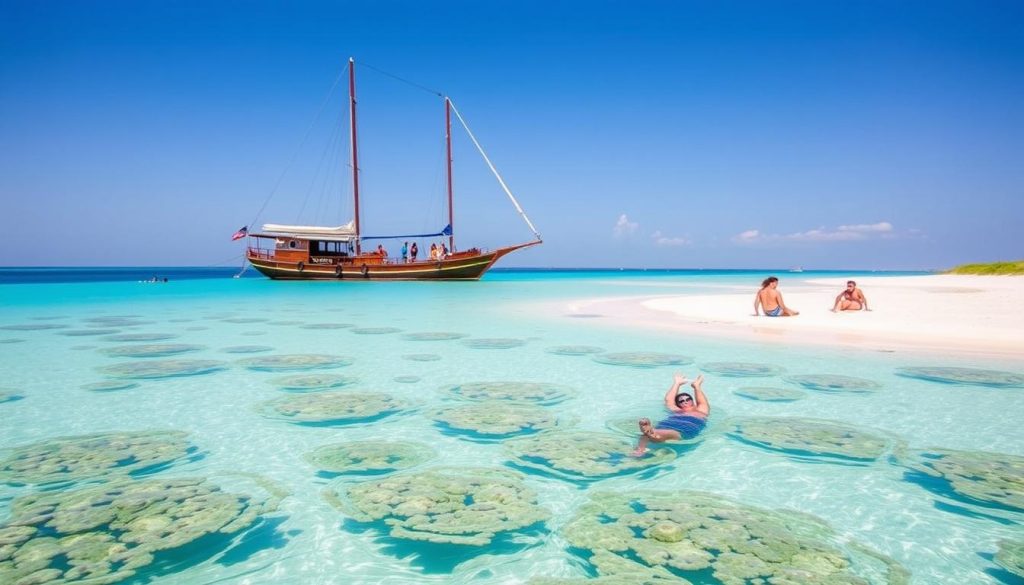
Safari Blue’s iconic dhow boats offer unforgettable adventures in Zanzibar’s turquoise waters
No visit to Zanzibar is complete without experiencing Safari Blue, the island’s signature maritime adventure. This full-day excursion takes you sailing on traditional wooden dhows through the stunning Menai Bay Conservation Area, offering an unparalleled opportunity to explore Zanzibar’s marine wonders.
Dhow Sailing
Cruise on authentic hand-built wooden dhows, the traditional sailing vessels that have navigated these waters for centuries. These magnificent boats, equipped with safety gear and experienced crews, provide the perfect platform for your ocean adventure.
Snorkeling Paradise
Explore vibrant coral reefs teeming with tropical fish in two or three different snorkeling locations. Equipment is provided, and guides help even beginners discover the underwater magic of Zanzibar’s protected marine ecosystems.
Sandbank Relaxation
Visit pristine sandbanks that emerge at low tide, creating natural islands of powdery white sand surrounded by crystal-clear turquoise waters. These secluded paradises offer perfect photo opportunities and moments of tranquility.
The Safari Blue Experience
Your Safari Blue adventure typically begins at Fumba village on Zanzibar’s southwest coast. After boarding your dhow, you’ll sail to spectacular snorkeling sites where colorful coral gardens and diverse marine life await. Expect to see parrotfish, angelfish, butterfly fish, and if you’re lucky, dolphins playing in the bay.
The highlight for many is the magnificent seafood lunch, usually served on a private island. Feast on grilled kingfish, calamari, lobster, and prawns, accompanied by coconut rice, fresh tropical fruits, and refreshing beverages. Vegetarian options are available upon request.
After lunch, explore mangrove lagoons, visit a giant baobab tree, or simply relax on pristine beaches. The return journey often features traditional sailing with the afternoon winds filling the dhow’s triangular sails – a magical experience as the sun begins its descent.
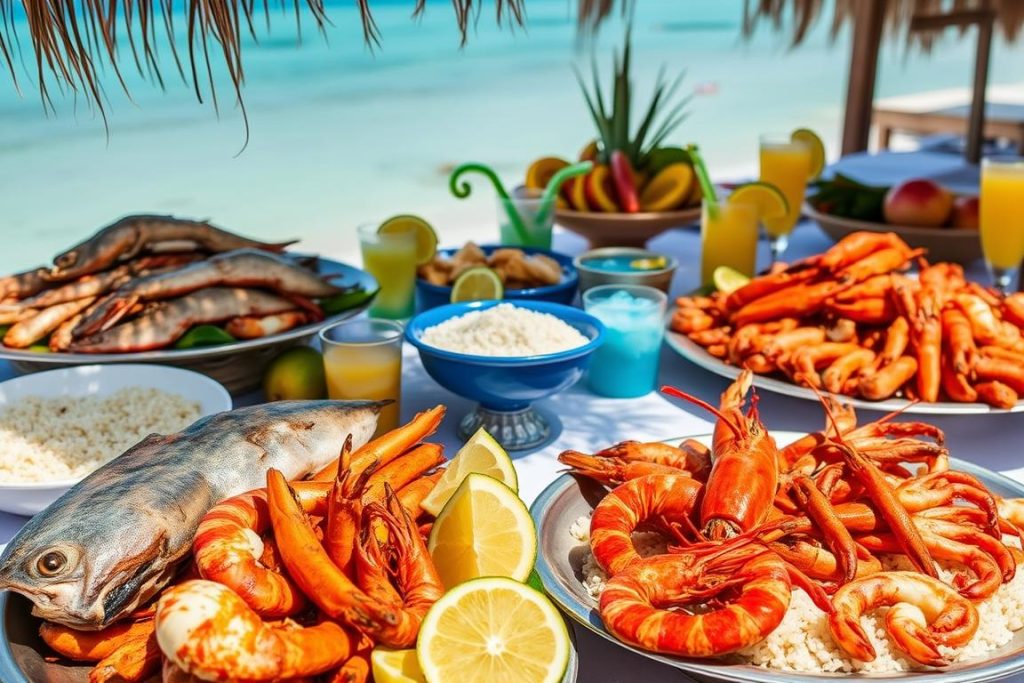
The legendary seafood feast is a highlight of every Safari Blue tour
Safari Blue Tips
- Book at least one day in advance during peak season (June-October)
- Bring sun protection, including reef-safe sunscreen, hat, and sunglasses
- Wear swimwear under your clothes and bring a towel and change of clothes
- The tour typically runs from 9:00 AM to 5:00 PM
- Prices range from $70-90 per person, with discounts for children
- Choose reputable operators who prioritize safety and environmental protection
Experience the Magic of Safari Blue
Don’t miss Zanzibar’s most popular ocean adventure! Book your Safari Blue tour now to secure your spot on this unforgettable journey through turquoise waters.
Must-Visit Attractions in Zanzibar
Beyond Safari Blue, Zanzibar offers a wealth of attractions that showcase its natural beauty, rich history, and vibrant culture. Here are the essential experiences that should be on every traveler’s Zanzibar itinerary:
Stone Town: UNESCO World Heritage Site
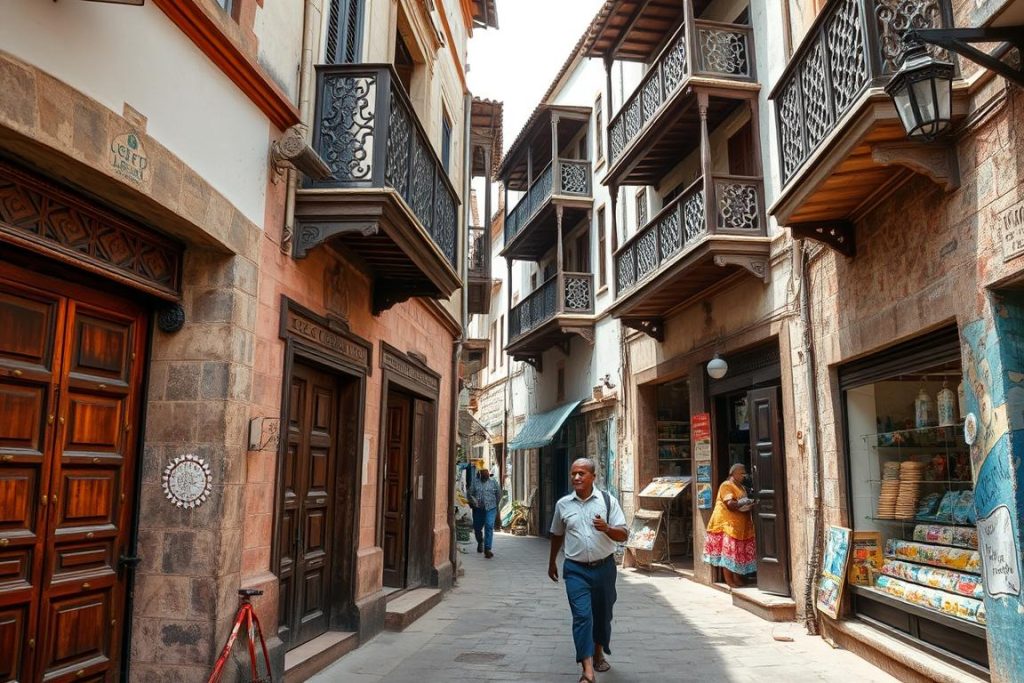
Stone Town’s labyrinthine streets reveal centuries of history and cultural fusion
The historic heart of Zanzibar City, Stone Town is a fascinating maze of narrow alleys, ancient buildings, and cultural treasures. This living museum showcases the island’s multicultural heritage through its architecture, which blends African, Arab, Indian, and European elements.
Don’t miss the House of Wonders (Beit al-Ajaib), the Old Fort (Ngome Kongwe), the Palace Museum, and the Anglican Cathedral built on the site of the former slave market. The famous Freddie Mercury House (the Queen frontman was born in Stone Town) and the vibrant Darajani Market are also worth visiting.
Stone Town is best explored on foot, preferably with a knowledgeable local guide who can reveal the stories behind its ornately carved doors, hidden courtyards, and historical landmarks.
Spice Tours: The Fragrant Heart of the “Spice Island”
Discover why Zanzibar earned its nickname as the “Spice Island” by visiting one of the many spice farms in the central region. These educational and sensory tours introduce you to the cultivation and uses of cloves, cinnamon, black pepper, nutmeg, vanilla, and many other spices that have shaped Zanzibar’s economy and cuisine for centuries.
During a typical spice tour, guides demonstrate traditional farming methods and invite you to smell, taste, and identify various spices and tropical fruits. Many tours include a delicious Swahili lunch prepared with the farm’s fresh ingredients and a chance to purchase high-quality spices to take home.

Discover the aromatic treasures that earned Zanzibar its “Spice Island” nickname
Pristine Beaches: Tropical Paradise
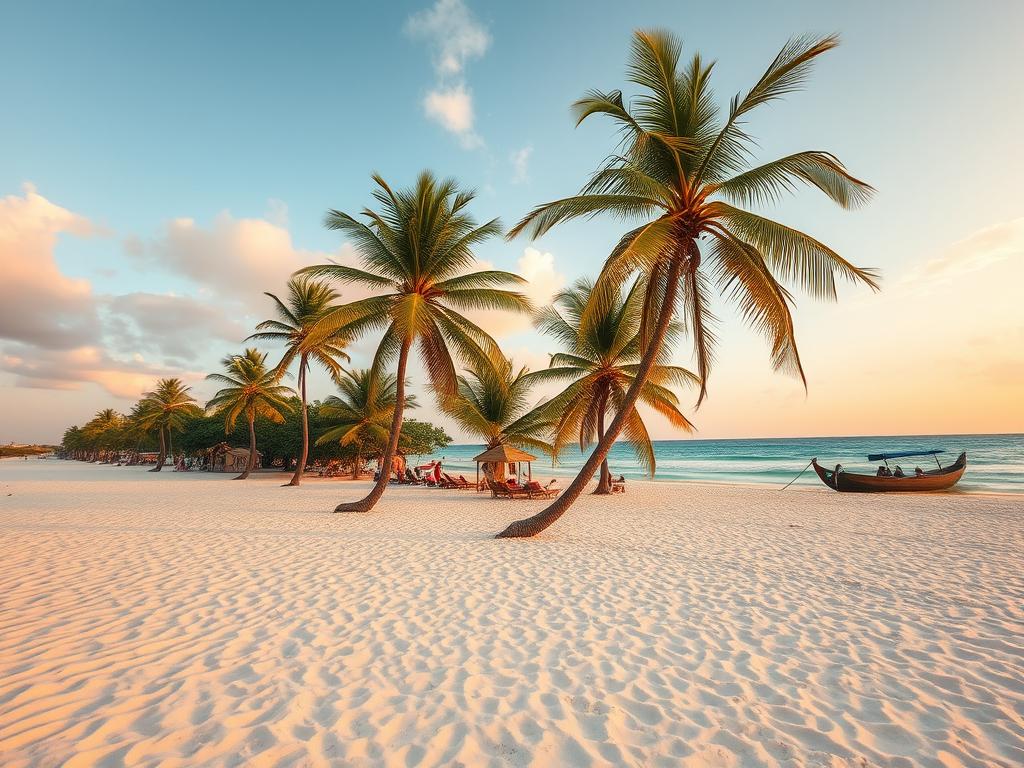
Nungwi Beach
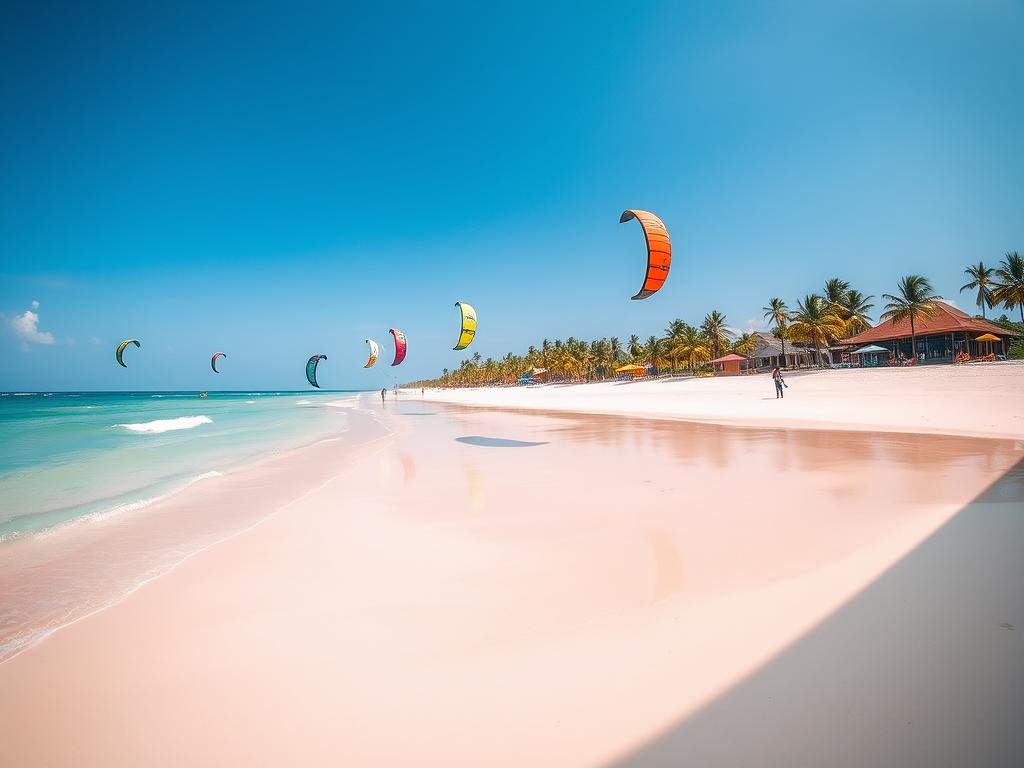
Kendwa Beach
Paje Beach
Zanzibar is renowned for its spectacular beaches, each with its own distinct character. The northern beaches of Nungwi and Kendwa offer stunning sunsets and swimming opportunities even at low tide. The east coast beaches like Paje and Jambiani feature powdery white sand stretching for miles, though they experience dramatic tidal variations that create fascinating seascapes throughout the day.
For those seeking serenity, the less-developed beaches of Matemwe, Bwejuu, and Michamvi provide peaceful retreats away from the crowds. Water sports enthusiasts will find excellent conditions for kitesurfing in Paje, diving in Mnemba Atoll, and snorkeling throughout the island’s coral-rich waters.
Other Notable Attractions
Jozani Forest
Home to the endemic Zanzibar red colobus monkey, this national park protects a rare coastal forest ecosystem. Guided walks through the forest and mangrove boardwalks offer opportunities to spot these endangered primates and learn about conservation efforts.
Prison Island (Changuu)
A short boat ride from Stone Town brings you to this former quarantine station, now famous for its colony of giant Aldabra tortoises, some over 150 years old. The island also offers excellent snorkeling and a glimpse into Zanzibar’s colonial history.
The Rock Restaurant
Perched on a rock formation off Michamvi Peninsula, this iconic restaurant is accessible by foot during low tide and by boat when the water rises. Beyond its Instagram-worthy setting, it serves excellent seafood with panoramic ocean views.
Explore Zanzibar’s Treasures
From historic Stone Town to pristine beaches and unique wildlife encounters, Zanzibar offers endless discoveries. Book guided tours to make the most of your visit.
Practical Travel Information
Best Time to Visit
Zanzibar enjoys a tropical climate with two distinct rainy seasons. The best time to visit is during the dry seasons:
- June to October (Long Dry Season): Ideal weather with low humidity, pleasant temperatures (25-28°C/77-82°F), and minimal rainfall. This coincides with peak tourist season, especially July and August.
- December to February (Short Dry Season): Hotter temperatures (28-32°C/82-90°F) but still good weather for beach activities. December is another peak period due to holiday travelers.
The main rainy seasons are March to May (heavy rains) and November (short rains). While accommodation prices drop significantly during these periods, outdoor activities may be limited by frequent downpours.
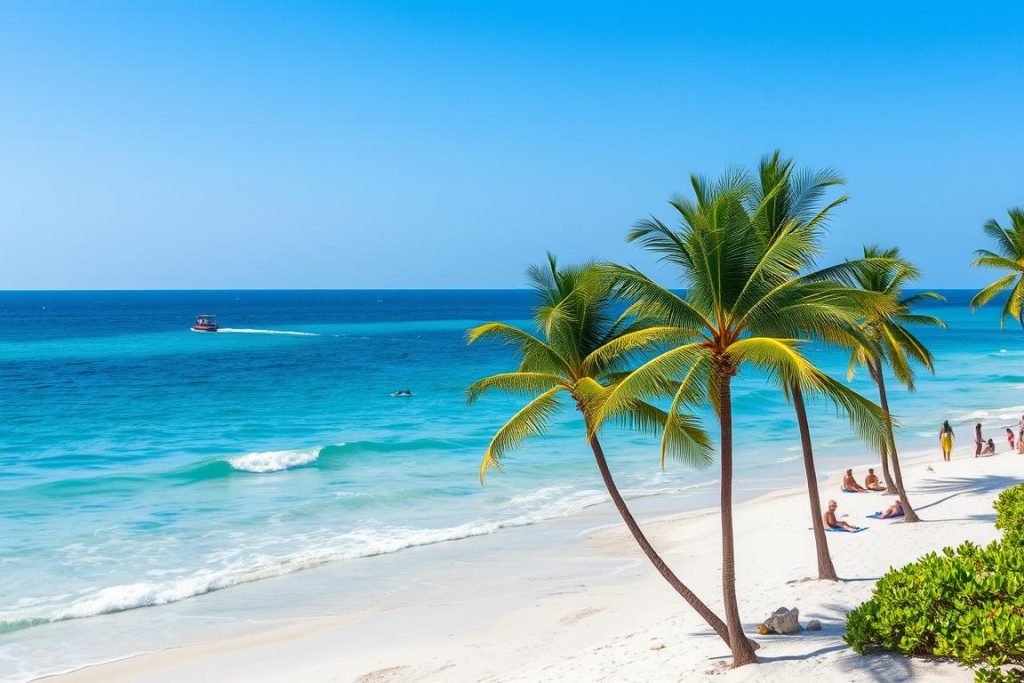
The dry season (June-October) offers perfect conditions for enjoying Zanzibar’s beaches
Visa Requirements
Most visitors to Zanzibar require a Tanzania visa. Citizens of many countries can obtain a visa on arrival at Abeid Amani Karume International Airport for approximately $50 USD (single entry). However, to avoid potential queues, applying online through the official Tanzania Immigration Services website before travel is recommended.
E-visas typically process within 2-3 business days but apply at least two weeks before travel to allow for any delays. Multiple-entry visas and business visas have different requirements and fees. Always check the latest visa information with the Tanzanian embassy or consulate in your country before traveling.
Currency and Money
The official currency is the Tanzanian Shilling (TZS), but US dollars are widely accepted throughout Zanzibar, particularly in tourist areas. Many hotels, restaurants, and tour operators list their prices in dollars.
ATMs are available in Stone Town and major beach areas, dispensing both Tanzanian Shillings and sometimes US dollars. Credit cards are accepted at larger hotels and restaurants, though smaller establishments and markets operate on cash only. A 5-7% surcharge for card payments is common.
For the best exchange rates, change money at official bureaus rather than at hotels. Bring new US dollar bills (issued after 2009) as older or damaged notes may not be accepted.
Money Tips for Zanzibar
- Inform your bank of your travel plans to prevent card blocks
- Carry a mix of US dollars and Tanzanian Shillings
- Small denominations are useful for markets, tips, and small purchases
- Bargaining is expected in markets but not in established shops
- Tipping (5-10%) is appreciated for good service
- Budget approximately $50-150 per day depending on your travel style
Safety Tips
Zanzibar is generally a safe destination for tourists, but as with any travel location, certain precautions are advisable:
- Respect local customs, particularly in Stone Town and villages. Dress modestly (covering shoulders and knees) when away from beach areas.
- Keep valuables secure and avoid displaying expensive jewelry or electronics.
- Use hotel safes for passports and extra cash.
- Be cautious when swimming, as some beaches have strong currents. Follow local advice.
- Drink bottled water and ensure food is properly cooked, especially from street vendors.
- Use reputable tour operators and licensed taxis (with red number plates).
- Purchase comprehensive travel insurance covering medical evacuation.
Health Considerations
While Zanzibar has made significant progress in controlling malaria, it remains a risk, particularly during rainy seasons. Consult your doctor about antimalarial medication before travel. Use insect repellent containing DEET, especially during evenings.
Medical facilities on the island are limited, with the best care available in Stone Town. For serious medical issues, evacuation to mainland Tanzania or Kenya may be necessary. Travel insurance with medical coverage is essential.
Standard vaccinations should be up to date, and some travelers may consider hepatitis A, typhoid, and yellow fever vaccines. A yellow fever certificate is required if arriving from countries with yellow fever transmission.
Cultural Insights: Respecting Zanzibar’s Heritage

Zanzibar’s cultural celebrations showcase the island’s unique blend of African, Arab, and Indian influences
Zanzibar’s cultural landscape is as rich and diverse as its history. Understanding and respecting local customs enhances your experience while showing appreciation for the island’s unique heritage.
Religious Customs
With a predominantly Muslim population, Zanzibar observes Islamic traditions. During Ramadan, be mindful that many locals are fasting during daylight hours. While tourists aren’t expected to fast, eating, drinking, or smoking in public during this time is considered disrespectful.
Five times daily, you’ll hear the call to prayer from local mosques. If visiting religious sites, dress modestly and remove shoes when required. Women should cover their heads when entering mosques.
Dress Code
While beach resorts have relaxed dress codes, modest attire is appropriate in Stone Town, villages, and public areas. Both men and women should cover shoulders and knees. Women may find a light scarf useful for impromptu mosque visits or more conservative areas.
Photography Etiquette
Always ask permission before photographing local people, especially in villages and markets. Some may decline for religious reasons or request a small fee. Respect their decision either way.
Government buildings, military installations, and some religious sites prohibit photography. When in doubt, ask a local guide or official.
Social Customs
Greetings are important in Zanzibari culture. Learning a few Swahili phrases like “Jambo” (hello) and “Asante” (thank you) is appreciated. Handshakes are common, though between opposite genders, wait for the local person to extend their hand first.
The left hand is considered unclean in many Islamic cultures, so use your right hand for eating, accepting gifts, or handing items to locals.
In Zanzibar, we say “pole pole” – slowly, slowly. Take time to embrace our pace of life, savor each moment, and connect with our culture beyond the beautiful beaches.
Where to Stay in Zanzibar
Zanzibar offers accommodations for every budget and travel style, from luxury beachfront resorts to charming boutique hotels and budget-friendly guesthouses. Here’s a guide to the island’s main areas and their accommodation options:
Stone Town
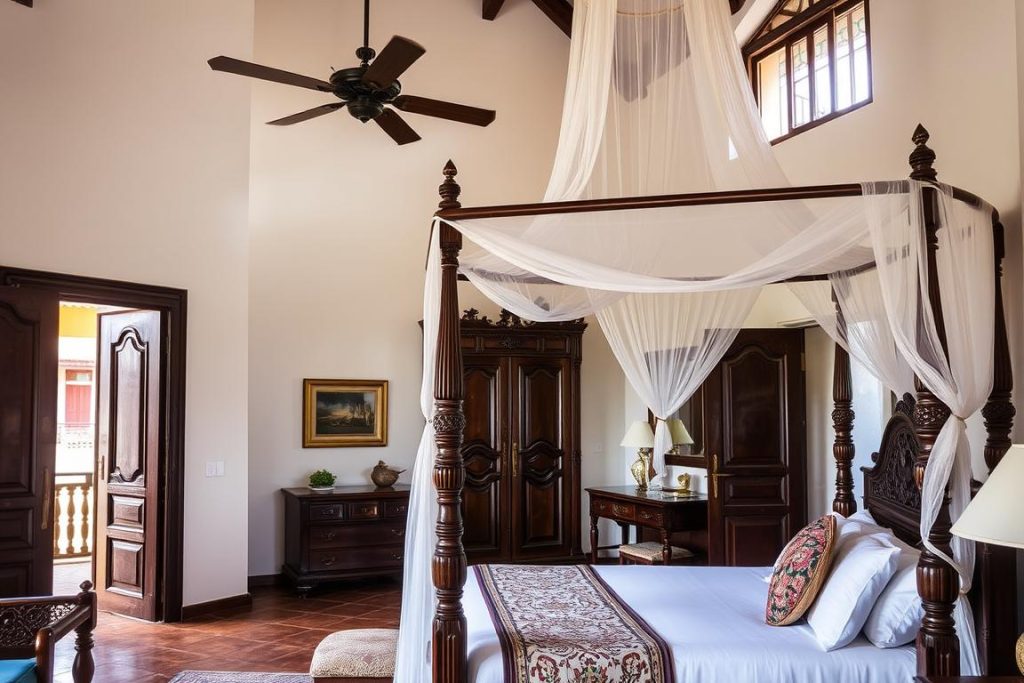
Stay here to immerse yourself in Zanzibar’s history and culture. Stone Town accommodations range from converted merchant houses to international hotels, all within walking distance of major attractions, restaurants, and shops.
Perfect for: Cultural enthusiasts, short stays, and those wanting to explore Zanzibar’s historic heart.
Northern Beaches (Nungwi & Kendwa)
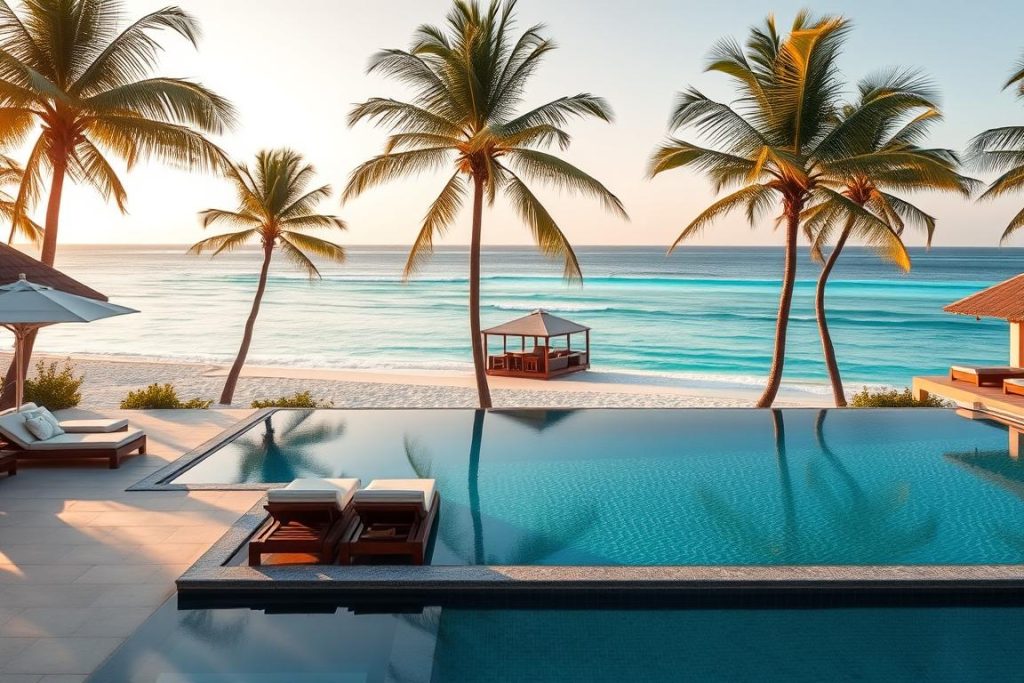
The northern tip of Zanzibar offers beautiful beaches with minimal tidal variation, allowing for swimming throughout the day. This area has the island’s highest concentration of resorts and a lively atmosphere with beach bars and restaurants.
Perfect for: Beach lovers, honeymooners, and those seeking water activities and nightlife.
East Coast (Paje, Jambiani, Bwejuu)
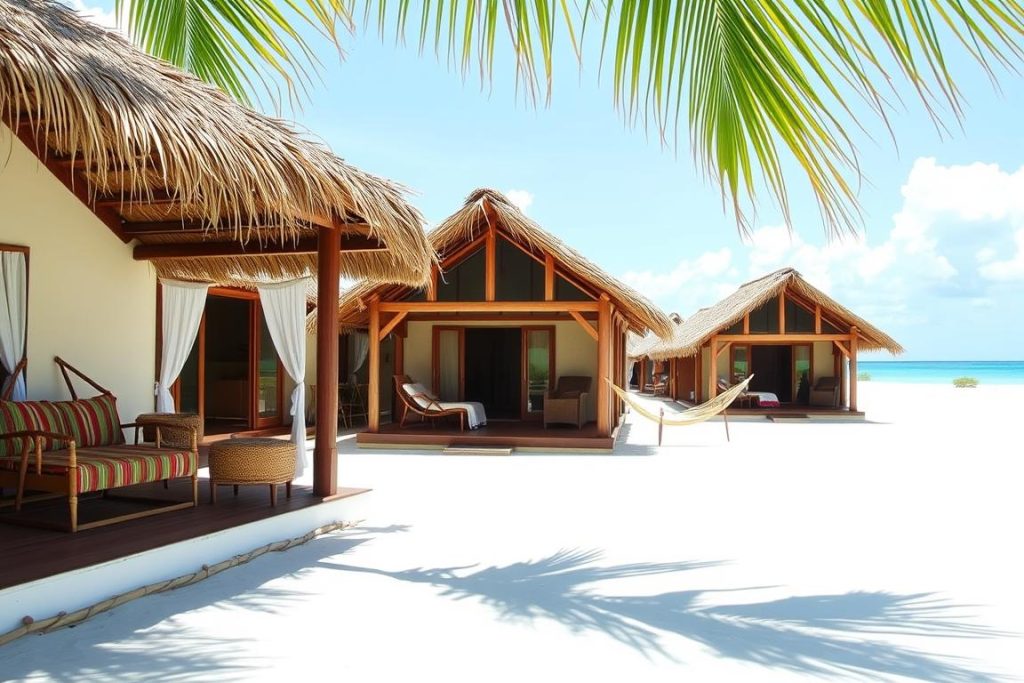
The east coast features spectacular white sand beaches with dramatic tidal variations. This area tends to be more laid-back than the north, with a mix of boutique hotels, mid-range resorts, and budget accommodations.
Perfect for: Kitesurfers (especially in Paje), those seeking a quieter atmosphere, and budget-conscious travelers.
Accommodation Types
| Type | Price Range (USD) | Features | Best For |
| Luxury Resorts | $300-1,000+ per night | Private villas, infinity pools, spa services, multiple restaurants, water sports facilities | Honeymooners, special occasions, travelers seeking premium experiences |
| Boutique Hotels | $150-300 per night | Personalized service, unique design, often in restored historic buildings or intimate beachfront settings | Couples, cultural enthusiasts, those seeking character over chain hotels |
| Mid-range Resorts | $80-150 per night | Pool, restaurant, air conditioning, often beachfront with gardens | Families, groups, longer stays, balanced comfort and value |
| Guesthouses | $30-80 per night | Basic but comfortable rooms, often family-run, authentic local experience | Budget travelers, backpackers, solo travelers, authentic cultural immersion |
Find Your Perfect Zanzibar Accommodation
From luxury beachfront villas to charming Stone Town boutique hotels, find the perfect place to stay for your Zanzibar adventure.
Why Zanzibar Should Be Your Next Destination
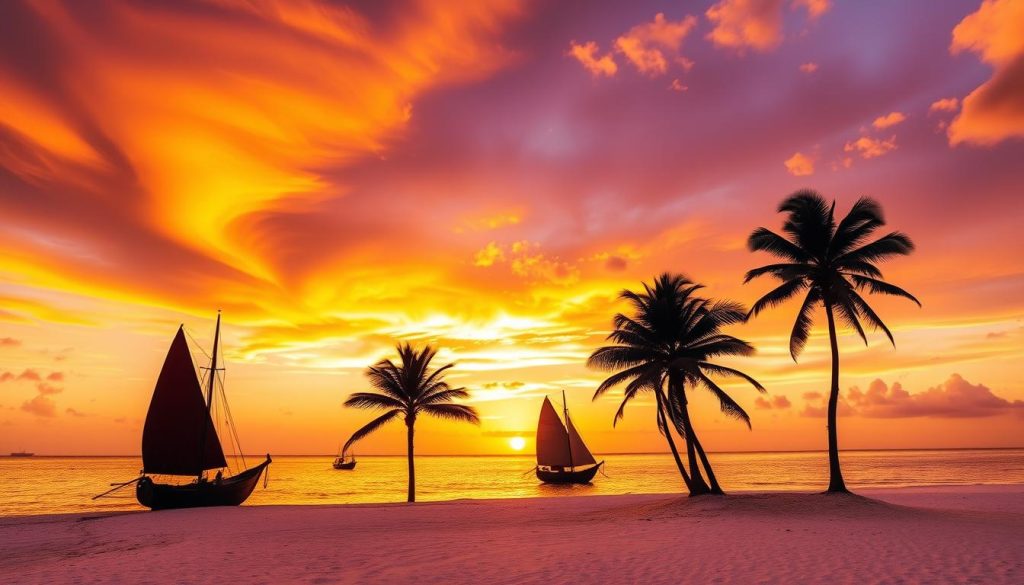
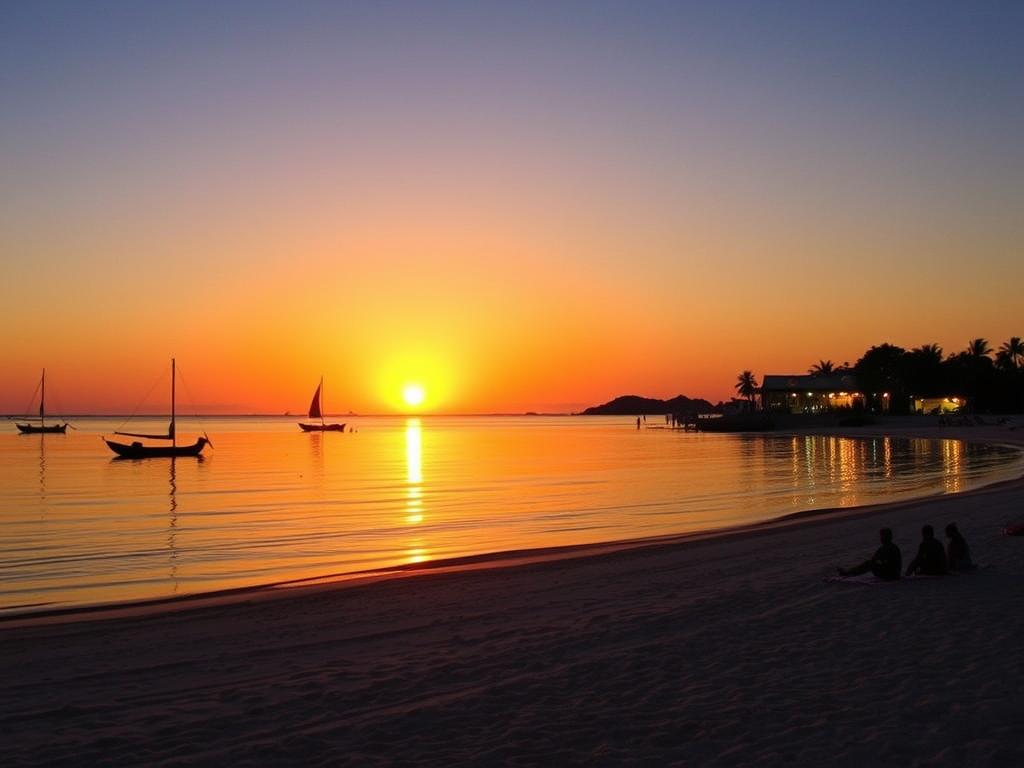
Zanzibar’s magical sunsets create unforgettable memories for travelers
Zanzibar stands apart as a destination that offers far more than just beautiful beaches. Its unique blend of African, Arab, and Indian influences creates a cultural tapestry unlike anywhere else in the world. From the moment you arrive, you’re immersed in a sensory experience – the aroma of spices in the air, the sound of calls to prayer mingling with local music, the feel of powder-soft sand between your toes, and the taste of fresh seafood infused with exotic flavors.
The island’s rich history as a trading crossroads has left an indelible mark on its architecture, cuisine, and traditions. Yet Zanzibar has managed to preserve its authentic character while embracing tourism, offering visitors genuine cultural exchanges alongside modern comforts.
Whether you’re seeking adventure through Safari Blue’s ocean explorations, cultural immersion in Stone Town’s labyrinthine streets, relaxation on pristine beaches, or culinary discoveries through spice tours and seafood feasts, Zanzibar delivers unforgettable experiences that linger long after your tan fades.
As the Swahili saying goes, “Zanzibar ni njema, atakaye aje” – Zanzibar is good, whoever wants may come. The island awaits with open arms, ready to weave you into its centuries-old story and create memories that will call you back again and again.
Ready to Experience Zanzibar?
Start planning your dream trip to this island paradise. From Safari Blue adventures to cultural explorations and beach relaxation, Zanzibar offers unforgettable experiences for every traveler.