Tanzania stands as one of Africa’s most captivating destinations, where the wild spirit of the continent comes alive in spectacular fashion. From the endless plains of the Serengeti to the pristine beaches of Zanzibar, this East African jewel offers an intoxicating blend of wildlife encounters, cultural experiences, and natural wonders that leave visitors forever changed. We’ve created this comprehensive guide to help you navigate the essentials of travel to Tanzania, ensuring your journey is as seamless as it is unforgettable.
Whether you’re dreaming of witnessing the Great Migration, summiting Mount Kilimanjaro, or simply immersing yourself in the warmth of Tanzanian hospitality, proper planning is essential. In this guide, we’ll walk you through everything from the best times to visit and health preparations to cultural etiquette and must-see destinations. Let’s begin your Tanzanian adventure together.
Free Tanzania Travel Planning Kit
Get our comprehensive Tanzania Travel Checklist, packing guide, and seasonal calendar to ensure you don’t miss anything important when planning your trip.
Best Time to Travel to Tanzania: Seasonal Guide
Choosing when to travel to Tanzania significantly impacts your experience. The country experiences distinct dry and wet seasons, each offering unique advantages for different activities and regions. Understanding these seasonal patterns will help you plan the perfect trip based on your interests and priorities.
The dry season (June-October) offers exceptional wildlife viewing as animals gather around limited water sources
Dry Season (June to October)
The dry season is widely considered the best time to travel to Tanzania, particularly for wildlife safaris. During these months, vegetation thins out, making animals easier to spot as they congregate around remaining water sources. The weather is pleasantly warm during the day with cooler evenings, and there are fewer mosquitoes, reducing malaria risk.
“June through September offers the most reliable game viewing in Tanzania’s northern circuit. The animals are concentrated around water sources, making for spectacular safari experiences, especially in the Serengeti and Ngorongoro Crater.”
Wet Season (November to May)
The wet season in Tanzania is divided into two periods: the “short rains” (November-December) and the “long rains” (March-May). While many travelers avoid these months, they offer distinct advantages: lush landscapes, fewer tourists, lower prices, and excellent bird watching. The “green season” between January and February provides a short dry spell that’s ideal for witnessing the calving season in the southern Serengeti.
| Season | Months | Weather | Wildlife Viewing | Crowds | Costs |
| Dry Season (Peak) | June-October | Warm days, cool nights, minimal rain | Excellent – concentrated around water | High | Highest |
| Short Rains | November-December | Brief afternoon showers | Good – landscapes becoming green | Moderate | Lower |
| Green Season | January-February | Short dry period, warm | Excellent for wildebeest calving | Moderate | Moderate |
| Long Rains | March-May | Heavy rainfall, high humidity | Challenging but lush landscapes | Lowest | Lowest |
Regional Considerations
Tanzania’s climate varies significantly by region, so your destination within the country should influence when you visit:
Northern Circuit (Serengeti, Ngorongoro)
- Best: June-October (dry season)
- Good: December-February (green season)
- Challenging: March-May (long rains)
- Wildebeest calving: February (southern Serengeti)
- River crossings: June-July (western corridor) and August-September (northern Serengeti)
Southern Parks (Nyerere, Ruaha)
- Best: July-November (dry season)
- Good: January-February
- Avoid: March-May (many camps close)
- Less crowded year-round than northern parks
- Excellent for authentic safari experiences
Coastal Areas & Zanzibar
- Best: June-October (dry, less humid)
- Good: December-February (hot but manageable)
- Avoid: March-May (very wet and humid)
- Water visibility for diving best during dry season
- Northern beaches protected from wind June-September
Mount Kilimanjaro
- Best: January-February and September-October
- Good: December and July-August (colder)
- Avoid: March-May (slippery trails)
- Clearest summit views in early morning during dry season
- Full moon climbs offer better visibility at night
Wildlife Viewing Calendar
For many travelers, witnessing Tanzania’s incredible wildlife is a primary motivation. Here’s when to visit for specific wildlife experiences:

The Great Migration river crossings (June-September) offer some of Africa’s most dramatic wildlife spectacles
Great Migration
- January-March: Southern Serengeti (calving season)
- April-May: Central Serengeti
- June-July: Western Corridor (Grumeti river crossings)
- August-October: Northern Serengeti (Mara river crossings)
- November-December: Moving south again
Big Cats
- Year-round in most parks
- Best visibility: Dry season (June-October)
- Lion cubs often seen: January-March
- Leopard sightings best in Central Serengeti
- Cheetah hunting: Open plains during dry season
Other Wildlife
- Elephant herds: Best in Tarangire (June-October)
- Rhinos: Year-round in Ngorongoro Crater
- Hippos: Best viewed during dry season
- Birds: November-April for migratory species
- Primates: Year-round in western Tanzania
Traveler Tip: For the ultimate Tanzania experience, consider combining regions and activities. For example, a June-September trip could include a northern safari circuit followed by beach time in Zanzibar, offering perfect weather conditions for both experiences.
Health Preparations for Tanzania Travel
Proper health preparation is essential for a safe and enjoyable trip to Tanzania. While the country offers incredible experiences, travelers should take appropriate precautions to protect against tropical diseases and other health concerns.
Required and Recommended Vaccinations

Consult with a travel medicine specialist at least 6-8 weeks before your trip to Tanzania
Required Vaccinations
- Yellow Fever: Required if arriving from a country with risk of yellow fever transmission. The vaccination must be administered at least 10 days before travel.
- COVID-19: Requirements change frequently. Check the latest guidelines from Tanzanian authorities before travel.
Highly Recommended Vaccinations
- Hepatitis A: Recommended for all travelers
- Typhoid: Especially important for smaller cities, rural areas
- Tetanus-diphtheria: Ensure your routine vaccination is up-to-date
- Polio: One-time booster for adults
Consider Based on Activities
- Hepatitis B: For longer stays or potential medical procedures
- Rabies: For wildlife workers, extended rural stays
- Cholera: For humanitarian workers or rural areas
- Meningitis: During dry season (June-October)
Where to Get Vaccinations
- Travel medicine clinics
- Primary care physicians
- Health departments
- International vaccination centers
- Some pharmacies (for certain vaccines)
Important: Schedule your travel medicine consultation 6-8 weeks before departure, as some vaccines require multiple doses or time to become effective. Always carry your International Certificate of Vaccination (yellow card) when traveling to Tanzania.
Malaria Prevention
Malaria is present throughout Tanzania, including Zanzibar, with risk varying by region and season. Taking appropriate preventive measures is essential:
Antimalarial Medications
- Atovaquone/Proguanil (Malarone): Daily pill, fewer side effects
- Doxycycline: Daily pill, also protects against some other infections
- Mefloquine: Weekly pill, not recommended for those with psychiatric conditions
- Start medication before entering malaria zones as prescribed
- Continue taking medication after leaving malaria zones as directed
Mosquito Prevention Measures
- Use insect repellent containing 20-30% DEET
- Wear long sleeves and pants, especially at dawn and dusk
- Sleep under permethrin-treated mosquito nets
- Use air conditioning when available
- Consider permethrin-treated clothing for safaris
“No antimalarial drug is 100% effective, so always combine medication with physical prevention measures. If you develop a fever during or after travel to Tanzania, seek medical attention immediately and inform healthcare providers of your travel history.”
Other Health Considerations

A well-stocked travel health kit is essential for any trip to Tanzania
Traveler’s Diarrhea
- Drink only bottled or purified water
- Avoid ice in drinks
- Eat fully cooked foods
- Peel fruits and vegetables yourself
- Pack rehydration salts and anti-diarrheal medication
Sun Protection
- Tanzania’s equatorial sun is intense
- Use SPF 30+ sunscreen
- Reapply every 2 hours when outdoors
- Wear a wide-brimmed hat
- Consider UPF-rated clothing
Altitude Sickness
- Relevant for Kilimanjaro climbers
- Acclimatize gradually
- Stay hydrated
- Consider Diamox (consult doctor)
- Descend if symptoms are severe
Travel Insurance
Comprehensive travel insurance is absolutely essential for any trip to Tanzania. Medical facilities outside major cities are limited, and evacuation for serious health issues may be necessary.
Get Comprehensive Travel Insurance
Ensure your Tanzania adventure is fully protected with insurance that covers emergency evacuation, medical treatment, and trip cancellation.
What Your Policy Should Cover
- Emergency medical expenses (minimum $100,000)
- Medical evacuation coverage (minimum $500,000)
- Coverage for adventure activities (if applicable)
- Trip cancellation and interruption
- Lost or delayed baggage
Travel Health Kit Essentials
- Prescription medications in original containers
- Antimalarial medication
- Anti-diarrheal medication
- Antihistamines
- Pain/fever relievers
- Rehydration salts
- First aid supplies
- Hand sanitizer
Medical Facilities in Tanzania: High-quality medical care is primarily available in Dar es Salaam and Arusha. In remote areas and smaller towns, medical facilities are limited. For serious medical issues, evacuation to Nairobi (Kenya) or South Africa may be necessary.
Entry Requirements and Practical Information
Visa Requirements
Most visitors to Tanzania require a visa. While visa on arrival is available at major entry points, applying online in advance is recommended to avoid potential delays.

Prepare your visa application materials well in advance of your travel to Tanzania
Visa Types
- Tourist Visa: Single-entry (90 days) – $50
- Multiple Entry Visa: (12 months) – $100
- Transit Visa: (7 days) – $30
- Business Visa: Single-entry (90 days) – $250
Application Methods
- E-Visa: Apply online through the Tanzania Immigration Department
- Visa on Arrival: Available at major entry points
- Embassy/Consulate: Apply in person or by mail
Hassle-Free Tanzania Visa Application
Let our visa experts handle your Tanzania visa application process, ensuring all documentation is correct and submitted on time.
Required Documents
- Passport valid for at least 6 months beyond arrival date
- At least one blank passport page
- Completed visa application form
- Passport-sized photo
- Return/onward ticket
- Proof of accommodation
- Visa fee payment
Entry Restrictions
- Yellow fever vaccination certificate if arriving from affected countries
- Proof of sufficient funds for your stay
- No prohibited items (check customs regulations)
- No plastic bags (Tanzania has banned single-use plastic bags)
Important: Volunteer work is not permitted on a tourist visa. If you plan to volunteer in Tanzania, you must obtain the appropriate work permit or volunteer visa before arrival.
Currency and Money Matters
The official currency of Tanzania is the Tanzanian Shilling (TZS), though US dollars are widely accepted in tourist areas, particularly for larger expenses like accommodations and tours.
Currency Tips
- Bring new US dollar bills (2013 or newer) for visa fees and major expenses
- Use Tanzanian Shillings for daily expenses, markets, and local restaurants
- Notify your bank of travel plans to prevent card blocks
- Keep some emergency cash in US dollars
Banking & ATMs
- ATMs available in major cities and tourist areas
- Daily withdrawal limits apply (typically 400,000 TZS)
- Credit cards accepted at upscale hotels and restaurants
- Visa more widely accepted than Mastercard
- Bring multiple payment methods as backup
Safety and Security
Tanzania is generally considered one of the safer countries in Africa for tourists, but normal precautions should still be taken, particularly in urban areas and crowded places.

Exploring local markets with a guide can enhance both safety and cultural understanding
General Safety Tips
- Register with your embassy through their travel program
- Keep a photocopy of your passport separate from the original
- Use hotel safes for valuables
- Avoid displaying expensive items
- Be cautious in crowded areas and at night
Transportation Safety
- Use reputable tour operators and taxi services
- Avoid public buses (dala-dalas) for long journeys
- Don’t travel by road at night
- Confirm safety standards for ferry services
- Consider internal flights for longer distances
Wildlife Safety
- Always follow guide instructions on safari
- Never approach wild animals
- Stay in vehicle unless guides permit exit
- Keep tent zipped in safari camps
- Use flashlights when walking at night in camps
Stay Connected with Embassy Registration
Register your trip with your country’s embassy to receive safety updates and assistance in case of emergency while in Tanzania.
Cultural Etiquette and Customs
Tanzania is a culturally diverse country with strong traditional values. Respecting local customs will enhance your experience and interactions with Tanzanians.
Dress Code
- Dress modestly, especially in Zanzibar and rural areas
- Women: shoulders and knees covered in public
- Men: long pants in religious sites and formal settings
- Beachwear only appropriate at beach resorts
Social Etiquette
- Greet people with “Jambo” (hello) or “Habari” (how are you)
- Ask permission before photographing people
- Use right hand for eating and giving/receiving items
- Remove shoes when entering homes
- Respect elders and religious customs
Packing Essentials
Packing appropriately for Tanzania depends on your planned activities, but certain essentials are recommended for all travelers:

Pack light, versatile clothing in neutral colors for safari activities
Clothing
- Lightweight, breathable fabrics
- Neutral colors for safari (avoid bright colors)
- Long-sleeved shirts and pants (protection from sun and insects)
- Warm layer for cool evenings
- Modest swimwear for beach areas
- Comfortable walking shoes
- Rain jacket (especially during wet season)
Health & Protection
- Broad-spectrum sunscreen (SPF 30+)
- Insect repellent (30% DEET)
- Travel first aid kit
- Prescription medications
- Hand sanitizer
- Rehydration salts
- Water purification method
Gear & Technology
- Universal power adapter (UK-type plugs)
- Camera with zoom lens for wildlife
- Binoculars for safari
- Headlamp or flashlight
- Dry bag for electronics
- Power bank
- Day pack for excursions
Plastic Bag Ban: Tanzania has banned plastic bags. Avoid packing items in plastic bags and consider bringing reusable cloth bags for shopping and organizing your belongings.
Major Attractions and Experiences in Tanzania
Tanzania offers an incredible diversity of experiences, from world-renowned wildlife safaris to pristine beaches, cultural encounters, and challenging mountain treks. Here’s an overview of the country’s most compelling attractions.
Safari Destinations

The Serengeti offers unparalleled opportunities to observe predators in their natural habitat
Serengeti National Park
World-famous for the Great Migration and exceptional year-round game viewing. The vast plains host incredible predator-prey interactions and some of Africa’s highest concentrations of big cats.
- Area: 14,750 km²
- Best time: Year-round (migration varies)
- Highlights: Great Migration, big cats, balloon safaris
- Accommodation: Luxury lodges to mobile camps
Ngorongoro Crater
A UNESCO World Heritage site and natural wonder, this extinct volcanic caldera contains an extraordinary concentration of wildlife within its walls, including rare black rhinos.
- Area: 260 km² crater floor
- Best time: Year-round
- Highlights: Big Five viewing, concentrated wildlife
- Accommodation: Crater rim lodges and nearby options
Tarangire National Park
Famous for its massive elephant herds and iconic baobab trees. During dry season, the Tarangire River attracts incredible concentrations of wildlife.
- Area: 2,850 km²
- Best time: June-October
- Highlights: Elephant herds, baobab landscapes, bird watching
- Accommodation: Lodges and tented camps
Lake Manyara National Park
A compact but diverse park featuring a large alkaline lake, lush groundwater forest, and famous tree-climbing lions. Excellent for a one-day safari experience.
- Area: 330 km²
- Best time: July-October and December-February
- Highlights: Tree-climbing lions, flamingos, diverse habitats
- Accommodation: Lodges on the escarpment with lake views
Nyerere National Park (Selous)
Africa’s largest game reserve offers a more exclusive safari experience with boat safaris on the Rufiji River and walking safaris available.
- Area: 30,000 km²
- Best time: June-October
- Highlights: Boat safaris, wild dogs, fewer tourists
- Accommodation: Luxury lodges and tented camps
Ruaha National Park
Tanzania’s largest national park offers a true wilderness experience with excellent predator sightings and diverse landscapes.
- Area: 20,226 km²
- Best time: June-October
- Highlights: Large lion prides, greater and lesser kudu, baobabs
- Accommodation: Small, intimate camps
Plan Your Perfect Tanzania Safari
Speak with our safari specialists to create a customized itinerary based on your interests, budget, and travel dates.
Zanzibar and Beach Destinations
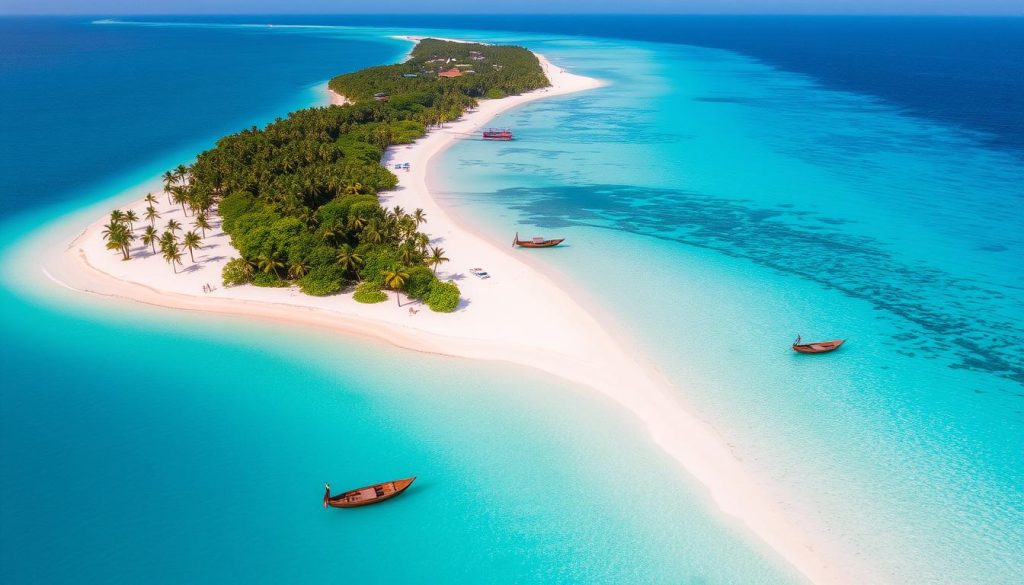
Zanzibar’s pristine beaches and crystal-clear waters make it the perfect complement to a safari adventure
Zanzibar Archipelago
This semi-autonomous island group offers idyllic beaches, rich cultural heritage, and excellent marine activities. The main island, Unguja (commonly called Zanzibar), features historic Stone Town and numerous beach resorts.
- Stone Town: UNESCO World Heritage site with Swahili, Arab, Persian, Indian and European influences
- Northern Beaches: Nungwi and Kendwa offer white sand, swimming at all tides
- Eastern Beaches: Paje and Jambiani known for kitesurfing
- Activities: Snorkeling, diving, spice tours, dolphin watching
Other Coastal Destinations
Beyond Zanzibar, Tanzania offers several other beautiful coastal areas and islands worth exploring:
- Pemba Island: Zanzibar’s less-visited sister island with pristine reefs
- Mafia Island: World-class diving and whale shark encounters (October-March)
- Pangani: Quiet mainland beaches with cultural experiences
- Dar es Salaam Beaches: Convenient beach escapes near the major city
Mount Kilimanjaro

Climbing Kilimanjaro is a challenging but rewarding experience that requires proper preparation
Standing at 5,895 meters (19,341 feet), Mount Kilimanjaro is Africa’s highest peak and the world’s tallest free-standing mountain. Unlike many major peaks, Kilimanjaro can be climbed without technical mountaineering experience, though proper preparation is essential.
Popular Routes
- Marangu Route: “Coca-Cola Route” – only route with hut accommodation
- Machame Route: “Whiskey Route” – scenic but challenging
- Lemosho Route: Highest success rate due to gradual acclimatization
- Rongai Route: Only northern approach, less crowded
- Northern Circuit: Longest route with best acclimatization
Climbing Essentials
- Minimum 5-7 days recommended for proper acclimatization
- Best climbing seasons: January-March and June-October
- Permits and fees approximately $1,000+ per person
- Guided climbs mandatory with licensed operators
- Physical preparation and proper gear essential
Kilimanjaro Success Tip: The key to reaching the summit is proper acclimatization. Choose a route with adequate time for adjustment to altitude, and always follow the “pole pole” (slowly, slowly) advice from your guides.
Cultural Experiences

Visiting Maasai communities offers insight into traditional ways of life that have existed for centuries
Tanzania is home to over 120 ethnic groups, each with distinct traditions and cultures. Engaging with local communities adds tremendous depth to your Tanzanian experience.
Maasai Cultural Visits
The iconic Maasai people maintain many traditional practices while adapting to modern challenges. Responsible visits to Maasai villages provide insight into their semi-nomadic lifestyle.
- Traditional boma (village) visits
- Cultural demonstrations and dances
- Guided nature walks with Maasai warriors
- Craft markets supporting local artisans
Tribal Experiences
Beyond the Maasai, Tanzania offers opportunities to learn about other fascinating cultures:
- Hadzabe: One of the last hunter-gatherer tribes
- Datoga: Skilled blacksmiths and pastoralists
- Chagga: Traditional coffee farmers on Kilimanjaro
- Sukuma: Tanzania’s largest ethnic group
Urban Cultural Experiences
Tanzania’s cities and towns offer rich cultural experiences:
- Stone Town: Labyrinthine streets and Swahili architecture
- Bagamoyo: Historical slave trade center
- Mto wa Mbu: Multi-ethnic village with art scene
- Arusha: Cultural tourism programs and markets
“When you visit a Maasai village or other cultural experience, remember you’re entering someone’s home. Approach with respect, ask before taking photos, and understand that meaningful cultural exchange benefits both visitors and hosts.”
Practical Travel Tips for Tanzania
Transportation
Getting around Tanzania requires careful planning, as distances between attractions can be substantial and road conditions variable.

4×4 safari vehicles are the standard transportation for game drives in Tanzania’s national parks
Air Travel
- Domestic airlines connect major destinations
- Key carriers: Air Tanzania, Precision Air, Coastal Aviation
- Main airports: Dar es Salaam, Kilimanjaro, Zanzibar
- Safari airstrips serve most national parks
- Book in advance during high season
Road Transport
- Safari vehicles (4×4) for game drives and transfers
- Private transfers between major destinations
- Shuttle services on popular routes
- Local taxis within cities (use reputable companies)
- Avoid night driving and public buses (dala-dalas)
Water Transport
- Ferries connect Dar es Salaam and Zanzibar
- Fast ferries (2 hours) and slower options available
- Book with established companies like Azam Marine
- Boat safaris available in Nyerere and other parks
- Check safety standards before boarding any vessel
Transportation Safety: Road accidents are common in Tanzania. Always use reputable operators, wear seatbelts when available, and avoid night travel. For ferries, choose established companies and avoid overcrowded vessels.
Accommodation Options
Tanzania offers a wide range of accommodation options to suit different budgets and preferences, from luxury lodges to basic campsites.
Safari Lodges & Camps
- Luxury Lodges: Permanent structures with high-end amenities
- Tented Camps: Canvas accommodations with varying comfort levels
- Mobile Camps: Follow wildlife migrations
- Price range: $300-$1,500+ per person per night
- Usually all-inclusive with game drives
Hotels & Resorts
- City Hotels: Available in Dar es Salaam, Arusha, etc.
- Beach Resorts: Concentrated in Zanzibar
- Mountain Lodges: Around Kilimanjaro and Mt. Meru
- Price range: $50-$500+ per night
- Advance booking essential in high season
Budget Options
- Guesthouses: Simple, clean accommodations
- Hostels: Available in major tourist areas
- Public Campsites: Basic facilities in national parks
- Price range: $10-$100 per night
- Limited availability in remote areas
Communication
Mobile & Internet
- Major providers: Vodacom, Airtel, Tigo
- Local SIM cards available at airports and shops
- Passport required for SIM registration
- Good coverage in cities and tourist areas
- Limited or no service in remote areas
- Wi-Fi available in most hotels and lodges
Language
- Swahili is the national language
- English widely spoken in tourism industry
- Learning basic Swahili phrases appreciated
- Common greetings: “Jambo” (Hello), “Asante” (Thank you)
- Safari guides speak excellent English
Budgeting for Tanzania
Tanzania is not a budget destination, particularly for safari experiences, but costs can vary widely depending on your travel style and choices.

Local markets offer authentic souvenirs at better prices than tourist shops
| Expense Category | Budget | Mid-Range | Luxury |
| Accommodation (per night) | $20-50 | $100-300 | $400-1,500+ |
| Safari (per person per day) | $150-250 | $350-500 | $600-1,500+ |
| Meals (per day) | $10-20 | $30-60 | $80-150+ |
| Local Transportation | $5-15 | $20-50 | $80-200+ |
| Activities (per person) | $20-50 | $80-200 | $250-500+ |
Money-Saving Tips
- Travel during shoulder season (November, March-May)
- Join group safaris instead of private tours
- Combine destinations to minimize transportation costs
- Stay in guesthouses or budget lodges in cities
- Eat at local restaurants away from tourist areas
Additional Costs to Consider
- National park fees ($60-80 per person per day)
- Visa fees ($50-100)
- Travel insurance ($50-200)
- Vaccinations and medications
- Tips for guides, porters, and staff (10-15% standard)
Tipping Guide: Tipping is customary in Tanzania’s tourism industry. Budget approximately $10-15 per day for safari guides, $20-30 per day for Kilimanjaro guides, $5-10 per day for porters, and 10% at restaurants (unless service charge is included).
Plan Travel to Tanzania Adventure
Tanzania offers a wealth of experiences that can be tailored to create your perfect African adventure. Whether you’re drawn to the wildlife spectacles of the Serengeti, the cultural richness of local communities, the challenge of Kilimanjaro, or the relaxation of Zanzibar’s beaches, proper planning ensures a smooth and memorable journey.

The magic of Tanzania lies in its extraordinary natural beauty and authentic experiences
Why Visit Tanzania
- Unparalleled wildlife viewing opportunities
- Authentic cultural experiences
- Diverse landscapes from savanna to beaches
- Less crowded than some African destinations
- Friendly, welcoming local population
- Perfect combination of adventure and relaxation
Challenges to Consider
- Higher cost compared to some destinations
- Long distances between attractions
- Health preparations required
- Variable infrastructure outside tourist areas
- Limited medical facilities in remote regions
- Seasonal considerations affect experiences
With proper preparation, an open mind, and respect for local customs and wildlife, your journey to Tanzania will reward you with experiences that remain vivid long after you’ve returned home. The country’s natural wonders, cultural richness, and the warmth of its people create a tapestry of experiences that exemplify the very best of what Africa has to offer.
Start Planning Your Tanzania Adventure
Speak with our Tanzania travel specialists for personalized advice and a custom itinerary tailored to your interests, timeframe, and budget.
How many days do I need for a Tanzania safari?
For a satisfying safari experience in Tanzania, we recommend at least 5-7 days. This allows you to visit 2-3 national parks in the northern circuit (such as Serengeti, Ngorongoro, and Tarangire) without feeling rushed. If you want to include Zanzibar or Kilimanjaro, add 3-5 more days for each. A comprehensive Tanzania experience combining safari, Zanzibar, and cultural experiences ideally requires 10-14 days.
Is Tanzania safe for tourists?
Tanzania is generally considered one of the safer countries in Africa for tourists. Most visitors experience no serious problems, particularly when traveling with reputable operators and staying in established tourist areas. However, normal precautions should be taken, especially in urban areas where petty theft can occur. The biggest safety concerns are typically related to road safety rather than crime. Following local advice, using reputable companies, and avoiding travel after dark significantly reduces risks.
What’s the difference between Tanzania’s northern and southern safari circuits?
The northern circuit (including Serengeti, Ngorongoro, Tarangire, and Lake Manyara) is more developed, accessible, and popular. It offers iconic landscapes, higher wildlife density, and the Great Migration. The southern circuit (including Nyerere/Selous and Ruaha) is more remote with fewer visitors, offering a more exclusive wilderness experience. Southern parks are larger with diverse landscapes and excellent predator sightings. Northern parks are easier to combine in a single trip due to proximity, while southern parks often require flights between destinations.