Beneath the vast African sky, where ancient baobabs reach toward heaven and the life-giving Tarangire River carves its path through golden savannah, lies a wilderness that speaks to the soul. Welcome to Tarangire National Park – Tanzania’s elephant sanctuary and one of East Africa’s most captivating yet uncrowded treasures.
Here, the rhythms of nature play out as they have for millennia. Massive elephant herds, sometimes 300 strong, gather along riverbanks. Predators stalk through acacia woodlands. Baobabs stand sentinel, their massive trunks storing wisdom and water through centuries of changing seasons. This is not merely a destination; it is an invitation to witness the wild heart of Tanzania beating in its most authentic form.
Join us as we unveil the secrets of Tarangire – from its remarkable wildlife concentrations during the dry season to its lush transformation after the rains. Whether you seek the thrill of close elephant encounters, the serenity of bird-watching among 550 species, or the magic of sleeping beneath the stars in luxury tented camps, Tarangire offers a safari experience that transcends the ordinary and touches something deeper within.
Elephant herds gather at the life-giving Tarangire River, the park’s vital artery during the dry season
Location and Geography: Where Wilderness Meets Wonder
Tarangire National Park unfolds across 2,600 square kilometers (1,100 square miles) of diverse landscapes in northern Tanzania. Positioned between the meadows of Masai Steppe to the southeast and the lakes of the Great Rift Valley to the north and west, Tarangire stands as the sixth largest national park in Tanzania’s impressive conservation network.

Tarangire National Park’s location within Tanzania’s northern safari circuit
How to Reach Tarangire National Park
The park lies approximately 120 kilometers southwest of Arusha, making it readily accessible as part of Tanzania’s popular northern safari circuit. Most visitors arrive via one of these routes:
By Air
- Fly into Kilimanjaro International Airport (JRO) near Arusha
- Alternative: Julius Nyerere International Airport (DAR) in Dar es Salaam with connecting flight to Arusha Airport (ARK)
- Daily charter flights available from Arusha directly to Tarangire’s airstrips
- Kuro Airstrip and Tarangire Airstrip serve different areas of the park
By Road
- 2-3 hour drive from Arusha (approximately 140 km)
- Well-maintained tarmac roads for most of the journey
- Final approach on gravel roads
- Often combined with visits to Lake Manyara (100 km) and Ngorongoro Crater (180 km)
Tarangire’s Distinctive Landscape
The park’s topography tells a story of ancient geological forces and life-sustaining water. The permanent Tarangire River, after which the park is named, serves as its lifeblood, flowing northward through the park before emptying into Lake Burungi. This river becomes the focal point of wildlife activity during the dry season when it remains one of the few reliable water sources in the region.
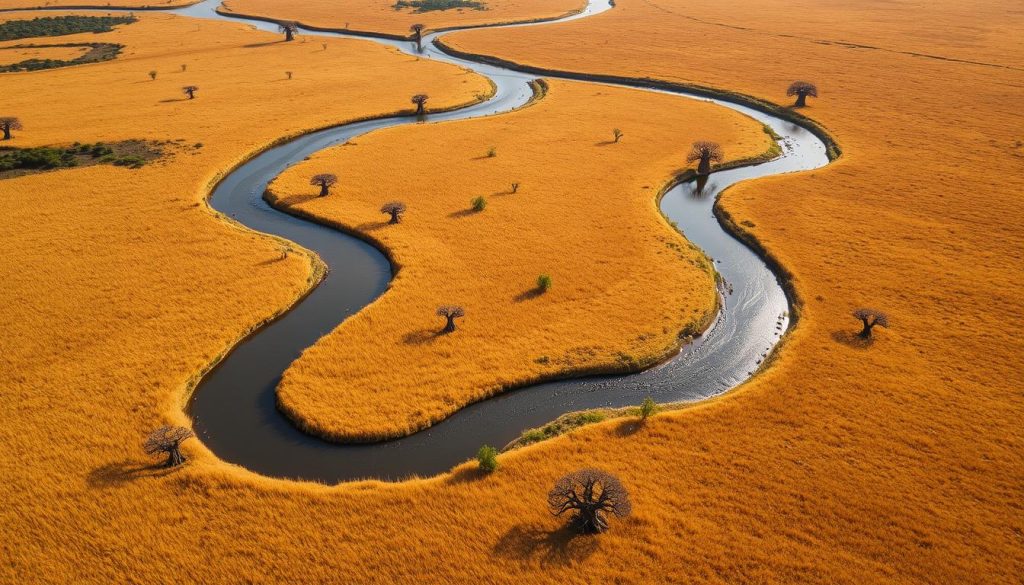
The life-giving Tarangire River winds through the park, becoming a wildlife magnet during dry months
The southern reaches of Tarangire feature extensive swamp networks that transform dramatically with the seasons. During the rains, these areas become impassable wetlands teeming with life. As the dry season progresses, they transition into verdant plains that attract grazers from miles around.
Perhaps most iconic are Tarangire’s ancient baobab trees, their massive silvery trunks and stubby branches creating a landscape that feels almost prehistoric. These remarkable trees, some over 600 years old, can store between 300-900 liters of water in their trunks – nature’s own reservoirs that sustain life through the harshest conditions.
Tarangire Weather and Best Time to Visit
Tarangire’s climate follows distinct seasonal patterns that dramatically influence wildlife behavior and viewing opportunities. Understanding these rhythms is essential for planning a safari that aligns with your wildlife viewing priorities and comfort preferences.

Tarangire transforms dramatically between dry and wet seasons, each offering unique safari experiences
Seasonal Overview
| Season | Months | Temperature | Rainfall | Wildlife Viewing | Landscape |
| Dry Season (Peak) | June – October | 68°F-86°F (20°C-30°C) | Minimal | Excellent – concentrated at water sources | Golden savannah, sparse vegetation |
| Short Rains | November – December | 68°F-84°F (20°C-29°C) | Moderate, afternoon showers | Good – animals begin to disperse | Greening vegetation, clear mornings |
| Short Dry Season | January – February | 70°F-88°F (21°C-31°C) | Variable, some dry periods | Good – especially in northern areas | Mixed green and dry areas |
| Long Rains | March – May | 68°F-82°F (20°C-28°C) | Heavy, sometimes prolonged | Challenging – animals widely dispersed | Lush, vibrant green, some flooding |
Best Time for Wildlife Viewing
The dry season (June to October) offers the most spectacular wildlife concentrations in Tarangire. As water becomes scarce across the wider ecosystem, animals congregate along the Tarangire River and remaining water sources. During this period, you may witness:
- Massive elephant herds of 300+ individuals
- Large buffalo herds gathering at shrinking water sources
- Predators like lions and leopards patrolling near water where prey is concentrated
- Excellent visibility due to reduced vegetation
- Dramatic scenes at waterholes as animals compete for resources
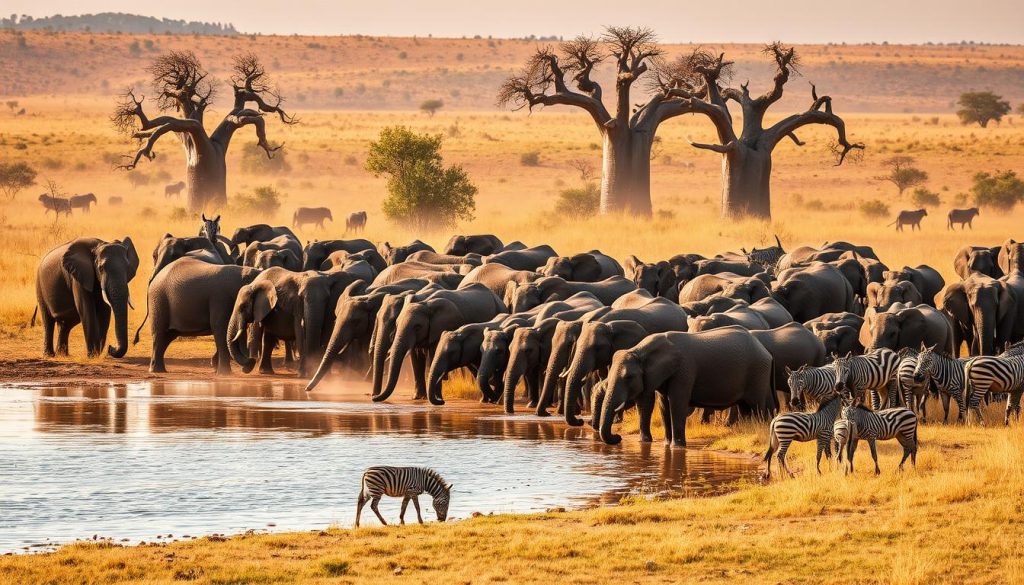
During the dry season, waterholes become stages for dramatic wildlife interactions
Best Time for Birdwatching
While Tarangire hosts over 550 bird species year-round, the wet season (November to May) transforms the park into a birder’s paradise. European migrants join resident species, and many birds display breeding plumage. This period offers:
- Maximum bird diversity with migratory species present
- Breeding displays and nesting activities
- Vibrant breeding plumage
- Lush habitats supporting diverse bird populations
Best Time for Photography
Each season offers distinct photographic opportunities in Tarangire:
Dry Season (June-October)
- Dramatic wildlife concentrations
- Dust-enhanced golden hour light
- Clear skies and consistent lighting
- Stark contrast between baobabs and landscape
Wet Season (November-May)
- Dramatic stormy skies and rainbows
- Lush, vibrant green landscapes
- Flowering plants and trees
- Fewer visitors in your shots

Tarangire’s dramatic light and iconic landscapes offer photographers endless creative opportunities
Ready to experience Tarangire’s seasonal magic?
Our safari specialists can help you plan the perfect visit based on your wildlife interests and preferred season.
Wildlife and Safari Experience in Tarangire National Park
Tarangire’s diverse habitats support an extraordinary array of wildlife, creating safari experiences that rival Tanzania’s more famous parks but with fewer crowds. From the massive elephant herds that have made Tarangire famous to the elusive predators that stalk its plains, the park offers wildlife encounters that will remain etched in your memory long after you’ve returned home.
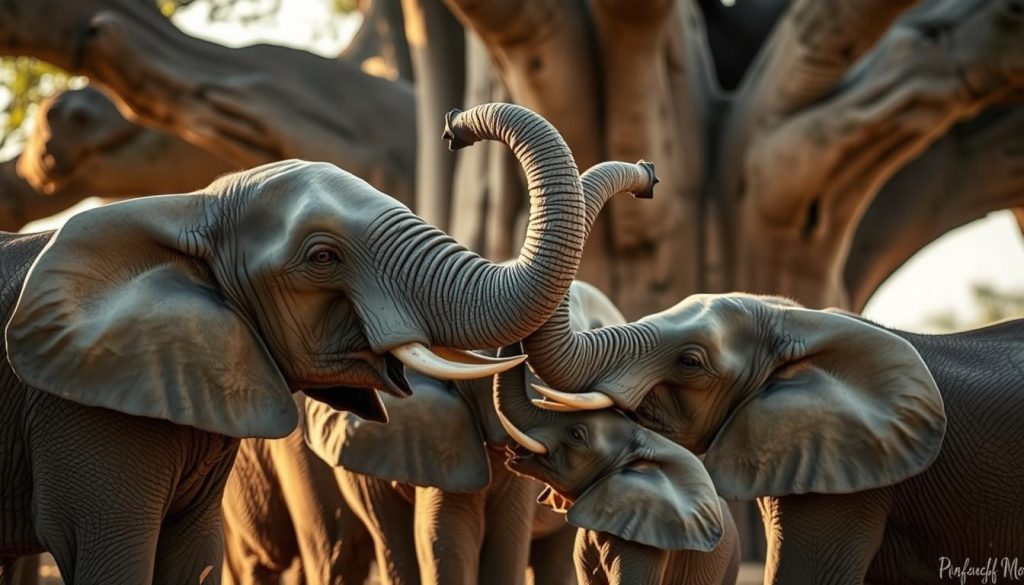
Tarangire’s elephants display complex social behaviors, with family bonds that last a lifetime
Tarangire’s Elephant Kingdom
Tarangire hosts one of Africa’s largest elephant populations, with herds sometimes numbering 300 individuals. During the dry season, these magnificent creatures gather along the Tarangire River, creating unforgettable scenes as family groups interact, young calves play, and massive bulls assert their dominance.
What makes Tarangire’s elephants particularly special is the opportunity to observe their natural behaviors in an uncrowded setting. Watch as they:
- Dig in dry riverbeds to access underground water
- Strip bark from baobab trees with their tusks
- Dust-bathe to protect their skin from parasites
- Communicate through complex vocalizations and body language
- Demonstrate remarkable family bonds and social structures
Beyond Elephants: Tarangire’s Diverse Wildlife
Predators
- Lions (particularly in the park’s open southern areas)
- Leopards (often spotted in the Matete Woodlands)
- Cheetahs (in open grassland areas)
- Spotted hyenas (common throughout the park)
- Wild dogs (rare but occasional sightings)
- Smaller predators including serval cats and caracals
Herbivores
- Buffalo (large herds during dry season)
- Wildebeest and zebra (part of the mini-migration)
- Giraffes (browsing among acacia trees)
- Waterbuck, impala, and gazelles
- Greater and lesser kudu (in woodland areas)
- Rare species like fringe-eared oryx and gerenuk

Lion prides thrive in Tarangire’s southern regions where prey is abundant
Tarangire’s Mini-Migration
While the Serengeti’s wildebeest migration gets more attention, Tarangire hosts its own impressive wildlife movement. During the dry season (June-October), approximately 250,000 animals migrate into the park seeking water, creating one of Tanzania’s highest wildlife densities outside the Serengeti ecosystem.
This seasonal influx includes:
- Wildebeest and zebra herds
- Large numbers of gazelles and hartebeest
- Buffalo congregations near remaining water
- Predators following the herbivore movements
Birdwatcher’s Paradise
With over 550 bird species recorded, Tarangire ranks among East Africa’s premier birding destinations. The park’s diverse habitats support both residents and migrants, with specialties including:
Notable Species
- Yellow-collared lovebirds (endemic to Tanzania)
- Ashy starlings (endemic to Tanzania)
- Northern pied babblers
- Rufous-tailed weavers
- Martial eagles and bateleurs
- Kori bustards (Africa’s heaviest flying bird)
Prime Birding Locations
- Silale Swamps (waterbirds and waders)
- Tarangire River (kingfishers and fish eagles)
- Lemiyon Triangle (raptors and quelea flocks)
- Acacia woodlands (hornbills and starlings)
- Baobab trees (nesting sites for many species)
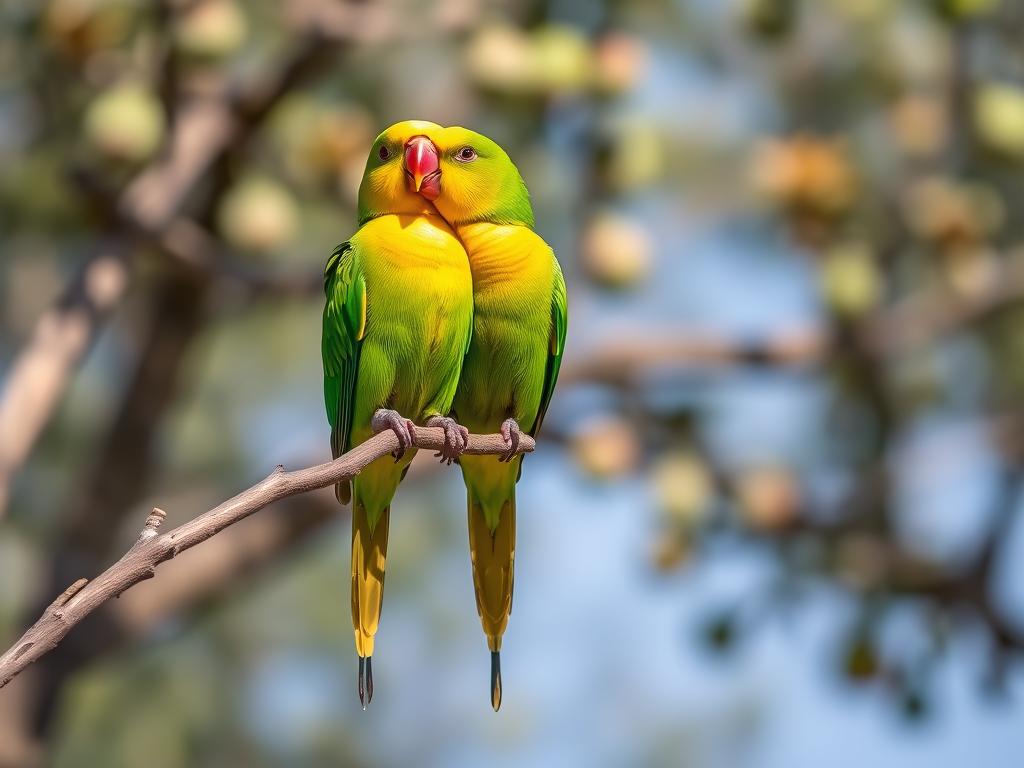
Yellow-collared lovebirds are among Tarangire’s most colorful endemic bird species
Safari Activities in Tarangire
Game Drives
The classic safari experience, game drives allow you to cover significant ground in search of wildlife. In Tarangire, both full-day and half-day drives are available, with early morning and late afternoon offering optimal wildlife viewing.

Walking Safaris
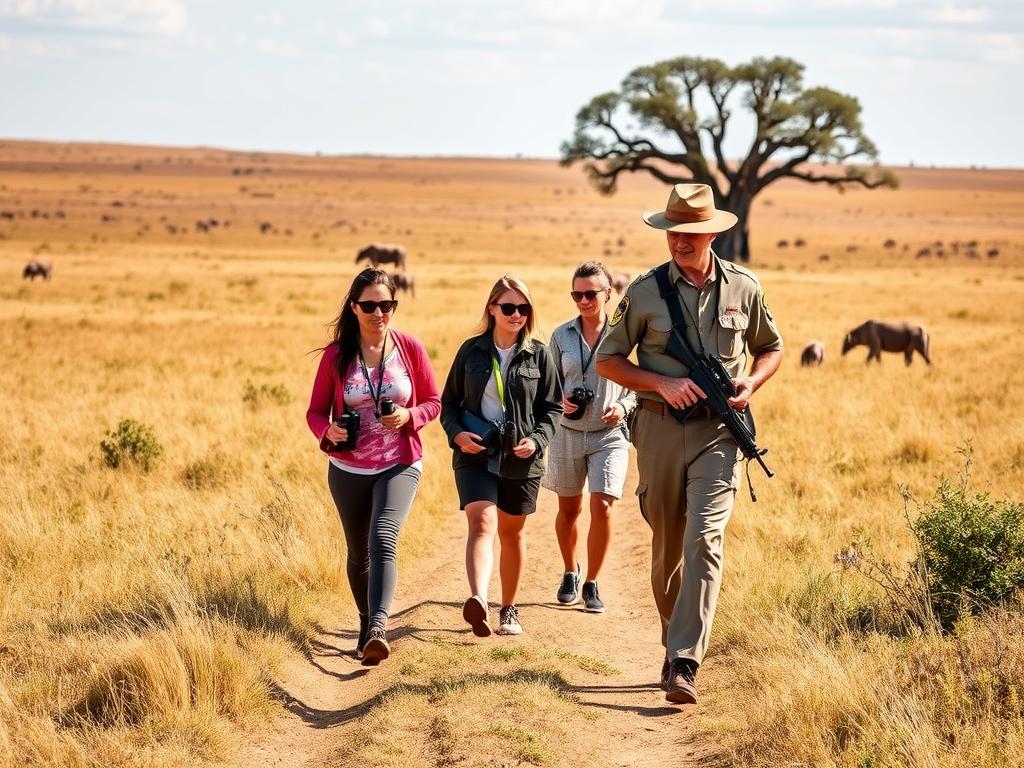
For a more intimate connection with the environment, walking safaris allow you to experience the bush at ground level. Accompanied by armed rangers and expert guides, these walks reveal the smaller details of the ecosystem often missed from vehicles.
Night Game Drives
Available only in certain areas of Tarangire, night drives reveal the park’s nocturnal residents. With the aid of spotlights, you might encounter aardvarks, genets, civets, and nightjars, plus predators on their evening hunts.

Hot Air Balloon Safaris
For an unforgettable perspective, hot air balloon safaris offer a bird’s-eye view of Tarangire’s landscapes and wildlife. Drifting silently above the savannah at dawn, you’ll witness the park awakening as the first light illuminates herds below and predators returning from night hunts.

Balloon safaris offer breathtaking perspectives of Tarangire’s landscapes and wildlife
Experience Tarangire’s wildlife spectacle
From massive elephant herds to intimate bird encounters, our tailored safaris connect you with Tarangire’s wild heart.
Where to Stay: Tarangire’s Exceptional Accommodations
Tarangire offers a range of accommodation options that blend seamlessly with the natural environment while providing comfort and authentic safari experiences. From luxury lodges perched on escarpments to intimate tented camps where canvas walls are all that separate you from the wilderness, each property offers its own unique perspective on this remarkable ecosystem.
Tarangire Treetops Lodge: Sleep Among the Baobabs
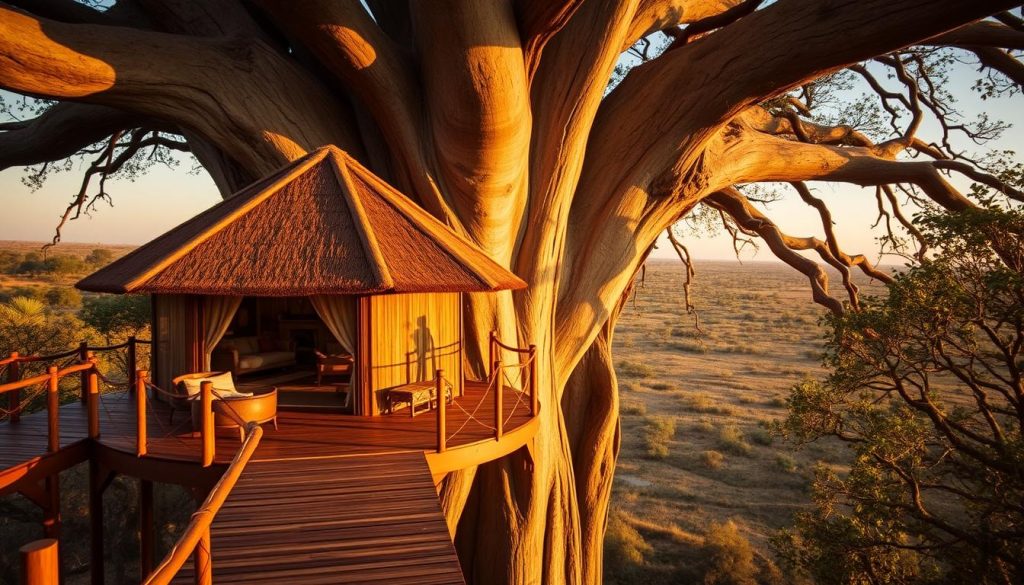
Tarangire Treetops Lodge offers unique accommodations built around ancient baobab trees
For a truly magical experience, Tarangire Treetops offers accommodations unlike any other. This exceptional property features treehouse-style suites built around ancient baobab and marula trees, with elevated platforms that provide panoramic views across the savannah.
Accommodation Highlights
- 20 treehouse suites elevated 5-10 meters above ground
- Spacious 65 sq meter rooms with private balconies
- Open-front rooms offering immersive wildlife viewing
- En-suite bathrooms with double shower
- Traditional African décor with modern comforts
Experiences
- Game drives in Tarangire National Park
- Night game drives in private concession
- Walking safaris with Maasai guides
- Bush dinners under baobab trees
- Sundowners overlooking the Tarangire ecosystem
Sleep among the ancient baobabs
Experience the magic of Tarangire Treetops Lodge with our exclusive packages.
Elephant Lodge Tarangire: Luxury Amid the Wilderness

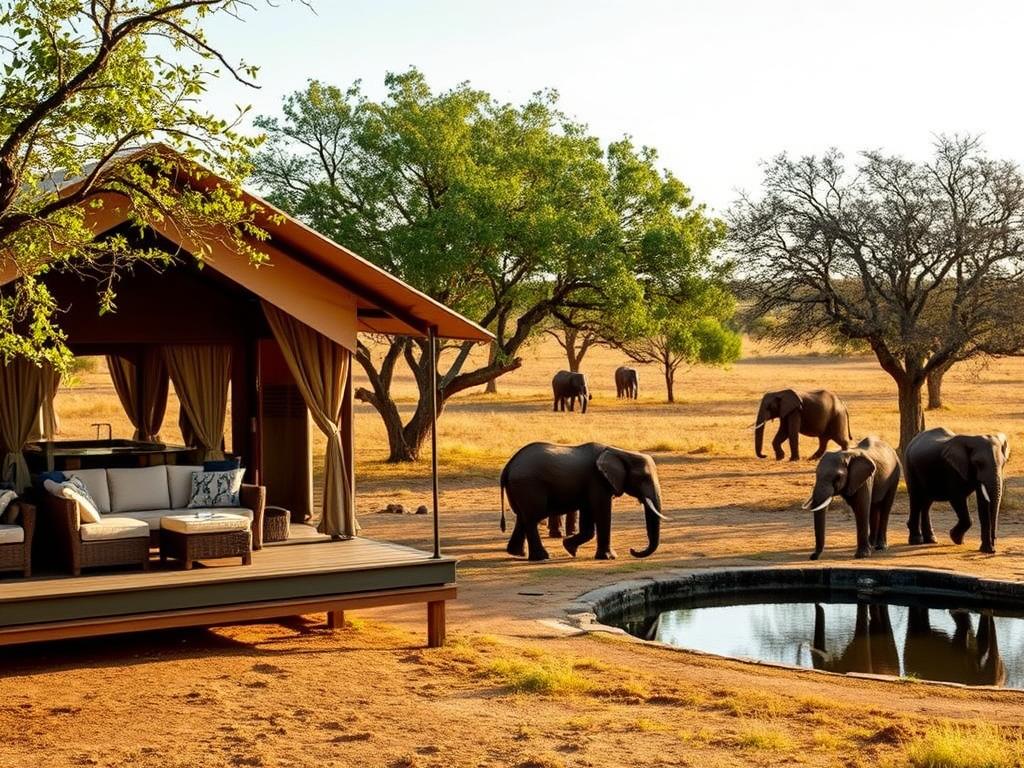
Elephant Lodge Tarangire offers luxury tented suites with frequent wildlife visitors
Set in a private concession bordering Tarangire National Park, Elephant Lodge combines luxury with an authentic wilderness experience. The property is renowned for its frequent elephant visitors, who often drink from the lodge’s watering hole just meters from the dining area.
Accommodation Highlights
- 12 spacious luxury tents on elevated wooden platforms
- Private verandas overlooking the savannah
- En-suite bathrooms with indoor and outdoor showers
- Solar power and eco-friendly design
- Communal lounge and dining area with watering hole views
Experiences
- Game drives in Tarangire National Park
- Guided nature walks in the concession
- Cultural visits to local Maasai villages
- Photographic hides overlooking waterholes
- Stargazing with expert guides
Immerse yourself in elephant country
Book your stay at Elephant Lodge for unforgettable wildlife encounters.
Tarangire Balloon Camp: Soar Above the Savannah

Tarangire Balloon Camp combines luxury accommodations with unforgettable balloon safari experiences
For those seeking both comfort and adventure, Tarangire Balloon Camp offers the perfect combination. This intimate property specializes in hot air balloon safaris over the park, providing a unique perspective on Tarangire’s landscapes and wildlife.
Accommodation Highlights
- 10 luxury safari tents with private verandas
- En-suite bathrooms with hot showers
- Comfortable beds with premium linens
- Solar lighting and charging facilities
- Central dining tent with lounge area
Experiences
- Sunrise hot air balloon safaris
- Champagne bush breakfasts after balloon flights
- Game drives in Tarangire National Park
- Guided bird watching excursions
- Evening campfires with storytelling
Experience Tarangire from above
Combine luxury accommodations with unforgettable balloon safaris.
Other Notable Accommodations
Oliver’s Camp
An intimate, authentic tented camp in a remote area of Tarangire, offering excellent guiding and walking safaris.

Kuro Tarangire
A stylish, eco-conscious camp in a secluded area of the park, known for its excellent walking safaris and minimal environmental footprint.

Swala Camp
A luxurious camp in the remote southern region of Tarangire, offering exceptional privacy and wildlife viewing around its permanent waterhole.
Find your perfect Tarangire accommodation
From luxury lodges to authentic tented camps, we’ll help you select the ideal base for your safari adventure.
Tarangire Park Fees and Practical Information
Planning a visit to Tarangire requires understanding the various fees and practical considerations. This information will help you budget appropriately and prepare for a smooth safari experience.
Tarangire National Park Fees (2023-2024)
| Fee Type | Non-Resident Adult | Non-Resident Child (5-16) | East African Resident Adult | East African Resident Child | Tanzanian Citizen Adult | Tanzanian Citizen Child |
| Conservation Fee (24 hours) | $53 | $18 | $30 | $10 | 10,000 TZS | 2,000 TZS |
| Vehicle Fee (per vehicle per day) | $40 (foreign registered) | – | $15 (TZ registered) | – | $15 (TZ registered) | – |
| Walking Safari Fee | $20 | $10 | $15 | $7 | 5,000 TZS | 2,000 TZS |
| Night Game Drive | $50 | $25 | $40 | $20 | 20,000 TZS | 10,000 TZS |
| Camping Fee (public campsite) | $30 | $10 | $20 | $5 | 10,000 TZS | 5,000 TZS |
Important Notes on Park Fees:
- All fees are valid for 24 hours from time of entry
- Fees must be paid in advance through the Tanzania Wildlife Authority (TAWA) online system
- Credit cards are accepted at main gates, but cash (USD) is recommended as backup
- Children under 5 years enter free of charge
- Fees are subject to change; confirm current rates before travel
Park Rules and Regulations
Permitted Activities
- Game drives on designated roads
- Walking safaris with authorized guides only
- Photography (no commercial photography without permit)
- Picnics at designated sites
- Camping at official campsites only
Prohibited Activities
- Off-road driving
- Approaching animals closer than 25 meters
- Feeding or disturbing wildlife
- Littering or removing any natural materials
- Walking unaccompanied outside designated areas
Park Hours and Access
Tarangire National Park gates are open from 6:30 AM to 6:30 PM daily. All vehicles must exit the park by closing time unless staying at accommodations within the park boundaries. The main entry points are:
- Main Gate – Primary entrance in the north, closest to Arusha
- Matete Gate – Eastern entrance
- Sangaiwe Gate – Northwestern entrance
- Boundary Hill Gate – Southern entrance (seasonal)

The main entrance gate to Tarangire National Park welcomes visitors to this elephant paradise
Booking Your Tarangire Safari
Most visitors experience Tarangire as part of a package safari arranged through a tour operator. This typically includes:
- Transportation in a 4×4 safari vehicle
- Professional guide services
- Park entrance fees
- Accommodation arrangements
- Meals and non-alcoholic beverages
Independent travelers can also visit Tarangire by renting a vehicle in Arusha, though this requires advance planning for permits and accommodations.
Ready to plan your Tarangire adventure?
Our safari specialists will handle all permits, fees, and logistics for a seamless experience.
Beyond Game Drives: Activities and Attractions in Tarangire
While game drives form the backbone of most Tarangire safaris, the park and surrounding areas offer a wealth of additional activities and attractions that provide different perspectives on this remarkable ecosystem and the cultures that have called it home for generations.
Hot Air Balloon Safaris
For an unforgettable perspective on Tarangire’s landscapes and wildlife, hot air balloon safaris offer a magical experience. Launching at dawn, these silent flights drift over the park as the first light illuminates herds below and predators returning from night hunts.
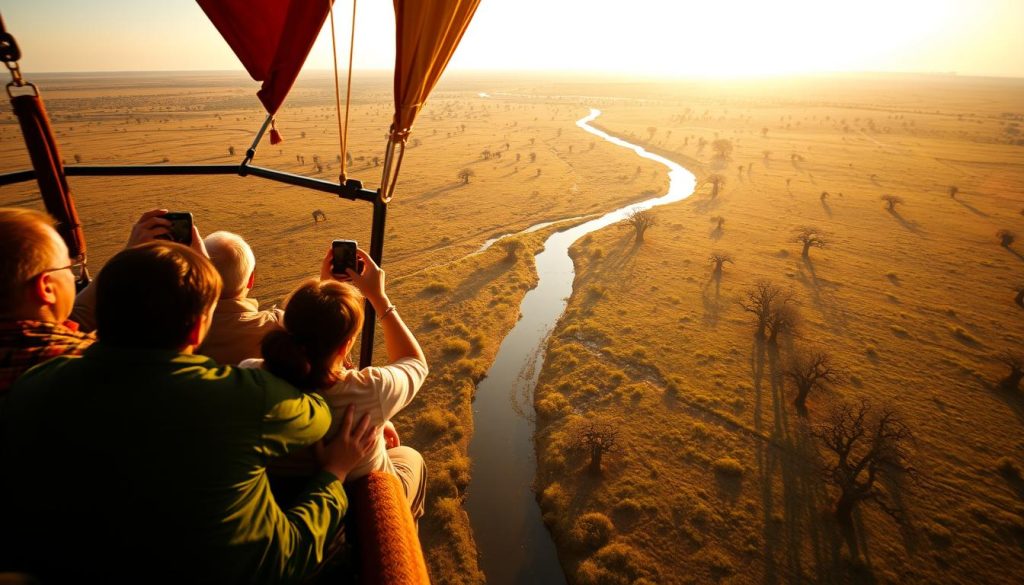
Balloon safaris offer a peaceful, bird’s-eye perspective of Tarangire’s landscapes and wildlife
A typical balloon safari includes:
- Pre-dawn pickup from your accommodation
- Fascinating inflation process as the balloon comes to life
- 60-90 minute flight over diverse landscapes
- Champagne breakfast in the bush after landing
- Certificate of completion
Experience Tarangire from above
Book your hot air balloon safari for an unforgettable perspective.
Cultural Visits to Maasai Villages
The lands surrounding Tarangire have been home to Maasai communities for centuries. Cultural visits offer insights into their traditional pastoralist lifestyle and how they have adapted to coexist with wildlife.

Maasai cultural visits offer insights into traditional lifestyles that have existed alongside wildlife for generations
A typical Maasai village visit includes:
- Traditional welcome dance and ceremonies
- Tour of a traditional boma (homestead)
- Demonstrations of fire-making and traditional medicine
- Insights into cattle herding and pastoralist lifestyle
- Opportunity to purchase authentic Maasai crafts
Responsible Cultural Tourism: Choose operators who work directly with Maasai communities and ensure fair compensation. Respect photography guidelines and ask permission before taking photos of individuals.
Specialized Photography Safaris
Tarangire’s dramatic landscapes, iconic baobabs, and abundant wildlife make it a photographer’s paradise. Specialized photography safaris cater to both beginners and experienced photographers.
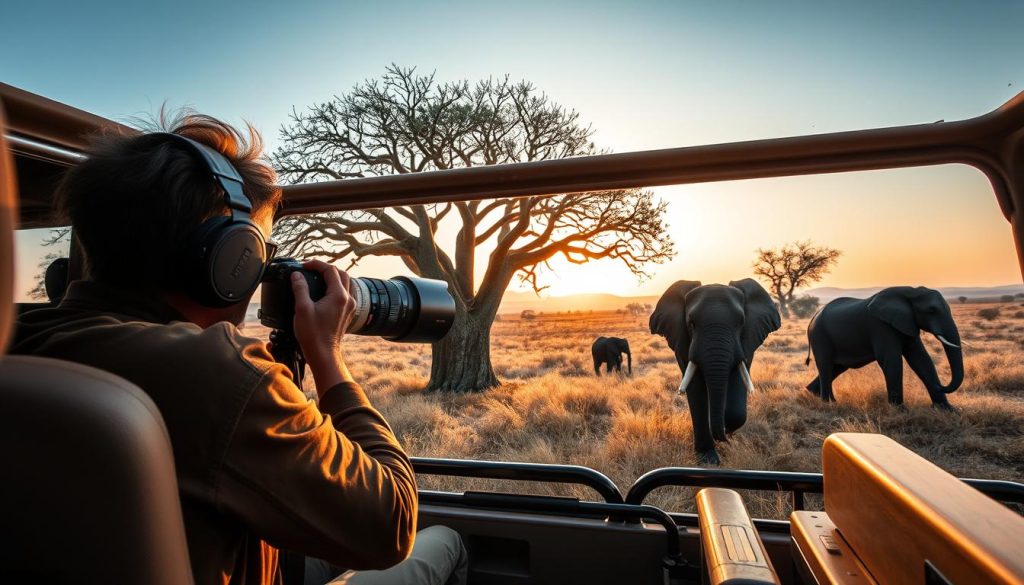
Specialized photography safaris provide optimal opportunities to capture Tarangire’s wildlife and landscapes
These tailored experiences typically include:
- Vehicles specifically designed for photographers
- Flexible timing to capture optimal light
- Longer stays at sightings for composition opportunities
- Expert guides who understand photographers’ needs
- Some include professional photography instruction
Silale Swamps
The extensive Silale Swamps in southern Tarangire act like a giant sponge, soaking up water during the rainy season and slowly releasing it during dry months. This critical ecosystem attracts diverse wildlife and offers some of the park’s most dramatic wildlife concentrations.

Silale Swamps become wildlife magnets during the dry season, attracting diverse species
Wildlife frequently observed at Silale includes:
- Large elephant herds digging for water
- Buffalo congregations
- Lions patrolling for prey
- Diverse waterbirds including storks and herons
- Rare sightings of wild dogs and cheetahs
Poacher’s Hide
This famous ancient baobab tree features a hidden entrance and interior chamber once used by poachers as a hideout. Located southwest of Tarangire Hill, this massive tree is approximately 10 meters in diameter and estimated to be over 300 years old.
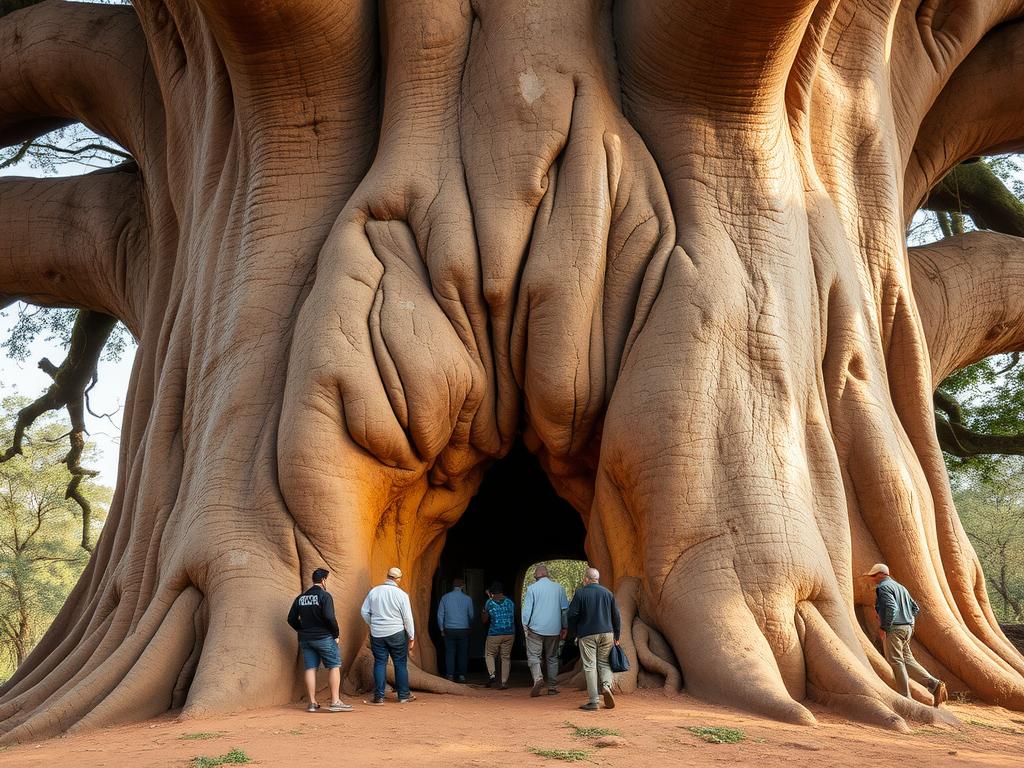
The Poacher’s Hide baobab tree offers a glimpse into Tarangire’s complex conservation history
Tarangire River
The park’s namesake river serves as its lifeblood, providing a critical water source during dry months. Game drives along the river offer exceptional wildlife viewing as animals gather to drink and cool off.

The life-giving Tarangire River attracts diverse wildlife, especially during the dry season
The river corridor is particularly known for:
- Elephant herds digging in the riverbed for water
- Predator sightings as they target prey coming to drink
- Large crocodiles in deeper sections
- Diverse birdlife including fish eagles and kingfishers
- Beautiful riverine forests along the banks
Travel Tips and Recommendations for Tarangire
Proper preparation ensures your Tarangire safari is comfortable, rewarding, and respectful of both the natural environment and local communities. These practical tips will help you make the most of your adventure in elephant country.
What to Pack for Tarangire
Clothing
- Neutral-colored clothing (beige, khaki, olive)
- Lightweight, breathable fabrics
- Long-sleeved shirts and pants (for sun/insect protection)
- Warm layer for cool mornings/evenings
- Rain jacket (if visiting during wet season)
- Sturdy, closed walking shoes
- Wide-brimmed hat for sun protection
Safari Essentials
- High-quality binoculars
- Camera with zoom lens
- Extra memory cards and batteries
- Daypack for game drives
- Reusable water bottle
- Sunglasses with UV protection
- Flashlight or headlamp
Health & Safety
- High-SPF sunscreen
- Insect repellent with DEET
- Basic first aid kit
- Prescription medications
- Hand sanitizer
- Malaria prophylaxis (consult doctor)
- Travel insurance documents

Proper safari attire and equipment enhance both comfort and wildlife viewing experiences
Health and Safety
Medical Preparations
- Consult a travel doctor 4-8 weeks before departure
- Ensure routine vaccinations are up-to-date
- Consider vaccinations for hepatitis A, typhoid
- Discuss malaria prophylaxis options
- Carry personal medications in original containers
Safety in the Park
- Always follow guide instructions
- Remain in vehicle except at designated areas
- Keep appropriate distance from wildlife
- Secure tent/room zippers to prevent wildlife entry
- Use caution around camp at night
Wildlife Safety: Remember that Tarangire is home to wild animals that can be unpredictable and dangerous. Never approach animals, maintain silence when animals are close, and always follow your guide’s instructions.
Planning a Multi-Day Itinerary
Tarangire deserves more than a quick visit. Consider these sample itineraries to maximize your experience:
3-Day Tarangire Focus
- Day 1: Afternoon arrival, game drive along Tarangire River
- Day 2: Full-day exploration of central and southern regions
- Day 3: Morning balloon safari, afternoon departure
5-Day Northern Circuit
- Day 1-2: Tarangire National Park
- Day 3: Lake Manyara National Park
- Day 4-5: Ngorongoro Conservation Area
7-Day Tanzania Highlights
- Day 1-2: Tarangire National Park
- Day 3: Lake Manyara National Park
- Day 4: Ngorongoro Crater
- Day 5-7: Serengeti National Park
Responsible Tourism in Tarangire
Ensuring Tarangire remains pristine for future generations requires responsible tourism practices:
- Choose operators committed to sustainable practices and fair community partnerships
- Respect wildlife by maintaining appropriate distances and minimizing noise
- Never feed animals or leave food accessible
- Take all trash with you, including biodegradable items
- Conserve water, particularly in this drought-prone region
- Support local communities through authorized cultural visits and purchasing authentic crafts
- Consider carbon offset programs for your flights
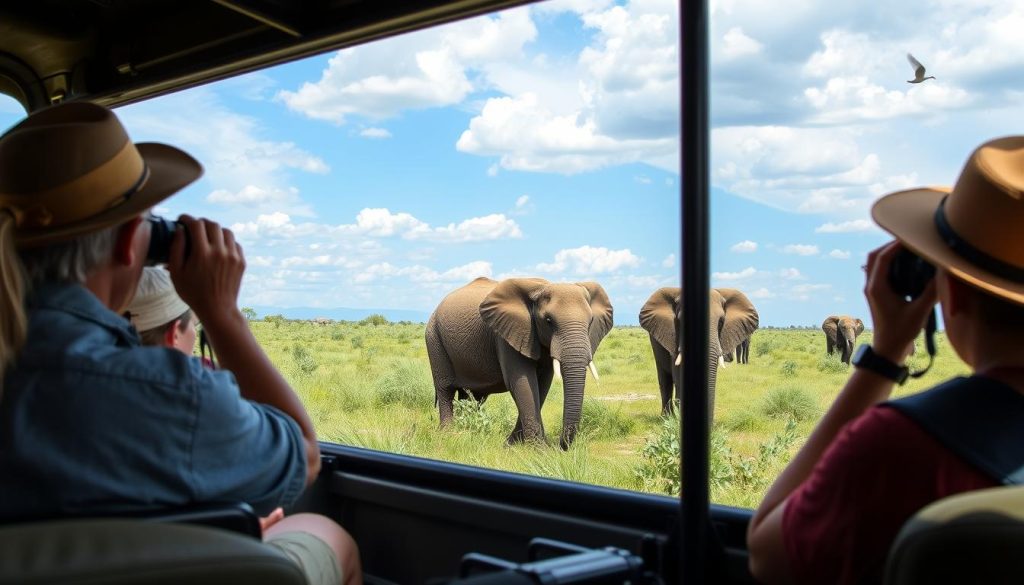
Responsible wildlife viewing ensures Tarangire’s ecosystems remain healthy for future generations
Ready for your Tarangire adventure?
Our safari specialists will help you plan the perfect itinerary based on your interests, timeframe, and budget.
Conclusion: The Enduring Magic of Tarangire
As the golden light of evening bathes Tarangire’s ancient baobabs in amber hues, and elephant herds move silently across the savannah toward the life-giving river, visitors often find themselves transformed by the experience. This is a place where nature’s rhythms continue largely as they have for millennia, where the wild heart of Africa beats strong and true.
Tarangire offers something increasingly rare in our modern world – a genuine wilderness where humans are merely visitors in an ecosystem shaped by elephants, nourished by seasonal rains, and governed by the ancient dance of predator and prey. Whether you come for the spectacular elephant herds, the iconic baobab-studded landscapes, or the sense of peace that descends when you disconnect from the modern world, Tarangire rewards with experiences that resonate long after you’ve returned home.

As the sun sets over Tarangire’s timeless landscapes, visitors carry away memories that last a lifetime
Unlike the more famous parks on Tanzania’s northern circuit, Tarangire offers a more intimate safari experience. Here, you might find yourself the only vehicle at a spectacular wildlife sighting. You can linger with a herd of elephants, observing their complex social interactions without interruption. You can sit in silence as the dawn chorus of birds welcomes a new day, or watch in awe as the Milky Way stretches across some of Africa’s darkest skies.
Whether as a standalone destination or part of a broader Tanzanian safari, Tarangire deserves its place among Africa’s most rewarding wildlife experiences. Its seasonal rhythms, diverse habitats, and remarkable biodiversity create a safari destination that reveals new wonders with each visit. As the ancient baobabs stand witness to the passing seasons, Tarangire continues to captivate those fortunate enough to explore its wild heart.
Begin your Tarangire journey
Let us craft a safari experience that connects you with the wild soul of Tanzania.