Tanzania’s rhythmic dance between wet and dry seasons orchestrates the heartbeat of the savanna. The rains that sweep across this ancient land are not merely weather patterns but life-giving forces that transform dusty plains into emerald carpets teeming with new life. Understanding Tanzania’s rainy seasons is essential for travelers seeking to witness the raw beauty of Africa at its most vibrant and authentic. As the skies open and waters cascade from above, a different Tanzania emerges – one of lush abundance, dramatic skies, and wildlife dramas unfolding against breathtaking backdrops. Join us as we explore the soul-stirring beauty of Tanzania during its rainy seasons, when fewer travelers venture forth and the wilderness reveals its most intimate secrets.
Tanzania‘s Two Rainy Seasons Masika and Vuli
Dramatic storm clouds gather over the Serengeti during the long rains (Masika)
Tanzania experiences two distinct rainy seasons that shape its landscapes and wildlife patterns throughout the year. The primary wet periods are locally known by their Swahili names, reflecting their deep significance in East African culture.
The Long Rains (Masika)
The main rainy season, known as Masika or “the long rains,” typically begins in mid-March and continues through May. During this period, Tanzania experiences its heaviest and most consistent rainfall. Afternoon tropical downpours become the norm, with rain often falling in intense bursts rather than continuous drizzle. These rains are heavier and more predictable along the coastal regions and islands like Zanzibar. Humidity levels rise significantly, and daily temperatures reach the low to mid-30°C (86-95°F) range.
The Short Rains (Vuli)
The second rainy period, Vuli or “the short rains,” arrives between November and mid-January. These rains are considerably lighter and less reliable than the long rains. They often manifest as brief afternoon showers rather than the sustained downpours of Masika. After the short rains, Tanzania typically experiences a brief dry period during January and February before the cycle begins anew with the long rains in March.

The Ngorongoro Crater transforms into a lush paradise during the rainy seasons
Regional Variations in Tanzania’s Rainfall Patterns
Tanzania’s vast size and varied topography create distinct regional weather patterns across the country. Understanding these variations is crucial for planning your visit to specific destinations within Tanzania.
Northern Safari Circuit
The popular northern safari areas including Serengeti, Ngorongoro Crater, and Tarangire experience the classic dual rainy season pattern. However, rainfall in the Serengeti varies from north to south. The northern Serengeti typically receives more consistent rainfall throughout the year, while the southern and central Serengeti experience more pronounced wet and dry seasons. During Masika, some dirt roads in the parks may become challenging to navigate, but the major routes remain accessible with 4×4 vehicles.
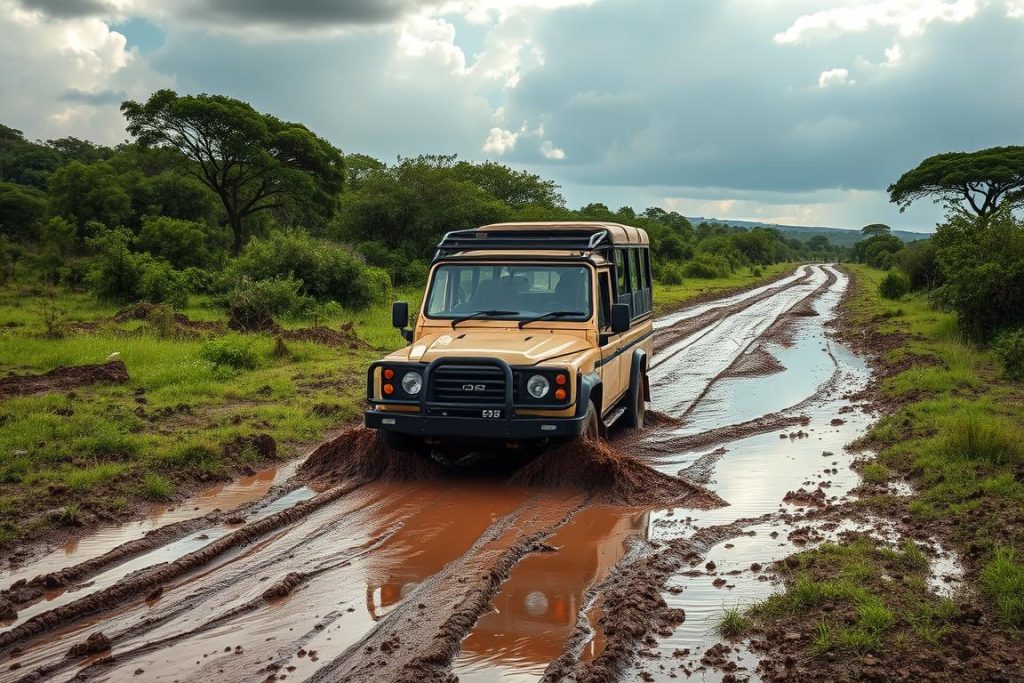
Safari vehicles are equipped to handle muddy conditions during the rainy seasons
Coastal Areas and Zanzibar
The tropical coast, including Dar es Salaam and the Zanzibar archipelago, experiences higher humidity and more reliable rainfall than inland areas. During Masika, coastal regions can receive heavy downpours, though these typically occur in the afternoon, leaving mornings clear for activities. The humidity remains high year-round, but especially during the rainy seasons when it can reach uncomfortable levels for those unaccustomed to tropical climates.

Afternoon rain showers in Zanzibar often clear quickly, revealing stunning skies
Southern and Western Tanzania
The southern parks like Nyerere (formerly Selous) and Ruaha experience a slightly different pattern. The rainy season here lasts longer than in the north, typically from December through April. These areas receive significantly less tourism during the wet months, as some camps close temporarily. However, this creates an exclusive wilderness experience for the adventurous traveler willing to visit during this verdant period.
Central Plateau and Highlands
Tanzania’s central plateau and highland areas, including parts of the Southern Highlands and areas around Mount Kilimanjaro, have their own microclimate. These regions are generally cooler and can experience mist and light rain even during the dry season. During the rainy seasons, the highlands become particularly lush and green, with waterfalls and streams flowing at their fullest.

Regional rainfall patterns across Tanzania during the wet seasons
Tanzania Rainy Season Affect Wildlife and the Great Migration
Tanzania’s rainy seasons dramatically influence wildlife behavior and create some of Africa’s most spectacular natural phenomena, including the famous Great Migration.

Wildebeest calving season coincides with the short rains in the southern Serengeti
The Great Migration and Calving Season
The short rains in November and December trigger one of nature’s most remarkable events. As fresh grass sprouts across the southern Serengeti plains, over 1.5 million wildebeest, accompanied by thousands of zebras and gazelles, move south from Kenya’s Maasai Mara. By January and February, during the short dry period, the wildebeest gathering reaches its peak in the southern Serengeti and Ndutu area.
This timing coincides perfectly with the calving season, when approximately 400,000 wildebeest calves are born within a remarkable 2-3 week period in February. This synchronized birthing is a survival strategy – predators can only consume so many calves, ensuring that the majority survive. Witnessing this spectacle of new life against the backdrop of the green plains is truly unforgettable.
Predator Activity
The rainy seasons create a fascinating dynamic between predators and prey. The abundance of young, vulnerable animals during and after the rains makes for exceptional predator sightings. Lions, cheetahs, leopards, and hyenas are highly active during this period, particularly around the calving grounds. The lush vegetation can sometimes make spotting predators more challenging, but when you do, you’re likely to witness dramatic hunting scenes rarely seen during the dry months.
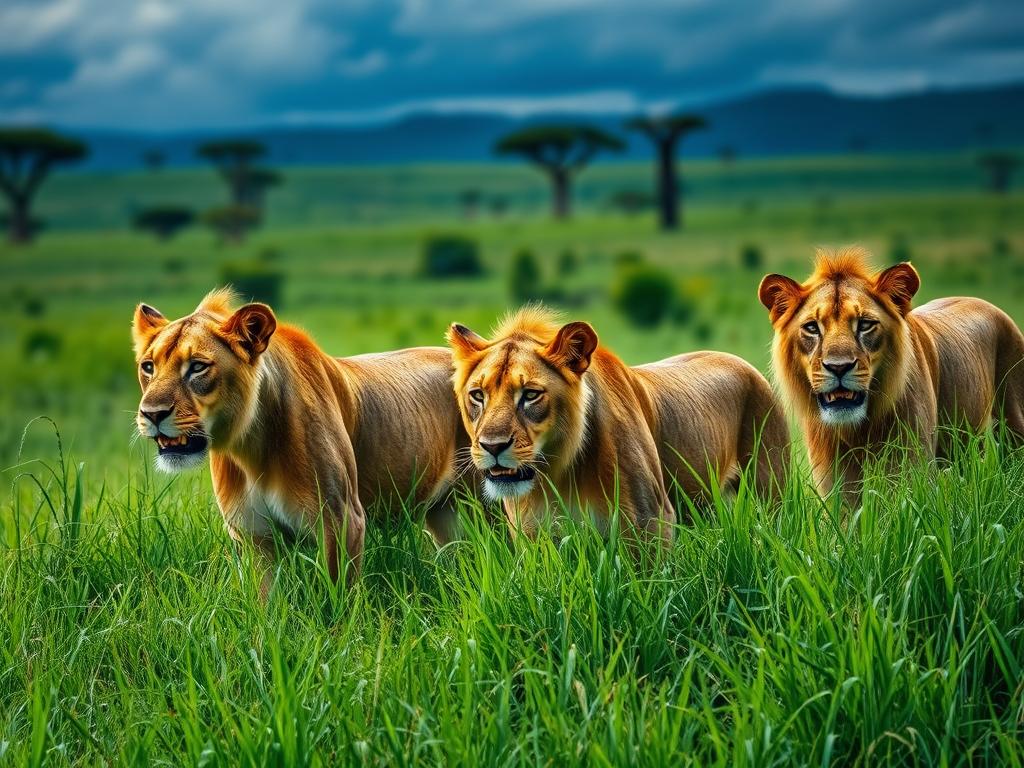
Predators like lions are highly active during the rainy seasons when prey is abundant
Bird Life Explosion
The rainy seasons transform Tanzania into a birdwatcher’s paradise. Migratory birds from Europe and Northern Africa arrive in huge numbers, and resident species display their breeding plumage. Waterbirds particularly thrive as seasonal ponds and lakes form. The Ngorongoro Crater’s lake edges teem with flamingos, while the wetlands attract herons, storks, and kingfishers. Even in typically dry areas like Tarangire, the landscape becomes dotted with water features that attract a spectacular variety of birdlife.

Migratory birds flock to Tanzania during the rainy seasons, creating spectacular birdwatching opportunities
General Wildlife Behavior
During the rainy seasons, wildlife disperses widely across the landscape as water becomes available everywhere. This contrasts with the dry season when animals concentrate around permanent water sources. While this dispersal can sometimes make game viewing more challenging, it also means you’ll often have sightings all to yourself, without the clusters of vehicles common in the dry season. Animals also appear healthier and more active with the abundance of food and water, and many species give birth during this period, offering wonderful opportunities to see young animals taking their first steps in the wild.

Elephant families thrive during the rainy seasons when vegetation is abundant
Weather Patterns: Temperature, Humidity, and Rainfall
| Season | Months | Temperature Range | Humidity | Rainfall Pattern |
| Long Rains (Masika) | Mid-March to May | 20-32°C (68-90°F) | High (70-90%) | Heavy afternoon downpours, can rain daily |
| Long Dry Season | June to October | 15-30°C (59-86°F) | Low to Moderate (40-60%) | Rare rainfall, clear skies |
| Short Rains (Vuli) | November to mid-January | 18-31°C (64-88°F) | Moderate to High (60-80%) | Brief afternoon showers, inconsistent |
| Short Dry Season | Mid-January to February | 20-33°C (68-91°F) | Moderate to High (60-80%) | Occasional showers, mostly dry |
Temperature Variations
Tanzania’s temperatures vary significantly by altitude and region. Coastal areas and islands remain warm year-round, with temperatures rarely dropping below 20°C (68°F), even during the rainy seasons. The northern safari circuit, at elevations between 1,000-2,000 meters (3,280-6,560 feet), experiences more moderate temperatures, with cooler nights especially during the dry season. The highlands around Ngorongoro Crater can be surprisingly cold, with nighttime temperatures occasionally approaching freezing during the dry season months of June and July.
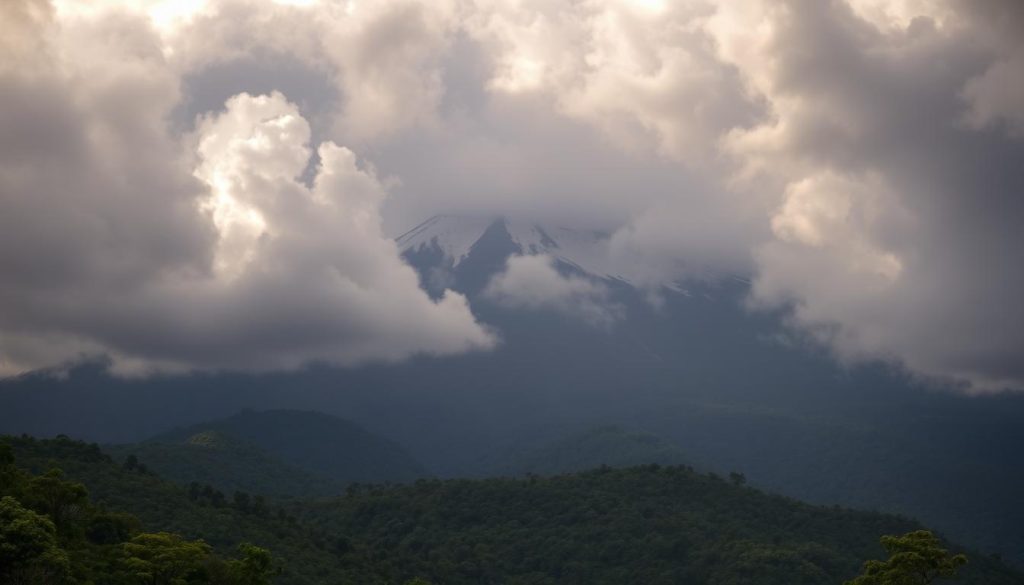
Mount Kilimanjaro creates its own weather patterns, especially during the rainy seasons
Humidity and Comfort Levels
Humidity levels peak during the rainy seasons, particularly along the coast where they can reach 90%. Inland areas experience more moderate humidity, making safari activities more comfortable. The long dry season (June-October) offers the lowest humidity levels throughout the country and is generally considered the most comfortable time for travelers unaccustomed to tropical climates. However, the lush beauty of the landscape during the rainy seasons compensates for any discomfort from higher humidity.
Rainfall Intensity and Timing
A common misconception about Tanzania’s rainy seasons is that it rains continuously all day. In reality, most rainfall occurs in the afternoon and early evening, often leaving mornings clear and sunny. During the long rains (Masika), downpours can be intense but typically last for a few hours rather than all day. The short rains (Vuli) are even more predictable, usually manifesting as brief afternoon showers that clear quickly, leaving behind refreshed landscapes and spectacular sunsets.

Spectacular sunsets often follow afternoon rain showers during the wet seasons
Practical Travel Advice for Tanzania’s Rainy Seasons
What to Pack
- Lightweight, quick-drying clothing that can be layered
- Quality waterproof rain jacket and pants
- Waterproof hiking boots or sturdy sandals
- Wide-brimmed waterproof hat
- Dry bags or waterproof cases for electronics
- Insect repellent (mosquitoes increase during rainy seasons)
- Anti-malarial medication (consult your doctor)
- Plastic zip-lock bags for protecting documents

Essential packing items for traveling during Tanzania’s rainy seasons
Road Conditions and Accessibility
During the rainy seasons, especially the long rains, some dirt roads can become challenging or impassable. The main roads connecting major cities remain accessible, but remote areas may require 4×4 vehicles with experienced drivers. In the national parks, rangers and guides are skilled at navigating wet conditions, but some tracks may be closed temporarily after heavy rainfall.
Southern and western parks like Nyerere and Katavi become more difficult to access during the height of the long rains, and some camps in these regions close from April to May. The northern safari circuit generally remains operational year-round, though certain areas may be temporarily inaccessible after particularly heavy downpours.

Experienced guides with 4×4 vehicles can navigate most wet-season conditions
Accommodation Considerations
Many luxury tented camps in southern and western Tanzania close during the peak of the long rains (April-May). However, permanent lodges throughout the country generally remain open year-round. During the rainy seasons, accommodations often offer significant discounts, sometimes up to 40% off high-season rates. When booking, look for rooms with covered verandas where you can enjoy watching afternoon thunderstorms while staying dry. Some lodges also offer cozy common areas with fireplaces, which can be particularly welcoming on cooler rainy evenings in highland areas.
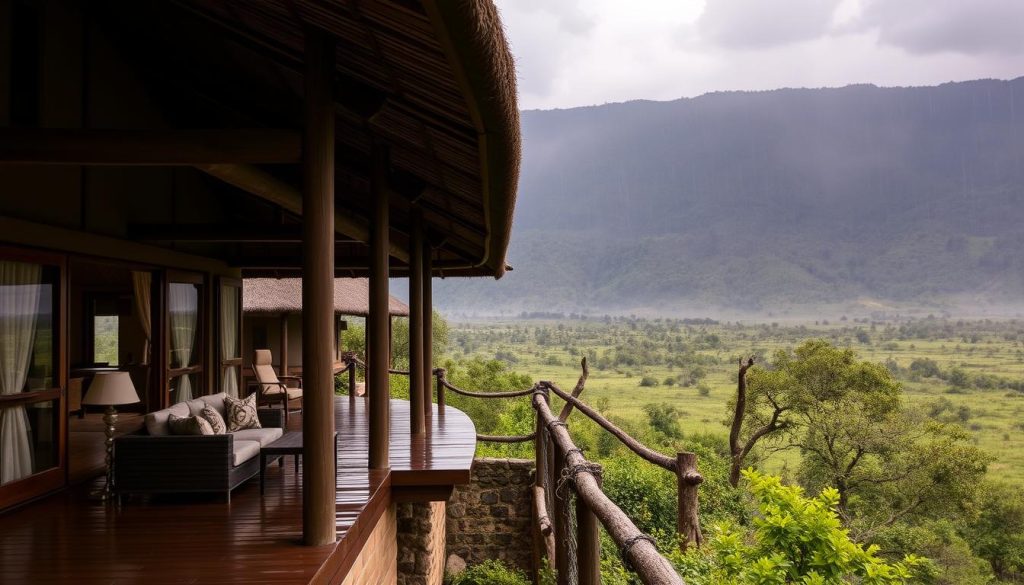
Many lodges offer covered viewing areas perfect for watching afternoon thunderstorms
Safari Activity Adjustments
During the rainy seasons, safari schedules often adapt to weather patterns. Early morning game drives take advantage of clear skies before afternoon showers arrive. Some activities, like walking safaris, may be limited during heavy rain periods for safety reasons. However, boat safaris become more available as seasonal rivers fill, offering a different perspective on wildlife. Photography enthusiasts particularly appreciate the rainy seasons for the dramatic skies, unique lighting conditions, and lush backgrounds that create stunning images.

Boat safaris become more widely available as seasonal rivers and lakes fill during the rains
Advantages of Visiting During Tanzania’s Rainy Seasons
Benefits of Rainy Season Travel
- Significantly lower prices for accommodations and tours
- Fewer tourists and vehicles in national parks
- Lush, green landscapes with dramatic skies for photography
- Exceptional birdwatching with migratory species present
- Chance to witness the wildebeest calving season (February)
- Clearer air with better visibility of distant mountains
- Vibrant wildflowers and blossoming trees
- More active wildlife due to abundant food and water
Challenges to Consider
- Some roads may become difficult to navigate
- Higher humidity, especially in coastal areas
- Increased mosquito activity requires vigilant protection
- Some remote camps close during peak rainy periods
- Certain activities may be canceled due to weather
- Wildlife can be more dispersed and harder to spot
- Unpredictable weather may affect flight schedules
- Some hiking trails become slippery and challenging
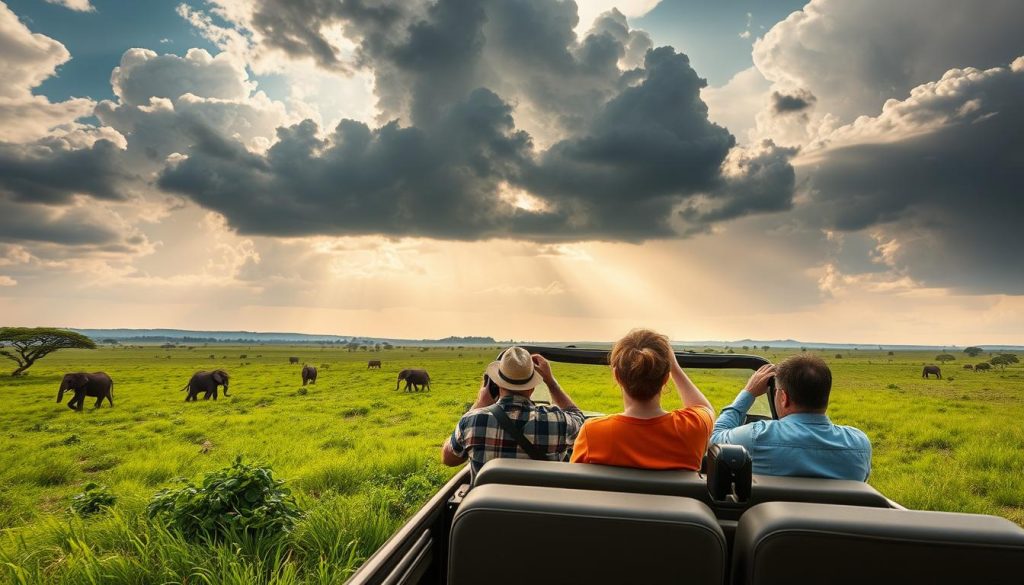
Fewer tourists during rainy seasons means more exclusive wildlife sightings
Photography Opportunities
The rainy seasons offer photographers some of Tanzania’s most dramatic and unique conditions. The combination of lush landscapes, dramatic storm clouds, and clear air creates opportunities for breathtaking images. Wildlife photography benefits from the green backgrounds that make animals stand out vibrantly. After rain showers, the quality of light becomes magical as sunbeams break through clouds, creating spotlight effects on the landscape. Rainbows are common, adding another element to landscape compositions. The moody atmosphere of approaching storms provides drama that’s absent during the dry months.

Rainbows frequently appear after showers, creating magical photographic moments
Cultural Significance
For Tanzanians, particularly those in agricultural communities, the rainy seasons hold profound cultural significance. The arrival of the rains is celebrated as a blessing that ensures crop growth and prosperity. In many communities, traditional ceremonies and prayers are conducted to welcome the rains. Visiting during these seasons provides insight into the agricultural rhythms that have shaped Tanzanian cultures for centuries. Local markets overflow with fresh produce, and the countryside buzzes with planting and harvesting activities, offering authentic glimpses into rural Tanzanian life rarely seen during the dry tourist seasons.
Health and Safety Considerations During Rainy Seasons
Essential Health Precautions
- Consult your doctor about anti-malarial medication before travel
- Use insect repellent containing DEET, especially in evenings
- Sleep under mosquito nets (most accommodations provide these)
- Wear long sleeves and pants in the evenings when mosquitoes are active
- Ensure your vaccinations are up-to-date, including yellow fever
- Carry water purification tablets or a portable filter
- Pack a comprehensive first-aid kit including anti-diarrheal medication

Essential health and safety items for rainy season travel in Tanzania
Weather Safety
Lightning storms can be intense during the rainy seasons. When outdoors, avoid open plains and isolated tall trees during thunderstorms. Most safari guides are well-trained in weather safety and will ensure you’re not exposed to dangerous conditions. Flash floods can occur in dry riverbeds after heavy rainfall, so avoid camping in or crossing wadis (dry riverbeds) during the rainy seasons. Always follow your guide’s advice regarding safe areas during storms.
Road Safety
If self-driving (which we don’t generally recommend during rainy seasons), be extremely cautious on wet roads. Avoid crossing flooded sections where you cannot see the road surface, as washouts are common. For organized safaris, professional drivers are experienced in handling wet conditions, but journey times may be longer than during dry seasons. Build flexibility into your itinerary to accommodate potential weather-related delays.
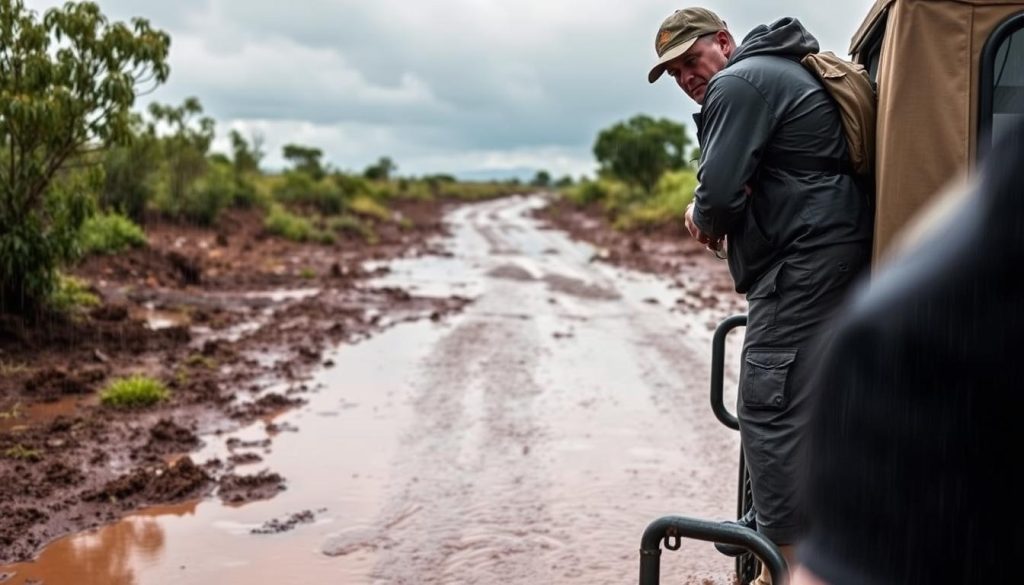
Experienced guides carefully assess road conditions before proceeding during rainy periods
Embracing Tanzania Rainy Season: A Different Kind of Magic
Tanzania’s rainy seasons offer a profoundly different experience from the popular dry months. While they present certain challenges, they also reveal a side of this magnificent country that many travelers never witness. The transformed landscapes, abundant wildlife activity, and dramatic skies create a sensory feast that remains etched in memory long after the journey ends.
For those willing to embrace occasional showers and muddy roads, the rewards are substantial: lower prices, fewer crowds, exclusive wildlife sightings, and landscapes bursting with life and color. The rainy seasons remind us that nature’s rhythms cannot be contained within neat tourist calendars – sometimes the most authentic experiences come when we step outside conventional timing and embrace the full spectrum of what a destination offers.
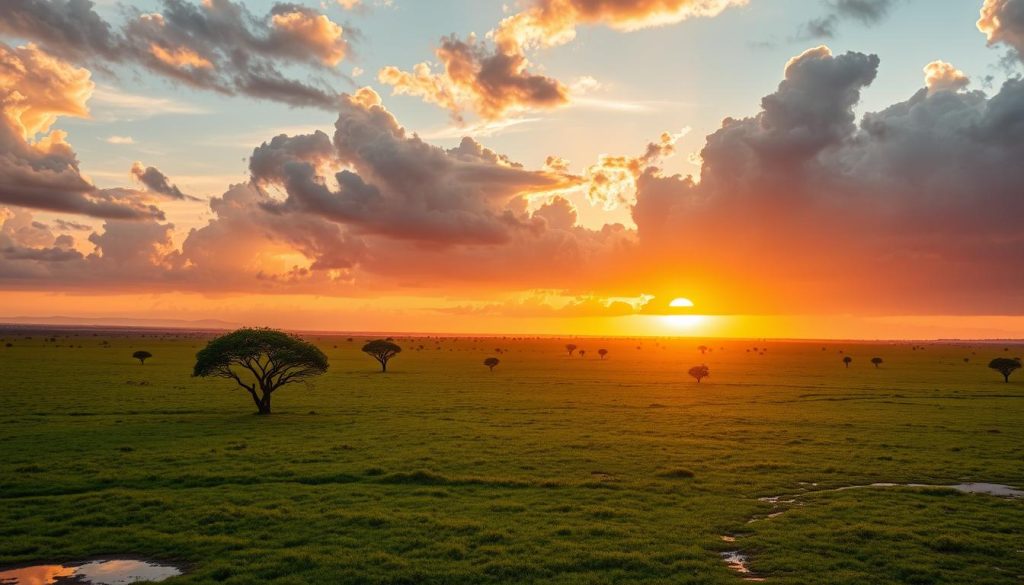
The unique beauty of Tanzania’s rainy seasons offers unforgettable experiences for adventurous travelers
Experience Tanzania’s Rainy Season Magic
Let us craft a custom safari that embraces the unique beauty of Tanzania during its verdant seasons. Our expert guides know exactly where to find spectacular wildlife sightings even during the rains, and our carefully selected lodges offer cozy comfort as you witness nature’s transformation.