Along Tanzania’s northeastern coastline lies Tanga, a captivating destination where time seems to move at its own gentle pace. As Tanzania’s third-largest city and second-most important port, Tanga offers a refreshing alternative to the country’s more frequented tourist destinations. Here, the whispers of history blend with coastal charm and natural splendor, creating an authentic Tanzanian experience that remains largely undiscovered by the masses. The wide, shady avenues lined with colonial architecture, pristine beaches kissing the Indian Ocean, and the rich tapestry of Swahili culture await those who venture to this corner of East Africa. Join us as we unveil the treasures of Tanga, where every sunset over the harbor tells a story of centuries past, and every morning breeze carries the promise of new discoveries.
The picturesque harbor of Tanga city, where traditional dhows sail against a backdrop of colonial architecture
Geographical Context: Where is Tanga?
Nestled on Tanzania’s northeastern coastline, Tanga occupies a strategic position along the Swahili Coast of the Indian Ocean. The region shares its northern border with Kenya, making it a gateway between the two East African nations. As the capital of Tanga Region, the city serves as an administrative and commercial hub for the surrounding areas, including the Usambara Mountains that rise majestically to the west.
Tanga enjoys a tropical climate with two distinct rainy seasons: the long rains from March to May and shorter rains from November to December. The warmest months span from December to March, while the coolest period runs from June to October, offering pleasant temperatures for exploration. This coastal haven is approximately 354 kilometers north of Dar es Salaam, Tanzania’s largest city, and can be accessed by road, air, or sea.
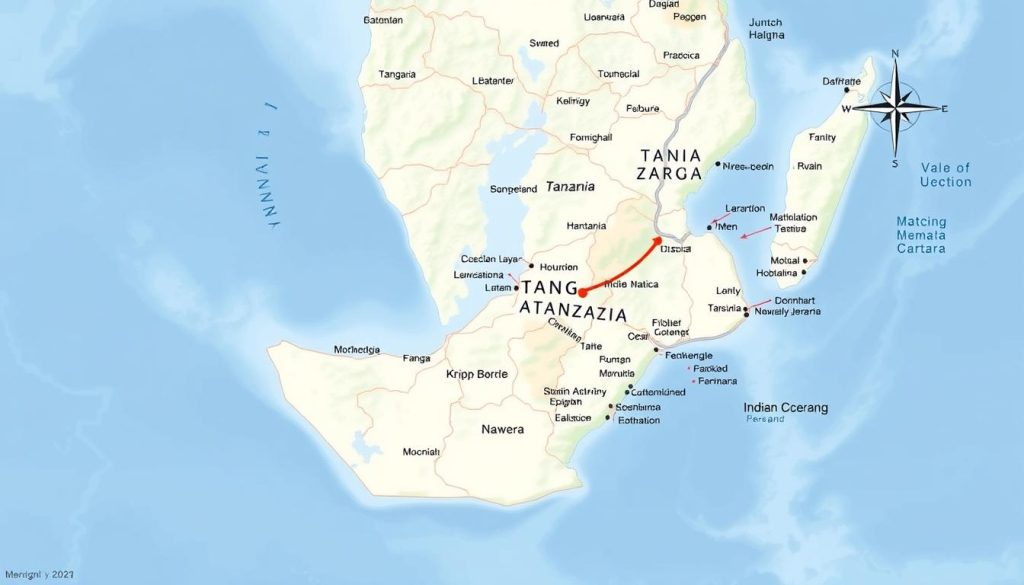
Map of Tanga Region showing its strategic location in northeastern Tanzania
The topography of Tanga is characterized by its coastal plains that gradually give way to rolling hills and eventually the dramatic Usambara Mountains. The region is blessed with several rivers, including the Pangani River, which flows into the Indian Ocean south of Tanga city. This diverse landscape contributes to the region’s rich biodiversity and scenic beauty, making it a paradise for nature enthusiasts.
Locally, the city is often referred to as “Tanga Town” by residents, reflecting its intimate community feel despite its status as Tanzania’s third-largest urban center. The name “Tanga” itself derives from the Swahili word for “sail,” hinting at the area’s long-standing maritime heritage and its historical importance as a trading port.
The Rich Historical Tapestry of Tanga
Tanga’s story is woven with threads of diverse influences, from early Swahili settlements to European colonial powers. When British explorer Richard Burton visited in 1857, he described Tanga as a collection of “thatch pent-roofed huts, built upon a bank overlooking the sea,” with a population of 4-5 thousand people, including Arab merchants and the Sultan’s troops under his appointed governor or “Wali.”
The region was home to various indigenous tribes including the Digo, Bondei (whose name means “of the valley”), Shambaa, Pare, Segeju, and Zigua peoples. Each brought their unique cultural practices and traditions, creating a rich tapestry of local heritage that persists to this day.
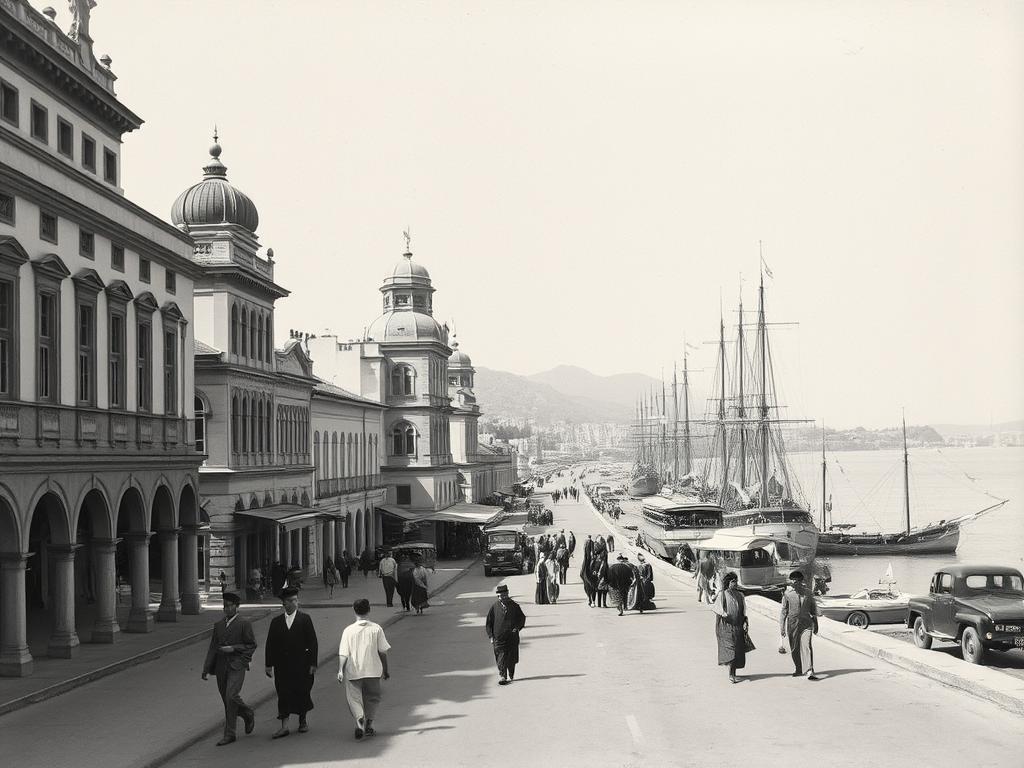
Historical photograph of Tanga during the German colonial period, circa early 1900s
Tanga’s trajectory changed dramatically when the German East Africa Company arrived in 1888, following their success in persuading the Sultan of Zanzibar to lease them a 16km-wide strip along Tanzania’s coastline. The Germans developed the small fishing village into a port to accommodate their steamships after finding Bagamoyo’s harbor too shallow. In 1893, they completed a railway line from Moshi to Tanga and established Tanzania’s first school.
The fertile lands around Tanga and the Usambara Mountains were soon cultivated with extensive sisal plantations, which proved highly profitable. However, this progress was interrupted by World War I, when Tanga became the site of one of the most infamous military blunders in East Africa. In November 1914, thousands of Allied troops attempted a surprise attack on the Germans along the Tanga coastline, only to be repelled by the well-prepared German forces and, remarkably, by swarms of disturbed bees. This episode is vividly recounted in William Boyd’s novel, “The Ice-Cream War.”
Following the war, Tanga’s demographic shifted as German settlers departed and Greek farmers took over the sisal plantations. These plantations thrived until the mid-1950s when sisal prices crashed due to the proliferation of manufactured fibers. Today, while sisal remains part of the local economy, Tanga relies more on coastal trade and industries like cement and brick manufacturing located west of the town.
This rich historical background is evident in Tanga’s architecture, cultural practices, and the stories told by its elderly residents, making it a fascinating destination for history enthusiasts.
People and Culture: The Soul of Tanga
The heart of Tanga beats through its people, known locally as Watangaa, who embody the warm hospitality characteristic of Tanzania. The cultural landscape of Tanga is a vibrant mosaic of African, Arab, and European influences, creating a unique Swahili coastal culture that has evolved over centuries of trade and interaction.
Tanga’s population represents a generous mix of numerous regional tribes, including the Digo, Bondei, Shambaa, Pare, and Zigua peoples. Each group has contributed to the rich cultural tapestry of the region, bringing their languages, traditions, and customs. The Swahili language serves as the common tongue, binding these diverse communities together while preserving their distinct identities.
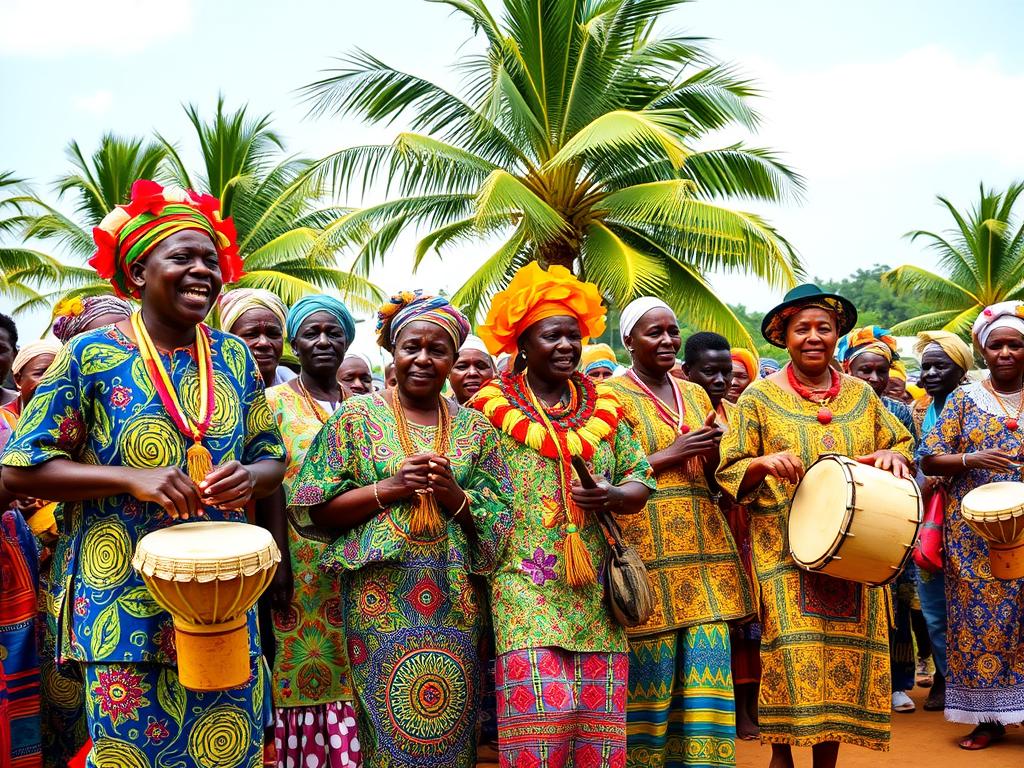
Local residents celebrating traditional Swahili culture during a community festival in Tanga
Daily life in Tanga moves at a relaxed pace, with mornings often beginning at the bustling fish markets where fishermen bring their fresh catch. Women wrapped in colorful kangas (traditional cloth) sell bundles of delicious honeyed rice cakes and other local delicacies under shady verandas. The call to prayer from local mosques punctuates the day, reflecting the significant Muslim influence in the region.
Architecture in Tanga tells the story of its cultural blending. Many older Arab-influenced buildings feature elaborate mahogany balconies, thick walls, colored glass windows, heavy doors, and courtyards with deep shade. Meanwhile, the colonial legacy is visible in the wide, shady avenues and European-style buildings that once housed government officials and sisal plantation owners.
Culinary traditions in Tanga reflect its coastal location and cultural influences. Seafood features prominently, with dishes like samaki wa kupaka (fish in coconut sauce) and pweza wa nazi (octopus in coconut) being local favorites. Street food culture thrives with offerings such as kashata (peanut fudge), mishkaki (grilled meat skewers), and vitumbua (rice pancakes).
Traditional crafts remain an important part of local culture, with wood carving, basket weaving, and textile production being practiced by skilled artisans. These crafts not only serve practical purposes but also preserve cultural heritage and provide livelihoods for many families.
Festivals and celebrations in Tanga blend Islamic traditions with local customs. Eid celebrations are particularly vibrant, while traditional music and dance performances featuring ngoma drums and taarab music can be enjoyed during community gatherings and special occasions.
Pristine Beaches: Tanga’s Coastal Treasures
Tanga’s coastline is adorned with some of Tanzania’s most unspoiled beaches, offering a tranquil alternative to the country’s more frequented coastal destinations. Here, powdery white sands meet the crystal-clear waters of the Indian Ocean, creating perfect havens for relaxation and water activities.
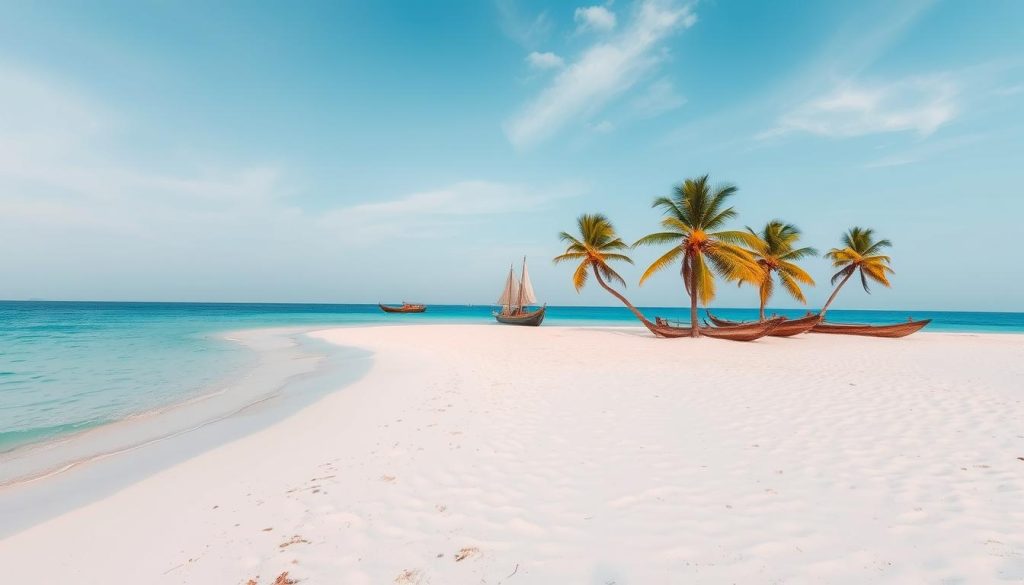
The untouched beauty of Tanga’s coastline offers a peaceful escape from crowded tourist destinations
Toten Island
Just a short boat ride from Tanga city lies Toten Island, a small but fascinating destination ringed with mangroves. The name, meaning “dead bodies” in German, refers to the island’s numerous graves. Visitors can explore the remains of a 17th-century mosque and cemetery hidden amongst the undergrowth. The island is surrounded by clear waters ideal for snorkeling, with vibrant coral reefs hosting a diverse array of marine life.
Pangani Beach
About 50 kilometers south of Tanga city, Pangani Beach offers a serene escape with its palm-lined shores and tranquil atmosphere. This beach is perfect for long walks, swimming in the gentle waves, or simply unwinding while watching traditional dhows sail by. The nearby Pangani town, with its crumbling ruins and historic buildings, adds cultural interest to your beach visit.
Ushongo Beach
Often described as “Paradise Beach,” Ushongo features immaculate white sand and crystal-clear waters. This pristine stretch of coastline remains largely undeveloped, offering an authentic beach experience away from crowds and commercialization. The offshore coral reefs provide excellent snorkeling opportunities, while the beach itself is perfect for sunbathing and swimming.
Mwambani Bay
This sheltered bay south of Tanga city offers calm waters ideal for swimming and water sports. The bay is lined with mangroves that serve as important ecological habitats and can be explored by kayak or small boat. Local fishermen can often be seen casting their nets in the traditional way, offering glimpses into coastal livelihoods that have remained unchanged for generations.
Experience Tanga’s Pristine Beaches
Discover the untouched coastal beauty of Tanga with our guided beach tours. Explore hidden coves, snorkel in crystal-clear waters, and witness traditional fishing methods unchanged for centuries.
Beach Activities
Tanga’s beaches offer more than just sunbathing and swimming. Visitors can enjoy:
- Snorkeling among vibrant coral reefs
- Dhow sailing trips at sunset
- Fishing excursions with local guides
- Kayaking through mangrove forests
- Beach volleyball on pristine sands
- Turtle watching (seasonal)
- Beachcombing for shells and sea glass
- Photography of stunning coastal landscapes
The beaches of Tanga remain refreshingly uncrowded throughout the year, allowing visitors to enjoy their natural beauty in peace. Early mornings offer the chance to watch local fishermen return with their catch, while evenings bring spectacular sunsets that paint the sky in vibrant hues of orange and purple.
Historical Sites: Echoes of the Past
Tanga’s rich history is preserved in its numerous historical sites, each telling a chapter of the region’s fascinating past. From colonial architecture to ancient ruins, these attractions offer visitors a journey through time.
Urithi Tanga Museum
Housed in Tanga’s old boma (administrative building), this modest but worthwhile museum showcases the cultural heritage of the region through photographs, artifacts, and exhibitions. The museum provides valuable insights into Tanga’s development from a small fishing village to an important colonial center and modern port city. Displays cover local tribal history, the German and British colonial periods, and the development of the sisal industry that once drove the region’s economy.
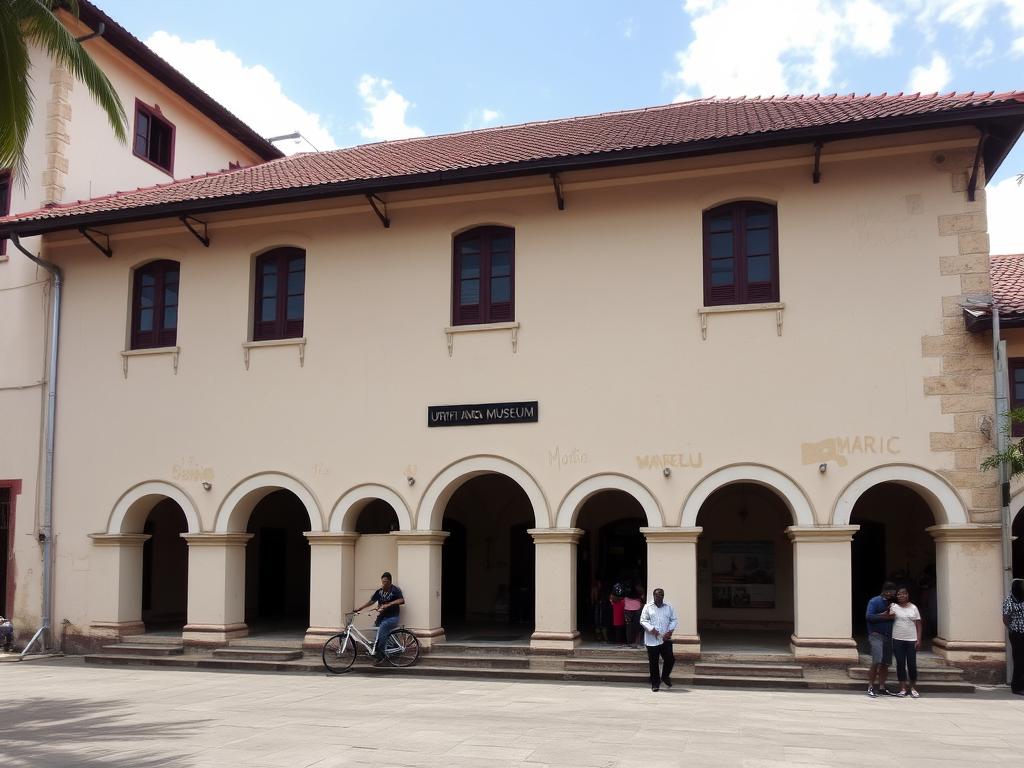
The historic Urithi Tanga Museum, formerly the colonial administrative headquarters
German Colonial Buildings
Tanga’s wide avenues are lined with impressive German colonial architecture that speaks to its past as an important administrative center. Key buildings to explore include:
- The Old Boma – This large, imposing structure overlooks the old harbor and once served as the administrative headquarters during colonial times.
- Bombo Hospital – Resembling a castle from a Grimm fairy tale, this German-built hospital operated from 1889 to 1918 and now stands as a haunting reminder of the colonial era.
- The Railway Station – A quaint structure that seems lifted straight from a picture book of European country stations a century ago, though the railway line is no longer functioning for passengers.
- The Court House – An imposing and well-preserved structure opposite the Post Office that still functions as a ministration of law and order.
Amboni Caves
Just 8 kilometers north of Tanga city lie the mysterious Amboni Caves, a protected network of limestone formations dating from the Jurassic age. Extending over 207 kilometers, these caves have inspired numerous mystical legends and are traditionally regarded as supernatural dwellings called “Mzimu wa Mabavu” (dwelling of a powerful deity). Local people come from surrounding areas to offer prayers and sacrifices, seeking cures for ailments or blessings for fertility.

The entrance to the mysterious Amboni Caves, where local legends and history intertwine
The caves gained additional fame during the Mau Mau rebellion in Kenya, when they provided sanctuary for individuals like Elias Samuel Oselloetango, who evaded British capture between 1952 and 1956. Guided tours take visitors through impressive stalactite formations, though the experience involves climbing, squeezing, and scrambling through dark spaces, making it unsuitable for those with claustrophobia or mobility issues.
Tongoni Ruins
Located about 20 kilometers south of Tanga city, the Tongoni Ruins comprise the remains of a mosque and approximately 40 tombs dating from the 14th or 15th century. Situated in a grove of baobab trees facing the ocean, these ruins offer a glimpse into the region’s early Islamic influence and its importance as a trading center.
The name “Tongoni” is a Swahili term meaning “forsaken place,” though later inhabitants called it “Sitahabu,” meaning “better here than there.” The site includes several pillar tombs with scalloped indentations that would have once been decorated with glazed porcelain saucers. A plain, double-walled tomb is considered particularly spiritual, as local tradition identifies it as the resting place of a Shariff, a descendant of Prophet Mohammed.
Discover Tanga’s Rich History
Step back in time with our expert-guided historical tours of Tanga. From mysterious caves to ancient ruins, uncover the stories that shaped this fascinating region.
Natural Attractions: Tanga’s Wild Wonders
Beyond its beaches and historical sites, Tanga offers remarkable natural attractions that showcase Tanzania’s biodiversity and scenic beauty. From lush rainforests to wildlife reserves, these natural wonders provide unforgettable experiences for nature enthusiasts.
Amani Nature Reserve
Nestled in the East Usambara Mountains, the Amani Nature Reserve protects one of East Africa’s most important forest ecosystems. This biodiversity hotspot is home to numerous endemic species of plants and animals found nowhere else on Earth. The reserve covers approximately 8,380 hectares of pristine rainforest and offers visitors a chance to explore well-maintained hiking trails that wind through lush vegetation.

The lush rainforest canopy of Amani Nature Reserve, home to numerous endemic species
Birdwatchers will be delighted by the opportunity to spot some of the 340 bird species recorded in the reserve, including the rare Amani Sunbird and Usambara Eagle Owl. The reserve is also known for its butterfly diversity, with over 400 species fluttering through the forest. Guided walks with knowledgeable local guides provide insights into the ecological importance of this unique ecosystem and the conservation efforts to protect it.
Mkomazi National Park
Located approximately 112 kilometers west of Tanga city, Mkomazi National Park offers an authentic safari experience away from the crowds of Tanzania’s more famous parks. This 3,245 square kilometer reserve sits at the southern edge of the Sahel zone and features semi-arid savannah landscapes dotted with baobab trees and acacia woodlands.
The park is home to diverse wildlife, including elephants, giraffes, zebras, lions, and various antelope species. It has also become an important sanctuary for endangered black rhinos and African wild dogs through dedicated breeding programs. Bird enthusiasts can spot over 450 species, making it a paradise for ornithologists.

Elephants and giraffes roam the semi-arid landscape of Mkomazi National Park
Galanos Sulphur Springs
Just 8 kilometers from Tanga city, the Galanos Hot Springs offer a unique natural phenomenon where warm, mineral-rich waters bubble up from underground. These sulphur springs are believed by locals to have healing properties, particularly for skin conditions and joint ailments. Visitors can relax in the warm waters while enjoying the peaceful surroundings.
The springs are set within a small protected area with picnic facilities, making it an ideal spot for a half-day excursion from Tanga city. The site also features interesting geological formations and information about the volcanic activity that created these natural hot springs.
Coastal Mangrove Forests
Tanga’s coastline is dotted with extensive mangrove forests that serve as crucial ecological habitats and natural coastal protection. These unique ecosystems, where land meets sea, can be explored by boat or kayak, offering glimpses of diverse marine life and bird species that make their homes among the twisted roots.
The mangroves are particularly impressive around the Pangani River estuary and Manza Bay, where guided tours explain the ecological importance of these forests and the conservation efforts to protect them from deforestation and climate change impacts.
Explore Tanga’s Natural Wonders
Immerse yourself in the breathtaking natural beauty of Tanga with our guided eco-tours. From rainforest hikes to wildlife safaris, experience Tanzania’s biodiversity at its finest.
Cultural Experiences: Immerse in Local Life
To truly understand Tanga, one must experience its vibrant cultural scene. From bustling markets to culinary delights, these cultural attractions offer authentic insights into local life and traditions.
Local Markets
Tanga’s markets pulse with energy and color, offering visitors a sensory feast and a glimpse into everyday local life. The Central Market (Soko Kuu) is the heart of commercial activity, where vendors sell everything from fresh produce and spices to textiles and household goods. The narrow aisles buzz with haggling and friendly banter, creating an atmosphere that epitomizes the warmth of Tanzanian culture.
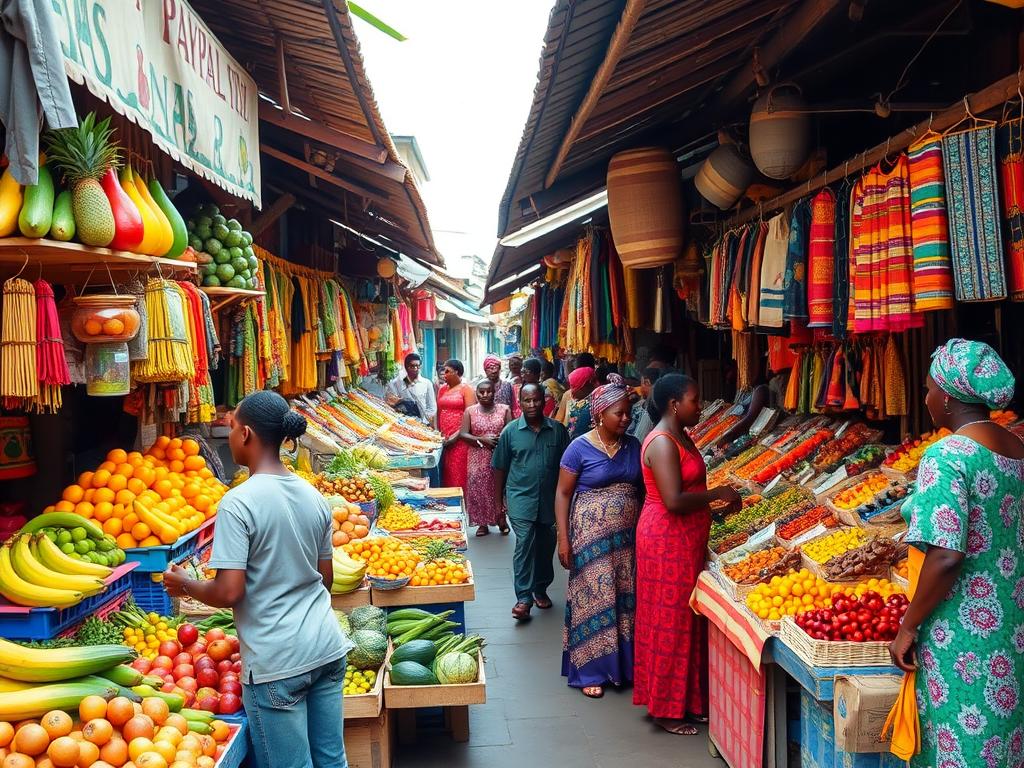
The vibrant Central Market (Soko Kuu) offers a feast for the senses with local produce and crafts
The Fish Market near the harbor comes alive in the early morning when fishermen return with their fresh catch. Visitors can observe the lively auctions and see a variety of Indian Ocean fish species before they make their way to local restaurants and homes. For those interested in local crafts, the artisan markets offer handmade souvenirs including wood carvings, woven baskets, and colorful textiles.
Traditional Swahili Cuisine
Tanga’s culinary scene reflects its coastal location and cultural influences, offering delicious dishes that tantalize the taste buds. Local restaurants and street food vendors serve authentic Swahili cuisine that combines African, Arab, and Indian flavors.
Seafood features prominently on menus, with specialties including:
- Samaki wa Kupaka – Fish grilled and then simmered in a rich coconut curry
- Pweza wa Nazi – Octopus cooked in coconut milk with aromatic spices
- Kachori – Spiced lentil-filled pastries with a crispy exterior
- Mishkaki – Skewered and grilled meat marinated in a blend of spices
- Kashata – Sweet peanut fudge often enjoyed with coffee
- Vitumbua – Rice pancakes with a slightly fermented flavor
Culinary tours and cooking classes are available for visitors who wish to learn more about local ingredients and cooking techniques. These hands-on experiences often include visits to the market to select fresh ingredients, followed by preparation of traditional dishes under the guidance of local chefs.
Local Festivals and Events
Tanga’s cultural calendar is marked by various festivals and events that celebrate local traditions and religious observances. The most prominent celebrations include:

Traditional dancers perform during one of Tanga’s vibrant cultural festivals
- Eid Celebrations – Marking the end of Ramadan with communal prayers, feasting, and gift-giving
- Maulid Festival – Celebrating the birth of Prophet Muhammad with processions and religious gatherings
- Tanga Cultural Festival – An annual event showcasing traditional music, dance, and arts from various local communities
- Fishermen’s Festival – Celebrating the fishing heritage with boat races, seafood feasts, and music
These events offer visitors the opportunity to witness traditional performances, sample special festival foods, and interact with locals in a festive atmosphere. Checking the local calendar before your visit can help you plan around these enriching cultural experiences.
Experience Authentic Tanga Culture
Immerse yourself in the vibrant cultural tapestry of Tanga with our guided cultural experiences. From cooking classes to festival celebrations, connect with local traditions and create lasting memories.
Practical Information for Visitors
Planning a trip to Tanga requires some practical knowledge to ensure a smooth and enjoyable experience. Here’s essential information to help you prepare for your visit.
How to Get to Tanga
Tanga can be accessed via multiple transportation options:
By Air
Tanga has a small domestic airport with scheduled flights operated by regional airlines Auric Air and Coastal Aviation. These connect Tanga to Dar es Salaam, Pemba Island, and Zanzibar. Most international travelers will first fly into Julius Nyerere International Airport in Dar es Salaam and then take a connecting flight to Tanga.
By Road
Tanga is well-connected by road to major Tanzanian cities and neighboring Kenya. Regular bus services operate from:
- Dar es Salaam (6 hours, services from 6 am to 2 pm)
- Arusha (7-8 hours, at least three departures daily)
- Lushoto (4 hours, daily service at 7 am)
- Mombasa, Kenya (via the Horohoro border crossing)
By Train
While Tanga has a historic railway station, passenger services are currently limited or non-operational. Check current status if you’re interested in this nostalgic travel option.
By Sea
The Sealink ferry operated by Azam Marine travels once per week between Tanga and Pemba Island (four hours, approximately US$35), with connections to Zanzibar Island. The ferry departs from Pemba on Tuesdays and arrives in Tanga on Sundays.
Best Time to Visit
Tanga can be visited year-round, but certain seasons offer more favorable conditions:
| Season | Months | Weather | Advantages |
| Dry Season (Peak) | June to October | Mild temperatures (18-28°C), little rainfall | Ideal for outdoor activities, wildlife viewing, and beach visits |
| Short Rains | November to December | Brief afternoon showers, warm temperatures | Fewer tourists, lush landscapes, lower prices |
| Hot Season | January to February | Hot and humid (25-33°C) | Excellent beach weather, marine visibility |
| Long Rains | March to May | Heavy rainfall, high humidity | Lowest prices, verdant scenery, fewer crowds |
Accommodation Options
Tanga offers a range of accommodation options to suit different budgets and preferences:

Beachfront accommodations offer stunning views and direct access to Tanga’s pristine shores
- Beach Resorts – Properties like Tanga Beach Resort and Spa and Kijongo Bay Resort offer comfortable rooms with ocean views, swimming pools, and on-site restaurants.
- City Hotels – Mid-range options in Tanga city include Mkonge Hotel and Panori Hotel, providing convenient access to urban attractions.
- Guesthouses – Budget-friendly accommodations such as Mwambani Bay Lodges and Peponi Beach Resort offer simple but clean rooms with local character.
- Eco-Lodges – In the Usambara Mountains, properties like Lawns Hotel Lushoto combine colonial charm with mountain views and sustainable practices.
It’s advisable to book accommodation in advance, especially during the peak tourist season from June to October and around major holidays.
Local Transportation
Getting around Tanga is relatively straightforward with several options:
- Dala-dalas – These minibuses serve as public transportation within Tanga city and to nearby areas. They follow set routes and are an inexpensive way to travel like locals.
- Bajaj – Three-wheeled auto-rickshaws provide convenient transportation for short distances within the city.
- Taxis – Available throughout Tanga, taxis offer more comfort and privacy. Negotiate the fare before starting your journey.
- Rental Cars – Several agencies offer car rentals, with or without drivers. Having a local driver can be advantageous for navigating unfamiliar roads.
- Bicycles – Renting a bicycle is an excellent way to explore Tanga city and its surroundings at a leisurely pace. Rentals are available near the central market.
Safety Tips and Travel Advice
Tanga is generally a safe destination for tourists, but it’s always wise to take standard precautions:
- Carry photocopies of important documents (passport, visa) and keep originals in your hotel safe.
- Use reputable tour operators for excursions and activities.
- Avoid displaying valuable items like expensive cameras or jewelry.
- Stay hydrated and use sun protection, especially during hot months.
- Respect local customs and dress modestly, particularly when visiting religious sites.
- Consult with your healthcare provider about necessary vaccinations before traveling.
- Purchase comprehensive travel insurance that covers medical emergencies.
Ready to Explore Tanga?
Let us help you plan the perfect Tanga adventure. Our expert team will create a customized itinerary based on your interests, timeframe, and budget.
Maps and Orientation: Finding Your Way in Tanga
Understanding Tanga’s layout will help you navigate this charming coastal region efficiently and make the most of your visit. Here’s a comprehensive guide to the city’s geography and key areas.
Tanga City Layout
Tanga city is relatively compact and easy to navigate. The city center is laid out in a grid pattern with wide, shady avenues—a legacy of German colonial town planning. The main commercial district is concentrated around Independence Avenue (running parallel to the seafront) and the Central Market area.
Interactive map of Tanga city and surrounding attractions
Key areas of the city include:
- Historic Center – The area between the railway line and the port contains most of Tanga’s colonial architecture and administrative buildings.
- Ras Kazone Peninsula – This residential area south of the city center features grand colonial-era mansions and coastal views.
- Harbor Area – The working port and fishing docks offer glimpses into Tanga’s maritime activities.
- Uhuru Park – A central green space near the railway station that serves as a recreational area for locals.
Key Landmarks for Orientation
When navigating Tanga, these landmarks can help you get your bearings:
- Clock Tower – Erected in 1961, this central landmark stands at a major intersection on Independence Avenue.
- Old Boma – This imposing colonial building overlooks the old harbor and serves as a reference point for the historic district.
- Railway Station – Though no longer fully operational for passengers, this distinctive building is a useful landmark south of Uhuru Park.
- Central Market – The bustling market area is a hub of activity and a central reference point.
- Tanga Library – This substantial building with its pleasant arched courtyard is a notable landmark on Independence Avenue.
Distances to Nearby Attractions
Understanding distances from Tanga city to key attractions will help you plan your itinerary effectively:
| Destination | Distance from Tanga City | Approximate Travel Time | Transportation Options |
| Amboni Caves | 8 km north | 20 minutes | Taxi, bajaj, bicycle |
| Tongoni Ruins | 20 km south | 40 minutes | Taxi, dala-dala |
| Pangani | 50 km south | 1.5 hours | Bus, taxi |
| Usambara Mountains (Lushoto) | 90 km west | 3-4 hours | Bus, private vehicle |
| Mkomazi National Park | 112 km west | 2.5-3 hours | Private vehicle, tour operator |
| Dar es Salaam | 354 km south | 6 hours by road, 1 hour by air | Bus, flight |
Recommended Itineraries
To help you plan your time in Tanga efficiently, here are some suggested itineraries:
One-Day Tanga City Tour
- Morning: Visit Urithi Tanga Museum and explore colonial architecture
- Lunch: Sample local cuisine at a restaurant near the Central Market
- Afternoon: Take a boat trip to Toten Island
- Evening: Enjoy sunset and dinner at the waterfront
Three-Day Tanga Region Exploration
- Day 1: Tanga city tour and Amboni Caves
- Day 2: Excursion to Tongoni Ruins and Pangani Beach
- Day 3: Day trip to the Usambara Mountains or Mkomazi National Park
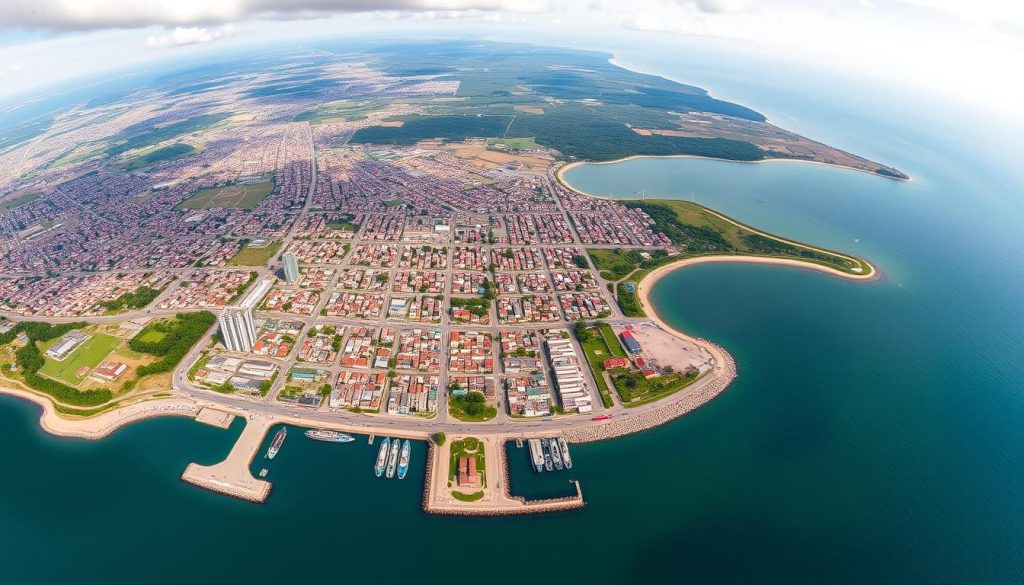
Panoramic view of Tanga city showing its layout and key districts
Why Tanga Should Be Your Next Tanzanian Destination
As our journey through Tanga comes to a close, it’s clear that this coastal gem offers a unique and authentic Tanzanian experience that stands apart from the country’s more frequented destinations. Tanga’s blend of pristine beaches, rich history, diverse natural attractions, and vibrant culture creates a tapestry of experiences waiting to be discovered by the discerning traveler.
Unlike the crowded beaches of Zanzibar or the safari-focused northern circuit, Tanga provides an opportunity to experience Tanzania at a more relaxed pace, where interactions with locals are genuine and natural beauty remains largely unspoiled. The region’s colonial architecture tells stories of its past, while its beaches offer tranquil escapes where you might be the only visitor enjoying miles of pristine sand.
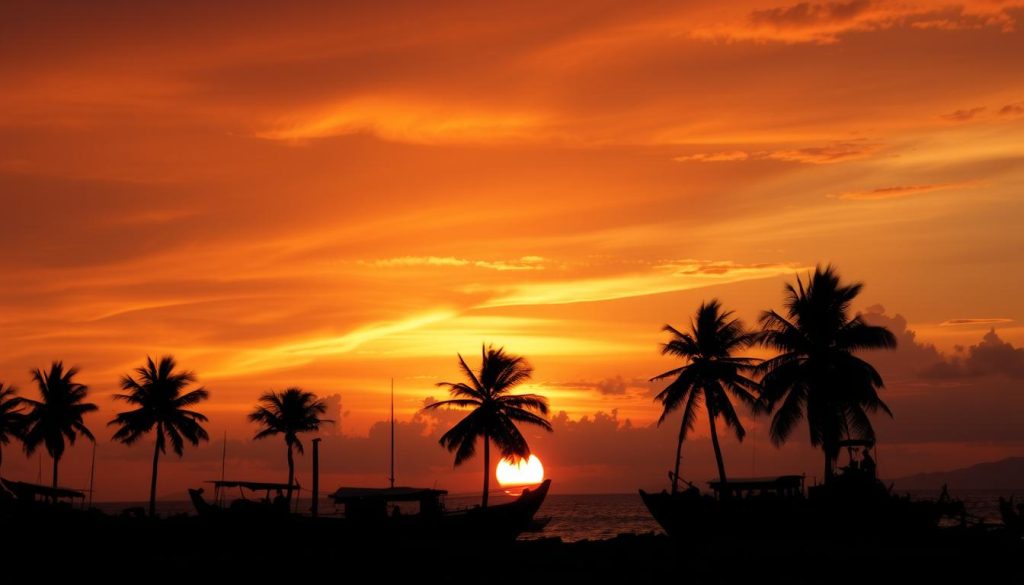
The magical sunset over Tanga harbor captures the tranquil beauty of this hidden Tanzanian gem
For the adventurous traveler, Tanga offers the thrill of exploring mysterious caves, hiking through biodiverse rainforests, or embarking on safaris in less-visited national parks. For those seeking cultural immersion, the vibrant markets, traditional cuisine, and friendly locals provide authentic insights into Swahili coastal life that has remained largely unchanged for generations.
Tanga’s strategic location also makes it an excellent base for exploring nearby attractions, from the historic town of Pangani to the verdant Usambara Mountains. Whether you’re a history enthusiast, nature lover, beach aficionado, or cultural explorer, Tanga offers something to captivate your interest and create lasting memories.
As Tanzania continues to develop its tourism industry, Tanga remains a hidden treasure that offers a glimpse into the country’s soul away from the well-trodden tourist path. By choosing Tanga for your Tanzanian adventure, you not only gain access to extraordinary experiences but also contribute to sustainable tourism development in a region that benefits greatly from responsible visitors.
The time to discover Tanga is now, before the secret of its charms spreads too widely. Come experience the warm hospitality, breathtaking landscapes, and rich cultural heritage of this coastal paradise—where authentic Tanzania awaits with open arms.
Start Your Tanga Journey Today
Let us help you create unforgettable memories in Tanga, Tanzania. Our expert local guides and customized tours ensure you experience the very best of this hidden coastal gem.