The golden savanna stretches before you, painted with the warm hues of sunset. A gentle breeze carries the distant call of wildlife. You reach for your camera, ready to capture the magic of your African safari – but are you dressed for the adventure that awaits?
Preparing the right safari clothes for women isn’t just about fashion – it’s about embracing the spirit of exploration while respecting the practical demands of the wilderness. This guide centers the keyword “safari clothes for women” for search, but it is written for everyone: women, men, and children traveling together or planning solo family trips. Having guided countless travelers through Tanzania’s breathtaking landscapes, we’ve learned that the perfect safari wardrobe balances comfort, protection, and style in equal measure for all ages and genders.
In this comprehensive guide, we’ll walk you through everything you need to know about creating a safari wardrobe that serves you well from dawn game drives to evening sundowners under the acacia trees. Whether you’re planning your first safari adventure, organizing a family trip, or refining your existing collection, you’ll find practical packing tips, outfit ideas, and shopping advice to help you travel confidently and comfortably.
Ready to pack smart? Jump to our sample 10-day packing checklist and shop the curated essentials later in the article to build a versatile wardrobe for your next safari.
Essential Safari Clothing for Women: What You Really Need
The art of safari dressing lies in thoughtful simplicity. While fashion magazines might showcase elaborate looks, experienced safari-goers know that functionality reigns supreme in the bush. A practical safari wardrobe focuses on four things: protection from sun, wind and insects; comfort during long game drives; adaptability to big temperature swings; and respect for the natural environment.
The Core Safari Wardrobe: Build Your Foundation
Every successful safari packing list begins with these essential pieces — the same basic categories apply for women, men, and children, with size and fit adjusted as needed (see the children’s section for age-specific notes):
Tops
- 2–3 lightweight, long-sleeved shirts (cotton, linen, or technical blends with UPF) — long sleeves give sun and insect protection and layer well for cool mornings
- 2 short-sleeved or tank tops for layering and lodge wear (moisture-wicking preferred)
- 1 light sweater or fleece for cool mornings/evenings (packable and breathable)
Bottoms
- 2–3 pairs of lightweight, quick-dry pants (nylon-cotton blends or technical trekking pants) — durable, breathable, and easy to wash
- 1 pair of shorts or convertible zip-off pants for hot afternoons (convertibles double as two outfits in one)
- 1 casual skirt or dress for lodge evenings (optional — choose neutral colors and comfortable fabrics)
Outerwear
- 1 lightweight, packable jacket (windproof and compressible)
- 1 rain jacket or windbreaker if traveling in the green season or to humid regions
- 1 warmer layer for early-morning drives in cooler climates (down or synthetic jacket that packs small)
Accessories
- Wide-brimmed hat with chin strap (UPF-rated where possible) — essential for sun protection
- Bandana or buff for dust protection and quick warmth
- Polarized sunglasses to reduce glare on game drives
- Comfortable, closed-toe shoes — trail runners for drives, ankle-supporting boots for walking safaris
Note: Many safari lodges offer laundry services — check your itinerary before you pack. That service can let you pack fewer pieces while still rotating outfits comfortably. See the packing checklist later in the article for a sample 10-day wardrobe built around mixing and matching a few versatile items.
Safari Shirts: The Backbone of Your Wardrobe
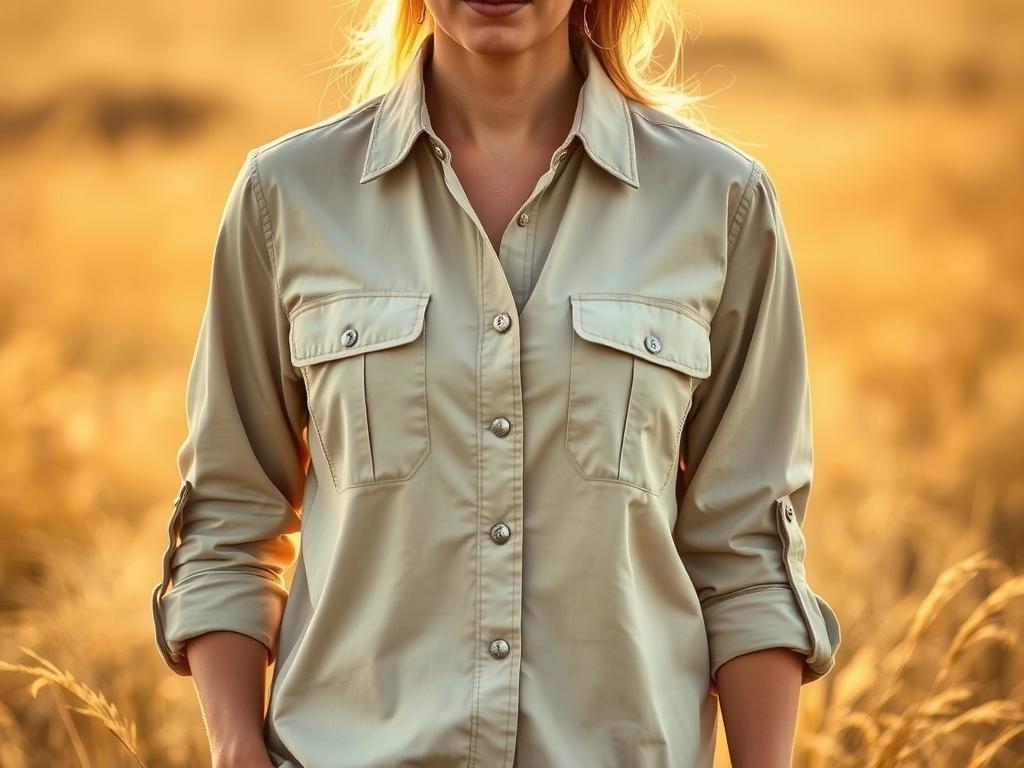
The right shirt forms the foundation of any successful safari outfit. Beyond mere fashion, your choice of tops can significantly impact comfort, sun protection, and insect defense during long hours on game drives or walking excursions.
Key Features to Look For in Safari Shirts
Fabric Matters
Choose breathable fabrics — cotton, linen, or modern technical blends — that wick moisture and allow airflow on hot days. Linen is light and airy (great for dry heat) while technical blends offer faster moisture management and quicker drying in humid or rainy conditions.
UPF-rated fabrics add measurable sun protection; aim for UPF 30+ or higher for long days outdoors, and consider UPF options for children’s shirts as well.
Thoughtful Design Elements
Look for convertible sleeves (with secure roll-tab), ventilation panels across the back or underarms, and zippered chest pockets with flaps to keep small items safe from dust. These small design details turn a shirt into a practical piece for game drives and active days.
Multiple pockets and reinforced seams increase functionality and durability for both men’s and women’s versions; children’s shirts often mirror these features on a smaller scale for added protection.
Recommended Safari Shirt Styles
Classic Button-Down
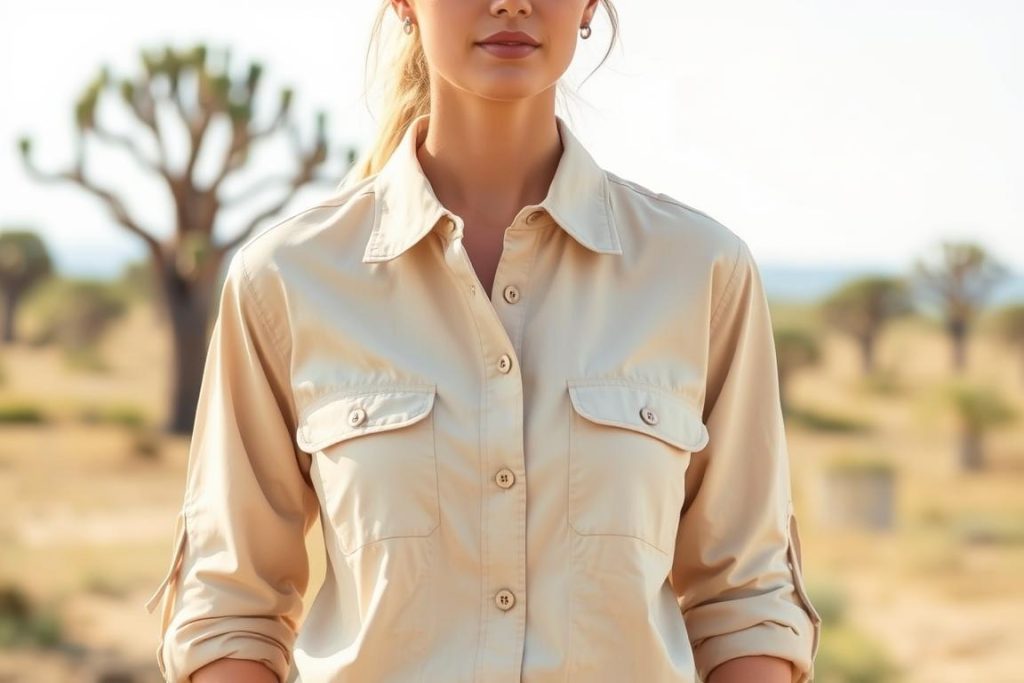
The timeless button-down is versatile and easy to layer. Choose lightweight cotton or a cotton-linen blend in neutral tones (khaki, olive, stone) that blend with the landscape and don’t spook wildlife.
Best for: All-around safari wear — transitions from morning drives to lodge evenings. Men’s styles typically offer a straighter cut; women’s and youth fits are more tailored.
Technical Safari Shirt
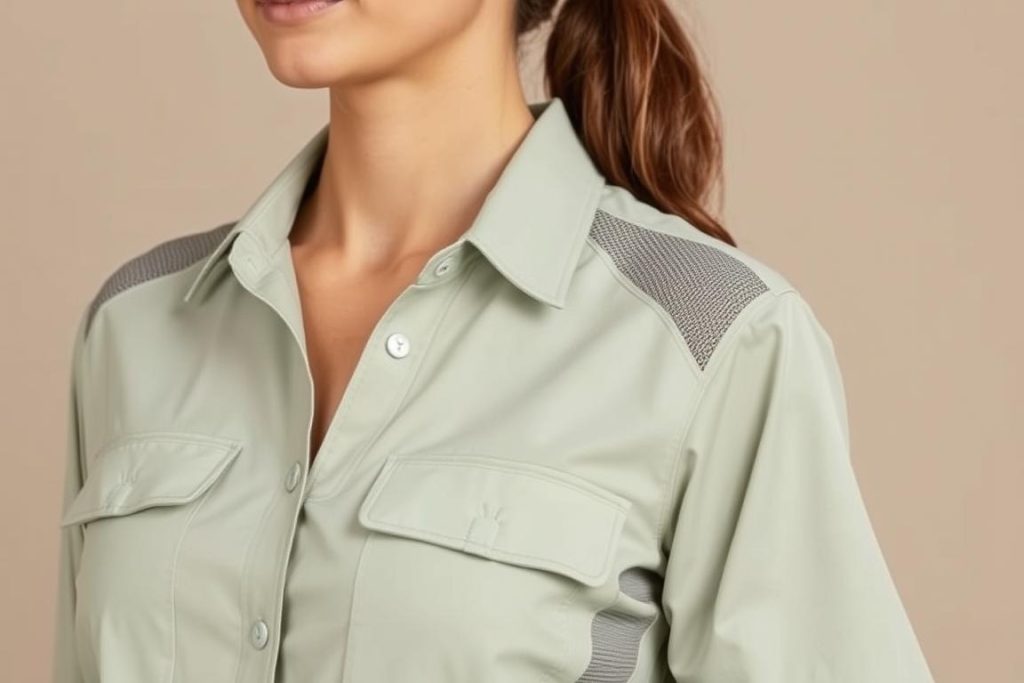
Built for activity, technical shirts use moisture-wicking, quick-dry fabrics with integrated UPF and targeted ventilation. They’re ideal for walking safaris, hot climates, and active family days in the field.
Best for: Active safaris and hot weather; pick similar technical shirts for men and teens for consistent performance.
Tunic-Style Tops

For travelers who prefer a more relaxed silhouette, tunic-style tops offer coverage and comfort with a slightly dressier feel for lodge evenings. Choose neutral colors and breathable fabrics to maintain practicality.
Best for: Lodge relaxation and casual evenings; pair with neutral pants or leggings for a balanced outfit.
Expert Safari Shirt Recommendation
Our top pick combines breathability, sun protection, and durable construction in a cotton-linen blend with high UPF performance — a reliable option for safaris in East Africa and beyond. Look for the same feature set in men’s and children’s shirts to keep the whole family protected and comfortable on game drives.
Safari Pants: Comfort Meets Functionality
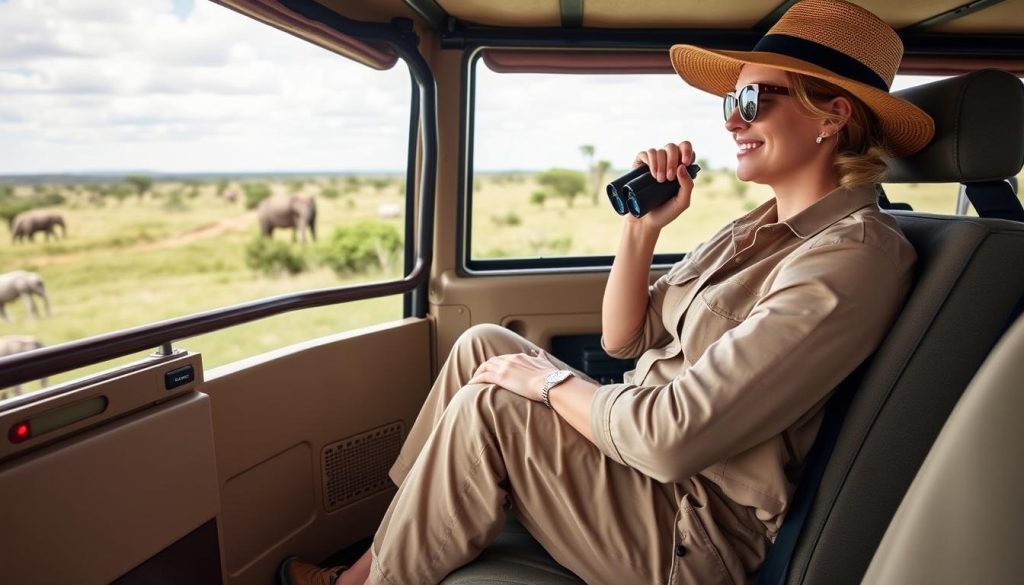
The right pair of pants can make or break your safari experience. Experienced travelers prioritize comfort, durability, and practical features that serve you well in the bush — whether you’re a woman, man, or packing for kids on a family trip.
What Makes Great Safari Pants?
Fabric Considerations
Pick lightweight, quick-drying fabrics that allow freedom of movement. Nylon-cotton blends and modern technical fabrics balance durability and breathability; stretch panels or elastane blends improve comfort during long game drives and when climbing in and out of vehicles. In very humid or rainy regions, technical quick-dry blends outperform linen for faster drying; in dry heat, linen or cotton-linen blends feel cooler and more breathable.
For children, prioritize soft, easy-care fabrics with quick-dry properties so you can wash and dry items overnight if lodge laundry is available.
Practical Design Features
Multiple secure pockets (including zip closures) keep essentials close without digging into your daypack. Reinforced stitching at seams, articulated knees for movement, and adjustable waist tabs improve fit and longevity. Zipper guards and covered seams reduce dust intrusion during drives.
Adjustable or elastic waistbands and hems are especially useful for kids whose sizes change quickly and for ensuring a comfortable fit across genders and body types.
Top Safari Pant Styles
Convertible Zip-Off Pants
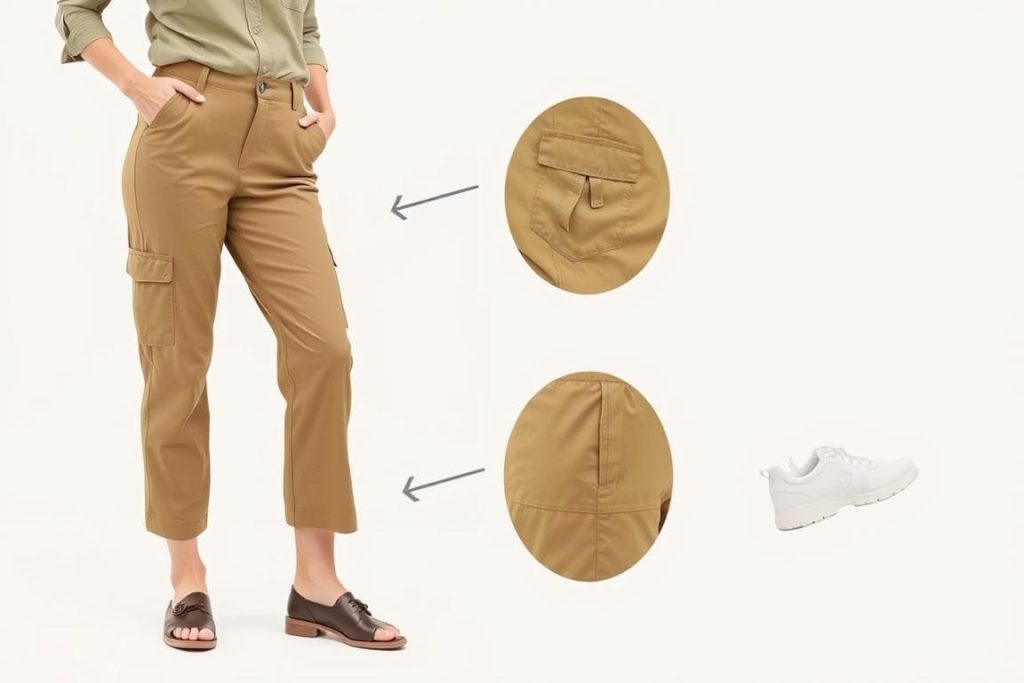
Zip-off legs convert to shorts for midday heat — a smart option for families and travelers who need flexibility without extra packing. Great for variable climates and for those who want two outfits in one.
Best for: Variable climates, limited luggage, and kids who need adaptable options.
Cargo-Style Safari Pants
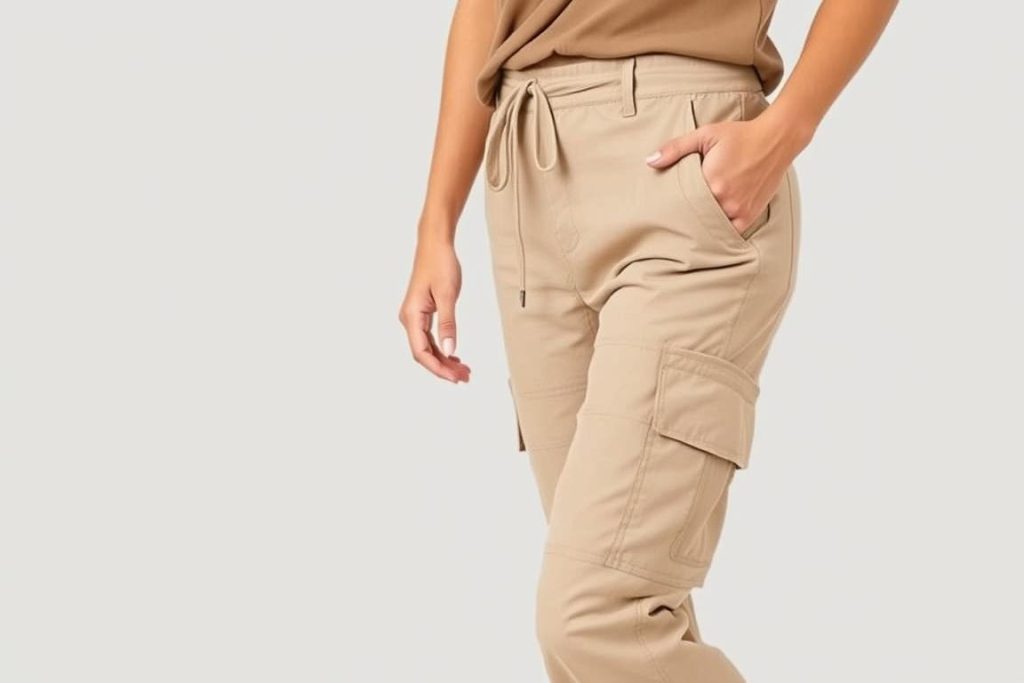
With multiple pockets and a relaxed fit, cargo pants offer easy access to maps, snacks, and small camera accessories — useful for photographers and parents alike.
Best for: Photographers, parents, and anyone who needs quick access to gear during drives and lodge days.
Slim-Fit Trekking Pants
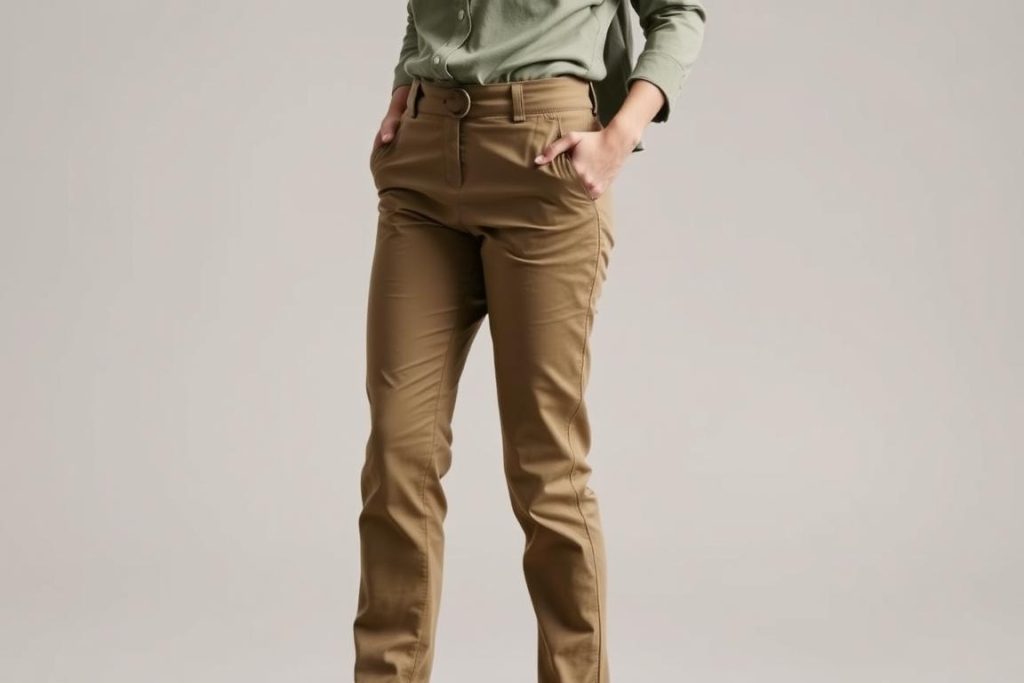
For travelers who prefer a more tailored look, slim-fit trekking pants offer technical features with a contemporary profile that transitions well to lodge evenings.
Best for: Style-conscious travelers and lodge dinners; pair with a breathable shirt for an elevated safari outfit.
Safari Pants Color Guide
Neutral colors are practical and blend with the landscape; they also reduce visibility to insects and wildlife. Consider:
- Olive and sage greens — blend with savanna and bush
- Soft taupe and stone — lighter alternative to khaki for hot days
- Muted rust and terracotta — complement earth tones without standing out
Avoid bright colors and pure white (shows dust). The advice about dark blue/black attracting tsetse flies is region-specific — check local operator guidance for your destination before assuming certain colors increase insect attraction.
Safari Jackets: Essential Layering for Changing Conditions
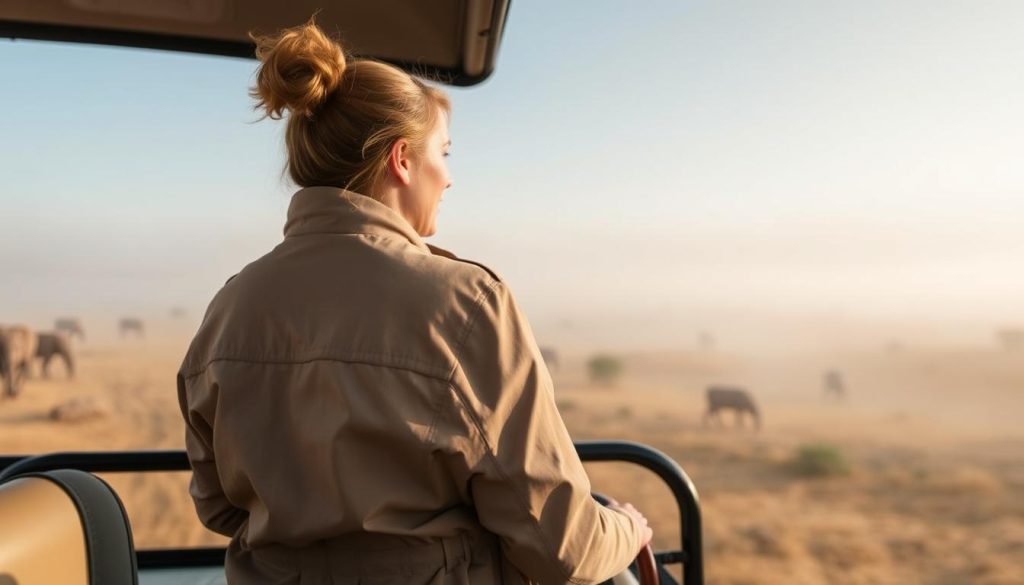
A common misconception about African safaris is that you’ll only need clothing for hot weather. In reality, early morning game drives can be surprisingly chilly, and seasonal variations can bring unexpected temperature drops. The right jacket is essential for comfort throughout your adventure — whether you’re a woman, man, or packing for kids on a family trip.
Types of Safari Jackets
Classic Safari Jacket
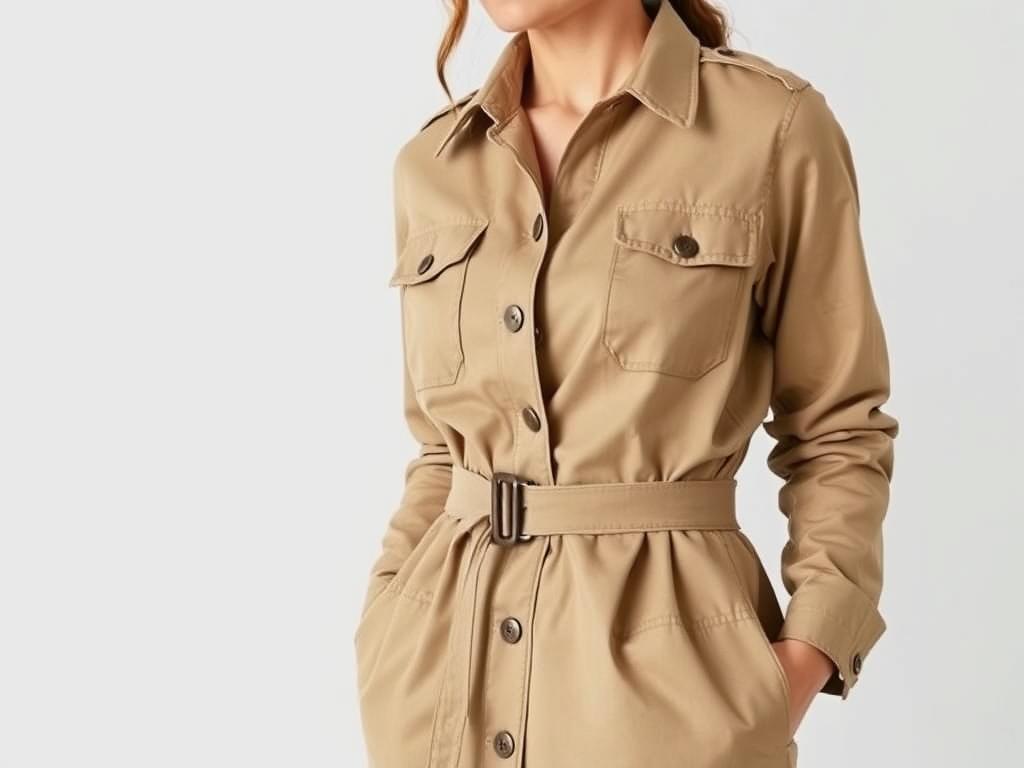
The iconic safari jacket features multiple pockets and a structured silhouette. Modern versions use lighter fabrics and offer both women’s and men’s cuts — choose natural or blended fabrics for breathability and durability.
Best for: Style-conscious travelers who want the classic look with functional storage for field essentials.
Lightweight Utility Jacket
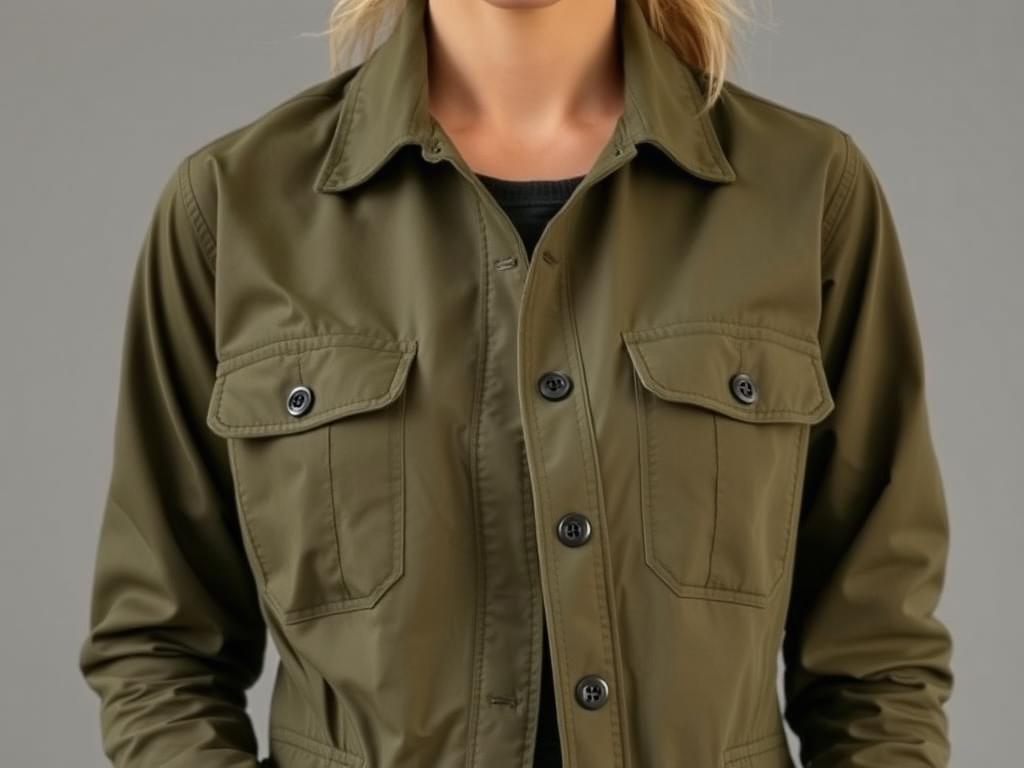
Utility jackets are casual, functional, and great for layering. They usually have multiple pockets and ventilation and are excellent unisex options for couples and families who want versatile outerwear.
Best for: Versatile use that transitions from vehicle drives to city stops.
Packable Down/Synthetic Jacket
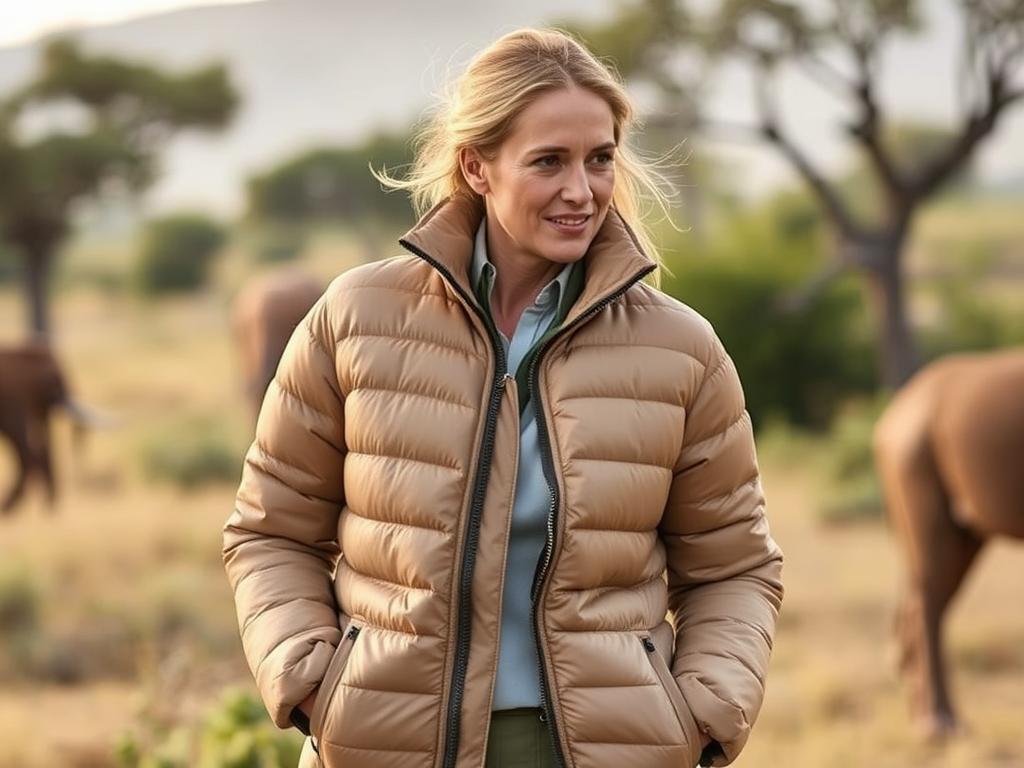
Ultra-light and compressible, packable down or synthetic jackets provide warmth for cold mornings and take up minimal luggage space. Bring one in your daypack for early drives — they’re also available in kids’ sizes for family travel.
Best for: Cold-sensitive travelers and safaris in cooler seasons or higher altitudes.
When to Choose Each Jacket Type
- Vehicle-only game drives: Lightweight utility or classic jacket — layered over shirts for morning warmth.
- Walking safaris or active days: Technical utility jackets with good ventilation and mobility.
- Colder seasons or high-altitude regions: Packable down/synthetic jacket for mornings and evenings.
- Family travel: Pick unisex styles or matching technical jackets for consistent protection across adults and children.
Luxury vs. Budget Safari Jacket Options
| Feature | Luxury Options ($150-300+) | Budget Options ($40-100) |
| Material Quality | Premium cotton-blend fabrics, high-end technical materials | Standard cotton blends, basic synthetic fabrics |
| Durability | Reinforced stitching, abrasion-resistant panels | Standard construction, may wear faster |
| Design Details | Thoughtful ventilation, articulated sleeves, premium hardware | Basic design, fewer technical features |
| Versatility | Transitions well from safari to urban settings | More utilitarian appearance |
| Long-term Value | Timeless design, years of use beyond safari | Suitable for occasional use or single trip |
Packing tip: choose a packable jacket for your carry-on or daypack so you can layer for chilly morning drives without using valuable checked luggage space. If traveling with family, coordinate one warm layer per person to avoid surprises on cold mornings.
Safari Footwear: Protecting Your Foundation
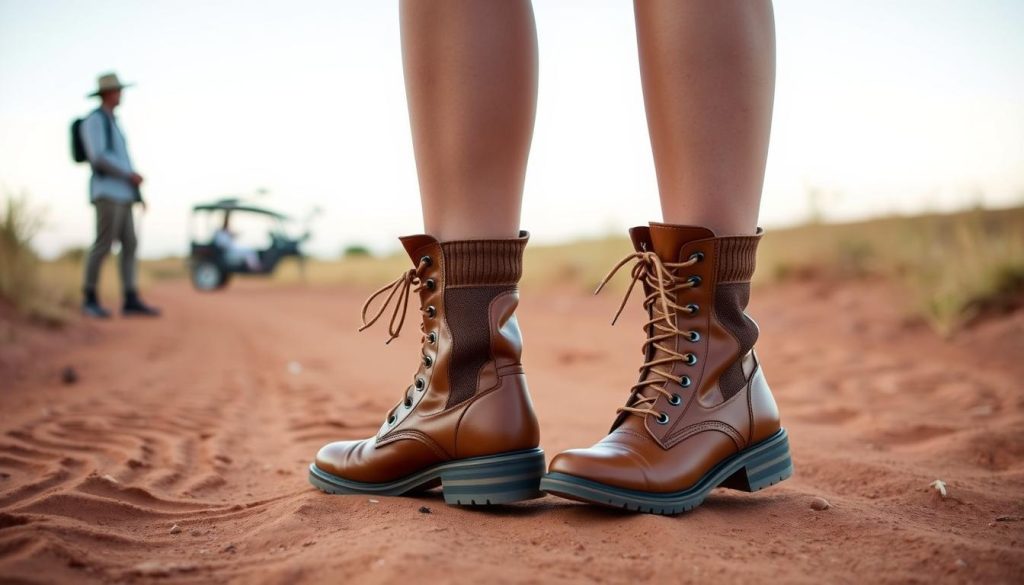
Your choice of footwear can significantly impact your safari experience. While you’ll spend much of your time in a vehicle, proper shoes are essential for comfort, protection, and the occasional walking excursion — for women, men, and kids alike.
Safari Footwear Essentials
For Game Drives
Comfortable, closed-toe shoes are ideal for game drives. Lightweight hiking shoes or trail runners offer breathability and cushioning while reducing foot fatigue on long drives. Choose neutral colors that hide dust and match your safari wardrobe.
For families, select trail runners with secure lacing or straps for children to reduce slips in vehicles and around lodges.
For Walking Safaris
If your itinerary includes walking safaris, ankle-supporting boots provide necessary protection and traction on uneven terrain. Look for waterproof or water-resistant options if you’re traveling in the green season or to wet regions.
Break in new boots at least 2–3 weeks before travel to avoid blisters; consider bringing spare insoles for added comfort.
Recommended Safari Footwear
Safari Boots
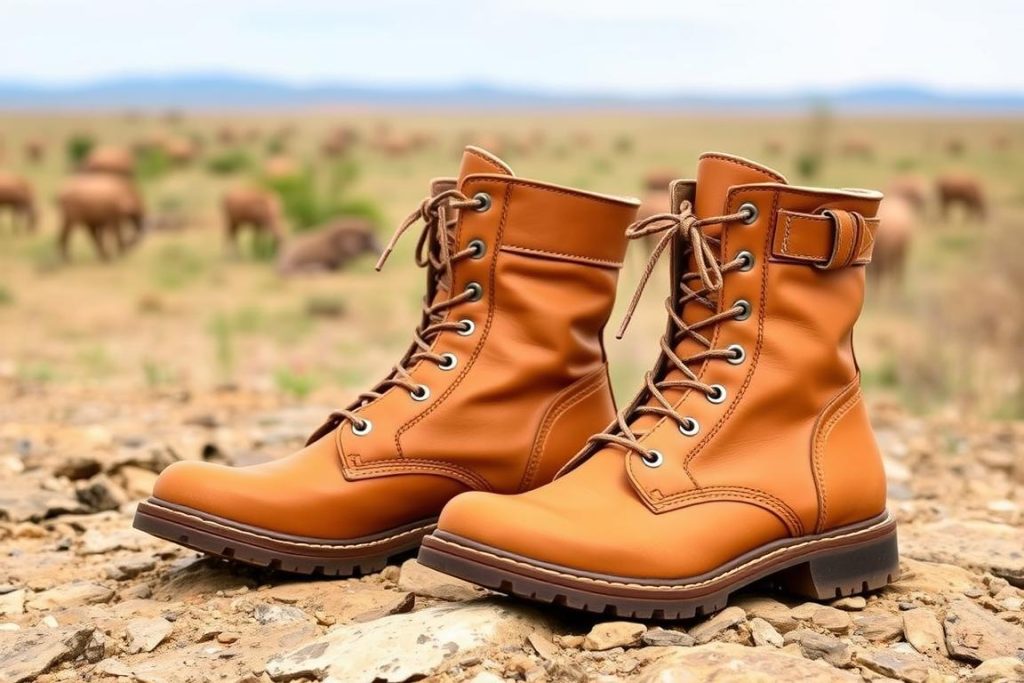
Ankle-height boots offer protection and support for walking safaris and rough terrain. Waterproof seams are useful in wet seasons; choose breathable liners for warmer climates.
Best for: Walking safaris and wet conditions — available in men’s, women’s, and children’s sizes.
Trail Runners
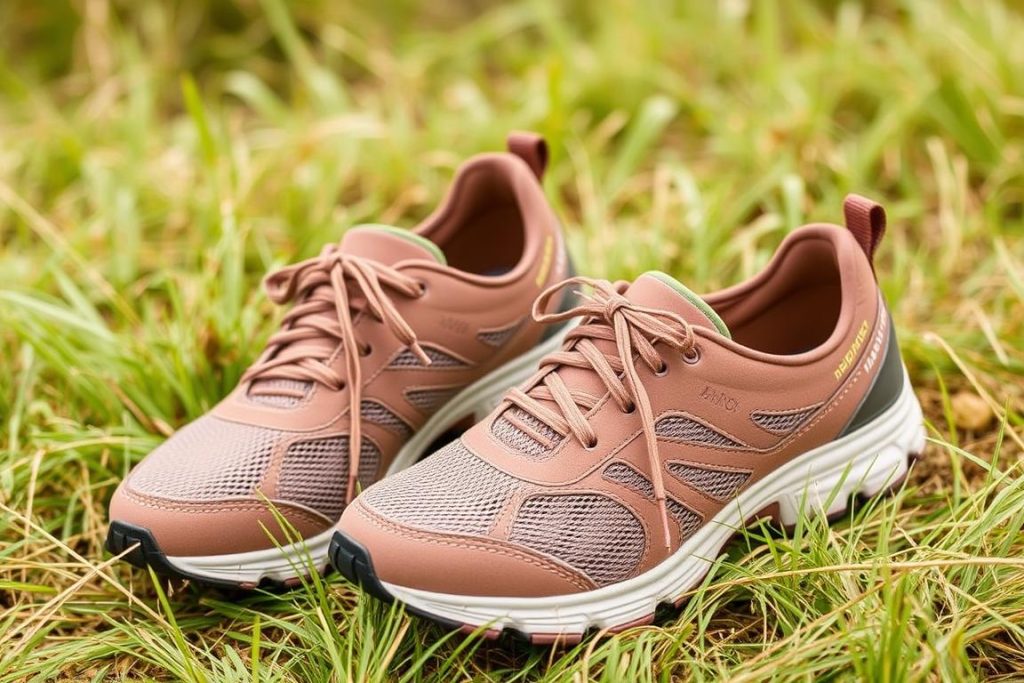
Lightweight and breathable, trail runners are excellent for game drives and light walking. They dry quickly, are comfortable for long days, and are easy to pack.
Best for: Game drives and general safari wear; great for travelers who favor comfort over a heavy boot.
Lodge Sandals
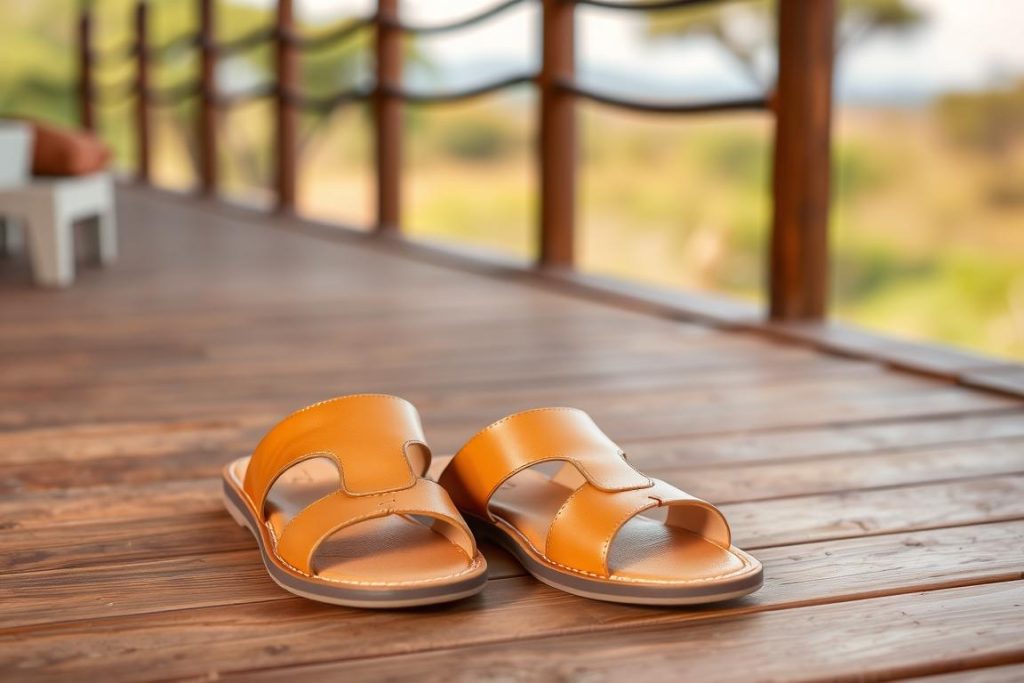
Comfortable sandals are perfect for relaxing at the lodge after a day in the bush. Choose supportive soles and straps that stay secure — helpful for poolside time and lodge walks.
Best for: Lodge evenings, pool time, and downtime — bring one pair per traveler.
Safari Footwear Packing Tip
To maximize luggage space and meet small-aircraft weight limits, wear your bulkiest shoes (typically boots) while traveling and pack lighter pairs. Bring 2 pairs of closed shoes per adult (one trail runner, one boot or spare), and 1–2 pairs for children depending on trip length. Pack quick-dry socks (merino or synthetic), a small shoe-care kit, and blister patches for emergencies.
Safari Accessories: Essential Finishing Touches

The right accessories not only complete your safari look but provide essential protection from sun, dust, and insects. Smart finishing touches can make a big difference in comfort and safety for women, men, and children on every part of your trip.
Must-Have Safari Accessories
Safari Hats
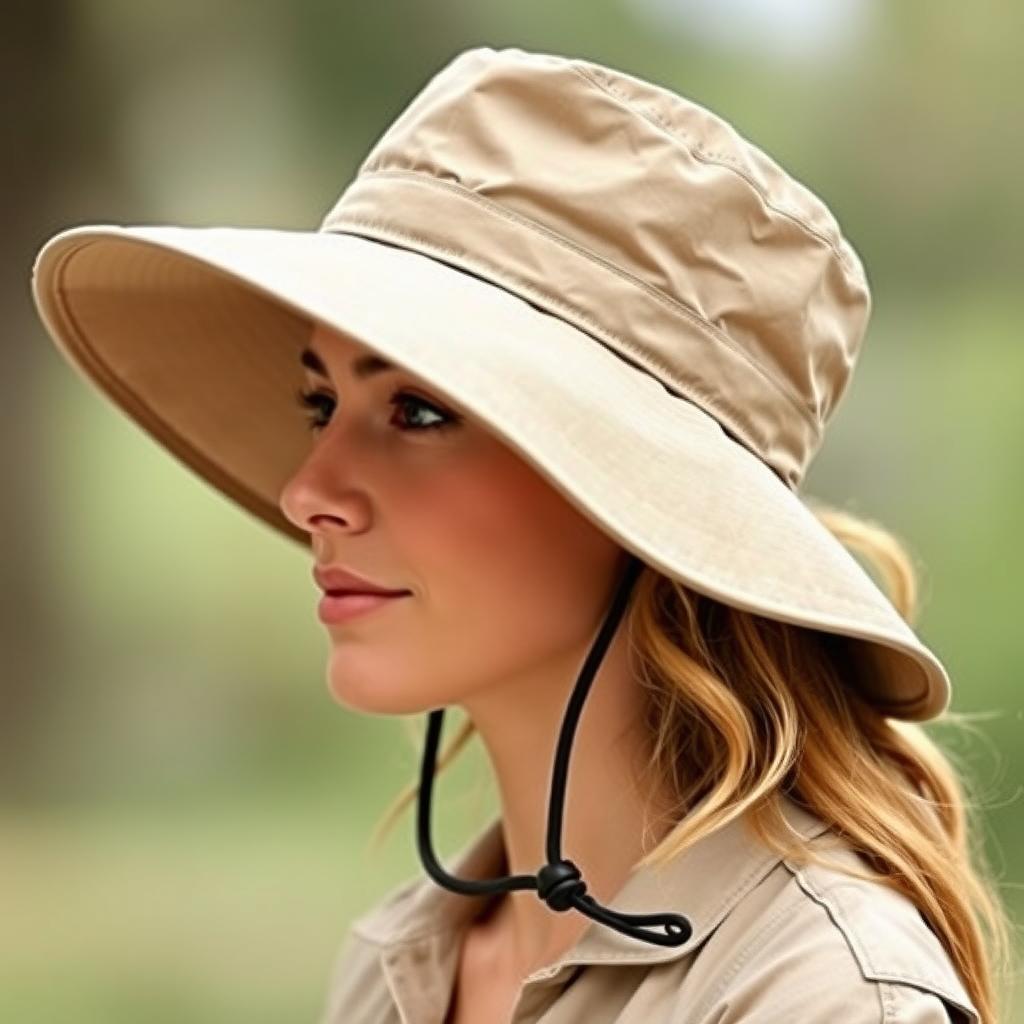
A wide-brimmed hat with UPF protection shields face, ears, and neck from intense sun. Look for styles with chin straps to stay secure during open-vehicle game drives; kids’ hats should include a snug chin strap and neck flap.
Key features: 3″+ brim, UPF 30–50+, secure chin strap, packable construction.
Scarves & Buffs
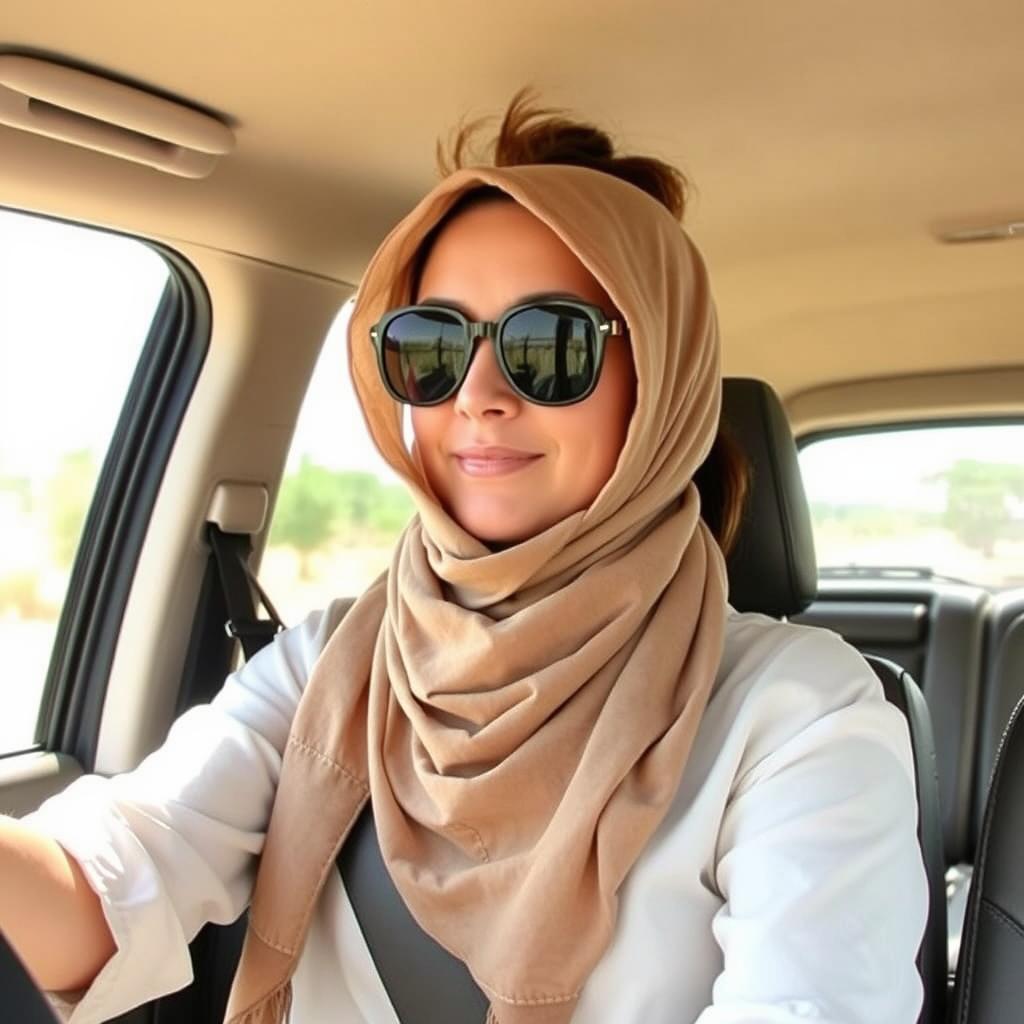
Lightweight scarves and buffs are multi-purpose: dust protection on dry drives, extra sun coverage, or a thin layer for cool mornings. They’re compact, quick-drying, and useful for the whole family.
Key features: Breathable fabric, quick-dry, neutral colors to match safari outfits.
Polarized Sunglasses
Quality polarized sunglasses reduce glare, improve visibility on game drives, and protect eyes from UV and dust. Choose frames with a secure fit; kids benefit from straps or snug-fitting frames.
Key features: Polarized lenses, full UV protection, non-slip nose pads or strap.
Additional Safari Accessories
Practical Additions
- Daypack: Small, neutral-colored backpack (20–30L) to carry water, camera, and layers; check weight limits for light aircraft when packing.
- Binoculars: 8x or 10x compact binoculars for spotting distant game — keep them in a padded case to protect from dust.
- Reusable water bottle: Insulated bottles keep water cool and reduce single-use plastics.
- Camera protection: Use dust covers or zip-seal bags and a padded insert to safeguard gear on dusty drives.
Personal Comfort Items
- Insect repellent: DEET or picaridin-based repellents are effective; follow pediatric guidelines for children.
- Sunscreen: Broad-spectrum SPF 30+; apply liberally and reapply during long days outdoors.
- Lip balm with SPF: Prevents drying and sun damage.
- Hand sanitizer & wipes: Useful where handwashing is limited.
Complete Your Safari Look
Pair the right accessories with your core outfits to ensure sun protection and comfort from morning drives through lodge downtime. See the packing checklist later for family-friendly accessory suggestions and exact item counts.
Cheap vs. Luxury Safari Clothing: Finding Your Balance
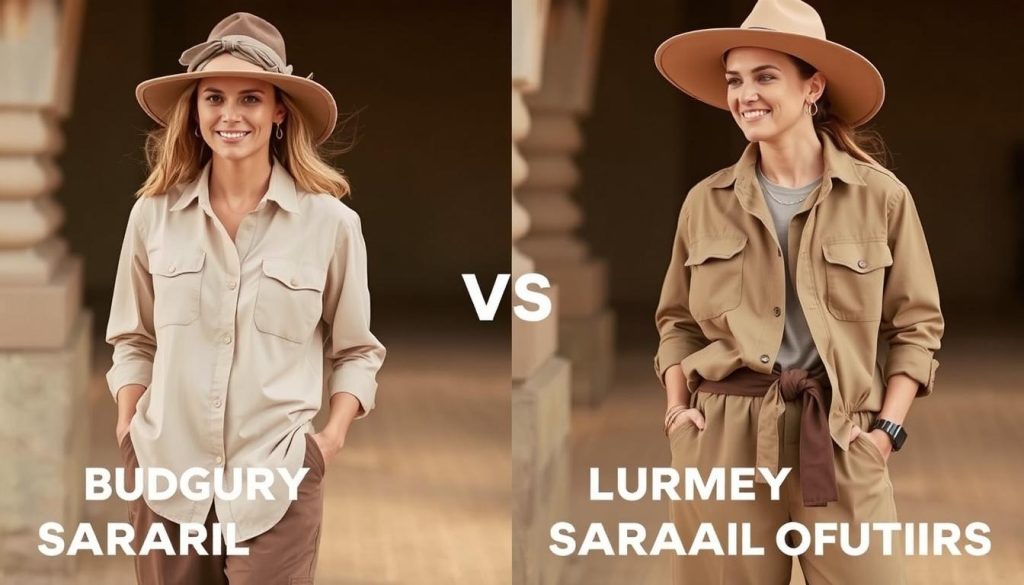
Safari clothing spans a wide spectrum of price points, from budget-friendly basics to high-end luxury pieces. Understanding where to splurge and where to save helps you build a practical wardrobe that serves women, men, and children for years of travel and family adventures.
Where to Invest vs. Where to Save
Worth the Investment
- Quality footwear: Comfortable, supportive boots or trail runners prevent injury and are worth the cost.
- UPF-rated shirts and sun protection: Higher-quality fabrics maintain UV protection and wear better over time.
- Durable pants: Reinforced seams and abrasion-resistant panels save replacement costs on long trips.
- Polarized sunglasses: Better optics and UV protection improve wildlife viewing and eye safety.
- Versatile jacket: A well-made, packable jacket can be used beyond safari, increasing cost-per-wear value.
Where to Save
- Basic t-shirts and tanks: Affordable layering pieces that you can replace easily.
- Lodge wear: Casual evening clothes that won’t face rugged conditions.
- Accessories: Scarves, buffs, and simple hats can be inexpensive yet functional.
- Shorts: Often less exposed to wear than pants — budget options can be fine.
- Highly specialized items: If you’ll use something only once (e.g., extreme cold gear), consider renting or buying a budget option.
Quick Cost-vs-Value Example
Paying more for a quality pair of boots (one good pair) can prevent blisters, reduce the need for replacements, and avoid missed activities — often making the higher upfront cost the better long-term choice. The same logic applies to a durable jacket or UPF shirts that you’ll use on multiple trips.
Best Brands by Price Category
Below are well-known brands across the spectrum that offer reliable options for women, men, and kids.
Tilley
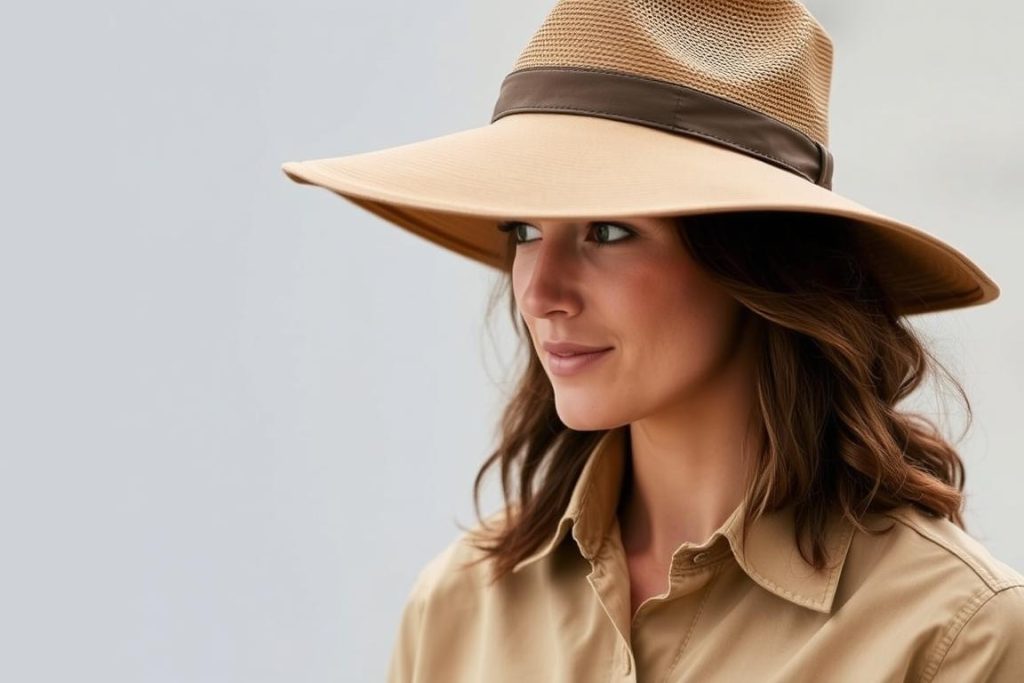
Tilley is known for durable hats and travel-focused clothing with thoughtful details — a solid luxury option for long-term value.
Signature pieces: Iconic hat styles, technical shirts, travel-ready outerwear.
Orvis
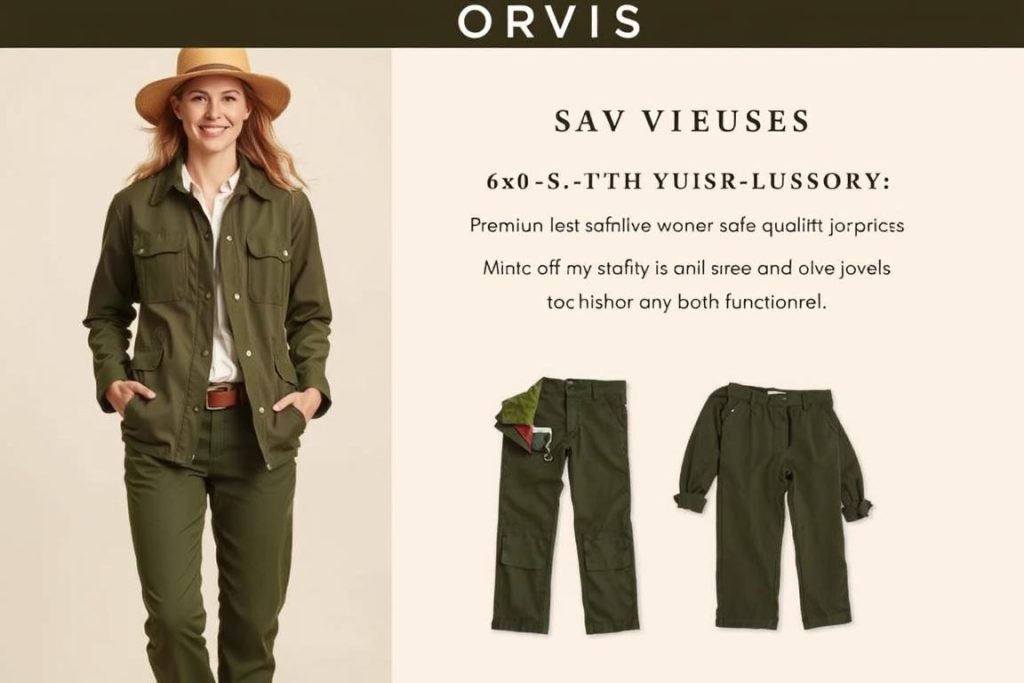
Orvis blends outdoor performance with classic styling — a good mid-to-premium choice for pieces you’ll wear beyond safari.
Signature pieces: Explorer pants, classic jackets, versatile shirts.
Craghoppers
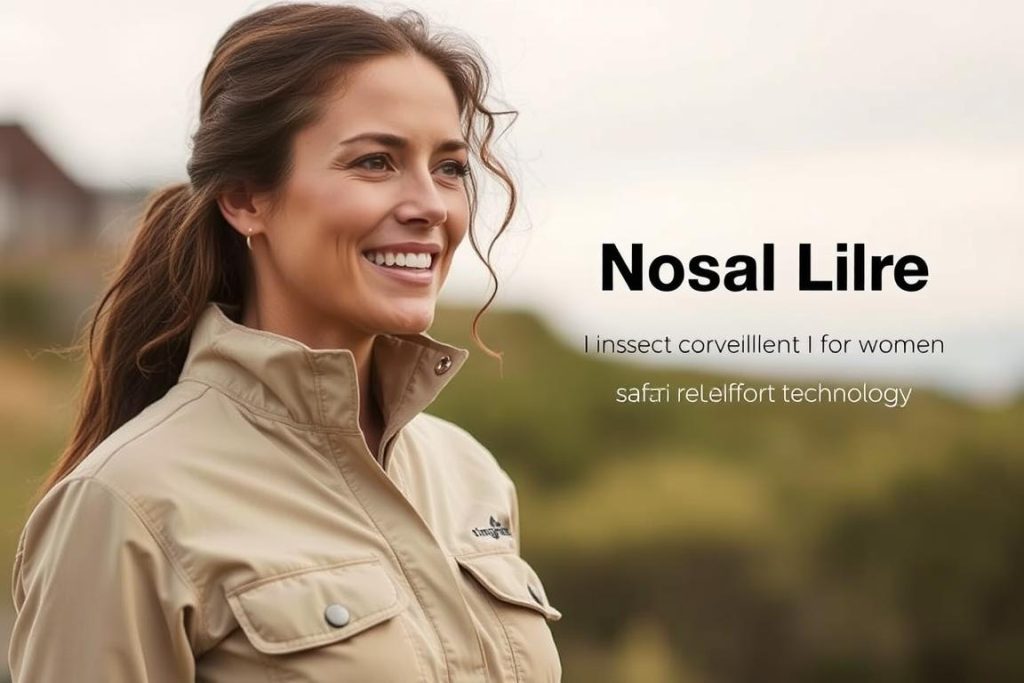
Craghoppers’ NosiLife line offers built-in insect protection — a useful premium feature for green-season travel and family safety.
Signature pieces: NosiLife shirts and convertible pants with long-lasting insect protection.
Budget-Friendly Options
If you’re on a tighter budget, these brands deliver functionality at accessible prices and have good kids’ ranges:
Columbia
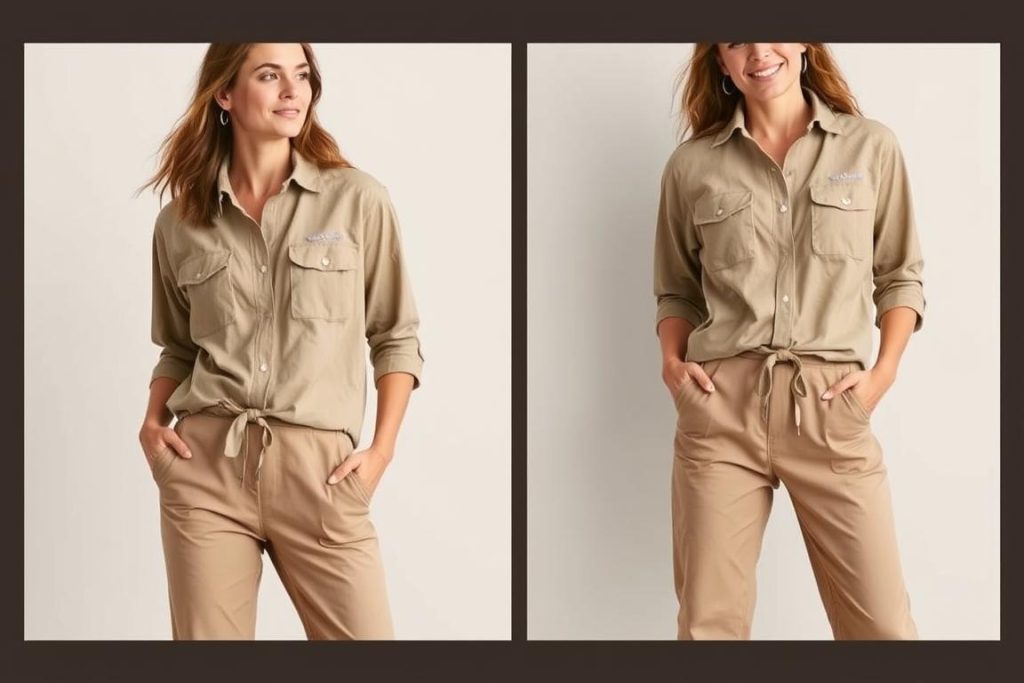
Columbia offers affordable technical shirts and pants with sun protection — solid basics for family packing lists.
REI Co-op
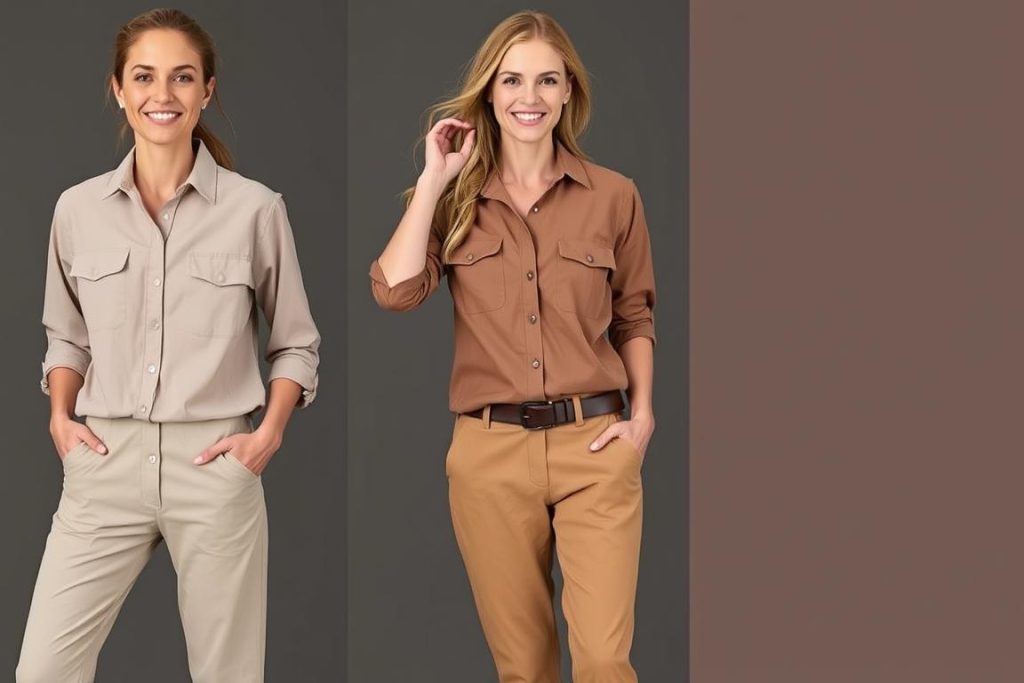
REI Co-op balances quality and price, and often carries men’s and kids’ sizing suitable for family travel.
Decathlon

Decathlon provides very affordable technical pieces — a good option for kids’ growth spurts or single-use items.
Mixing price points often yields the best family value: invest in a few high-impact pieces (boots, UPF shirts, a versatile jacket) and save on basics and lodge wear. See our “best value buys for families” checklist later for specific men’s, women’s, and kids’ recommendations.
African Safari Clothing Outfitters: Authentic Expertise
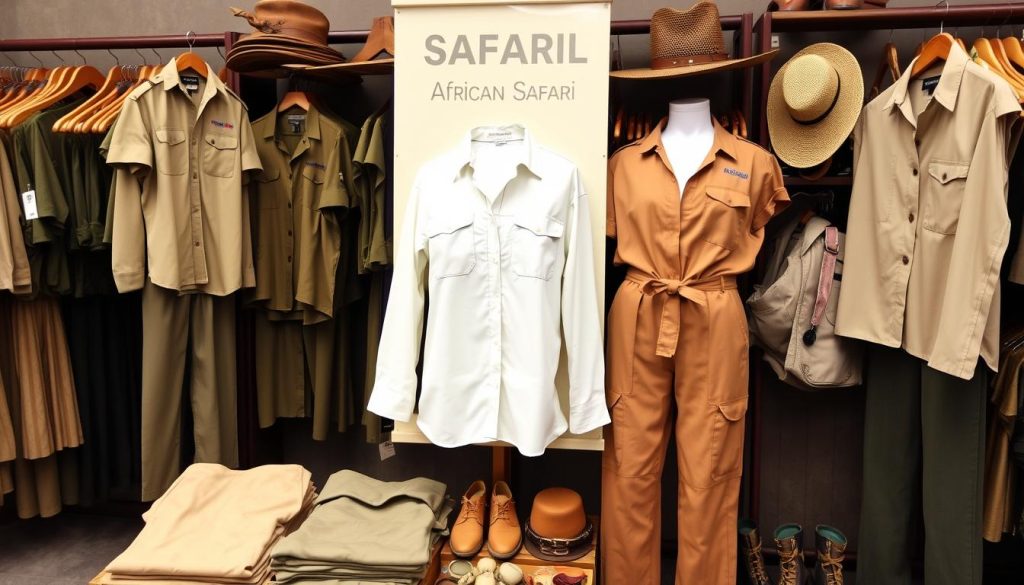
For truly authentic safari wear, consider purchasing from outfitters based in Africa. These companies design and test clothing specifically for regional conditions, offering practical features informed by decades of field experience — and many carry ranges for women, men, and children to outfit whole families for a safari adventure.
Leading African Safari Clothing Brands
Mara&Meru (South Africa)
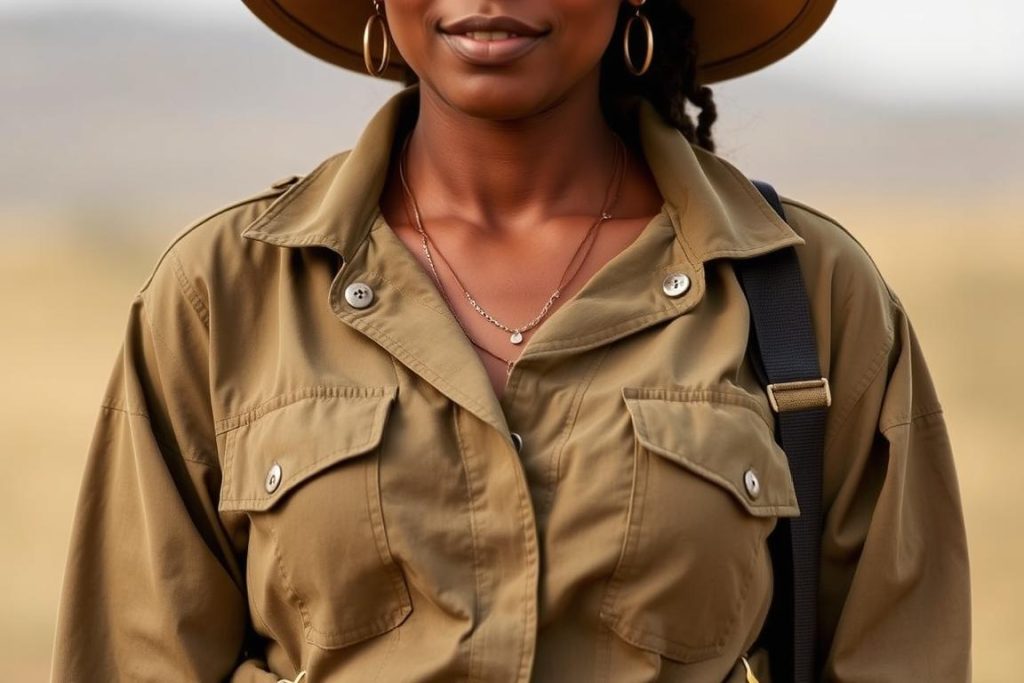
Created by safari guides and conservationists, Mara&Meru builds practical pieces with features tailored to African conditions. They typically offer men’s and women’s cuts and practical sizing for families shopping together.
Signature items: Safari shirts and explorer pants with functional pockets and breathable fabrics.
Safari Store (South Africa)
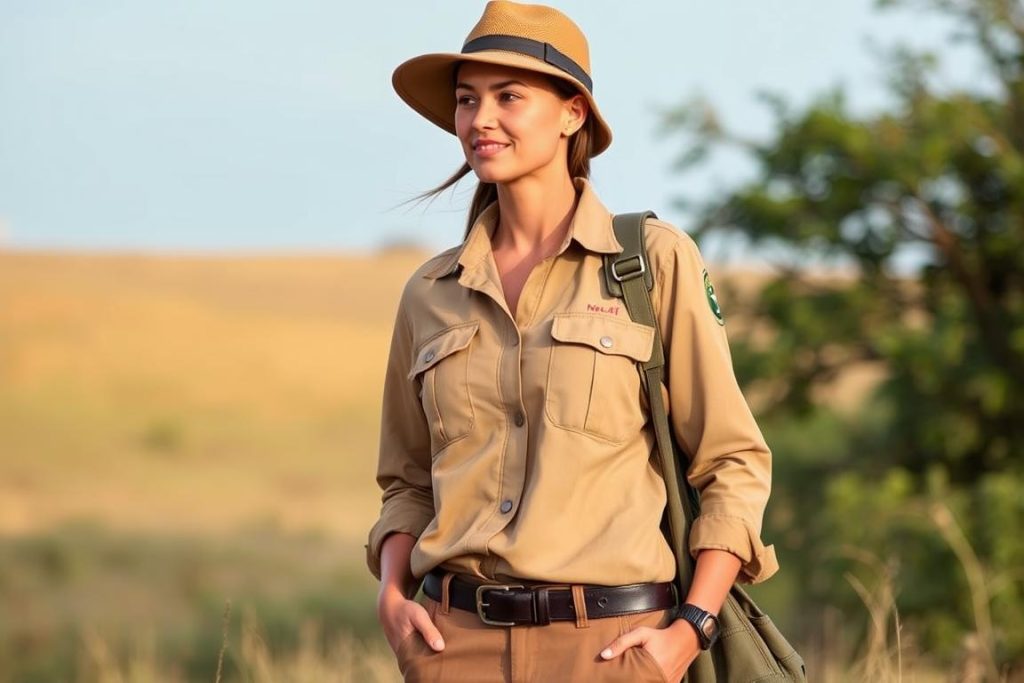
This specialist retailer offers in-house lines and curated international brands tested in African conditions. Expect a wide selection across sizes and practical options like anti-insect garments and convertible pants for kids and adults.
Signature items: Convertible pants, anti-insect clothing, and travel-ready outerwear.
Kakadu Australia
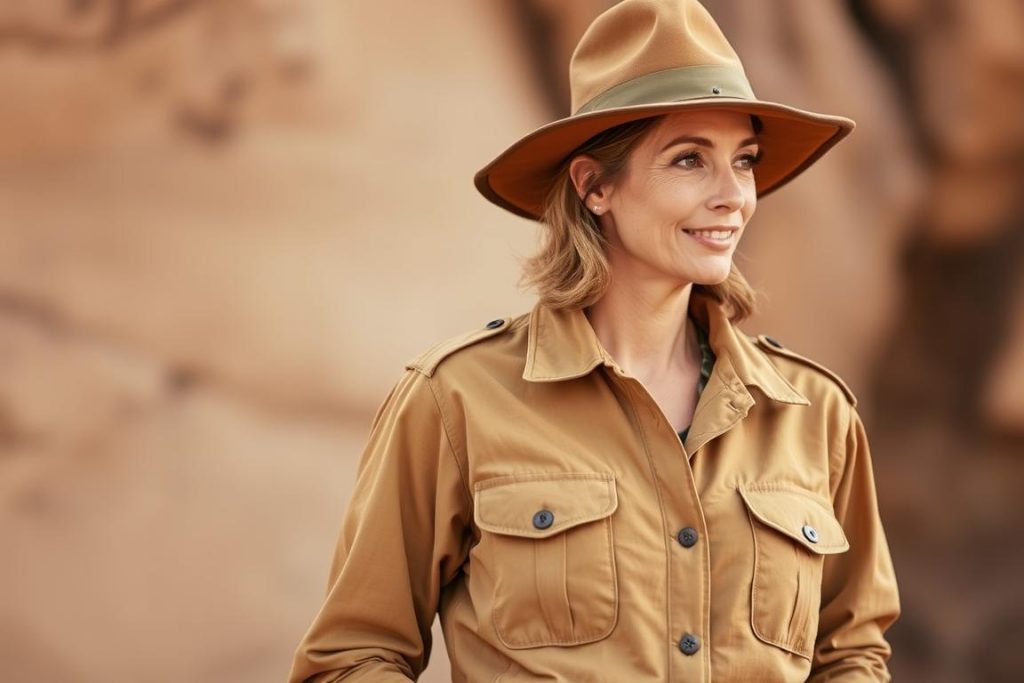
Although Australian, Kakadu’s rugged outback clothing adapts well to African safaris — durable, sun-protective pieces that work for men and women and are often available in kid-friendly sizes too.
Signature items: Durable hats, sturdy jackets, and tough shirts built for hot, sunny conditions.
Benefits of Choosing African Outfitters
Authentic Expertise
Outfitters based in Africa design with local climate, terrain, and user needs in mind — expect practical features like reinforced stitching, dust guards, UPF fabrics, and insect-protective treatments that have been refined in the field.
Many consult guides and lodge staff during product development, ensuring functional details that matter on game drives and at camps.
Supporting Local Economies
Buying locally supports businesses and communities in safari regions. Many African outfitters also engage in conservation initiatives or ethical production practices, offering a way to align purchases with positive impact.
Shopping Tip
If your itinerary includes time in major African cities like Johannesburg, Cape Town, or Nairobi, consider shopping after arrival — you may find well-priced, locally tailored options and the opportunity to try fits (useful for men and kids). When trying pieces, check for: UPF rating, secure pockets, reinforced seams, ventilation, and comfortable fit — especially for children who need ease of movement.
Men’s Safari Style Clothing: A Brief Overview
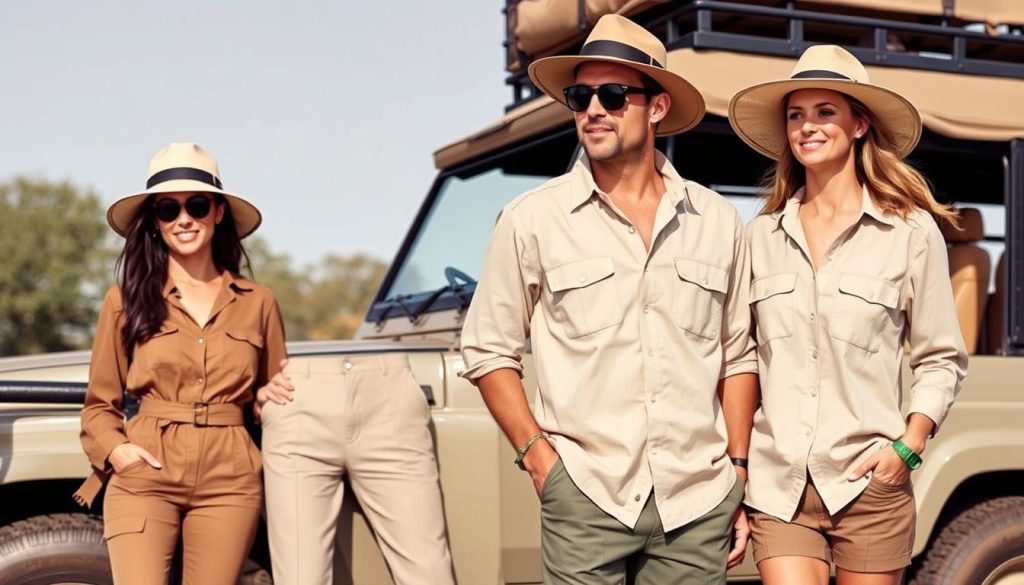
Although this guide highlights “safari clothes for women” for SEO, the advice applies to everyone. Understanding men’s safari style is useful for couples traveling together, families packing for kids, or anyone who prefers a looser, utilitarian fit.
Key Differences in Men’s Safari Clothing
Fit and Styling
Men’s safari pieces typically have a more relaxed, straight cut with less tailoring at the waist. Shirts often feature larger pockets and roomier silhouettes to layer easily over base layers. If you prefer a less fitted look, women’s items in a larger size or men’s cuts can provide the comfort and mobility you want.
Stick to neutral palettes — khaki, olive, tan, and stone — which work well for blending into the environment and coordinating family outfits for cohesive safari photos.
Fabric and Construction
Men’s garments often use slightly heavier or more rugged fabrics and reinforced stitching at stress points for durability. Technical features — ventilation panels, UPF protection, moisture-wicking finishes — remain important and are commonly available in men’s lines as well.
For family travel, choose men’s styles with adjustable waists or taped seams to give more flexibility across activities and seasons.
Essential Men’s Safari Pieces
Tops
- Long-sleeved button-down shirts with ventilation and UPF
- Technical t-shirts in neutral colors for layering
- Lightweight quarter-zip pullovers or fleeces for cool mornings
Bottoms
- Convertible zip-off pants for temperature flexibility
- Cargo or explorer pants with secure pockets
- Quick-dry shorts for lodge time and hot afternoons
Accessories
- Wide-brimmed hat or cap with chin strap
- Durable leather or webbing belt
- Polarized sunglasses with a secure fit for game drives
Many safari items are effectively unisex: choose by fit and function. Men packing for a family trip should prioritize versatile pieces (one good jacket, convertible pants, reliable footwear) that cover multiple activities and reduce overall luggage for the group.
Safari Clothing for Babies and Children (0-15 Years)
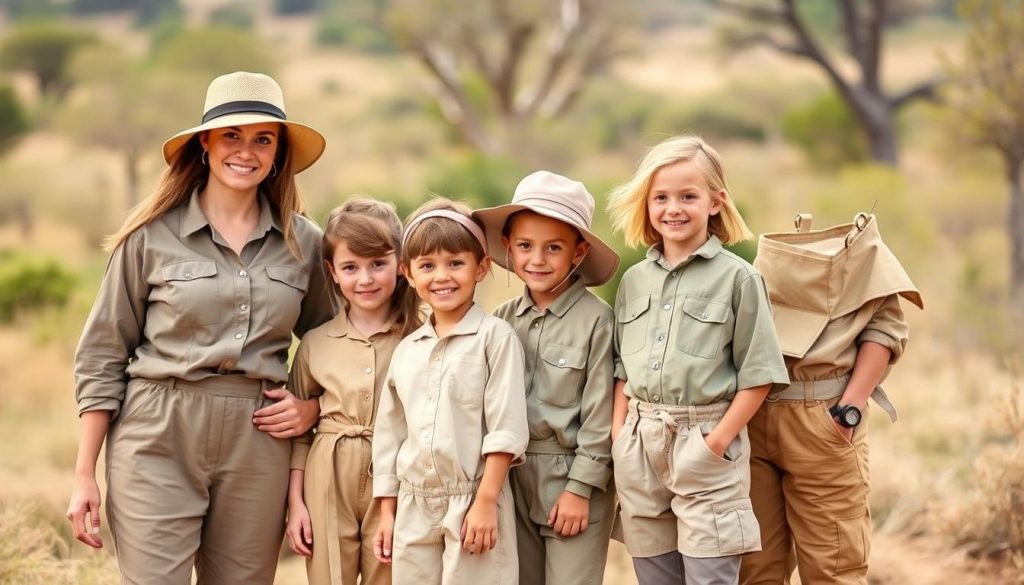
Bringing children on safari creates magical memories that last a lifetime. Dressing young adventurers appropriately keeps them comfortable, protected, and ready to enjoy game drives, lodge time, and short walks — whether you’re traveling as a family or joining a multi-generational group.
Special Considerations for Children’s Safari Wear
Sun Protection
Children’s skin is more sensitive to sun damage, so UPF-rated clothing and hats are essential. Choose full-coverage options (long sleeves and long pants) and hats with neck flaps and secure chin straps to protect faces and necks during long, sunny days.
Comfort and Practicality
Kids want to move — prioritize soft, non-restrictive, quick-dry fabrics that wash easily. Materials like lightweight cotton blends or moisture-wicking synthetics are ideal. Include a small supply of wipes and easy-change items to handle spills and quick clean-ups between lodge laundry cycles.
Safari Clothing by Age Group
Babies & Toddlers (0-3 years)
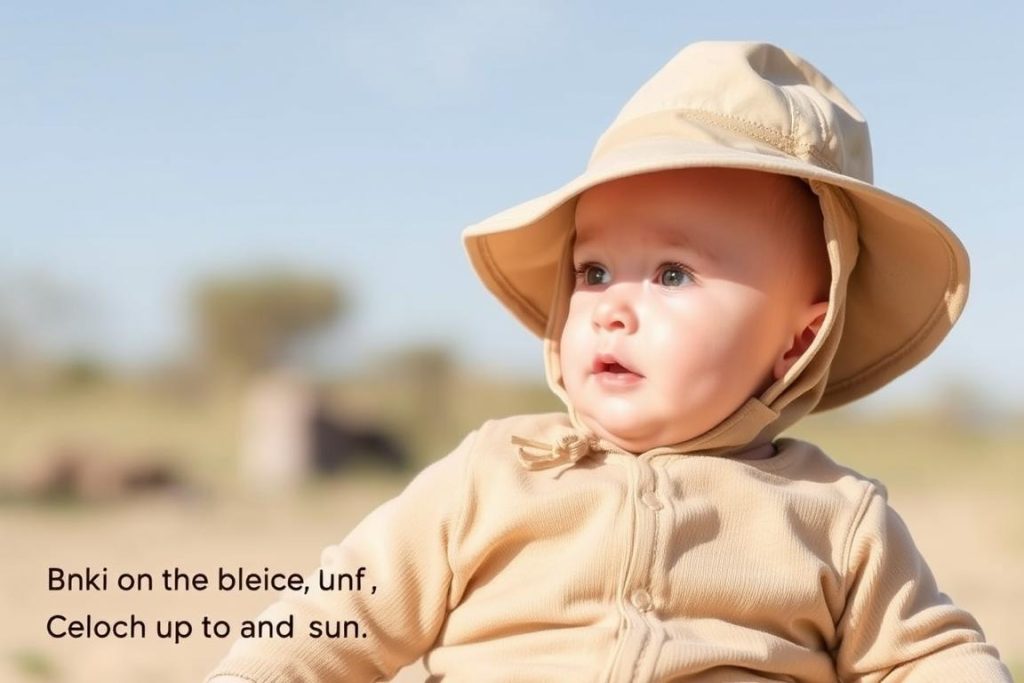
- Full-coverage onesies or rompers with UPF protection
- Sun hats with neck flaps and secure chin straps
- Lightweight long-sleeved tops and pants for sun and insect protection
- Soft, breathable fabrics that won’t irritate sensitive skin
Young Children (4-8 years)
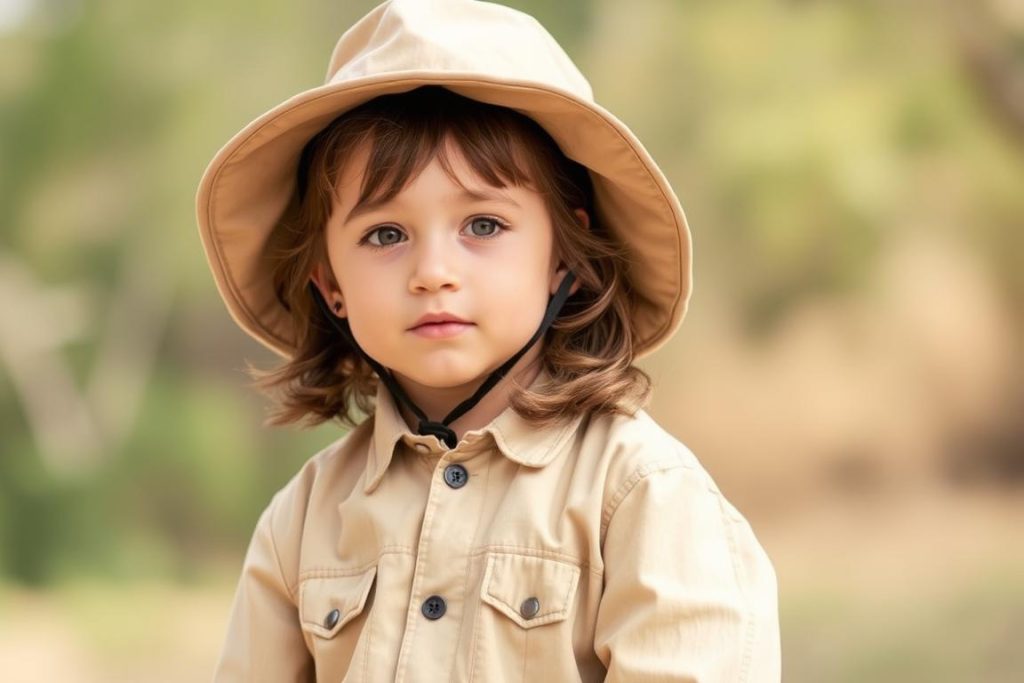
- Convertible pants that zip off to shorts for changing temperatures
- Lightweight long-sleeved shirts with roll-up sleeves and UPF protection
- Bucket hats or caps with neck protection and adjustable straps
- Closed-toe shoes with good traction for lodge paths and short walks
- Easy-to-manage clothing so kids can dress themselves between activities
Older Children & Teens (9-15 years)
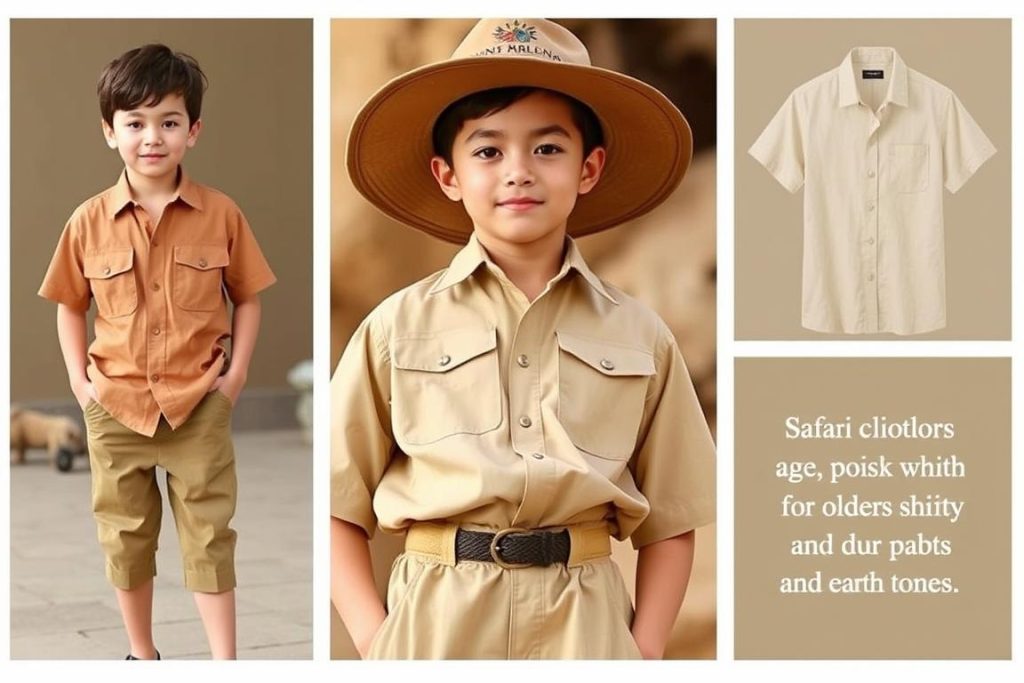
- Scaled-down adult safari clothing in technical fabrics (moisture-wicking, UPF-rated)
- Multiple pockets for small guides, snacks, and personal items
- Sturdy footwear suitable for occasional walking safaris
- Age-appropriate styling so teens are more likely to wear layers and sun protection
Important Safety & Practical Notes
Neutral earth tones help children blend with the environment — a cautious safety measure advised by many operators. Also, check operator age restrictions for specific activities (some walking safaris and gorilla treks have minimum age limits). For family logistics: pack extra quick-dry underwear and socks, bring a small first-aid kit with child-safe insect repellent and sunscreen, and confirm laundry options at your lodge to plan how many changes per child you’ll need for the trip.
Seasonal Considerations for Safari Clothing
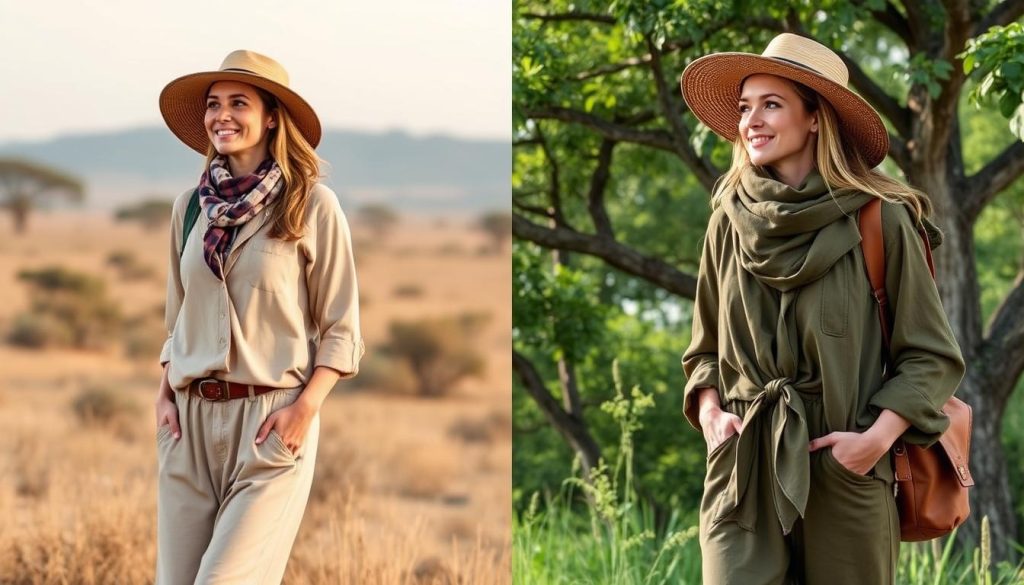
Africa’s diverse regions experience distinct seasonal patterns that significantly affect what you pack. Knowing the season and regional climate for your safari — whether an African safari in East Africa or a trip to South Africa — helps you choose the right layers and gear for game drives, lodge time, and family comfort.
Major Safari Seasons and Clothing Requirements
| Season | Weather Conditions | Clothing Recommendations |
| Dry Season (Winter) June–October |
Cool mornings/evenings (approx. 40–50°F / 4–10°C) Warm, sunny days (70–85°F / 21–29°C) Little to no rainfall; dusty conditions |
Warm layers for morning game drives (fleece or lightweight down) Medium-weight jacket, long-sleeved shirts and lightweight pants Dust protection (scarves, buffs) and closed footwear |
| Green Season (Summer) November–May |
Warmer mornings/evenings (60–70°F / 15–21°C) Hot days (80–95°F / 26–35°C) Intermittent rain, higher humidity, lush vegetation |
Lightweight, quick-dry clothing and moisture-wicking layers Rain jacket or poncho, convertible pants, waterproof footwear Insect-repellent clothing and stronger insect protection for kids |
| Shoulder Seasons (May & November) |
Unpredictable transitions with a mix of hot and cool days and variable rainfall | Versatile layering pieces, a mix of dry- and green-season items, and adaptable options like zip-off pants |
Regional Climate Variations
East Africa (Kenya, Tanzania)
Proximity to the equator keeps days relatively warm year-round, but altitude matters — highland areas (Ngorongoro, some parts of the Rift Valley) can be much cooler. Pack layers for cool mornings and breathable pieces for daytime game drives.
Pack for: Consistent daytime warmth with cooler highlands and chilly mornings.
Southern Africa (South Africa, Botswana, Namibia)
Seasonal swings are more pronounced. South Africa and Namibia can have genuinely cold winter mornings and evenings, especially inland, while summer brings heat and thunderstorms. If your itinerary covers South Africa or Botswana, include warmer layers for early drives in winter.
Pack for: Significant temperature variation between seasons and times of day.
Central & West Africa (Uganda, Rwanda)
These regions tend to be more humid with higher rainfall and less temperature variation, though mountainous areas (for gorilla trekking) are cooler. Waterproof gear and quick-dry fabrics are essential.
Pack for: Rain, humidity, and terrain-appropriate clothing for trekking.
Family travel tip: seasons affect activity availability (some lodges limit walking safaris in wet conditions and some experiences have age restrictions). Check operator guidance for your exact travel dates and pack an extra lightweight layer for children — mornings can be colder than you expect. For the most accurate advice, ask your lodge or tour operator about typical conditions during your trip.
Safari Packing Tips and Outfit Combinations
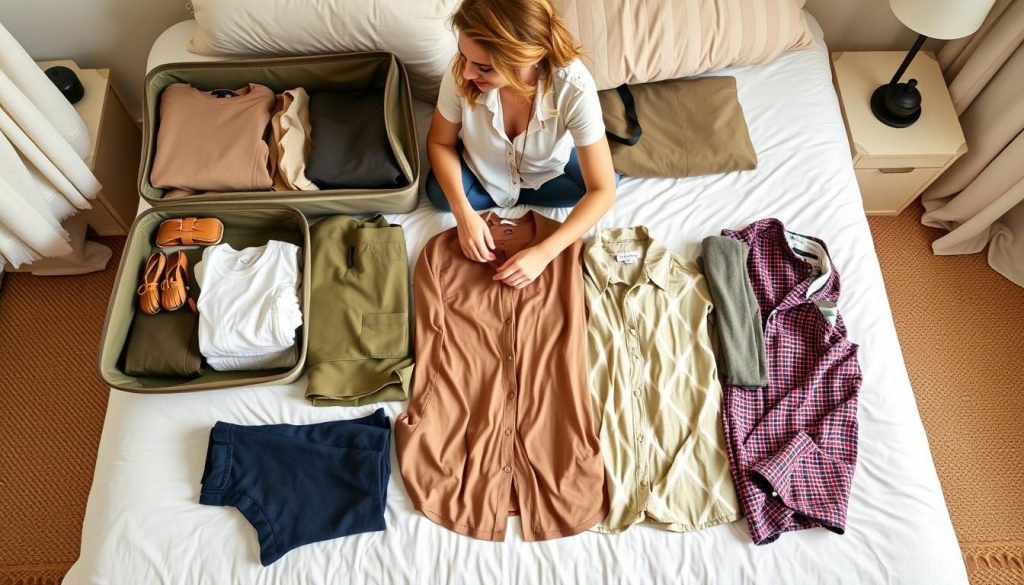
Creating a versatile safari wardrobe that fits within strict luggage limitations requires strategic planning. With thoughtful selection and organization, you can pack everything you need for women, men, and kids while staying within weight limits for small aircraft and keeping outfits functional across game drives, lodge time, and family activities.
Capsule Wardrobe Approach
The key to efficient safari packing is a capsule wardrobe: pick 8–12 core pieces that mix and match, plus multi-use accessories. Choose neutral tones so items coordinate easily — this reduces the number of pieces you need while maximizing possible outfits.
Color Coordination
Select a cohesive palette of 3–4 neutral tones that all work together. Earth tones like khaki, olive, tan, and soft terracotta create a harmonious safari wardrobe where everything mixes and matches effortlessly. Use subtle patterns or textures rather than bright colors to keep outfits appropriate for the bush.
Versatile Pieces
Prioritize multi-functional items: convertible pants, reversible jackets, and shirts that work buttoned-up or open as a lightweight layer. These pieces serve across activities — from morning game drives to lodge relaxation — cutting down the number of things to pack.
Family & Couple Variations
For couples and families, coordinate a shared palette so everyone’s pieces interchange. Sample adjustments:
- Couples: each bring one versatile jacket and share small items like binoculars and charger banks to save luggage space.
- Families: pack one extra pair of kids’ quick-dry bottoms per child, a small first-aid kit, and wipes; plan laundry stops at lodges when available.
Sample 10-Day Safari Packing List (Per Adult)
| Category | Items | Quantity |
| Tops | Long-sleeved safari shirts Short-sleeved or tank tops Lightweight sweater or fleece |
3 2 1 |
| Bottoms | Convertible or full-length pants Shorts or skort Comfortable evening pants or skirt |
3 1 1 |
| Outerwear | Lightweight packable jacket Rain jacket or windbreaker |
1 1 |
| Footwear | Trail runners or comfortable closed walking shoes Lodge sandals |
1 pair 1 pair |
| Accessories | Wide-brimmed hat Buff or scarf Sunglasses Daypack |
1 1 1 1 |
| Undergarments | Quick-dry underwear Sports bras Moisture-wicking socks |
5–7 2–3 3–5 |
| Extras | Swimsuit, sleepwear, small laundry soap, chargers | 1 1 small |
Sample Family Adjustments
- Kids: add 1–2 extra quick-dry bottoms and an additional set of socks per child; include a hat with neck flap and child-safe sunscreen.
- Couples: share a single set of bulky electronics (binoculars, camera lenses) when possible to reduce luggage.
- Luggage limits: for small-aircraft transfers, keep checked luggage under weight limits (often 15–20 kg per bag) and pack heavy items in worn layers when flying.
Sample Outfit Combinations
Morning Game Drive
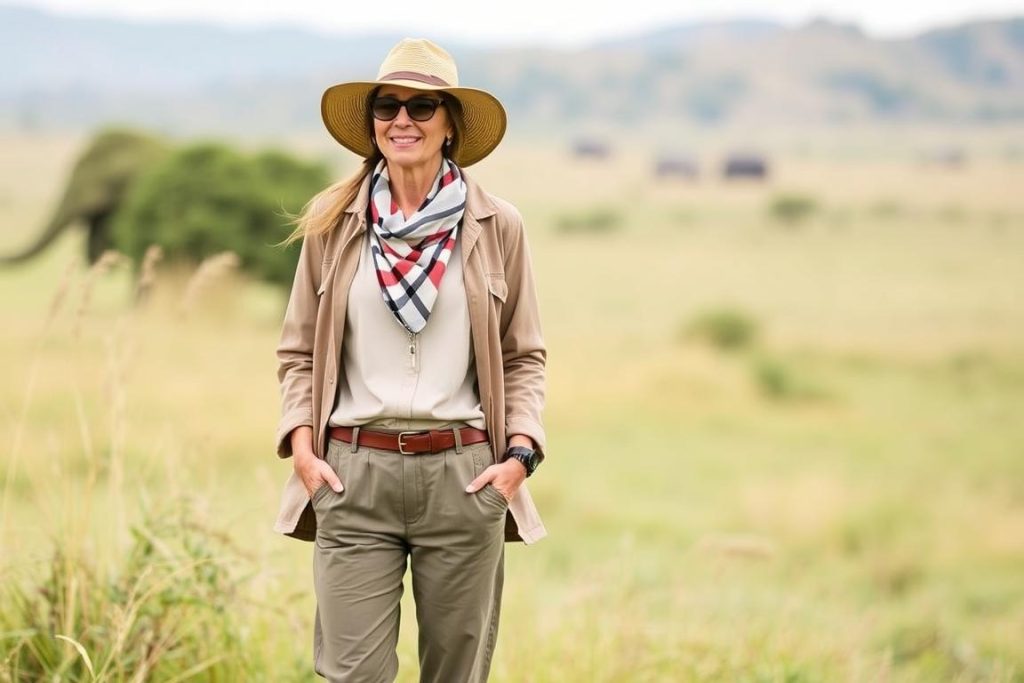
- Base: lightweight tank or tee
- Mid: long-sleeved shirt (UPF)
- Outer: packable jacket or fleece
- Bottom: full-length safari pants
- Accessories: wide-brimmed hat, buff, sunglasses
- Footwear: trail runners or closed shoes with socks
Afternoon at the Lodge

- Top: short-sleeved shirt or tank
- Bottom: shorts or skort
- Accessories: sunglasses, sun hat
- Footwear: comfortable sandals
- Optional: swimsuit for pool time
Evening Dinner
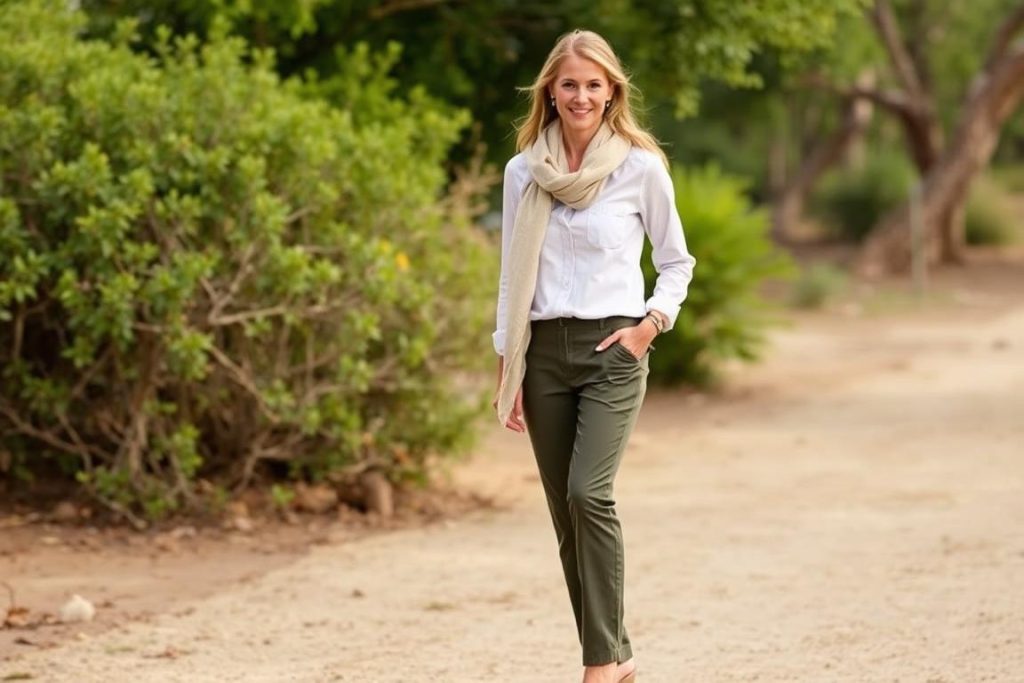
- Top: button-down or nicer shirt
- Bottom: full-length pants or casual skirt
- Layer: light sweater or wrap
- Accessories: simple scarf or jewelry
- Footwear: sandals or comfortable closed shoes
Packing Tips & Tricks
Use packing cubes and roll garments to save space. Place heavier items near wheels in checked luggage and pack delicate camera gear in carry-on with padded protection. Include a small repair kit and a travel clothesline for quick lodge drying. Plan to wear the bulkiest items on travel days to reduce checked weight.
Free Safari Packing Checklist
Planning your safari wardrobe for women, men, or kids? Download our comprehensive, customizable packing checklist — available in single, couple, and family versions with recommended item counts and luggage tips.
Sustainable and Ethical Safari Clothing
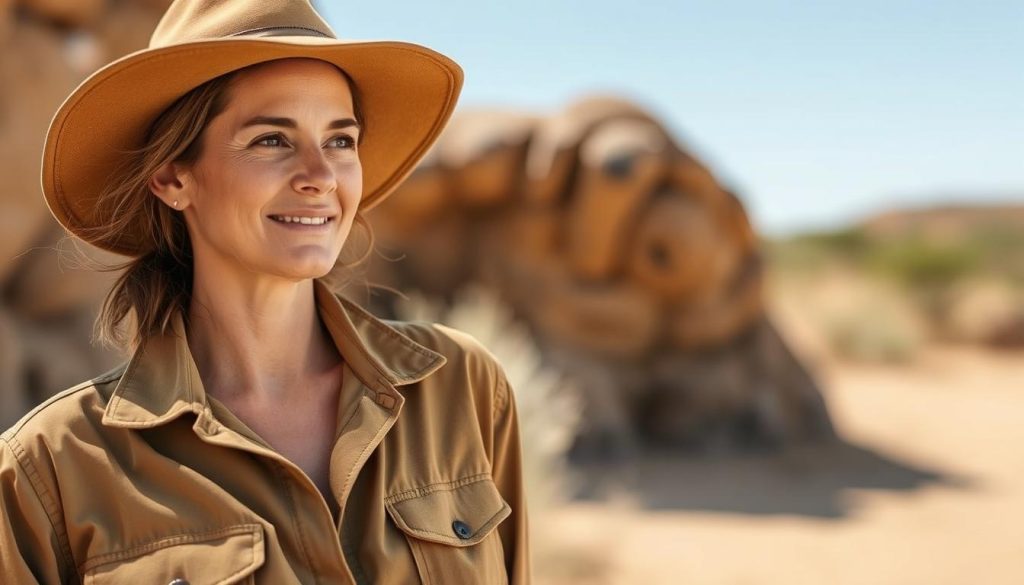
As visitors to some of the world’s most precious ecosystems, safari travelers can align clothing choices with conservation values. Sustainable safari wear reduces environmental impact, supports ethical production where possible, and often delivers durable pieces that perform well across multiple trips — a smart approach for women, men, and families traveling together.
Key Considerations for Sustainable Safari Clothing
Materials and Production
Favor natural fibers such as organic cotton and linen for breathability and biodegradability, or look for responsibly sourced recycled synthetics that divert waste from landfills. Check for transparent supply chains, fair labor practices, and third-party certifications (GOTS, Fair Trade, bluesign®) to avoid greenwashing.
Longevity and Versatility
Invest in high-quality pieces that last: durable stitching, repairable hardware, and timeless cuts reduce overall consumption. Versatile items you can wear beyond the safari — a packable jacket, durable pants, or neutral shirts — increase cost-per-wear and lower your travel footprint. For kids, consider second-hand or hand-me-down strategies to reduce waste from rapid growth.
Sustainable Safari Clothing Brands
Patagonia
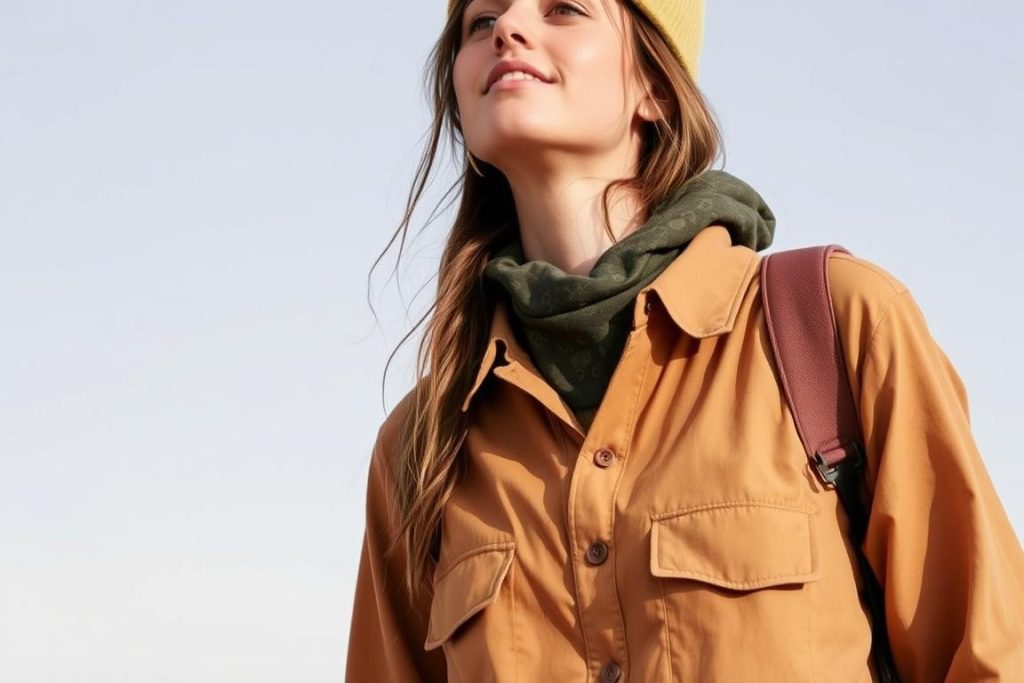
Patagonia is a leader in durable, repairable outdoor gear with a strong emphasis on recycled materials and transparent supply chains. Their pieces are built for years of travel and often come with repair programs to extend lifespan.
Recommended items: Lightweight pants, performance base layers, and packable shells suitable for safari travel.
Prana
Prana combines style and sustainability, using organic cotton and recycled fabrics in many pieces. Their focus on versatile, travel-ready clothing makes them a good option for safari wardrobes that aim to be eco-conscious.
Recommended items: Travel pants, casual layering shirts, and sun-protective hats.
Cotopaxi
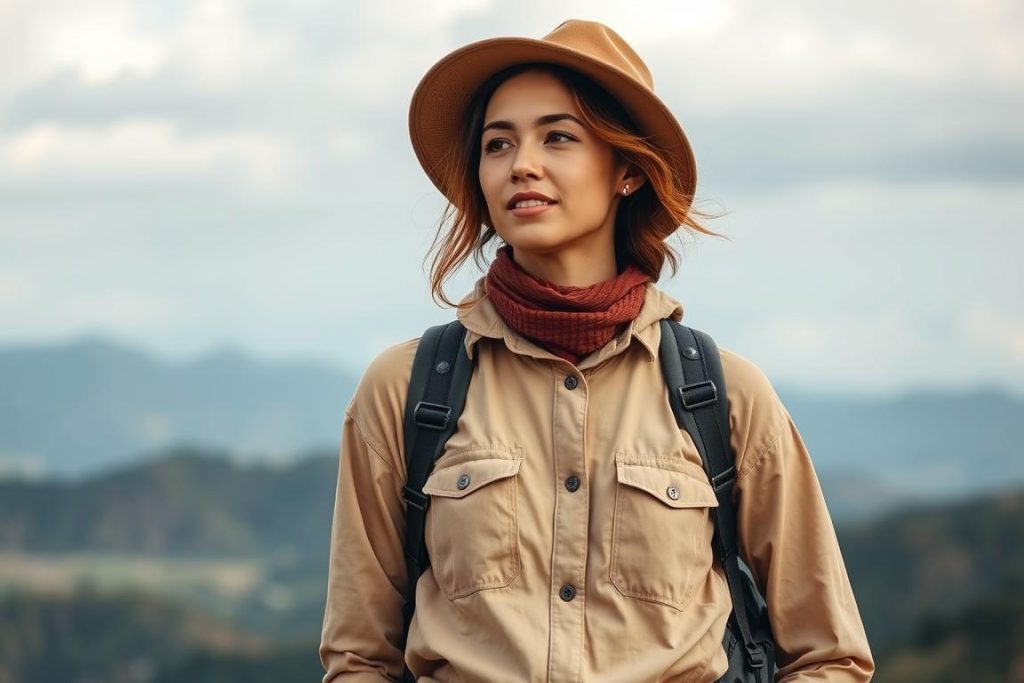
Cotopaxi, a certified B Corp, offers colorful, functional outdoor pieces made with recycled materials and a social mission. Their durable gear works well for active safaris and family travel.
Recommended items: Lightweight travel pants, windbreakers, and daypacks that double for everyday use.
Practical sustainability tips: buy fewer, better-quality pieces; repair rather than replace; consider pre-owned items for growing kids; and verify sustainability claims via certifications (GOTS, Fair Trade, bluesign®, B Corp) to ensure third-party validation.
Where to Buy Safari Clothing: Complete Shopping Guide
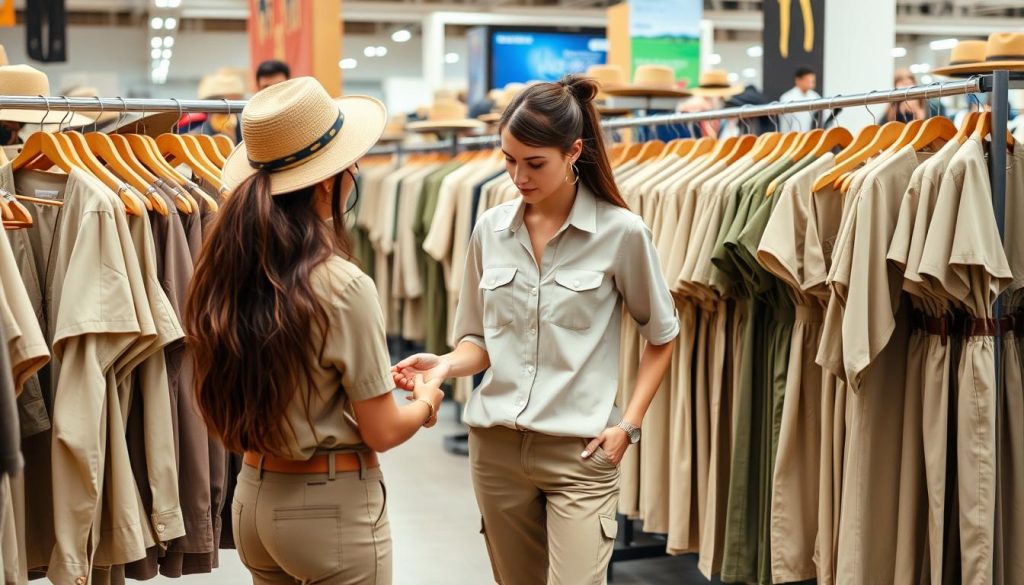
Finding the perfect safari wardrobe doesn’t have to be challenging. From specialized outfitters to mainstream outdoor retailers, there are options for every budget and sizing need — including good ranges for women, men, and kids. Use this guide to decide where to buy, when to shop, and how to evaluate quality for travel-ready pieces you’ll use on many trips.
Best Places to Shop for Safari Clothing
Specialized Safari Retailers
- Safari Store: Comprehensive selection of safari-specific clothing and anti-insect options
- Orvis: Classic, durable pieces with refined styling for lodge evenings and travel
- Tilley: Renowned hats and travel-focused garments built to last
- ExOfficio: Travel-tested technical clothing with insect-protection lines
Outdoor Retailers
- REI: Wide selection of technical outdoor clothing and reliable customer service
- Columbia: Affordable performance wear with sun-protective fabrics suitable for families
- Patagonia: Durable, sustainable outerwear and pants (check specific warranty/repair programs)
- Mountain Hardwear: Technical pieces for variable conditions and serious outdoor use
Budget-Friendly & Secondhand Options
- Decathlon: Very affordable technical clothing — great for kids’ growth spurts
- Sierra / discount outlets: Seasonal deals on outdoor brands
- Amazon: Wide selection across price points — verify reviews and specs
- Local thrift stores / consignment: Sustainable second-hand finds, especially useful for children
When to Shop for Safari Clothing
Timing Your Purchases
Begin shopping at least 2–3 months before your safari to allow time for ordering, returns, and breaking in footwear. This schedule also lets you watch for major sales (seasonal transitions often bring discounts) and gives you time to test fit and comfort.
Shopping at Your Destination
Consider buying some items after arrival in Africa — major cities like Johannesburg, Cape Town, and Nairobi often have excellent outfitters with locally suited pieces and good selection for men and kids. Shopping locally supports regional businesses and can reduce what you need to pack.
How to Choose Quality Safari Clothing
What features indicate quality construction?
Look for reinforced stitching at stress points, durable zippers and hardware (YKK is common), articulated knees/elbows for mobility, and taped seams where waterproofing is important. Check for even stitching and strong seam finishes.
How can I assess fabric quality online?
Review specific fabric names and weights, technical specs (UPF rating, moisture-wicking), and customer feedback on real-world wear. Avoid vague descriptions; prioritize listings with measured fabric details and care instructions.
What’s the best way to determine fit when ordering?
Measure yourself and compare with each brand’s size chart. Read reviews for fit notes (runs large/small). If possible, order two sizes and return the one that doesn’t fit — start this process at least 6–8 weeks before travel for returns and exchanges.
How do I balance cost with quality?
Invest in items that affect safety and comfort most: footwear, UPF shirts, and a versatile jacket. Save on basics and lodge wear. Consider cost-per-wear: a pricier jacket you use for years can be a better value than several cheap replacements.
Family Shopping Tips
Look for retailers with generous return policies and good kids’ sizing ranges. Buy boots and shoes early so they can be broken in. Consider one extra set of essentials per child (socks, quick-dry underwear) and confirm laundry options at your lodge to plan luggage and packing counts accordingly.
Ready to Build Your Safari Wardrobe?
Download our shopping checklist — available in single, couples, and family versions — with recommended pieces, sizing tips, and a suggested timeline for buying and breaking in items before your trip.
Embracing the Safari Spirit: Final Thoughts
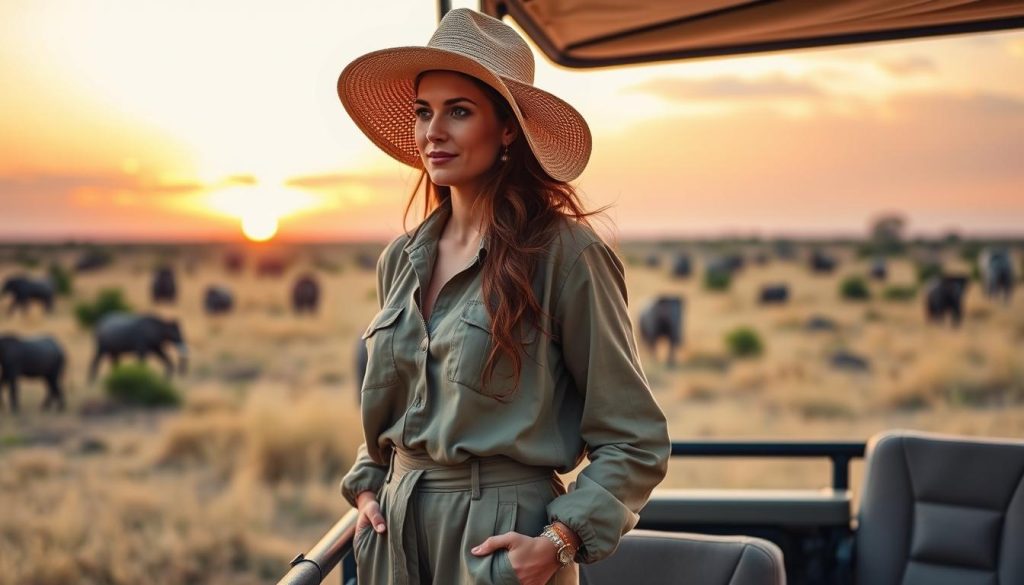
The perfect safari wardrobe does more than simply clothe you—it enhances your connection to the magnificent landscapes and extraordinary wildlife you’ve traveled so far to experience. When your clothing serves you well, it fades into the background, allowing you to be fully present in moments of wonder and discovery.
Remember that function should always lead fashion on safari, but the two need not be mutually exclusive. Today’s safari clothing options offer thoughtfully designed pieces that perform in challenging conditions while reflecting the timeless aesthetic of African adventure. Choose fabrics and cuts that keep you protected and comfortable on game drives and adaptable for lodge life.
As you prepare for your journey, choose pieces that speak to your personal style while respecting the practical demands of safari life. Pack with intention — prioritize versatility and quality over quantity, and plan outfits that work across mornings, afternoons, and evenings. This guidance applies whether you’re packing for women, men, or children: a streamlined wardrobe reduces luggage, simplifies mornings, and makes the whole trip more enjoyable.
The memories you create on safari will last a lifetime. May your carefully chosen wardrobe serve you well as you write your own chapter in the grand tradition of African exploration.