Imagine standing at the edge of a vast, perfect circle carved into Earth’s surface, gazing down upon an Eden-like sanctuary where lions roam freely among grazing zebras, where critically endangered black rhinos find refuge, and where the circle of life plays out in its most authentic form. This is Ngorongoro Crater – a place where time seems suspended in the mist that often clings to its forested rim, where the ancient and modern worlds converge in a spectacular display of nature’s grandeur. As your eyes sweep across this magnificent caldera, you become part of a tradition of wonder that stretches back millions of years, connecting you to both the primordial forces that shaped this land and the countless generations who have stood breathless before its beauty.
We invite you to journey with us into the heart of Tanzania’s crown jewel – a place where geology, wildlife, and human history intertwine to create one of Africa’s most compelling destinations. Whether you’re dreaming of your first safari or seeking to deepen your connection with this remarkable landscape, our comprehensive guide will illuminate the wonders of Ngorongoro Crater and inspire your own transformative journey to this sacred place.
The Geological Marvel: Formation of Ngorongoro Crater
The story of Ngorongoro Crater begins with fire and cataclysm. Between two and three million years ago, a massive volcano stood where the crater now lies – a towering peak that may have rivaled Kilimanjaro in height, reaching an estimated 4,500 to 5,800 meters. Then came the dramatic collapse. As the magma chamber beneath emptied following a major eruption, the mountain’s summit fell inward upon itself, creating what geologists call a caldera – essentially a cauldron-like hollow formed after a volcanic eruption.

What makes Ngorongoro truly exceptional is that it represents the world’s largest intact and unfilled volcanic caldera. With a diameter spanning approximately 16-19 kilometers (10-12 miles) and walls that tower 400-610 meters (1,300-2,000 feet) above the crater floor, the sheer scale of this geological wonder is difficult to comprehend until witnessed firsthand. The crater floor itself covers an area of about 260 square kilometers (100 square miles), creating a self-contained ecosystem unlike any other on Earth.
The Ngorongoro Crater is part of the greater Ngorongoro Conservation Area, which itself lies within the expansive Crater Highlands – a region shaped by intense volcanic activity along the eastern edge of the Great Rift Valley. This geological context helps explain the dramatic landscapes that characterize the region, including neighboring volcanic features like Olmoti Crater and Empakaai Crater, though neither matches Ngorongoro in scale or biodiversity.

The mineral-rich volcanic soil that lines the crater floor has fostered the growth of nutritious grasses, creating an ideal habitat for grazing animals. Meanwhile, groundwater seeping through the porous volcanic rock emerges as springs and streams, feeding the crater’s wetlands and Lake Magadi, a shallow alkaline lake that attracts thousands of flamingos during certain seasons. This unique combination of fertile soil and reliable water sources explains why such a dense concentration of wildlife thrives within the crater’s walls year-round.
UNESCO World Heritage Site: Global Recognition
The exceptional natural and cultural significance of Ngorongoro Crater received formal international recognition in 1979 when UNESCO designated the Ngorongoro Conservation Area as a World Heritage Site. This prestigious status acknowledges the area’s outstanding universal value to humanity, placing it alongside other global treasures like the Grand Canyon, the Great Barrier Reef, and the Serengeti Plains.

Initially inscribed for its natural significance, Ngorongoro’s UNESCO status was expanded in 2010 to recognize it as a Mixed Heritage Site, acknowledging both its ecological importance and its cultural significance as a cradle of human evolution. The Ngorongoro Conservation Area encompasses not only the crater itself but also Olduvai Gorge, where some of the earliest evidence of human ancestors has been discovered, including fossils dating back 1.75 million years.
The UNESCO designation highlights several exceptional features of the Ngorongoro Conservation Area:
In 2013, Ngorongoro was further honored when it was named one of the Seven Natural Wonders of Africa, cementing its status as one of the continent’s most remarkable landscapes. This recognition, along with its UNESCO designation, has helped raise awareness about the importance of preserving this unique ecosystem for future generations.

The UNESCO status brings both prestige and responsibility. The Ngorongoro Conservation Area Authority (NCAA) works diligently to balance conservation priorities with the needs of local communities, particularly the Maasai people who have traditionally inhabited the area. This delicate balance between preservation and sustainable use represents one of the most ambitious conservation models in Africa.
Experience the Wonder of Ngorongoro Crater
Join our expert guides on an unforgettable safari adventure into the heart of Tanzania’s most spectacular natural wonder. Our carefully crafted experiences offer intimate wildlife encounters while respecting this fragile ecosystem.
A World Within Walls: Ngorongoro’s Unique Ecosystem
The Ngorongoro Crater represents one of nature’s most remarkable experiments – a nearly self-contained ecosystem protected by natural walls. This “island in the sky” has evolved into a microcosm of East African environments, containing within its circular embrace a stunning variety of habitats within a relatively compact area.

The crater floor is dominated by open grasslands, where nutritious grasses thrive on the mineral-rich volcanic soil. These short-grass plains support large herds of grazers, from wildebeest and zebra to gazelles and buffalo. Scattered across this savanna are patches of acacia woodland, most notably the Lerai Forest, a beautiful yellow fever tree forest that provides shade and shelter for elephants and the crater’s elusive leopards.
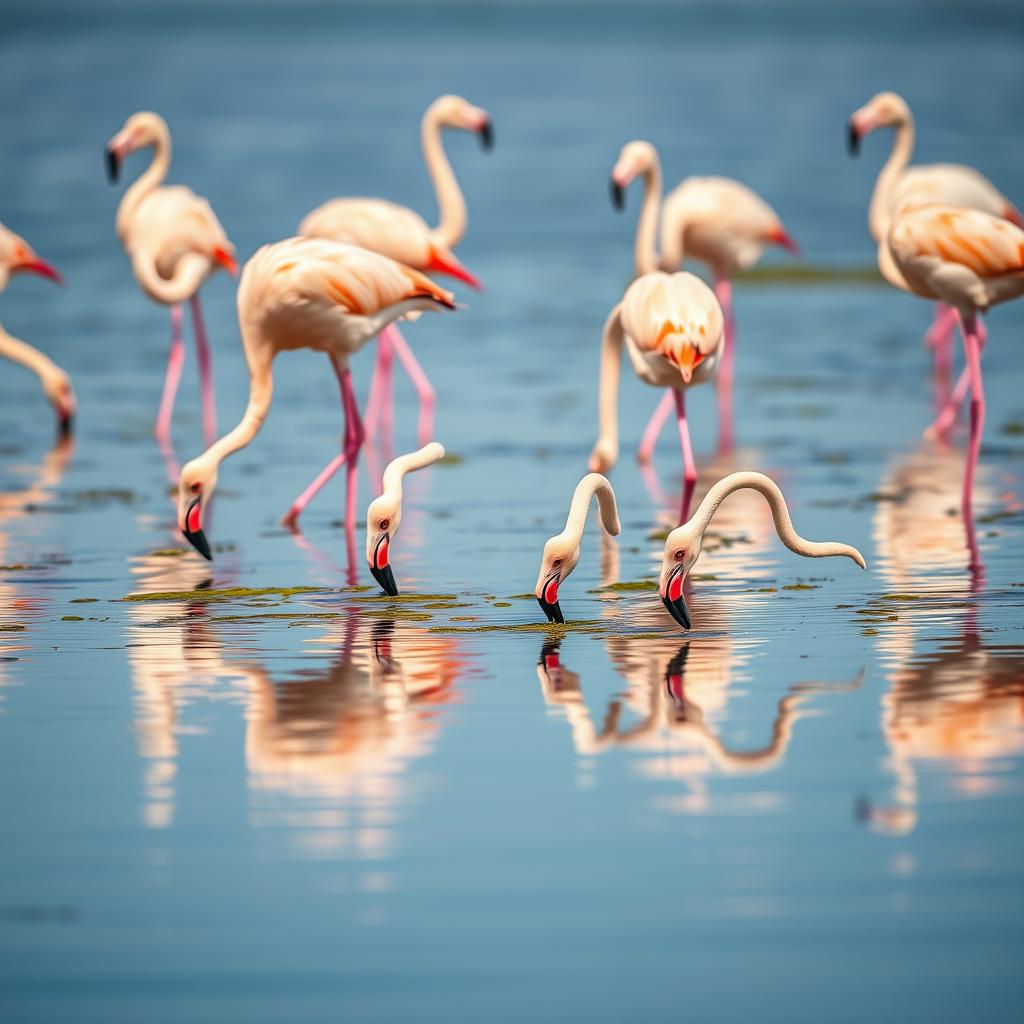
In the southern section of the crater lies Lake Magadi (sometimes called Lake Makat), a shallow alkaline lake that fluctuates in size depending on rainfall. The lake’s edges attract flamingos and numerous other water birds, while hippos wallow in the deeper sections. Surrounding the lake are marshlands and swamps fed by springs and streams, creating vital wetland habitats that support a different suite of species.

What makes this ecosystem truly remarkable is its relative isolation. While the crater is not completely closed – animals can and do move up and down the crater walls – the steep slopes create a natural barrier that keeps many species contained within this protected sanctuary. This partial isolation has led to some interesting ecological adaptations and population dynamics.
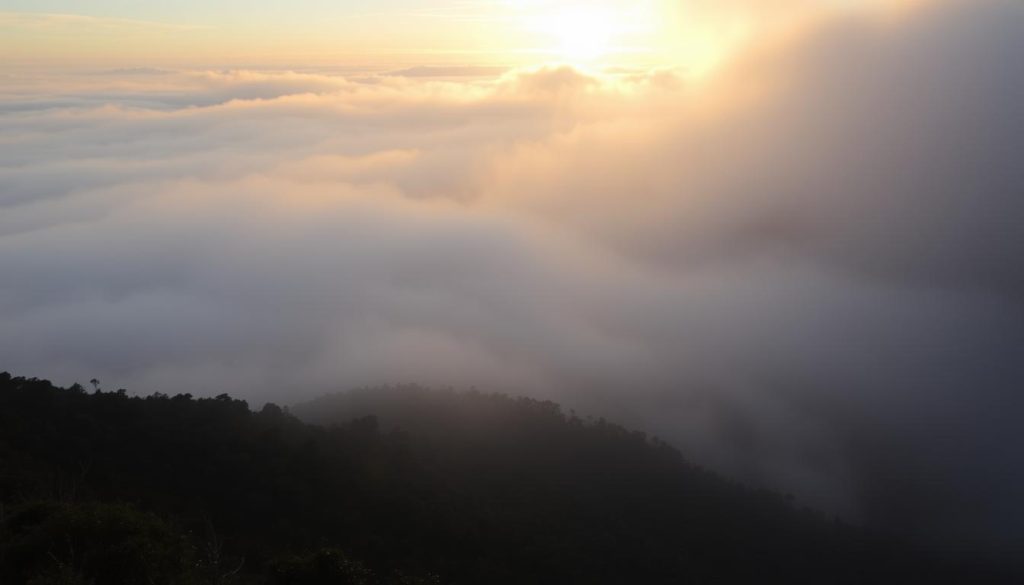
The crater’s elevation also influences its climate and vegetation. The rim sits at approximately 2,200-2,400 meters (7,200-7,900 feet) above sea level, while the floor lies about 600 meters lower at around 1,800 meters (5,900 feet) above sea level. This elevation difference creates distinct microclimates, with the rim often shrouded in mist and supporting montane forest vegetation, while the floor experiences warmer, drier conditions conducive to grassland habitats.
This extraordinary combination of habitats, contained within the dramatic circular walls of an ancient volcano, creates a wildlife sanctuary of unparalleled density and diversity. It’s a testament to nature’s resilience and the complex web of life that can develop when geography, climate, and biology intersect in just the right way.
Weather and Climate: When to Visit Ngorongoro Crater
The weather patterns in Ngorongoro Crater play a crucial role in shaping both the landscape and wildlife behavior throughout the year. Understanding these patterns is essential for planning your visit to ensure the best possible experience in this remarkable ecosystem.

Despite being located just a few degrees south of the equator, Ngorongoro’s high elevation means it experiences a cooler climate than you might expect for East Africa. The crater rim typically sees temperatures ranging from 7-20°C (45-68°F), while the crater floor is usually a few degrees warmer. Mornings and evenings can be quite chilly, especially on the rim, making layers essential for any visit.
The region experiences two distinct rainy seasons and two dry seasons:
| Season | Months | Weather Characteristics | Wildlife Viewing | Visitor Experience |
| Long Dry Season | June to October | Clear skies, virtually no rainfall, cooler temperatures | Excellent – animals concentrate around water sources | Peak tourist season, more vehicles, ideal photography conditions |
| Short Rainy Season | November to December | Afternoon showers, increasing humidity, greening landscape | Very good – animals more dispersed but still visible | Fewer crowds, lush scenery, occasional rain delays |
| Short Dry Season | January to February | Brief dry spell, warm days, occasional showers | Excellent – calving season for wildebeest and zebra | Moderate visitor numbers, good value, dramatic predator action |
| Long Rainy Season | March to May | Heavy rainfall, possible thunderstorms, lush vegetation | Challenging – animals dispersed, tall grass limits visibility | Lowest visitor numbers, reduced rates, possible access issues |
The crater’s weather can be quite localized and changeable. The rim often experiences mist and cloud cover, particularly in the morning, while the floor may be bathed in sunshine. This microclimate variability adds to the mystique of Ngorongoro but also means visitors should be prepared for sudden weather changes regardless of season.
Best Time to Visit
For first-time visitors seeking optimal wildlife viewing conditions, the long dry season (June to October) offers the most reliable experience. Animals concentrate around diminishing water sources, vegetation is shorter, improving visibility, and road conditions are at their best. However, this coincides with peak tourist season, meaning more vehicles and higher prices.
The short dry season (January to February) offers an excellent alternative with good wildlife viewing, including the wildebeest calving season, while avoiding the heaviest tourist crowds. This period represents an ideal balance of wildlife activity, reasonable weather, and moderate visitor numbers.
Weather Considerations
The long rainy season (March to May) presents the biggest challenges for visitors, with heavy downpours potentially making roads slippery and some areas temporarily inaccessible. However, this “green season” also offers lush landscapes, dramatic skies for photography, and significantly reduced visitor numbers – along with the lowest prices of the year.
Regardless of when you visit, always pack warm clothing for the cool mornings and evenings, particularly if staying on the crater rim. A waterproof jacket is advisable year-round, as showers can occur even during nominally dry seasons, especially on the higher-elevation rim.
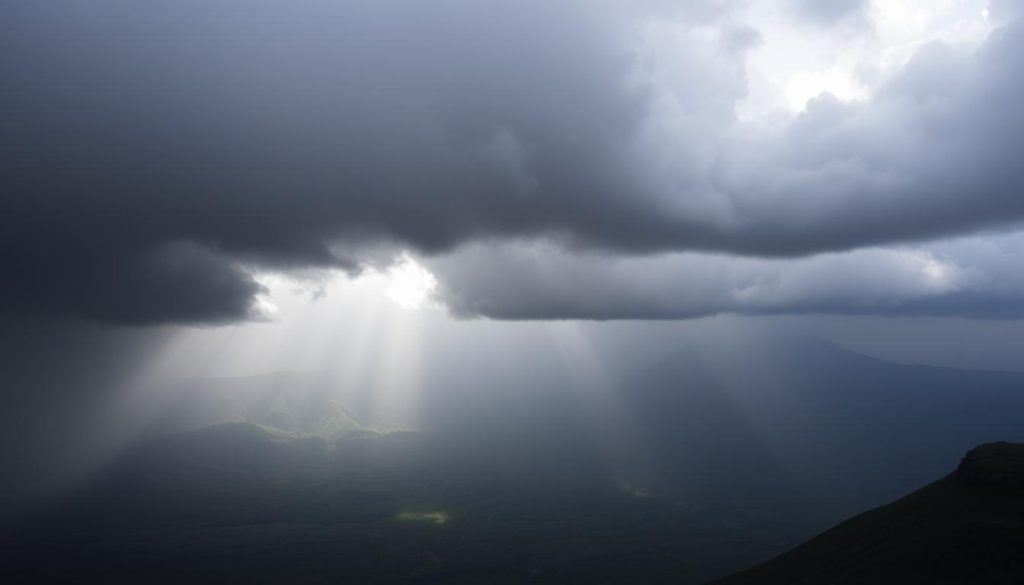
The crater’s weather patterns not only affect visitor experience but also drive the natural rhythms of this ecosystem. The alternating wet and dry seasons create the conditions for the nutritious grasses that support the crater’s abundant herbivores, which in turn sustain the predators. This seasonal pulse is the heartbeat of Ngorongoro, a cycle that has continued uninterrupted for millennia.
Kings of the Crater: The Famous Ngorongoro Lions
Among the many wildlife treasures of Ngorongoro Crater, none capture the imagination quite like its famous lions. The “crater lions” have developed a reputation that extends far beyond Tanzania, fascinating researchers and wildlife enthusiasts alike with their unique behaviors and adaptations to this enclosed ecosystem.

What makes the lions of Ngorongoro Crater so special is their unusual density and behavior. The crater hosts one of the highest densities of lions found anywhere in Africa, with approximately 60-70 lions living within this relatively small area. This concentration creates a unique social dynamic and has led to some fascinating adaptations over generations.
Unique Characteristics of Crater Lions

The crater’s geography has created what researchers call a “natural enclosure” for these lions. While they can technically climb the crater walls, most lions remain within this protected sanctuary their entire lives. This relative isolation has led to a concerning level of inbreeding within the population. When new male lions do enter the crater from outside, they are often prevented from breeding by the resident males, further limiting genetic diversity.
Conservation Challenges
The crater lion population has faced several significant challenges over the decades. Historical data shows dramatic population fluctuations, with disease outbreaks causing particularly devastating crashes. In 1962, a massive outbreak of blood-sucking stable flies (Stomoxys calcitrans) caused the lion population to plummet from 75-100 individuals to just 12. The population recovered to around 100 by 1975 but has generally remained below 60 animals since 1993.
In 2001, a combination of tick-borne disease and canine distemper killed 34 percent of the lion population between January and April. These disease outbreaks, coupled with the genetic challenges of inbreeding, represent ongoing threats to the long-term viability of this iconic population.

Despite these challenges, the crater lions remain remarkably resilient. Conservation efforts focus on monitoring the population’s health and genetic diversity while maintaining the integrity of their habitat. For visitors, these magnificent predators offer some of the most reliable and spectacular lion sightings anywhere in Africa, making them a centerpiece of the Ngorongoro wildlife experience.
Witnessing these lions against the backdrop of the crater’s dramatic landscape – perhaps a pride resting under an acacia tree as the afternoon light bathes the scene in golden hues, or a group of lionesses coordinating a hunt across the open plains – creates memories that last a lifetime and underscores the unique magic of Ngorongoro Crater.
Witness the Legendary Lions of Ngorongoro
Our specialized wildlife safaris offer exceptional opportunities to observe the famous crater lions in their natural habitat. Our expert guides know the pride territories and behaviors, maximizing your chances for unforgettable encounters.
Beyond the Lions: The Big Five and Other Wildlife
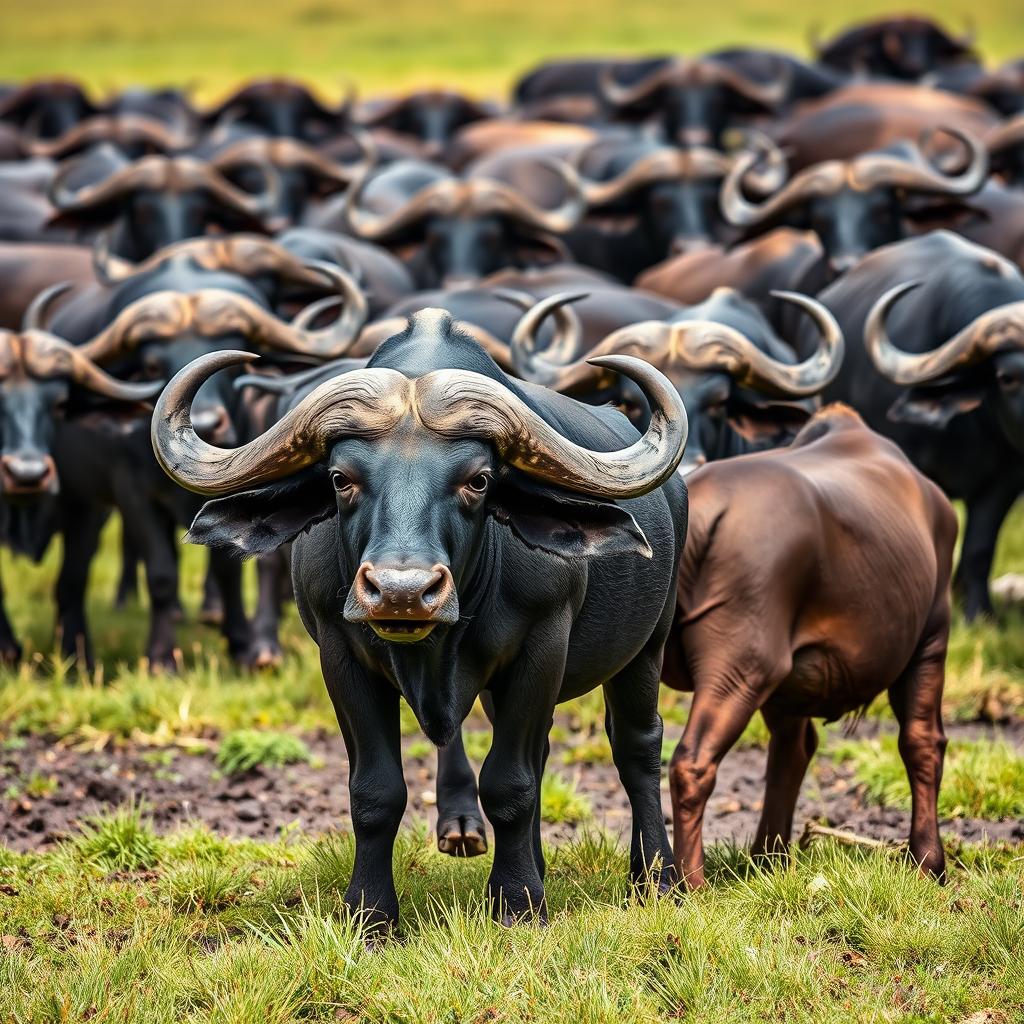
While the crater lions may be the stars of Ngorongoro, they represent just one facet of an extraordinary wildlife tapestry. The crater is one of the few places in Africa where visitors have an excellent chance of encountering all members of the “Big Five” (lion, leopard, elephant, buffalo, and rhinoceros) in a single day, along with a remarkable diversity of other species.

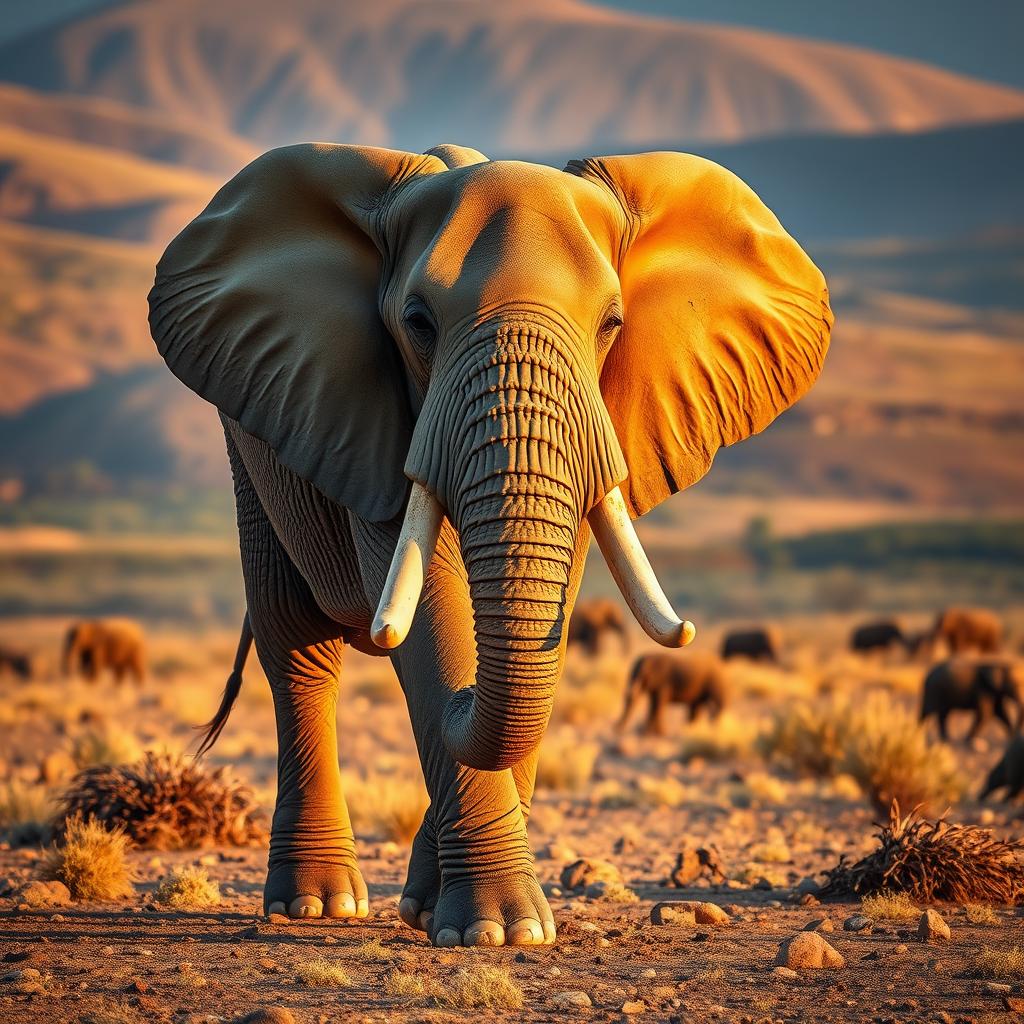
The Big Five in Ngorongoro
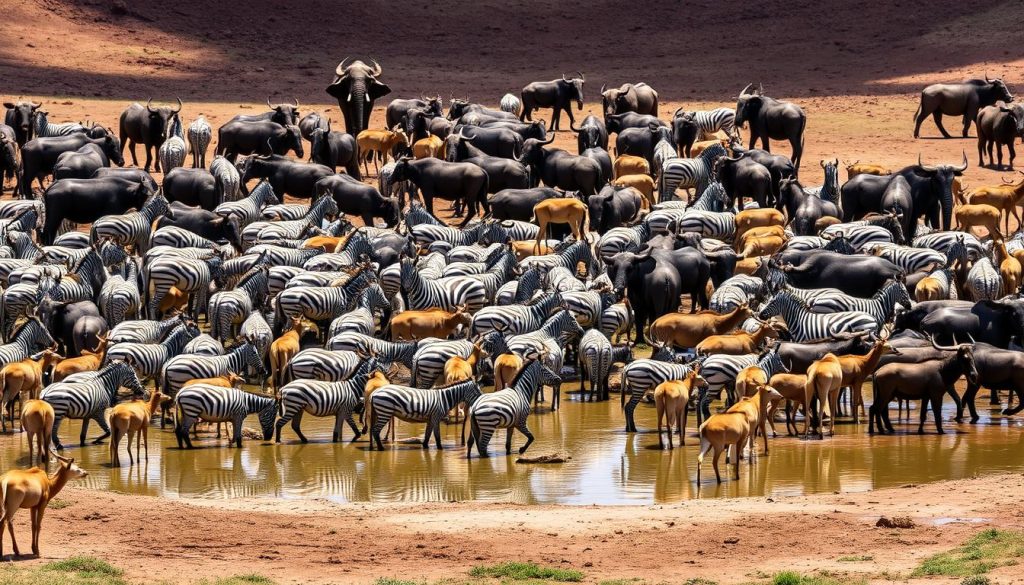
Other Remarkable Wildlife
Beyond the Big Five, Ngorongoro Crater supports an astonishing array of wildlife. Approximately 25,000 large animals live within the crater, creating one of Africa’s highest wildlife densities. Among the most commonly observed species are:
Interestingly, some species common elsewhere in East Africa are notably absent from the crater floor. Giraffes and impalas are not found within the crater, likely due to habitat limitations – the crater lacks the acacia woodlands that these species prefer. Additionally, Nile crocodiles are absent from the crater’s waterways.

Birdlife Paradise
Ngorongoro Crater is a birdwatcher’s paradise, with over 500 species recorded within the conservation area. The diverse habitats – from the lake and wetlands to grasslands and forests – support an extraordinary variety of avian life. Lake Magadi attracts thousands of lesser flamingos, creating a shimmering pink spectacle against the blue waters. Other notable species include crowned cranes, kori bustards, secretary birds, augur buzzards, and a variety of waterfowl.
This remarkable concentration and diversity of wildlife, contained within the dramatic circular walls of an ancient volcano, creates a safari experience unlike any other in Africa. The relatively compact nature of the crater means that visitors can observe an incredible variety of species and behaviors in a single day, making it an essential destination for wildlife enthusiasts.
Beyond Ngorongoro: Exploring Empakaai Crater
While Ngorongoro Crater justifiably claims the spotlight, the neighboring Empakaai Crater offers a compelling alternative experience for those seeking to explore beyond the main attraction. Located just 90 minutes’ drive northeast of Ngorongoro, this smaller but charming caldera provides a more intimate and less-visited natural wonder within the same conservation area.
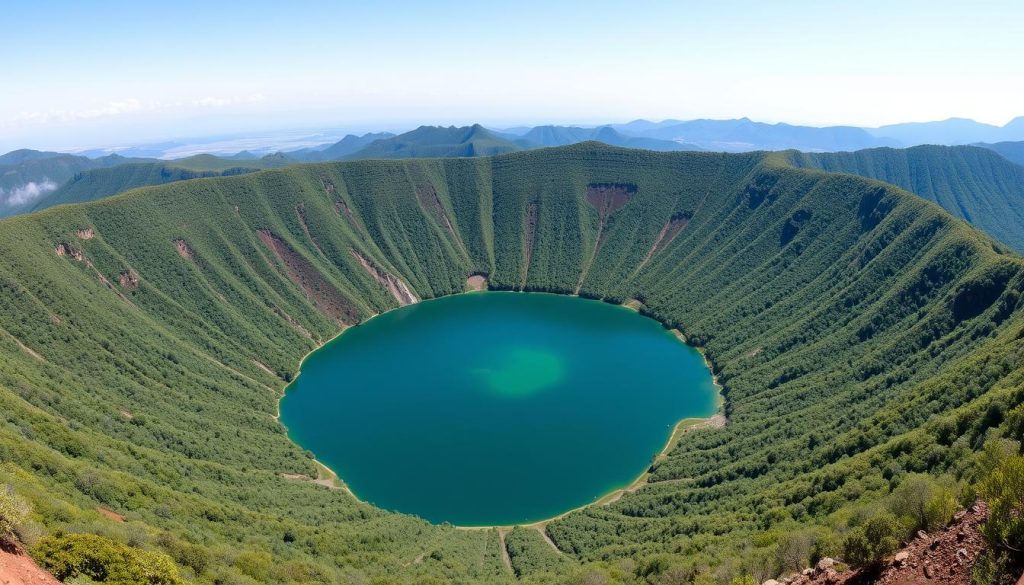
Empakaai Crater, at approximately 6 kilometers in diameter, is significantly smaller than its famous neighbor but possesses its own distinct charm. What makes Empakaai particularly special is its stunning centerpiece – a deep alkaline lake that covers nearly half of the crater floor, surrounded by steep, forested slopes that descend 300 meters from the rim to the crater floor.
Comparing Ngorongoro and Empakaai Craters
| Feature | Ngorongoro Crater | Empakaai Crater |
| Size | 16-19 km diameter, 260 sq km floor | 6 km diameter, lake covers ~50% of floor |
| Accessibility | Vehicle access via descent roads | Hiking only, with armed ranger escort |
| Wildlife Density | Very high, ~25,000 large mammals | Moderate, less concentrated |
| Visitor Numbers | High, especially in peak season | Low, often having the crater to yourself |
| Primary Experience | Game driving, wildlife viewing | Hiking, birdwatching, scenery |
| Key Attraction | Big Five wildlife, open plains | Flamingo-filled lake, forest trails |
Unlike Ngorongoro, Empakaai can only be explored on foot, accompanied by an armed ranger. The hike from the rim down to the lake takes approximately 30-45 minutes along a steep but well-maintained trail that winds through lush montane forest. This forest harbors a variety of wildlife, including blue monkeys, bushbucks, buffalo, and numerous bird species.

Upon reaching the crater floor, visitors are rewarded with spectacular views across the emerald-blue lake, which often hosts thousands of pink flamingos feeding in the shallows. The lake’s alkaline waters support the same algae that give flamingos their distinctive coloration, creating a vibrant pink border around the azure waters.
One of Empakaai’s most spectacular features is the view from its rim on clear days. Looking outward (rather than into the crater), visitors can see all the way to Ol Doinyo Lengai, Tanzania’s only active volcano, as well as distant Lake Natron. On exceptionally clear days, even Mount Kilimanjaro may be visible on the horizon.
Wildlife at Empakaai
While Empakaai doesn’t match Ngorongoro’s wildlife density, it offers different wildlife experiences. The forests harbor elephant, buffalo, bushbuck, blue monkeys, and even leopard, though sightings of the latter are rare. Birdlife is particularly rich, with forest specialists like turacos, sunbirds, and various raptors complementing the flamingos and other waterbirds at the lake.
The crater’s relatively undisturbed nature means that wildlife here tends to be more skittish than in Ngorongoro, offering a more authentic wilderness experience. Tracks of various animals can often be spotted along the lakeshore, telling stories of nocturnal visits to the water’s edge.
Visitor Experience
Empakaai offers a completely different experience from Ngorongoro. Rather than game driving across open plains, visitors engage in a more active, immersive exploration. The physical effort of the hike, the enveloping forest, and the relative solitude create a more intimate connection with the landscape.
Most visitors spend 2-3 hours at Empakaai, hiking down to the lake, exploring a portion of the shoreline, and then climbing back up to the rim. For those with more time, a full circuit of the crater rim is possible, offering changing perspectives of both the crater interior and the surrounding landscapes.

For travelers with sufficient time, combining both Ngorongoro and Empakaai offers a more complete understanding of the region’s volcanic landscape and ecological diversity. While Ngorongoro showcases the drama of African wildlife on an epic scale, Empakaai provides a more contemplative experience, where the journey itself – the physical act of descending into this perfect volcanic bowl – becomes as meaningful as the destination.
Cradle of Humankind: Olduvai Gorge
Beyond its natural wonders, the Ngorongoro Conservation Area holds profound significance for our understanding of human origins. At Olduvai Gorge (sometimes spelled Oldupai, reflecting its Maasai name), located within the conservation area about 45 kilometers from the crater, lies one of the world’s most important paleoanthropological sites – a place that has fundamentally shaped our understanding of human evolution.

This steep-sided ravine, approximately 50 kilometers long and 90 meters deep, has yielded some of the oldest evidence of human ancestors ever discovered. The gorge’s significance lies in its unique geological formation – a series of distinct layers of earth that have preserved fossils and artifacts spanning nearly two million years of human evolution.
Discoveries and Significance
Olduvai Gorge rose to international prominence in the 1950s through the work of paleoanthropologists Louis and Mary Leakey. Their meticulous excavations led to groundbreaking discoveries that revolutionized our understanding of human origins:

These discoveries helped establish East Africa as the likely cradle of humankind and provided crucial evidence for the timeline of human evolution. The layered nature of the gorge’s sediments created a natural timeline, allowing researchers to date findings with remarkable precision and trace the development of human ancestors over millions of years.
Visiting Olduvai Gorge
Today, visitors to the Ngorongoro Conservation Area can include Olduvai Gorge in their itinerary, particularly when traveling between Ngorongoro Crater and the Serengeti. The site features a small but informative museum that displays replicas of the key fossils discovered here, along with original stone tools and exhibits explaining the significance of the findings.

A viewing platform offers panoramic vistas of the gorge itself, where guides point out the different geological layers and explain how they correspond to different periods of human prehistory. For those with a deeper interest, it’s possible to arrange special visits to active excavation sites when work is ongoing, though this requires advance arrangements.
While not as visually dramatic as the wildlife spectacles of Ngorongoro Crater, Olduvai Gorge offers a profound connection to our shared human heritage. Standing at the edge of this ancient landscape, visitors can contemplate the millions of years of evolution that led from our early hominin ancestors to modern humans – a journey that, in geological terms, began right beneath their feet.
The gorge’s name comes from the Maasai word “Oldupai,” referring to a wild sisal plant that grows abundantly in the area. This linguistic connection reminds us that human history here extends not just into the deep past but continues through the Maasai people who have inhabited this region for centuries – another layer in the rich cultural tapestry of the Ngorongoro Conservation Area.
For many visitors, combining the natural wonders of Ngorongoro Crater with the cultural and historical significance of Olduvai Gorge creates a more complete understanding of this remarkable region – a place where both natural and human histories have unfolded in extraordinary ways over millions of years.
Discover the Complete Ngorongoro Experience
Our comprehensive tours combine the wildlife wonders of Ngorongoro Crater with visits to Empakaai Crater and the historically significant Olduvai Gorge. Experience the full spectrum of natural and cultural treasures this remarkable region offers.
Planning Your Visit: Safari Options and Experiences
Visiting Ngorongoro Crater offers a variety of safari experiences to suit different preferences, timeframes, and budgets. Understanding the options available will help you plan the perfect Ngorongoro adventure that aligns with your expectations and travel style.

Types of Ngorongoro Safaris
Day Trips from Arusha
For travelers with limited time, day trips to Ngorongoro Crater from Arusha are possible, though they make for a very long day (12-14 hours) with approximately 4 hours of driving each way and 4-5 hours in the crater itself. These whirlwind excursions provide a taste of the crater’s highlights but leave little time for relaxed wildlife observation or photography.
Multi-Day Northern Circuit Safaris
The most popular way to experience Ngorongoro is as part of a broader Northern Circuit safari, typically including combinations of Tarangire National Park, Lake Manyara National Park, Ngorongoro Crater, and Serengeti National Park. These itineraries usually allocate 1-2 days for Ngorongoro, allowing for a full day exploring the crater plus potentially some time in the highlands or at Olduvai Gorge.
Ngorongoro-Focused Safaris
For those particularly interested in the Ngorongoro Conservation Area, specialized itineraries can focus more deeply on this region, incorporating not just the main crater but also Empakaai Crater, Olmoti Crater, the highlands, and cultural experiences with Maasai communities. These typically range from 3-5 days and offer a more comprehensive understanding of the area’s diverse attractions.
Fly-In Safaris
For travelers prioritizing comfort and efficiency, fly-in safaris using Lake Manyara airstrip (about 1.5 hours from the crater) reduce road travel time. These typically connect Ngorongoro with other remote destinations like the Serengeti or southern Tanzania’s parks, maximizing time spent on wildlife viewing rather than transfers.
Safari Activities in Ngorongoro
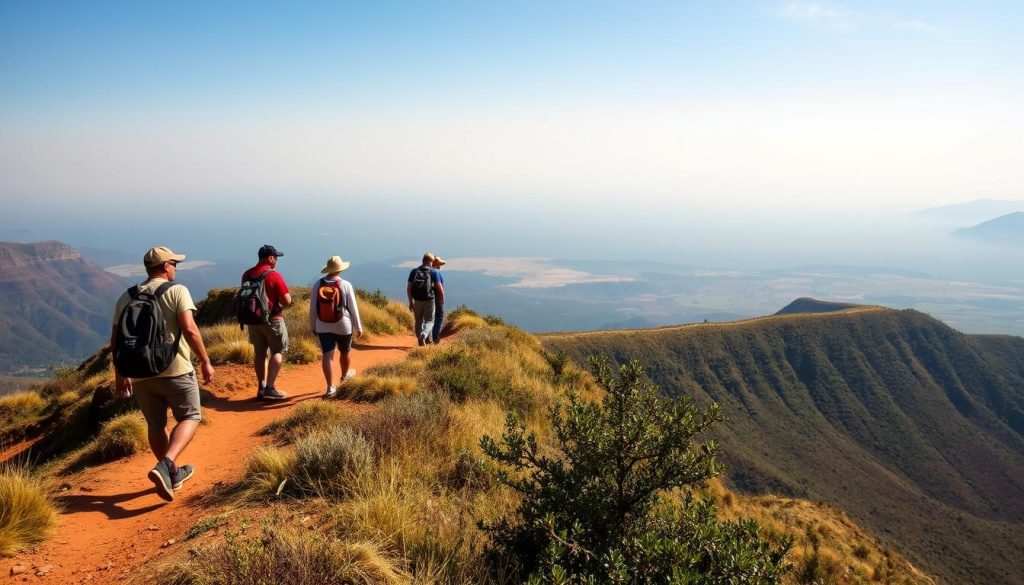
Practical Considerations
Time Allocation
Most visitors spend one full day exploring the crater floor, which is generally sufficient to see the major highlights and wildlife. However, those with particular interests in photography or specific animals may benefit from a second day. Additionally, activities beyond the main crater (like Empakaai or cultural visits) require extra time in the area.
Crater Fees and Regulations
The Ngorongoro Conservation Area charges significant entry and crater service fees, currently totaling over $70 per person per day plus $295 per vehicle. These fees contribute to conservation efforts but make Ngorongoro one of Tanzania’s more expensive destinations. Vehicles are limited to six hours on the crater floor, and all must exit by 6:00 PM.
Crowds and Timing
The crater can become crowded, particularly during peak season (June-October) and around the central picnic area at lunchtime. Early morning entry (as soon as gates open) provides the best wildlife viewing and photography conditions while avoiding the heaviest crowds. Alternatively, visiting during the green season (November-May, excluding the heavy rains of April) offers a less crowded experience.
Vehicle Selection
The quality of your safari vehicle significantly impacts your experience. Vehicles with pop-up roofs, large windows, and comfortable seating make a substantial difference during the 6-7 hours typically spent inside. Additionally, an experienced guide who knows the crater’s patterns and wildlife hotspots is invaluable for maximizing sightings.
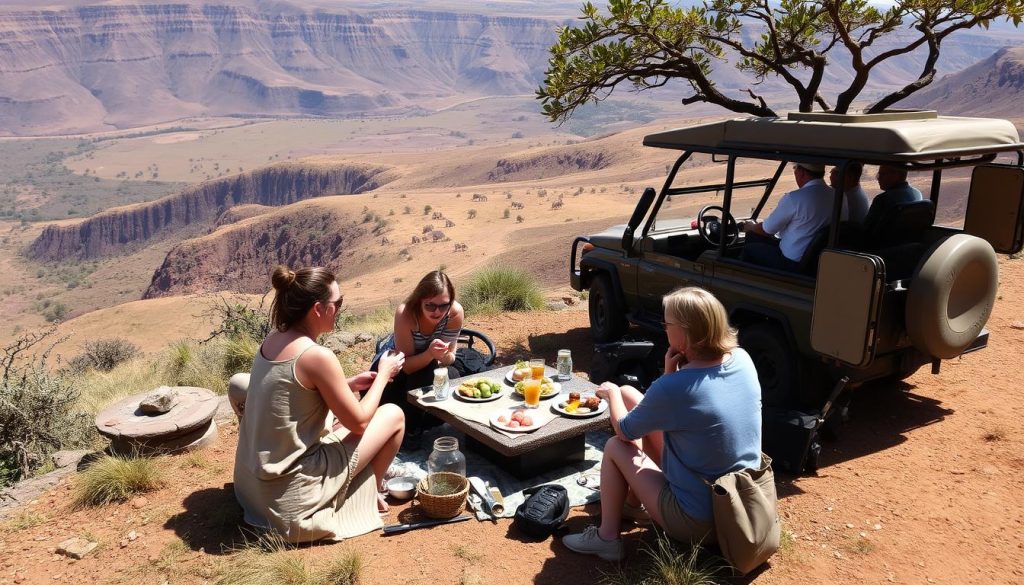
Regardless of which safari option you choose, Ngorongoro Crater offers an extraordinary wildlife experience that combines remarkable density and diversity of animals with truly spectacular scenery. The crater’s compact nature means that even a single day provides ample opportunity to observe a remarkable cross-section of East African wildlife in their natural habitat, creating memories that will last a lifetime.
Where to Stay: Accommodation Options
Selecting the right accommodation enhances your Ngorongoro experience, with options ranging from luxury lodges perched dramatically on the crater rim to more affordable choices in the nearby highlands. Each category offers different advantages in terms of location, views, amenities, and proximity to the crater floor.

Crater Rim Lodges
The most coveted accommodations are those situated directly on the crater rim, offering breathtaking views directly into the caldera. These properties command premium rates but provide unparalleled vistas and the quickest access to the crater floor.


Highland Lodges and Camps
Just outside the conservation area boundary, particularly around the town of Karatu, lies a collection of excellent lodges and small hotels. These properties typically offer better value than rim lodges while still providing comfortable bases for crater exploration.
Unique and Specialized Options
Mobile Tented Camps
For those seeking a more authentic safari experience, several operators offer seasonal tented camps near the crater. These range from relatively simple setups to luxurious “glamping” experiences with proper beds, en-suite bathrooms, and gourmet dining. Lemala Ngorongoro and Nomad Tanzania’s Entamanu Camp are excellent high-end tented options located on the crater rim itself.
The Highlands
For a truly distinctive experience, The Highlands camp offers dome-shaped, futuristic tented suites set on the slopes of the Olmoti volcano north of the main crater. This remote location provides access to less-visited areas like Empakaai Crater and authentic Maasai communities while still allowing day trips to the main crater.

Accommodation Tips
Regardless of which accommodation option you choose, the Ngorongoro region offers some of Tanzania’s most memorable places to stay. From watching the mist rise from the crater at dawn to enjoying sundowners as the setting sun bathes the caldera in golden light, the right lodging enhances your connection to this extraordinary landscape and the wildlife it protects.
Essential Travel Tips for Ngorongoro Crater
A successful visit to Ngorongoro Crater requires some preparation and insider knowledge. These practical tips will help you maximize your experience while avoiding common pitfalls and disappointments.
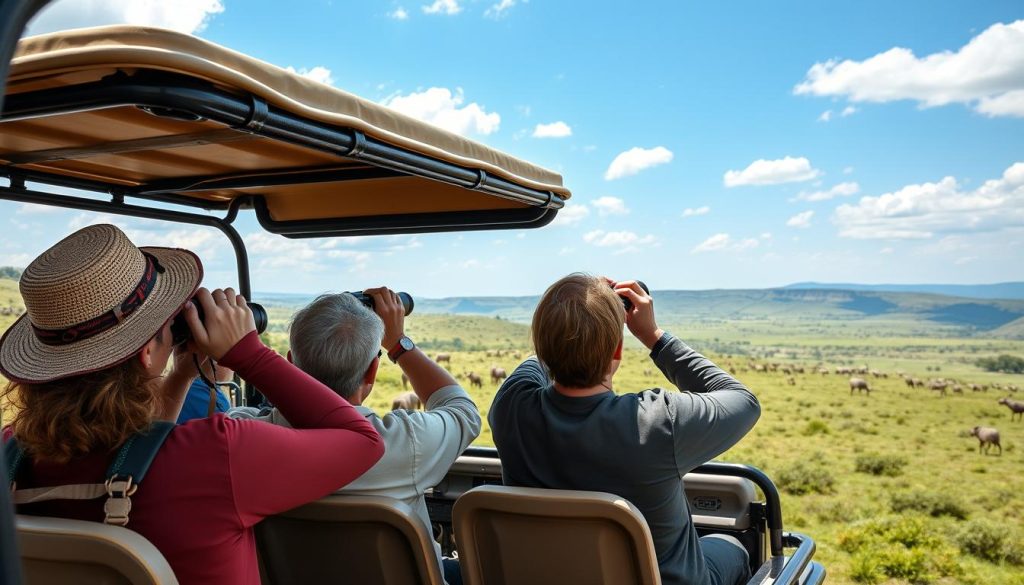
Planning Your Visit
Timing Considerations
While Ngorongoro can be visited year-round, certain periods offer distinct advantages. June through October provides reliable dry weather and excellent wildlife viewing, but also brings the highest visitor numbers. January and February offer a good balance of decent weather, good wildlife, and fewer crowds. March through May brings lush green scenery but potentially challenging weather and reduced visibility due to tall grasses.
Regardless of season, plan to enter the crater as early as possible in the morning. Gates open at 6:00 AM, and the first few hours offer the best wildlife activity, photography light, and lowest visitor density. Most day-trippers from Arusha don’t arrive until mid-morning, giving early visitors a more exclusive experience.
Duration Recommendations
Most visitors allocate one full day for exploring the crater floor, which is generally sufficient to see the major highlights. However, photographers and wildlife enthusiasts may benefit from a second day, particularly if specific animals or behaviors are high priorities. Additionally, consider allowing extra time in the Ngorongoro Conservation Area to explore beyond the main crater – Empakaai Crater, Olmoti Crater, and cultural experiences all reward additional days in the region.
If visiting as part of a Northern Circuit safari, consider placing Ngorongoro in the middle of your itinerary rather than at the beginning or end. This allows you to acclimatize to safari routines before tackling this highlight and avoids potential disappointment if it comes after the vast Serengeti.
What to Pack

Health and Safety
Enhancing Your Experience
Photography Tips
The crater’s open landscape and relatively habituated wildlife make it a photographer’s paradise. Morning and late afternoon light creates the most flattering conditions. Position your vehicle with the sun behind you when possible, and use the crater’s dramatic landscape as a backdrop for wildlife images. For landscape shots, include elements that convey scale – the crater’s vastness can be difficult to capture otherwise.
Cultural Sensitivity
The Ngorongoro Conservation Area is home to Maasai communities who have inhabited this region for generations. If visiting Maasai villages, approach with respect and genuine interest rather than treating the experience as a photo opportunity. Ask permission before photographing people, and consider purchasing handicrafts as a way of supporting local livelihoods.

By planning thoughtfully and approaching your visit with the right expectations and preparation, you’ll maximize your experience in this extraordinary ecosystem. Ngorongoro Crater rewards those who arrive early, move slowly, and take time to absorb not just the flagship species but the entire tapestry of life within this remarkable volcanic cauldron.
Ready to Plan Your Ngorongoro Adventure?
Our travel experts will craft a personalized Ngorongoro experience based on your interests, timeframe, and budget. From selecting the perfect accommodation to timing your visit for optimal wildlife viewing, we’ll handle every detail.
Conservation Challenges and Sustainable Tourism
The Ngorongoro Conservation Area faces complex challenges in balancing ecosystem preservation, wildlife protection, human development, and tourism pressures. Understanding these issues helps visitors appreciate the delicate equilibrium that maintains this extraordinary place and how responsible tourism can contribute to its conservation.

Key Conservation Challenges
Conservation Initiatives
The Ngorongoro Conservation Area Authority (NCAA), along with various research organizations and NGOs, implements numerous programs to address these challenges:

Responsible Tourism Practices
Visitors can contribute to conservation efforts and minimize their impact through responsible tourism practices:
The Ngorongoro Conservation Area represents one of Africa’s most ambitious experiments in balancing conservation with human needs and tourism development. Its continued success depends on thoughtful management, adequate funding, community support, and responsible visitor behavior. By understanding these challenges and making conscious choices, visitors can help ensure that this extraordinary place remains protected for future generations while continuing to support the communities who call it home.
Conclusion: The Enduring Magic of Ngorongoro
As our journey through the wonders of Ngorongoro Crater comes to a close, we’re reminded of what makes this place so extraordinary – not just its geological uniqueness or remarkable wildlife density, but the way it connects us to something larger than ourselves. Standing at the crater’s edge, gazing across this perfect volcanic bowl teeming with life, we experience a rare moment of perspective in our busy modern lives.

Ngorongoro reminds us of Earth’s dynamic nature – how catastrophic volcanic collapse can, over millions of years, transform into one of the planet’s most vibrant wildlife sanctuaries. It shows us the resilience of nature and the complex interconnections that sustain life, from the mineral-rich soils that nourish the grasses to the predator-prey relationships that maintain ecological balance.
The crater also connects us to our own origins. In the nearby gorges and plains where our earliest ancestors left their footprints and tools, we find humbling evidence of humanity’s brief tenure in this ancient landscape. The Maasai who continue their traditional pastoralist lifestyle within the conservation area represent another thread in this human story, their culture adapted to coexist with the wildlife that draws visitors from around the world.
Whether you come to Ngorongoro seeking the perfect wildlife photograph, a meaningful cultural exchange, or simply the awe-inspiring vista of this natural wonder, you’ll leave with something more profound – a deeper appreciation for the delicate balance that sustains such extraordinary biodiversity and a renewed commitment to preserving places where nature still holds sway.
As you plan your own journey to this remarkable place, remember that you’re not just a visitor but a participant in its ongoing story. The choices you make – from the tour operator you select to how you interact with wildlife and local communities – help determine whether Ngorongoro will remain a thriving ecosystem for generations to come.
The crater lions will continue their ancient dance of survival, the flamingos will still paint Lake Magadi pink with their thousands, and the mists will rise each morning from the crater floor long after we’ve returned home. But we carry with us the memory of this perfect natural sanctuary, a place where, for a brief moment, we glimpsed the world as it once was – wild, whole, and wonderfully alive.
Begin Your Ngorongoro Journey Today
Let the ancient caldera of Ngorongoro Crater transform your understanding of our natural world. Our expert guides await to reveal the secrets of this extraordinary ecosystem and create memories that will last a lifetime.
Or call us directly to speak with a safari specialist