A common question for many prospective visitors is simple and important: Is Tanzania safe to visit now? We hear that concern and answer with clarity and confidence. Tanzania is a welcoming country with deep resilience — and with the right preparation and partners, your travel plans can move forward confidently.
The 2025 election period brought heightened activity in some urban areas and a visible security presence in response. Checkpoints and short-term movement restrictions have appeared in places; such measures are generally focused on political activity and urban stability rather than on tourism. Meanwhile, Tanzania’s natural treasures and community life remain open to visitors who follow sensible precautions.
Our goal is practical guidance rooted in up-to-date facts and local knowledge. The Serengeti’s great migration continues to awe visitors, and Kilimanjaro remains a calling for climbers who travel with certified operators. By pairing accurate information with experienced local people and registered guides, you can enjoy a safe, transformative trip to Tanzania.
Look beyond alarming headlines and focus on preparation. safety comes from planning: check official advisories, confirm health requirements, and book through reputable operators. With those steps, your Tanzania experience will emphasize wonder over worry.
Key Takeaways
- Security measures evolved around the 2025 elections, especially in some cities; most tourism areas remain operational with standard protections.
- Curfews or movement restrictions can be reintroduced locally with limited notice — stay flexible and follow guidance from local authorities and your tour operator.
- Tanzania’s iconic natural destinations — national parks, conservation areas, and safari circuits — continue to welcome visitors under established safety protocols.
- Partner with knowledgeable local guides and licensed operators to ensure on-the-ground safety and the best experience.
- Stay informed through official government travel advisories and your embassy, and verify health requirements (vaccinations, screenings) well before departure.
- With sensible advice and preparation, a visit to this remarkable country is both safe and deeply rewarding — the time to plan your Tanzania travel is now.
Risk Level and Security Overview Post 2025 Elections
After the 2025 elections, Tanzania’s security environment changed in specific ways—most noticeably in some urban centers—while many tourism corridors and protected areas continued to operate normally. This overview is meant to give clear, actionable context so you can plan a safe and enjoyable trip.
The election period created a mixed risk landscape. Demonstrations occurred in certain cities, and those events affected movement locally. Importantly, these disturbances were not uniform across the country; many regions, especially national parks and safari routes, remained calm and accessible.
Overview of Recent Political Unrest
Political gatherings during the election period ranged from peaceful marches to more disruptive incidents in a few urban hubs. The most significant activity was concentrated in the commercial capital and other large cities. While isolated casualties were reported during clashes, such events were localized. Travelers should be mindful of this context but not deterred—prepared planning and local guidance reduce exposure to risk.
If you plan to be in or transit through cities during sensitive moments, keep your itinerary flexible and stay in close contact with your tour operator or hotel for real-time updates.
Government and Security Force Responses
Authorities increased visible security measures in areas where demonstrations occurred. Checkpoints and heightened patrols can be set up at short notice in affected urban neighborhoods; these are primarily aimed at restoring order and monitoring political activity rather than restricting tourism.
Foreign visitors may encounter more frequent ID checks at checkpoints. Electronic device inspections have been reported in some places—exercise prudent discretion with political content on devices and avoid photographing demonstrations. These measures are targeted and typically short-term.
| Region TypeRisk LevelSecurity PresenceTravel Considerations | |||
| Urban Centers | Elevated | High visibility | Carry ID, avoid demonstrations, follow local advisories |
| Tourism Corridors | Moderate | Standard patrols | Keep flexible plans; confirm transfers |
| Protected Areas | Low | Park authorities | Normal precautions; safari operations continue |
The northern safari circuit and other remote conservation areas remain broadly stable. These vast wildernesses often sit well apart from urban unrest, and park authorities prioritize visitor safety. Work with accredited guides and operators who maintain direct contact with park rangers and local authorities.
Note that intermittent internet disruptions have occurred in some locations. Before you travel, subscribe to official travel advisories (your government’s foreign office) and register with your embassy so you receive timely safety alerts. If you encounter a checkpoint: stay calm, show ID, follow instructions, and contact your operator if you need assistance.
Is tanzania safe? Is tanzania safe country? Is tanzania safe to travel?
Is Tanzania a safe country? Yes. With stability fully maintained and essential infrastructure—including internet connectivity—operating normally, Tanzania remains a premier and safe destination for international travelers. Across roughly 365,000 square miles of striking landscapes, the country’s safety profile is defined by peace, stability, and professional tourism management.
The Northern Circuit & Park Operations For most visitors, safety is experienced most directly in the wilderness corridors. The Northern Circuit—home to the Serengeti, Ngorongoro Crater, and Mount Kilimanjaro—is the backbone of the visitor experience. These destinations operate under established security and park-management frameworks focused on protecting both wildlife and people. With all systems back to normal, safari schedules and park access are proceeding seamlessly.
Infrastructure and Connectivity Modern travel requires reliable communication. With telecommunications and internet services fully operational, travelers can rest assured that logistics, bookings, and emergency communications are running smoothly. The country’s geographic spread works in your favor, offering vast, protected conservation areas that maintain high protocols matching international standards.
The Role of Professional Guides Travelers who choose reputable, licensed operators discover a nation deeply committed to protecting its tourism sector. Professional guides and dedicated park authorities work together to ensure that the rhythms of the Great Migration and the pathways to Kilimanjaro’s summit offer powerful, life-changing experiences without interruption.
Conclusion “Tanzania is safe” is not just a claim; it is the lived reality for thousands of visitors daily. Backed by strong park management, experienced guides, and the welcoming spirit of the local people, the country is open for business. If you are planning an itinerary, you can book with confidence knowing that Tanzania is ready to deliver a smooth and inspiring adventure.Across roughly 365,000 square miles of striking landscapes, Tanzania’s safety profile is shaped by its geography and the strong management of tourism areas. For many visitors, safety is experienced most directly in the wilderness corridors and national parks where dedicated park authorities and professional guides maintain consistent standards.
When you travel Tanzania, the Northern Circuit—Serengeti, Ngorongoro, and Kilimanjaro—remains the backbone of the country’s visitor experience. These destinations operate under established security and park-management frameworks focused on protecting both wildlife and people. Many operators report that safari schedules and park access continue with minimal disruption.
The country’s geographic spread works in your favor: disturbances in one urban area rarely ripple across distant regions. Protected national parks and conservation areas maintain their own protocols and emergency procedures that often match or exceed international standards, helping to ensure that safari and trekking experiences remain safe and reliable.
Travelers who choose reputable, licensed operators and local guides discover a nation committed to protecting its tourism sector. The rhythms of the migration and the pathways to Kilimanjaro’s summit continue to offer powerful, life-changing experiences—especially when combined with sensible preparation and local partnerships.
Tanzania safe is not just an abstract claim; for many visitors it is a lived reality made possible by strong park management, experienced guides, and the welcoming spirit of local people. If you’re planning a travel itinerary, contact accredited operators and confirm park access in advance to ensure a smooth, inspiring safari or climb.
Understanding Safety and Security Measures in Tanzanian Urban Centers
Moving from Tanzania’s wide-open parks into its bustling cities calls for a slight change in mindset. Urban areas bring different rhythms and practical considerations—easy to manage with a few sensible steps and local knowledge.
Situation in Dar es Salaam and Zanzibar
Dar es Salaam, the country’s commercial hub, offers vibrant markets, beaches, and city life. Like any major African metropolis, specific spots such as Coco Beach and Kariakoo Market can attract petty theft; normal urban safety precautions (stay aware in crowds, secure your belongings) will reduce most issues. Many safari visitors spend little time in large cities, but when you do visit, simple planning makes the experience smooth and enjoyable.
Zanzibar brings a different but equally rewarding urban profile. Stone Town’s winding alleys and coastal villages like Nungwi welcome visitors with unique cultural charm. Note: insurance rules and entry requirements can change—confirm any current mandates (for example, island insurance requirements) with official Zanzibar or Tanzanian authorities before booking.
Local Law Enforcement and Checkpoint Protocols
Checkpoints and increased police presence have been used in some urban areas during sensitive periods. These measures are typically focused on maintaining order and public safety. Cooperate politely with officers, carry valid ID, and follow instructions—this helps keep interactions brief and hassle-free.
Electronic device searches have been reported in certain situations; exercise discretion with politically sensitive material and avoid photographing demonstrations or security operations. When in doubt, consult your tour guide or hotel staff for up-to-the-minute local guidance.
| Urban AreaSafety LevelKey ConsiderationsRecommended Precautions | |||
| Dar es Salaam | Elevated Caution | Busy markets, pickpocketing | Use hotel-arranged taxis, avoid isolated areas after dark |
| Stone Town | Moderate Vigilance | Narrow streets, tourist crowds | Keep valuables discreet, ask before photographing |
| Beach Areas | Standard Awareness | Relaxed but populated | Basic precautions, secure belongings |
Practical, positive habits work best: travel with a copy of important documents, use hotel-recommended vehicles or apps, and leave unnecessary valuables locked away. If you need assistance, contact your embassy or your operator—they can provide local numbers and timely support.
Impacts of Social and Political Protests on Travel
Protests and public gatherings can change the flow of travel quickly, but with a few practical steps you can keep your plans flexible and safe. The democratic energy following the elections has led to increased public expression in some cities; understanding how these events affect movement helps you avoid disruption and enjoy your journey.
Demonstrations and Movement Restrictions
Public gatherings can appear swiftly in urban areas and occasionally shift from peaceful to disruptive. The primary risk for travelers is being near a volatile scene rather than being a specific target. When authorities anticipate large gatherings they may impose road closures, restricted access to neighborhoods, or curfews with little notice—measures designed to restore order.
These movement restrictions can affect airport access, intercity transfers, and local services. If your travel dates overlap with a sensitive period, expect possible delays and build extra time into your itinerary.
Advice for Avoiding Large Gatherings
Practical precautions make a big difference. Follow this empowering checklist to stay safe and keep your trip on track:
- Avoid demonstrations entirely—do not attempt to observe or photograph crowds.
- Monitor local media and official advisories; register with your embassy if available for alerts.
- Keep flexible bookings where possible—choose hotels and operators with flexible change policies.
- Have contingency plans for transfers: alternate airports, extra nights in a nearby city, or backup transport arranged through your operator.
- Stay in touch with your tour operator, guide, or hotel; they provide the fastest local updates and can reroute you when needed.
| Area TypeRisk LevelPotential ImpactRecommended Action | |||
| Urban Centers | High | Road closures, curfews | Avoid during peak tension; stay indoors if caught nearby |
| Tourist Corridors | Moderate | Transport delays | Allow extra travel time; confirm transfers |
| Protected Areas | Low | Minimal disruption | Proceed with normal precautions; rely on guides |
If you unexpectedly encounter a demonstration: move away calmly, seek shelter in a secure building, contact your operator or hotel, and follow local authorities’ instructions. Remember, these political moments usually pass; with flexible planning, reliable local contacts, and sensible advice, you can protect your itinerary and experience Tanzania’s highlights safely.
Crime and Personal Safety Precautions
Moving confidently through Tanzania means combining curiosity with common-sense awareness. Urban and tourist areas show patterns familiar across many countries: opportunistic petty crime is the main concern, and sensible habits prevent most incidents.
Petty Crime and Violent Incidents
Pickpocketing and bag snatching can occur in crowded markets, transport hubs, and busy beach areas. Motorcycle snatching—where riders seize bags or phones from pedestrians—has been reported in some cities. Violent crime is less common but can increase in isolated areas after dark, so avoid poorly lit streets and vacant spots at night.
These realities are manageable: staying alert, limiting what you carry, and using secure transport dramatically reduces exposure to risk.
Strategies to Protect Valuables and Personal Documents
Use hotel safes for passports and extra cash; carry only the essentials for the day. Keep copies of important documents (digital and paper) with your operator or stored securely in the cloud so you can access them if needed.
- Do: keep small amounts of cash in different places; use RFID-blocking wallets if you prefer; wear simple, low-profile jewelry.
- Do: choose a discreet day bag that can be secured close to your body; consider bags with quick-release straps to avoid injury during a snatch.
- Don’t: display expensive cameras or phones in crowded areas; avoid isolated walks after dark—take a trusted taxi or hotel-arranged vehicle instead.
If someone attempts to snatch your bag, your safety is worth more than any item—releasing the bag can prevent injury. Report incidents promptly to local police and your accommodation, and notify your embassy if necessary.
Practical precautions create freedom rather than restriction. With a few intentional habits—using safes, traveling with reputable operators, and following local advice—you can enjoy Tanzania’s warmth and beauty while protecting yourself and your valuables. Keep emergency numbers handy (local police, your embassy, and your tour operator) and share your daily plan with someone you trust.
Travel Health Precautions and Vaccination Requirements
Your health is the first line of preparation for a safe, fulfilling visit to Tanzania. These sensible health measures protect you and the communities you’ll meet—think of them as simple steps that free you to enjoy the country’s wilderness and cities with confidence.
Mandatory Screenings and Yellow Fever Vaccination
At entry points, travelers may be subject to brief health screenings for symptoms such as fever. If symptoms are detected, health authorities will advise testing and care at designated facilities to protect everyone.
The primary documented legal requirement for many itineraries remains proof of yellow fever vaccination. If you arrive from, or transit through, a country listed as at risk for yellow fever, carry your International Certificate of Vaccination—this document is as essential as your passport for entry in those cases.
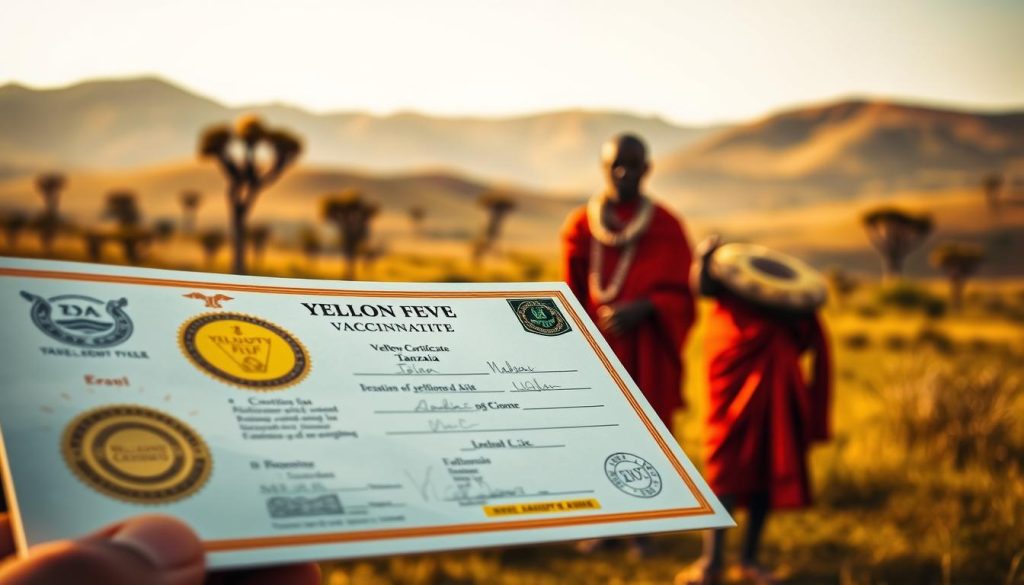
Before you depart, check official guidance from your government, the World Health Organization, or the Tanzanian Ministry of Health for the latest lists of countries requiring yellow fever vaccination and for any temporary screening rules.
Advice on Malaria Prophylaxis and Mpox Screening
Malaria is present across large parts of Tanzania, including many safari circuits. We strongly recommend consulting a travel medicine specialist 4–6 weeks before your travel dates to discuss appropriate malaria prophylaxis and other routine immunizations. Starting prophylactic medication before arrival ensures protection from your first game drive or trek.
Some health checks such as mpox (monkeypox) screening or other arrival assessments have been used at border points; policies can change, so confirm current requirements with official sources prior to departure.
| Health ConsiderationRequirement TypeKey DocumentationTimeline for Action | |||
| Yellow Fever Vaccination | Mandatory for travellers from risk areas | International Certificate of Vaccination | At least 10 days before travel |
| Malaria Prophylaxis | Highly Recommended | Prescription from physician | Begin as directed before arrival |
| Arrival Health Screenings (e.g., fever, mpox) | May be applied | Health assessment on entry | At border on arrival |
| Passport Validity | Mandatory | Passport with 6-month validity | Check before booking |
Practical timeline checklist: consult a travel clinic 4–6 weeks before your trip; get yellow fever vaccine at least 10 days before travel if applicable; confirm prescriptions and bring any medical documentation. Keep both paper and digital copies of vaccination records and prescriptions with your travel documents.
These precautions are straightforward and highly effective. They let you focus on the adventure—whether on safari, climbing Kilimanjaro, or exploring Stone Town—knowing you’ve taken the right steps for your health and safety.
Road Safety and Transportation Challenges
Tanzania’s roads connect breathtaking places but also present practical challenges. With a few simple choices—professional drivers, daylight travel, and realistic timing—you can keep your trip safe and relaxed while enjoying the scenery between destinations.
Overview of Road Conditions and Driving Safety
Road conditions vary widely: paved highways between major cities are generally serviceable, while rural routes and secondary roads can deteriorate quickly during the rainy season. Visibility can fall in downpours, and potholes, unlit stretches, and wandering livestock require defensive driving. These traffic realities present manageable risks when you plan sensibly.
Practical driving tips: prefer daytime travel on long legs, allow extra time for delays, and expect slower speeds on secondary roads. If you rent a car, choose a reputable agency and ensure the vehicle is well maintained and has a spare tire, jack, and basic emergency kit.
Guidelines for Using Taxis, Ride Shares, and Public Transport
Public transport options vary in comfort and safety. Overcrowded minibuses (dala-dalas) and motorcycle taxis carry higher accident risk and are best avoided, especially at night. For city travel, use licensed taxis arranged by your hotel or reputable apps where available.
When using taxis or rideshares:
- Confirm the driver’s identity and vehicle details before entering.
- Share your route with someone you trust and use apps or hotel-recommended services when possible.
- Never share a vehicle with unfamiliar passengers on long trips; for intercity travel, book reputable coach services or private transfers through your operator.
| Transport TypeSafety LevelKey Considerations | ||
| Licensed Taxi | Recommended | Arrange through hotel or verified app |
| Rideshare Services | Moderate | Confirm driver and plate number |
| Public Buses / Minibuses | Higher Risk | Avoid long journeys at night; check operator reputation |
| Motorcycle Taxis | Not Recommended | High accident and theft risk |
For safari transfers, licensed safari vehicles and professional drivers are the safest option. These vehicles are designed for rougher terrain, and drivers are experienced with local road and wildlife conditions.
Choose reliable transport and allow time—safety and calm travel turn distance into a comfortable part of the adventure.
Final practical suggestions: book transfers in advance through your lodge or tour operator, carry water and a basic first-aid kit, wear seat belts whenever available, and avoid night driving outside major towns. These simple precautions reduce risk and help you travel Tanzania with confidence.
Entry, Exit, and Travel Documentation Essentials
Clear, complete documentation is the simplest way to ensure a smooth arrival and departure. Think of your papers as practical tools that unlock Tanzania’s parks, cities, and cultural experiences—prepare them early and keep both digital and paper copies accessible.
Visa, Passport, and Identification Requirements
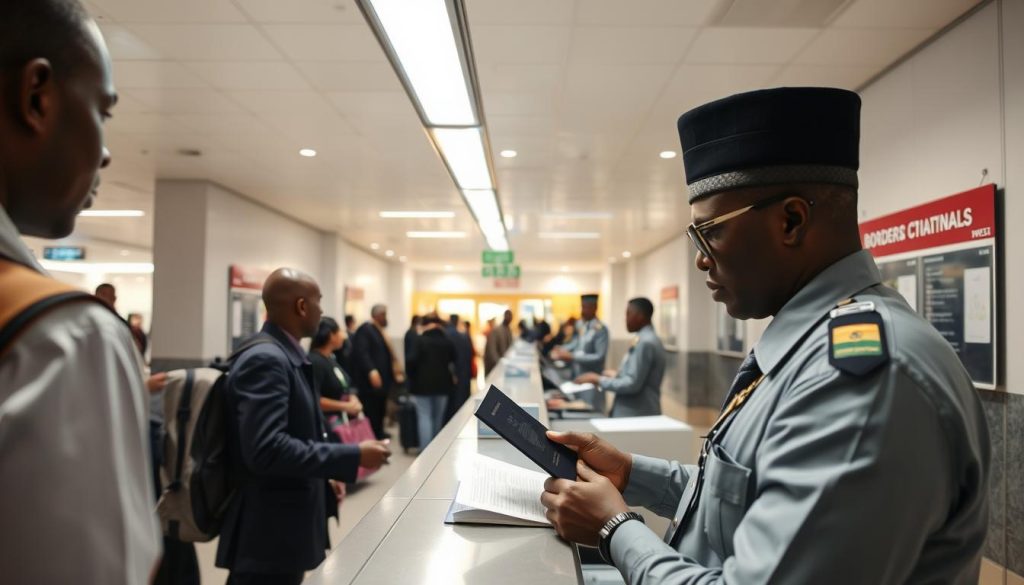
Your passport should have at least six months of validity beyond your planned departure date. Many visitors obtain visas easily at major entry points or via the official e‑visa system—confirm the current process for your nationality before you travel. The standard tourist visa generally covers stays of around three months, but rules and fees change, so check official immigration guidance.
Immigration officers may request proof of onward travel or return tickets on entry. Having these documents (printed or digital) ready avoids delays at the border and helps your journey begin with confidence.
Border Crossing Advice and Insurance Mandates
Border crossings with neighboring countries vary widely in terms of infrastructure and safety. Some regions are routine and well served by official crossings; others require more caution and planning. Check official travel advisories for areas near borders—conditions can change, and a local operator or embassy will have the most current guidance.
Certain border regions have specific concerns. For example, some remote border areas have reported security incidents in the past and are best avoided unless travel is essential and coordinated with experienced local guides. If your itinerary approaches sensitive regions, rely on accredited operators who know the local context.
Zanzibar currently enforces island-specific requirements that can include proof of insurance or other entry conditions—confirm the exact rules and acceptable providers with official Zanzibar authorities or your operator before travel. Always carry your International Certificate of Vaccination for yellow fever if it applies to your itinerary; it may be checked at border control and is essential when arriving from or transiting through yellow-fever risk countries.
With eight neighboring countries, each crossing tells its own story. Some border routes are straightforward with professional services; others are challenging and best traversed with experienced guidance. Before departure, assemble a pre-travel checklist:
- Passport valid for 6+ months and at least one photocopy (paper and digital).
- Visa or e‑visa confirmation and evidence of onward travel.
- International Certificate of Vaccination (yellow fever) if required.
- Comprehensive travel insurance that covers medical evacuation and, for Zanzibar, any mandated island insurance.
- Contact details for your embassy/consulate and your tour operator.
These small steps remove uncertainty at the border and let you begin your Tanzanian experience with calm and confidence.
Wildlife Safaris and National Park Guidelines
Tanzania’s national parks are the heart of its travel appeal—places where wildlife moves across ancient landscapes and where careful, informed travel delivers unforgettable experiences. With the right preparation and respect for park rules, a safari here is both inspiring and safe.
Ensuring Safety in Remote Nature Reserves
Many parks sit in remote areas where emergency services can be far away. Wild animals sometimes approach camps or roads, so vigilance matters. Use only reputable, licensed operators and experienced guides who carry communication equipment and know the park’s emergency procedures. Never wander from camp at night unescorted, and always supervise children closely in unfenced sites.
Before you go, confirm that your operator has clear evacuation plans and that your travel insurance covers medical evacuation from remote national park locations.
Best Practices When Observing Wildlife
On game drives, the vehicle is your primary protection—remain inside unless your guide indicates it is safe to exit. Approaching or crowding animals disrupts their behavior and increases risk; always keep a respectful distance and follow park regulations and your guide’s instructions.
Guided walking safaris can be extraordinary but are usually conducted only with trained armed escorts and experienced guides. Nighttime movement outside camp is not recommended unless accompanied by camp staff.
| Safari ActivitySafe PracticeRisk LevelGuide Requirement | |||
| Game Drives | Remain in vehicle; follow guide | Moderate | Mandatory |
| Walking Safaris | Armed escort and experienced guide only | High | Essential |
| Camp Nights | No solo walks; follow staff guidance | Elevated | Camp staff supervision |
| Photography | Use zoom lenses; maintain distance | Variable | Professional guidance |
What to pack for safety on safari: sturdy closed shoes, sun protection, insect repellent, a small first-aid kit, and copies of important documents. Choose operators accredited by national park authorities or recognized international bodies—ask about vehicle condition, guide training, and radio or satellite communication.
The Northern Circuit parks maintain strong safety protocols and experienced ranger presence; combined with accredited guides, these systems help ensure your safari is a secure and transformative encounter with Tanzania’s wildlife. Book with trusted operators, carry appropriate travel insurance, and you’ll be set to experience the parks with confidence and respect.
Urban and Cultural Etiquette: Laws and Local Advice
Cultural sensitivity is your best companion in Tanzania. Approaching people and places with respect opens doors to warm hospitality and more meaningful experiences—these practical tips help you connect responsibly and confidently.
Understanding Local Customs and Legal Restrictions
Tanzania’s social fabric blends traditional values with modern life. Many communities observe conservative norms—particularly around dress, public behavior, and religious practice—so modest, respectful conduct is appreciated in both city and rural settings.
Legal and social attitudes toward same-sex relations are strict. 2SLGBTQI+ travelers should prioritize discretion and consult their embassy or trusted sources for current guidance before traveling.
Women traveling alone should plan thoughtfully: choose well-reviewed accommodations, travel with trusted transport after dark, and avoid isolated areas. Simple choices about place and time for outings make a big difference to personal comfort and safety.
Recommendations for Responsible Tourism
These practical, positive habits help you show respect and stay safe:
- Ask permission before photographing people—many locals appreciate being asked first.
- Dress modestly outside beach resort zones; covering shoulders and knees is often appropriate, especially in Muslim communities.
- Use official channels for donations—coordinate with your tour operator or local guide to ensure contributions reach legitimate organizations.
- Decline offers of food or drink from strangers if you are unsure; keep consumables in sight to avoid risks.
| Cultural AspectRecommended PracticePotential Risk | ||
| Photography | Ask permission first | Offending locals |
| Dress Code | Modest clothing | Unwanted attention |
| Donations | Use official channels | Scams or misdirected aid |
| Social Offers | Exercise caution | Potential spiked items or scams |
Respect opens doors—approach every interaction with curiosity and care.
For safety, avoid walking alone in poorly lit or unfamiliar areas at night—this small precaution reduces exposure to petty crime and unwanted attention. If you need assistance, contact hotel staff, your guide, or local authorities.
A well-planned tour with experienced local advice transforms visits into rewarding cultural exchanges. The right guide will help you choose respectful places to visit, suggest appropriate times to explore, and introduce you to people who welcome visitors warmly.
Conclusion
Tanzania remains a deeply rewarding destination: a country where careful planning and respectful local partnerships turn natural wonder into lasting memories. If you approach your visit with sensible things in place—health precautions, verified documentation, and accredited guides—your trip can be both safe and transformative.
We’ve covered practical steps from urban awareness to safari safety so you can travel with confidence. The Serengeti’s rhythms and Kilimanjaro’s call endure; with the right preparations, they are ready to welcome you.
For the most up-to-date guidance, check official travel advisories and confirm arrangements with licensed operators. When you combine those checks with trusted local guidance, safety becomes a tool for freedom rather than a source of fear.
Ready to plan your Tanzania travel? Contact accredited tour operators or your embassy for tailored advice and booking support. Last updated: check the article’s publication date and official government sources for the latest information before you go.
FAQ
What is the current risk level for travelers after the elections?
Overall, the situation for visitors is stable in most parts of the country. Isolated political demonstrations can occur, primarily in certain urban centers, but they are typically localized. Government and security forces maintain a visible presence along major routes and in key cities, and transit to national parks and tourism areas generally continues without major interruption. For the latest, register with your embassy and follow updates from your tour operator and official travel advisories.
How safe are cities like Dar es Salaam and Stone Town for tourists?
Urban areas such as dar salaam and Zanzibar’s stone town are generally safe in well‑traveled neighborhoods. Standard precautions apply: keep valuables secure, avoid isolated streets after dark, and use reputable taxi or hotel-arranged transport. Stay aware of your surroundings and check in with your hotel or guide for current local guidance.
What are the essential health precautions and vaccination requirements?
Carry documentation of required vaccinations where applicable—an International Certificate of Vaccination for yellow fever is required for travelers arriving from or transiting through yellow-fever risk countries. Malaria is present in many areas; consult a travel health clinic 4–6 weeks before departure about prophylaxis. Arrival health screenings (for fever or other conditions) may occur; check official health guidance before you travel.
FAQ
What is the current risk level for travelers after the elections?
Overall, the situation for visitors is stable in most parts of the country. Isolated political demonstrations can occur, primarily in certain urban centers, but they are typically localized. Government and security forces maintain a visible presence along major routes and in key cities, and transit to national parks and tourism areas generally continues without major interruption. For the latest, register with your embassy and follow updates from your tour operator and official travel advisories.
How safe are cities like Dar es Salaam and Stone Town for tourists?
Urban areas such as dar salaam and Zanzibar’s stone town are generally safe in well‑traveled neighborhoods. Standard precautions apply: keep valuables secure, avoid isolated streets after dark, and use reputable taxi or hotel-arranged transport. Stay aware of your surroundings and check in with your hotel or guide for current local guidance.
What are the essential health precautions and vaccination requirements?
Carry documentation of required vaccinations where applicable—an International Certificate of Vaccination for yellow fever is required for travelers arriving from or transiting through yellow-fever risk countries. Malaria is present in many areas; consult a travel health clinic 4–6 weeks before departure about prophylaxis. Arrival health screenings (for fever or other conditions) may occur; check official health guidance before you travel.
What should I know about road safety and transportation?
FAQ
What is the current risk level for travelers after the elections?
Overall, the situation for visitors is stable in most parts of the country. Isolated political demonstrations can occur, primarily in certain urban centers, but they are typically localized. Government and security forces maintain a visible presence along major routes and in key cities, and transit to national parks and tourism areas generally continues without major interruption. For the latest, register with your embassy and follow updates from your tour operator and official travel advisories.
How safe are cities like Dar es Salaam and Stone Town for tourists?
Urban areas such as dar salaam and Zanzibar’s stone town are generally safe in well‑traveled neighborhoods. Standard precautions apply: keep valuables secure, avoid isolated streets after dark, and use reputable taxi or hotel-arranged transport. Stay aware of your surroundings and check in with your hotel or guide for current local guidance.
What are the essential health precautions and vaccination requirements?
Carry documentation of required vaccinations where applicable—an International Certificate of Vaccination for yellow fever is required for travelers arriving from or transiting through yellow-fever risk countries. Malaria is present in many areas; consult a travel health clinic 4–6 weeks before departure about prophylaxis. Arrival health screenings (for fever or other conditions) may occur; check official health guidance before you travel.
What documentation is required for entry and travel within the country?
FAQ
What is the current risk level for travelers after the elections?
Overall, the situation for visitors is stable in most parts of the country. Isolated political demonstrations can occur, primarily in certain urban centers, but they are typically localized. Government and security forces maintain a visible presence along major routes and in key cities, and transit to national parks and tourism areas generally continues without major interruption. For the latest, register with your embassy and follow updates from your tour operator and official travel advisories.
How safe are cities like Dar es Salaam and Stone Town for tourists?
Urban areas such as dar salaam and Zanzibar’s stone town are generally safe in well‑traveled neighborhoods. Standard precautions apply: keep valuables secure, avoid isolated streets after dark, and use reputable taxi or hotel-arranged transport. Stay aware of your surroundings and check in with your hotel or guide for current local guidance.
What are the essential health precautions and vaccination requirements?
Carry documentation of required vaccinations where applicable—an International Certificate of Vaccination for yellow fever is required for travelers arriving from or transiting through yellow-fever risk countries. Malaria is present in many areas; consult a travel health clinic 4–6 weeks before departure about prophylaxis. Arrival health screenings (for fever or other conditions) may occur; check official health guidance before you travel.
How can I ensure my safety during a wildlife safari?
FAQ
What is the current risk level for travelers after the elections?
Overall, the situation for visitors is stable in most parts of the country. Isolated political demonstrations can occur, primarily in certain urban centers, but they are typically localized. Government and security forces maintain a visible presence along major routes and in key cities, and transit to national parks and tourism areas generally continues without major interruption. For the latest, register with your embassy and follow updates from your tour operator and official travel advisories.
How safe are cities like Dar es Salaam and Stone Town for tourists?
Urban areas such as dar salaam and Zanzibar’s stone town are generally safe in well‑traveled neighborhoods. Standard precautions apply: keep valuables secure, avoid isolated streets after dark, and use reputable taxi or hotel-arranged transport. Stay aware of your surroundings and check in with your hotel or guide for current local guidance.
What are the essential health precautions and vaccination requirements?
Carry documentation of required vaccinations where applicable—an International Certificate of Vaccination for yellow fever is required for travelers arriving from or transiting through yellow-fever risk countries. Malaria is present in many areas; consult a travel health clinic 4–6 weeks before departure about prophylaxis. Arrival health screenings (for fever or other conditions) may occur; check official health guidance before you travel.