Standing at 19,341 feet (5,895 meters), Mount Kilimanjaro beckons adventurers with its majestic presence and the promise of an unforgettable journey. Yet, this magnificent mountain demands respect and thorough preparation. The path to Uhuru Peak requires not just determination, but a body and mind conditioned for the challenge ahead. Our souls yearn for such transformative experiences, but our bodies must be ready to carry us through the five distinct ecosystems that guard the summit.
This comprehensive guide will walk you through every aspect of training to climb Kilimanjaro, from building essential cardiovascular endurance to strengthening your mental resolve. Whether you’re a seasoned hiker or new to high-altitude adventures, we’ll provide the knowledge and structured approach needed to prepare for this life-changing expedition across Tanzania’s crown jewel.
Understanding the Kilimanjaro Challenge
The majestic Mount Kilimanjaro with its distinct climate zones and challenging terrain
Before diving into specific training regimens, it’s crucial to understand what climbing Kilimanjaro truly entails. This is not a technical climb requiring specialized mountaineering skills, but rather a challenging high-altitude trek. The primary obstacles you’ll face include:
- Extended periods of uphill hiking (6-8 hours daily for 5-9 days)
- Significant altitude gain (climbing from approximately 6,000 to 19,341 feet)
- Variable terrain including forest paths, rocky trails, and loose scree
- Potential extreme weather conditions (from tropical heat to sub-zero temperatures)
- Physical exertion at increasingly lower oxygen levels
The summit success rate across all routes averages around 65%, with physical preparation being a key determining factor. While altitude sickness can affect anyone regardless of fitness level, being in excellent physical condition significantly improves your chances of reaching Uhuru Peak and enjoying the journey along the way.
The more thoroughly you prepare your body for the demands of Kilimanjaro, the more your mind will be free to absorb the breathtaking beauty and transformative experience of the mountain.
Your 3-6 Month Training Timeline
Proper preparation for Kilimanjaro isn’t achieved overnight. We recommend beginning your training program at least 3-6 months before your climb date, with longer preparation periods yielding better results. This timeline allows your body to gradually adapt to increased workloads while minimizing injury risk.
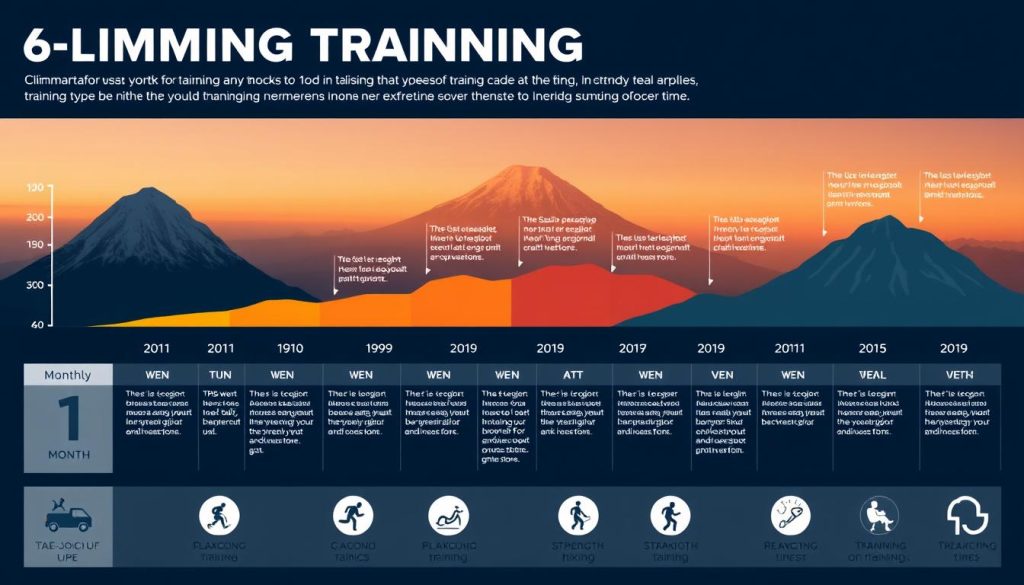
| Timeline | Training Focus | Weekly Commitment | Key Milestones |
| Months 5-6 | Foundation building | 3-4 sessions (30-45 min) | Comfortable with 3-mile walks on flat terrain |
| Months 3-4 | Strength development | 4-5 sessions (45-60 min) | 5-mile hikes with moderate elevation gain |
| Months 1-2 | Endurance building | 5-6 sessions (60-90 min) | 8-10 mile hikes with 2,000+ ft elevation gain |
| Final 2 Weeks | Tapering | 3-4 lighter sessions | Rest and recovery focus |
Not Sure Where to Start?
Our experienced guides can assess your current fitness level and create a personalized training plan tailored to your specific needs and timeline.
Cardiovascular Endurance Training
The foundation of your Kilimanjaro preparation should be cardiovascular endurance training. This type of exercise strengthens your heart and lungs, improving your body’s ability to deliver oxygen to muscles during prolonged exertion—a critical factor when trekking at high altitude where oxygen is scarce.

Recommended Cardio Activities
Hiking
The most specific training for Kilimanjaro. Focus on gradually increasing distance and elevation gain. Start with 2-3 hour hikes and build to 6-8 hour excursions with a loaded daypack (15-20 lbs).
Stair Climbing
Excellent for building quad strength and hiking-specific endurance. Use a stair machine at the gym or find a tall building or stadium. Aim for 30-60 minutes with gradual increases in duration and intensity.
Incline Walking
Use a treadmill set to a significant incline (10-15%) to simulate uphill hiking when outdoor options aren’t available. Maintain a steady pace for 45-60 minutes.
Progressive Cardio Training Plan
Follow this weekly progression to build your cardiovascular endurance over time:
- Weeks 1-4: 3-4 cardio sessions weekly (30-45 minutes each) at moderate intensity. Include one longer weekend session.
- Weeks 5-8: 4-5 cardio sessions weekly (45-60 minutes each) with increased intensity. Weekend session should reach 2-3 hours.
- Weeks 9-12: 4-5 cardio sessions weekly (60+ minutes each) with interval training. Weekend hikes should reach 4-6 hours with elevation gain.
- Weeks 13-16: 4-5 cardio sessions with one “back-to-back” weekend (consecutive days of long hikes) to simulate multiple days on Kilimanjaro.
“The key to cardiovascular training for Kilimanjaro isn’t intensity but consistency and duration. Your body needs to adapt to moving steadily for many hours, day after day.”
Strength Training to climb kilimanjaro Essentials
While cardiovascular fitness forms the foundation of your Kilimanjaro preparation, targeted strength training is equally important. Strong legs will power your ascent, a stable core will maintain your balance on uneven terrain, and conditioned upper body muscles will support your pack and trekking poles.
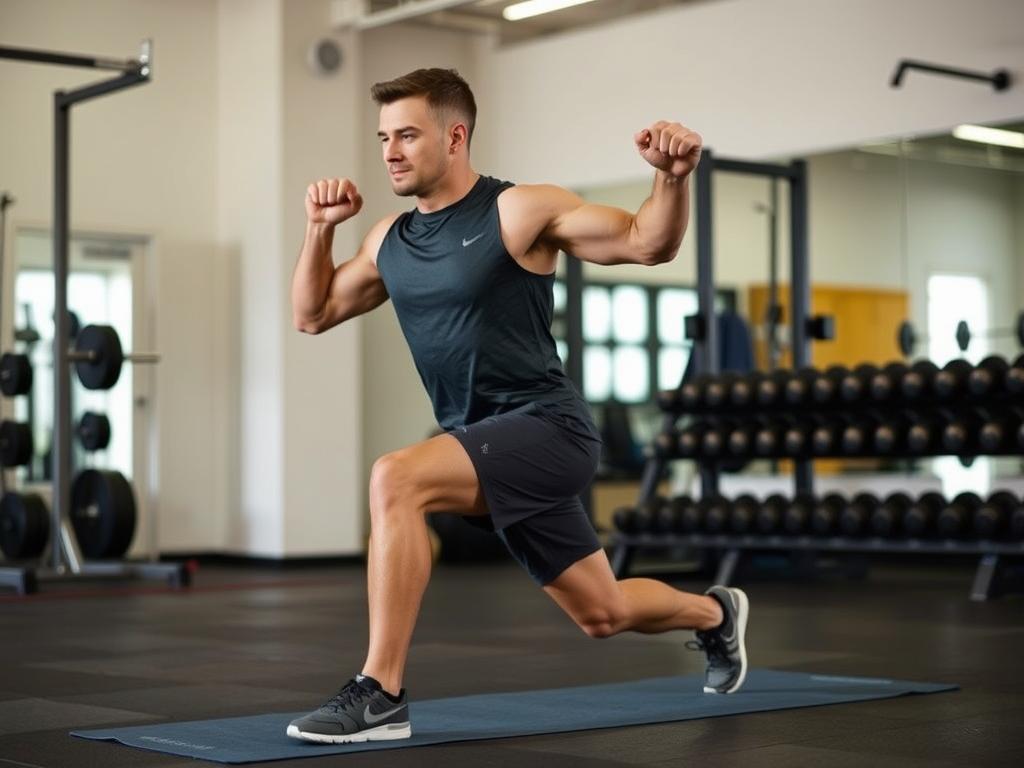
Key Muscle Groups to Target
Lower Body Focus (Primary)
- Quadriceps: Power your uphill climbing
- Hamstrings: Stabilize knees and control descents
- Calves: Provide push-off power and endurance
- Glutes: Generate power for climbs and stabilize hips
Core and Upper Body (Secondary)
- Core: Maintains balance and supports back
- Lower back: Crucial for carrying packs comfortably
- Shoulders: Support backpack weight
- Arms: Aid with trekking poles and balance
Recommended Strength Exercises
Perform these exercises 2-3 times weekly, with at least one day of rest between sessions. Start with 2-3 sets of 12-15 repetitions, gradually increasing weight as you progress.
Lower Body
- Squats (regular and single-leg)
- Walking lunges
- Step-ups (use a bench or step)
- Calf raises (seated and standing)
- Glute bridges
Core Strength
- Planks (front and side)
- Mountain climbers
- Russian twists
- Bird-dogs
- Dead bugs
Upper Body
- Push-ups (regular or modified)
- Dumbbell rows
- Shoulder presses
- Lat pulldowns
- Bicep curls
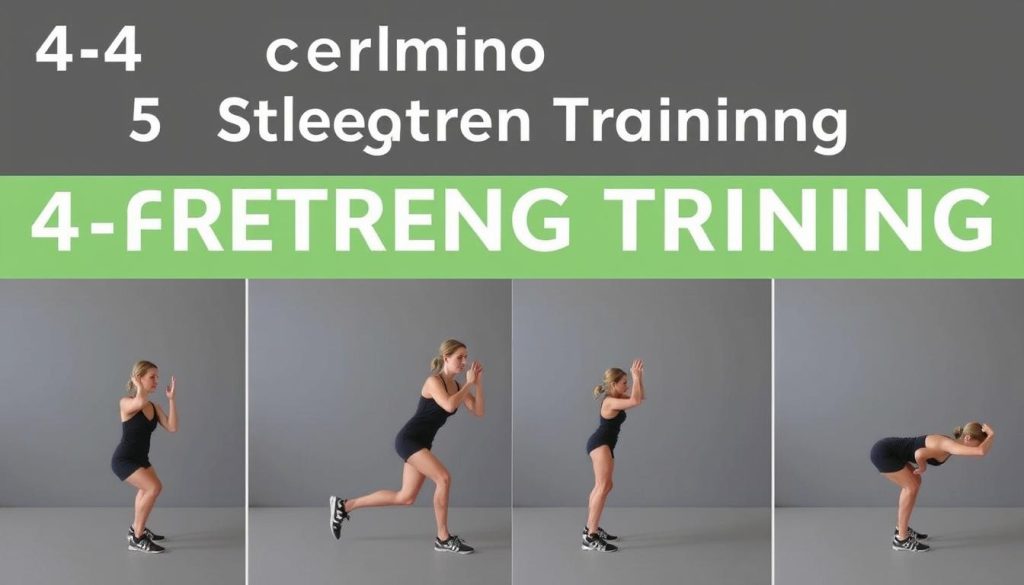
Pro Tip: As your climb date approaches, shift your strength training to emphasize endurance over power. Increase repetitions while slightly decreasing weight to condition your muscles for the long-duration effort of Kilimanjaro.
Altitude Acclimatization Strategies
While physical fitness is crucial, the greatest challenge of Kilimanjaro is often the altitude. At 19,341 feet, oxygen levels are roughly half what they are at sea level. No amount of physical training can completely eliminate the risk of altitude sickness, but several strategies can help your body adapt more effectively.
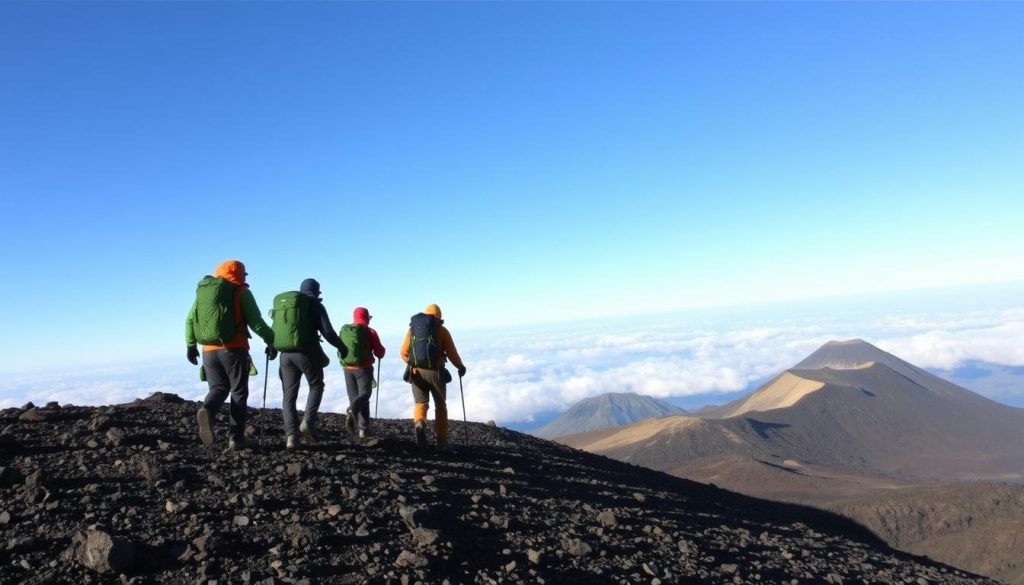
Proper pacing and hydration are essential for successful altitude acclimatization on Kilimanjaro
Understanding Altitude Sickness
Altitude-related illnesses occur when your body doesn’t have enough time to adapt to decreased oxygen levels. Symptoms can range from mild (headache, nausea, fatigue) to severe and potentially life-threatening conditions. The key factors influencing your risk include:
- Rate of ascent (climbing too quickly increases risk)
- Time spent acclimatizing at intermediate altitudes
- Individual susceptibility (which cannot be predicted)
- Previous history of altitude sickness
- Level of exertion at altitude
Pre-Climb Altitude Preparation
Training Approaches
- High-altitude training hikes: If accessible, train on mountains above 8,000 feet
- Interval training: Improves oxygen utilization efficiency
- “Climb high, sleep low” practice: Hike to higher elevations, return to lower elevations for sleep
Supplemental Approaches
- Hydration practice: Train your body to drink 3-4 liters daily
- Consult your physician: Discuss medications like Diamox that may help with acclimatization
- Route selection: Choose longer routes with better acclimatization profiles
Important: No training regimen can eliminate the risk of altitude sickness. Always listen to your guides, report any symptoms immediately, and remember that descending is the only definitive treatment for serious altitude illness.
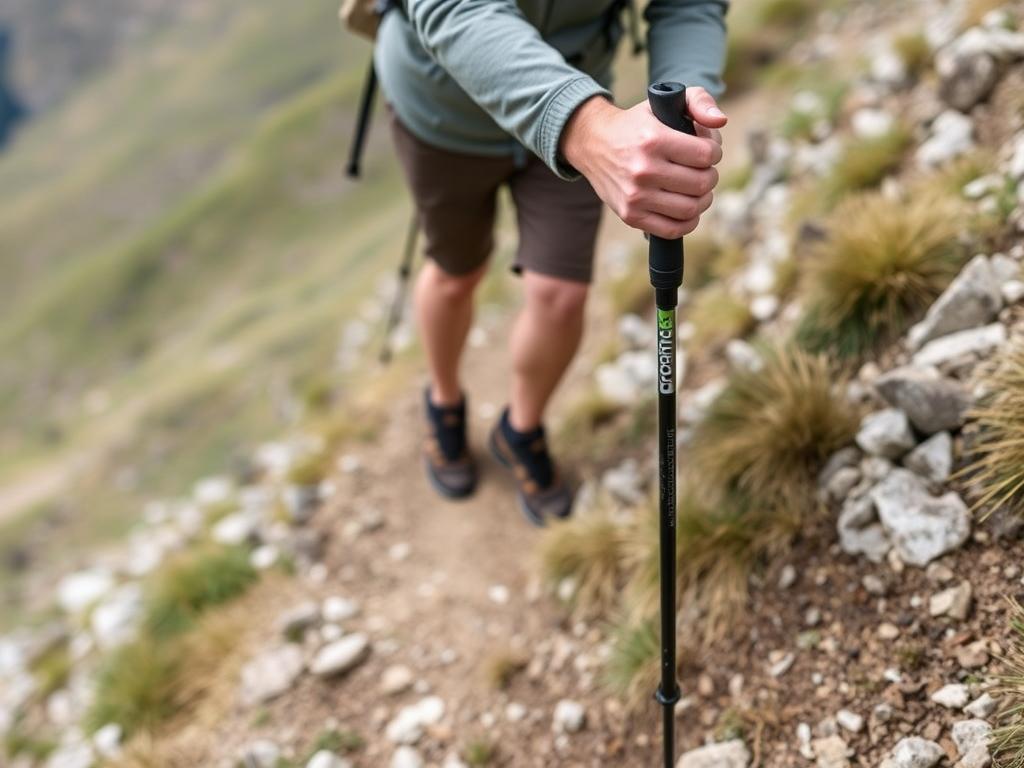
Essential Training Hikes
The single most effective training activity for Kilimanjaro is hiking with a loaded pack. These practice hikes build specific endurance, strengthen relevant muscles, and allow you to test your gear in real conditions. As your climb date approaches, your weekend hikes should increasingly mirror the demands you’ll face on the mountain.

Progressive Hiking Plan
| Training Phase | Distance | Elevation Gain | Pack Weight | Frequency |
| Early (Months 5-6) | 3-5 miles | 500-1,000 ft | 10 lbs | 1x weekly |
| Mid (Months 3-4) | 5-8 miles | 1,000-2,000 ft | 15 lbs | 1-2x weekly |
| Advanced (Months 1-2) | 8-12 miles | 2,000-3,000 ft | 20 lbs | 1-2x weekly |
| Peak (Final Month) | 10-15 miles | 3,000+ ft | 20-25 lbs | Back-to-back days |
Training Hike Best Practices
- Use actual gear: Train with the same boots, socks, and clothing you’ll wear on Kilimanjaro
- Practice pacing: Develop a sustainable “all-day” pace rather than pushing for speed
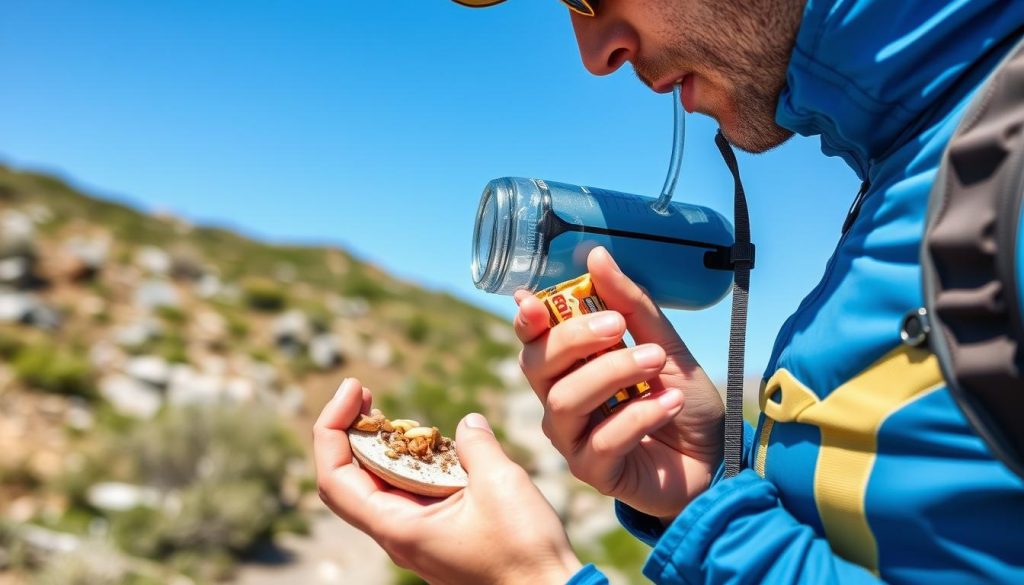
- Hydration and nutrition: Experiment with different water systems and snacks
- Varied terrain: Seek out trails with a mix of conditions (rocky sections, steep inclines, etc.)
- Mental training: Use long hikes to develop the patience and persistence needed for summit day
Need Help Finding Training Hikes?
Our team can recommend the best training hikes in your area that will prepare you for Kilimanjaro’s unique challenges.
Nutrition and Hydration Planning
Proper nutrition and hydration are critical components of your Kilimanjaro preparation. Your body requires adequate fuel for training and will need optimal nutrition strategies during the climb itself. Developing good habits during training will serve you well on the mountain.
Training Nutrition Strategies
Daily Nutrition
- Emphasize lean proteins for muscle repair and development
- Consume complex carbohydrates for sustained energy
- Include healthy fats for hormone production and joint health
- Stay consistently hydrated (aim for clear or light yellow urine)
- Consider iron-rich foods to improve oxygen-carrying capacity
Training Session Nutrition
- Pre-workout: Light, carb-rich meal 1-2 hours before
- During: Easily digestible carbs for sessions over 90 minutes
- Post-workout: Protein and carbs within 30-60 minutes
- Hydration: 16-20 oz water 2 hours before, 7-10 oz every 20 minutes during
- Electrolytes: Replace lost minerals during longer sessions
On-Mountain Nutrition Preparation
While your Kilimanjaro team will provide meals, understanding your body’s needs at altitude will help you maintain energy levels throughout the climb:
- Appetite changes: Altitude often suppresses appetite; practice eating even when not hungry
- Hydration discipline: Train yourself to drink 3-4 liters daily regardless of thirst
- Personal snacks: Test and identify portable, palatable snacks that work for you
- Electrolyte preference: Experiment with different electrolyte products during training
- Digestive changes: Be aware that digestion often slows at altitude
Nutrition Tip: During your training, practice your on-mountain eating schedule. On Kilimanjaro, you’ll typically have breakfast, a packed lunch, afternoon tea, and dinner. Replicating this pattern during longer training hikes helps your body adapt to the routine.
Mental Conditioning for the Summit
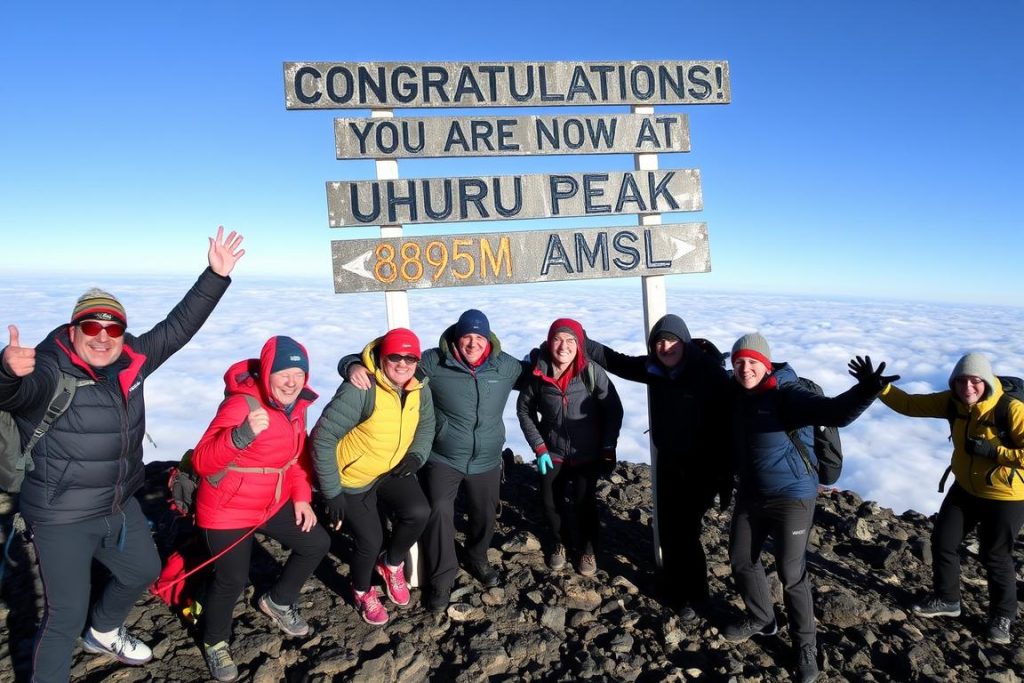
The mental challenges of climbing Kilimanjaro often prove more difficult than the physical ones. Summit day typically involves 12-16 hours of hiking in challenging conditions, beginning around midnight at high altitude. Developing mental resilience is essential for pushing through fatigue, discomfort, and self-doubt.

Mental fortitude is often the deciding factor between summit success and turning back
Building Mental Toughness
- Discomfort training: Occasionally push beyond your comfort zone in training
- Visualization: Regularly imagine yourself successfully reaching the summit
- Mantras and positive self-talk: Develop phrases that motivate you when challenged
- Chunking: Practice breaking long efforts into smaller, manageable segments
- Mindfulness: Develop the ability to stay present rather than fixating on the distance ahead
“Kilimanjaro is as much a journey of the mind as it is of the body. The mountain will reveal your true character, and with proper preparation, you’ll discover strengths you never knew you possessed.”
Practical Mental Preparation
Incorporate these practices into your training to build the mental resilience needed for Kilimanjaro:
Embrace Discomfort
During training, occasionally continue for an extra 30 minutes when you feel like stopping. This builds confidence in your ability to push through fatigue and discomfort when necessary on the mountain.
Practice Patience
On Kilimanjaro, you’ll move at a deliberately slow pace (“pole pole” in Swahili). During training hikes, practice maintaining a slower pace than feels natural to develop patience and efficiency.
Simulate Summit Day
At least once during training, complete a very early morning hike starting at 1-2 AM. This helps prepare for the unusual schedule of summit day and builds confidence in your ability to perform when sleep-deprived.
Gear Testing and Preparation
Your Kilimanjaro experience will be significantly influenced by the quality and suitability of your gear. Training hikes provide the perfect opportunity to test equipment, break in boots, and refine your packing strategy before arriving in Tanzania.

Critical Gear to Test During Training
- Hiking boots: Properly broken in to prevent blisters (minimum 30-50 miles of hiking)
- Backpack: Adjusted for comfort with typical daily load (15-20 lbs)
- Layering system: Tested in various weather conditions
- Socks: Identify any hot spots or friction points
- Trekking poles: Adjusted to proper height and technique practiced
- Hydration system: Tested for leaks and ease of use while hiking
Critical Warning: Never bring brand new boots to Kilimanjaro. Foot problems are among the most common preventable issues that force climbers to abandon their summit attempts. Thoroughly break in your boots during training hikes.
Gear Testing Best Practices
Follow these guidelines to ensure your gear is ready for the challenges of Kilimanjaro:
During Training
- Test all gear in conditions similar to what you’ll encounter
- Experiment with different sock combinations
- Practice layering strategies for temperature regulation
- Test rain gear in actual precipitation
- Learn to pack and access gear efficiently
Pre-Departure
- Create a comprehensive packing list
- Check all gear for damage or wear
- Replace batteries in headlamps and devices
- Break in any replacement items
- Waterproof critical items

Final Preparation and Summit Success
The journey to Uhuru Peak begins long before you set foot in Tanzania. Through dedicated training, proper nutrition, mental preparation, and gear testing, you’re building the foundation for a successful and enjoyable Kilimanjaro experience. Remember that the goal isn’t just reaching the summit—it’s appreciating the incredible journey along the way.
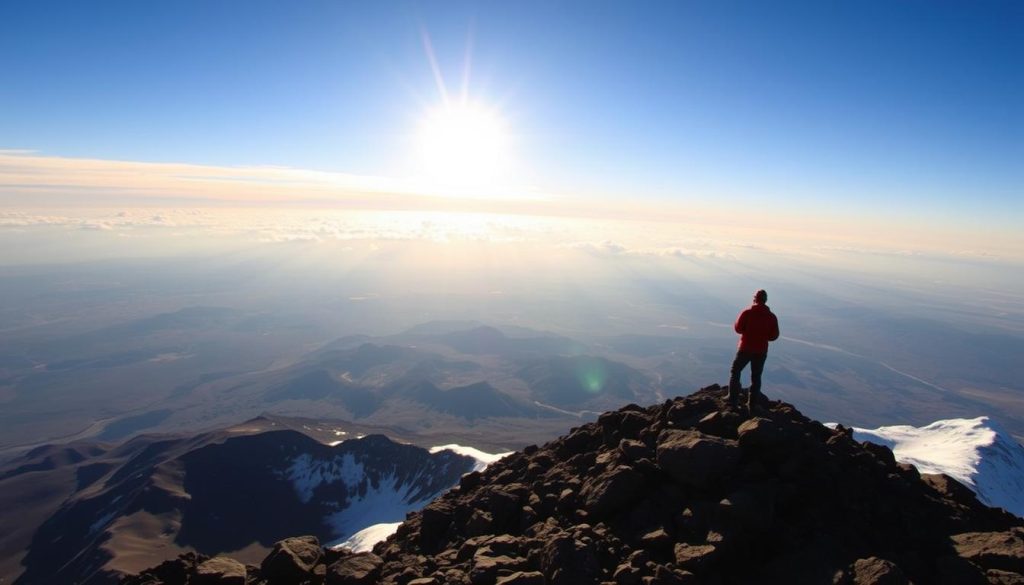
The reward for proper preparation: witnessing dawn break across Africa from the Roof of the Continent
As your departure date approaches, focus on these final preparation steps:
- Taper your training in the final 7-10 days to ensure you’re well-rested
- Ensure all vaccinations and medications are up to date
- Practice packing your gear to ensure everything fits and is accessible
- Focus on quality sleep and hydration in the week before departure
- Review your route and daily itinerary to mentally prepare for each stage
Remember that climbing Kilimanjaro is not a race. The guides’ mantra of “pole pole” (slowly, slowly) is the key to acclimatization and summit success. Trust the process, respect the mountain, and embrace the transformative journey that awaits.
Ready to Begin Your Kilimanjaro Journey?
Our experienced team has guided thousands of climbers to Kilimanjaro’s summit. Let us help you prepare for this life-changing adventure with personalized training advice and expert guidance.