Standing tall at 5,895 meters (19,341 feet), Mount Kilimanjaro beckons adventurers from around the world to conquer Africa’s highest peak. As the tallest free-standing mountain on Earth, Kilimanjaro offers a unique trekking experience that doesn’t require technical climbing skills—just determination, proper preparation, and the right guidance. This comprehensive guide covers everything you need to know about climbing Kilimanjaro: the most scenic routes, budget-friendly options, typical duration, and essential preparation tips to maximize your chances of reaching Uhuru Peak.
Best Routes to Climb Mount Kilimanjaro
Kilimanjaro features six official routes to the summit, each with distinct characteristics, difficulty levels, and scenery. Your choice of route significantly impacts your success rate, budget, and overall experience.
Map of Mount Kilimanjaro’s major climbing routes
- Known as the “Whiskey Route”
- 6-7 days duration
- High success rate (85-90% for 7-day option)
- Scenic variety with diverse landscapes
- More challenging terrain
- Popular and sometimes crowded
- Mid-range cost option
Machame Route
- 8-9 days duration
- Highest success rate (90-95%)
- Beautiful scenery with Shira Plateau
- Excellent acclimatization profile
- Less crowded western approach
- Wildlife sightings possible
- Premium cost option
Lemosho Route
- Known as the “Coca-Cola Route”
- 5-6 days duration
- Lower success rate (60-75%)
- Only route with hut accommodations
- Same path for ascent and descent
- Gentler slopes but faster ascent
- Most affordable option
Marangu Route
Less Common But Worthwhile Routes
Rongai Route
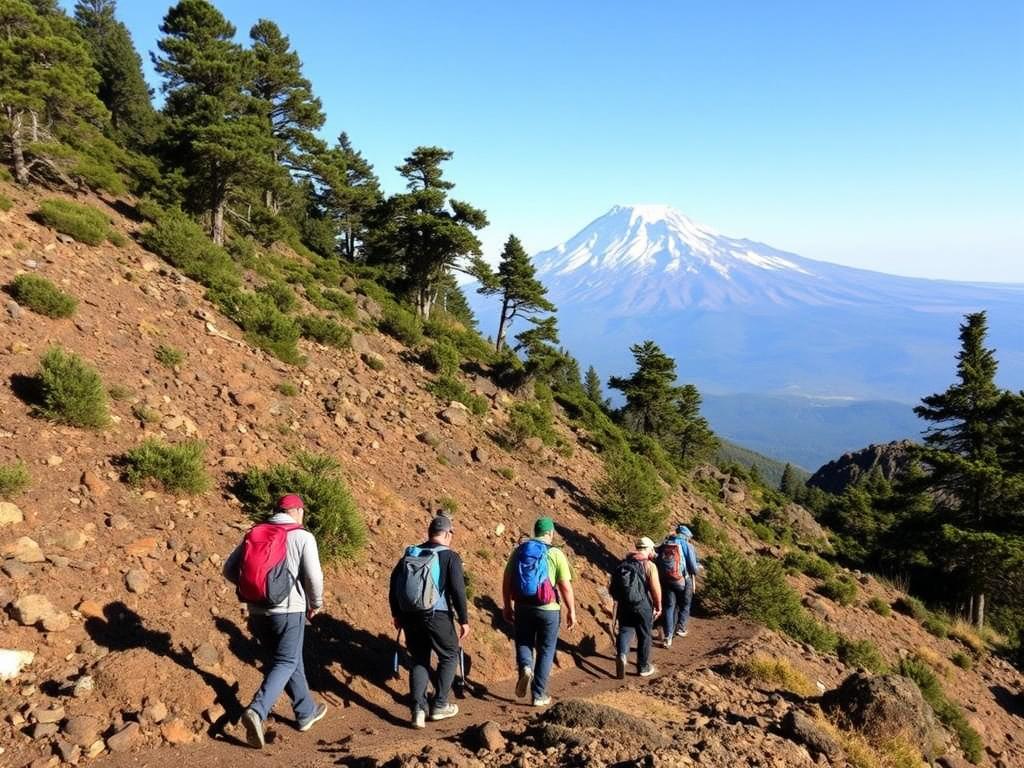
Approaching from the north near the Kenyan border, Rongai offers a drier, less crowded experience. It’s ideal for rainy season climbs and features unique northern views of the mountain. The 6-7 day itineraries provide good acclimatization, though the longer drive to the trailhead adds to the cost.
Northern Circuit
As the newest and longest route, the Northern Circuit offers unparalleled 360-degree views by circumnavigating the mountain. With 8-9 days on the trail, it provides excellent acclimatization and boasts the highest success rate. Though more expensive, the solitude and comprehensive experience make it worth considering.
Umbwe Route
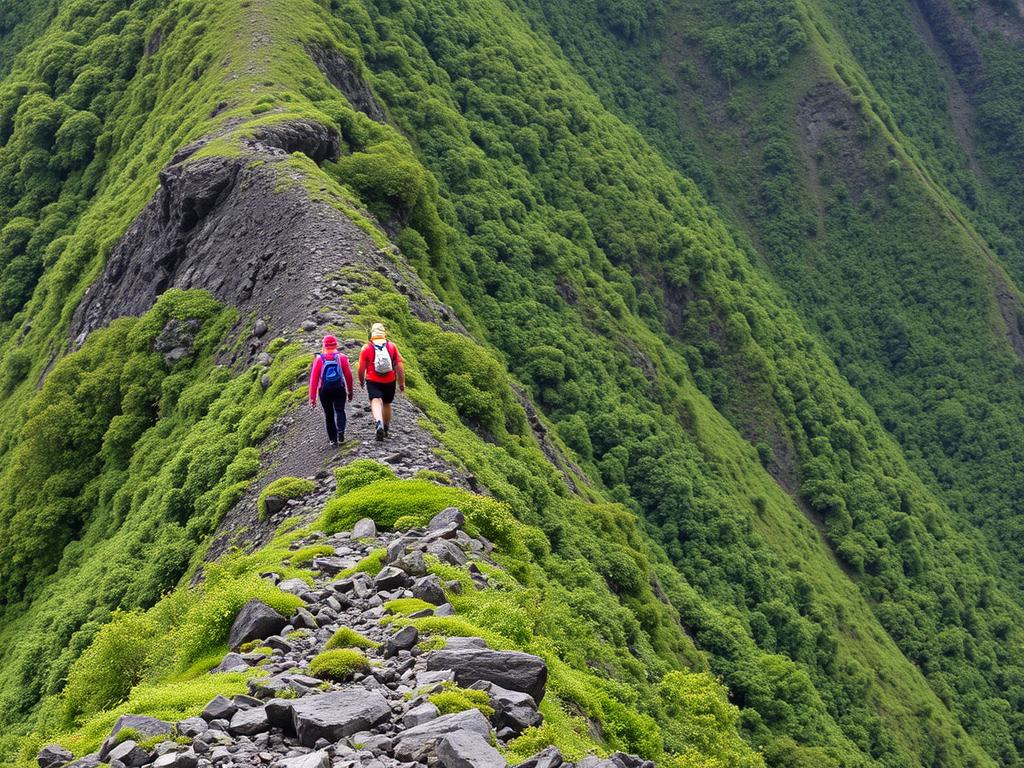
The steepest and most direct path, Umbwe is recommended only for experienced trekkers. This challenging route offers solitude but requires excellent fitness and prior acclimatization. It joins the Machame route on day two and offers the same scenic highlights thereafter.
Western Breach
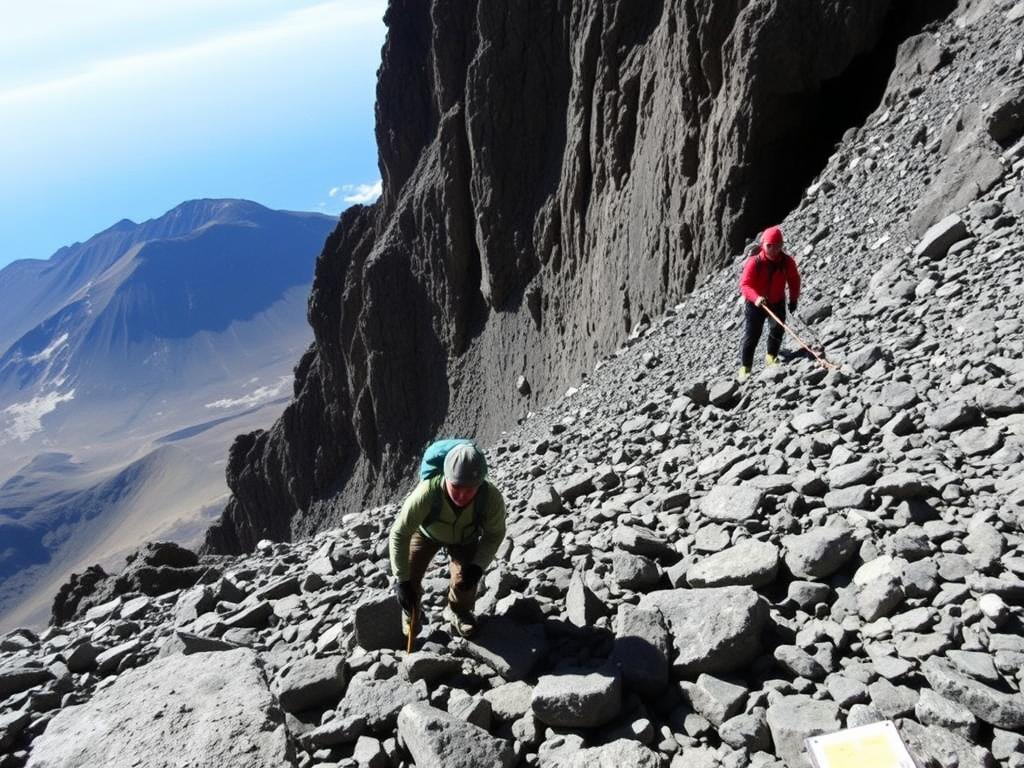
Not a standalone route but a challenging variation to reach the summit, the Western Breach involves some scrambling and exposure to rockfall. It offers a unique approach to the crater and can be combined with an overnight stay at the crater camp for an unforgettable experience.
Not Sure Which Route Is Right For You?
Our experienced guides can help you choose the perfect Kilimanjaro route based on your fitness level, experience, budget, and preferences.
How Much Does It Cost to Climb Mount Kilimanjaro?
The cost of climbing Kilimanjaro varies significantly based on route choice, trip duration, group size, and operator quality. Understanding these factors helps you budget effectively while ensuring a safe and enjoyable experience.
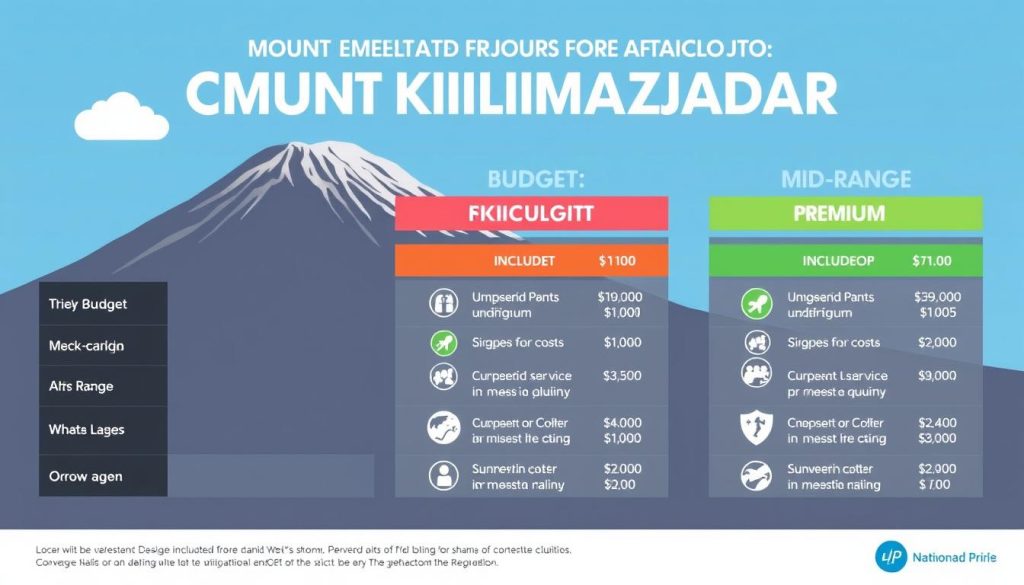
Cost breakdown for climbing Mount Kilimanjaro by category
Price Ranges for Kilimanjaro Climbs
| Category | Price Range | What’s Included | Safety Considerations | Recommended For |
| Budget | $1,400 – $2,000 | Basic equipment, minimal support staff, shared accommodations | Limited safety equipment, less experienced guides | Experienced trekkers on tight budgets (use caution) |
| Mid-Range | $2,000 – $3,500 | Quality equipment, proper guide-to-client ratio, pre/post climb accommodations | Adequate safety protocols, oxygen, first aid | Most climbers seeking balance of value and safety |
| Premium | $3,500 – $6,000+ | Top-quality gear, Western guides, luxury accommodations, private toilets | Comprehensive safety equipment, highly trained staff | Climbers seeking maximum comfort and highest safety standards |
What’s Typically Included in Kilimanjaro Climb Costs
Standard Inclusions
- Park fees and permits (approximately $800-1,000)
- Professional guides and support staff
- Meals during the climb
- Camping equipment (tents, sleeping mats)
- Group safety equipment
- Transportation to/from trailhead
- Pre/post climb accommodations (1-2 nights)
Additional Expenses
- International flights ($800-1,500)
- Visa fees ($50-100)
- Travel insurance with high-altitude coverage ($100-200)
- Personal gear and clothing ($500-1,000)
- Tips for guides and porters ($200-400)
- Extra accommodation before/after climb
- Personal medications and vaccinations
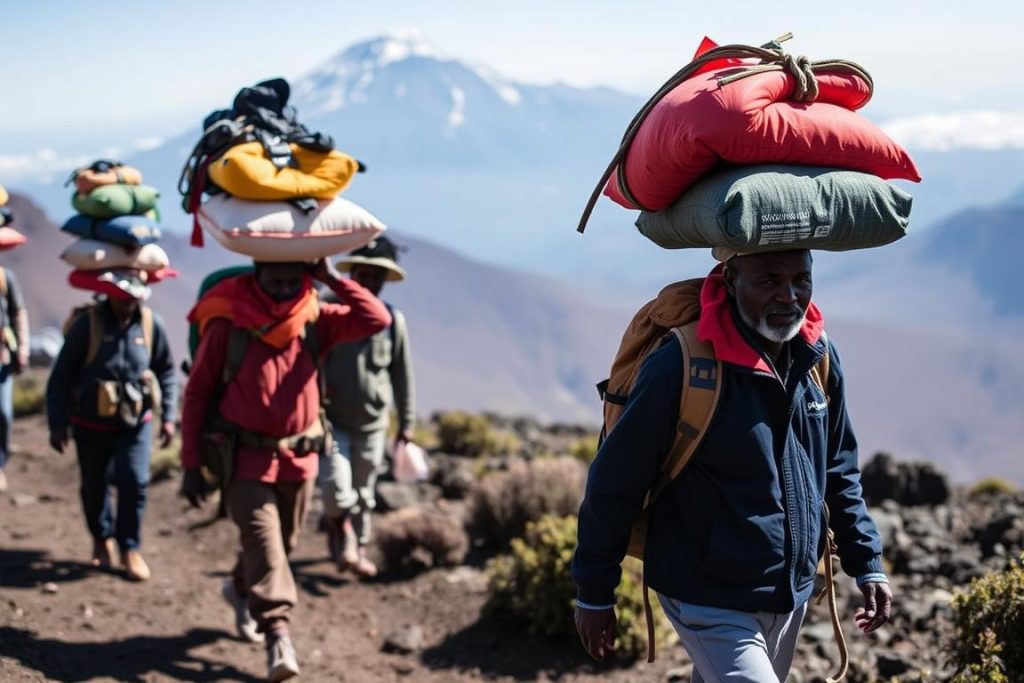
Porters are essential to Kilimanjaro climbs and should be fairly compensated
Cost-Saving Tips Without Compromising Safety
Recommended Cost-Saving Strategies
- Book during shoulder seasons (April-June or November)
- Join a group climb instead of a private expedition
- Choose the 6-day Machame or Marangu route (if well-acclimatized)
- Rent gear locally instead of purchasing everything new
- Book directly with local Tanzanian operators
- Combine with other travelers to form a group
Cost-Cutting Measures to Avoid
- Choosing operators with suspiciously low prices
- Selecting 5-day itineraries (poor acclimatization)
- Operators who don’t follow fair porter treatment guidelines
- Skimping on travel insurance coverage
- Using inadequate personal gear/clothing
- Attempting to climb independently (not permitted)
“The bitterness of poor quality remains long after the sweetness of low price is forgotten. When it comes to climbing Kilimanjaro, this is especially true—your safety and summit success depend on choosing a reputable operator with fair practices.”
Get Our Detailed Kilimanjaro Budget Planner
Our free downloadable budget planner helps you understand all costs involved and how to save money without compromising safety.
How Long Does It Take to Climb Mount Kilimanjaro?
The duration of a Kilimanjaro climb depends primarily on your chosen route and itinerary. While it’s technically possible to reach the summit in as few as 5 days, longer itineraries dramatically improve acclimatization and summit success rates.
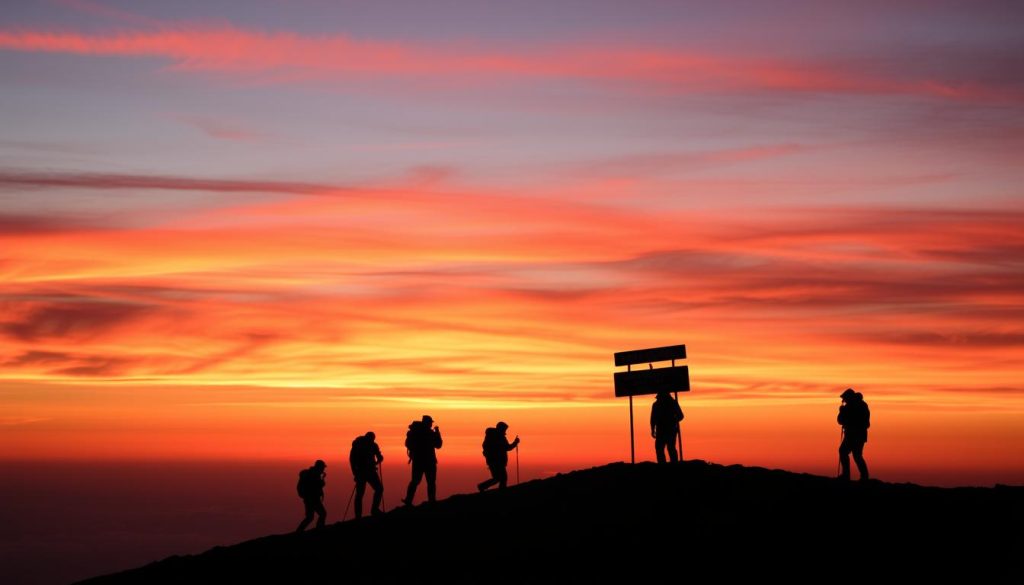
Climbers approaching Uhuru Peak during the final summit push
Duration by Route
| Route | Minimum Days | Recommended Days | Summit Success Rate | Total Distance | Daily Hiking Hours |
| Machame | 6 | 7 | 85-90% | 62 km / 37 miles | 4-8 hours |
| Lemosho | 7 | 8-9 | 90-95% | 70 km / 43 miles | 4-7 hours |
| Marangu | 5 | 6 | 60-75% | 72 km / 45 miles | 5-7 hours |
| Rongai | 6 | 7 | 80-85% | 73 km / 45 miles | 4-7 hours |
| Northern Circuit | 8 | 9 | 95%+ | 90 km / 56 miles | 4-7 hours |
Typical Day-by-Day Itinerary (7-Day Machame Route)
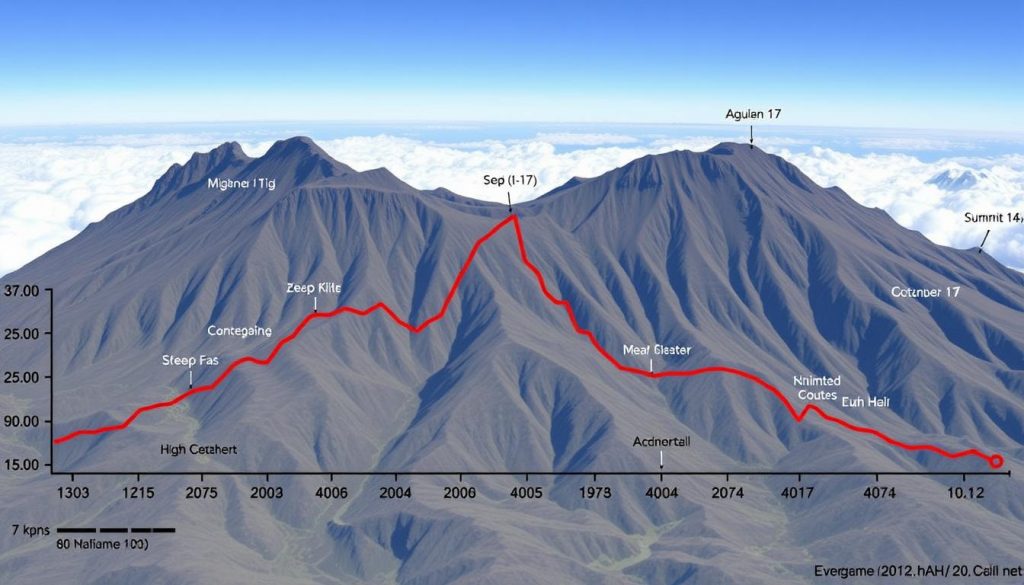
Elevation profile of the 7-day Machame Route
- Day 1: Machame Gate (1,800m) to Machame Camp (3,000m)
Distance: 11 km / 7 miles
Hiking time: 5-7 hours
Habitat: Rainforest - Day 2: Machame Camp to Shira Camp (3,840m)
Distance: 5 km / 3 miles
Hiking time: 4-6 hours
Habitat: Moorland - Day 3: Shira Camp to Lava Tower (4,630m) to Barranco Camp (3,950m)
Distance: 10 km / 6 miles
Hiking time: 6-8 hours
Habitat: Semi-desert
Note: Important acclimatization day (climb high, sleep low) - Day 4: Barranco Camp to Karanga Camp (4,000m)
Distance: 5 km / 3 miles
Hiking time: 4-5 hours
Habitat: Alpine desert - Day 5: Karanga Camp to Barafu Camp (4,600m)
Distance: 4 km / 2.5 miles
Hiking time: 4-5 hours
Habitat: Alpine desert - Day 6: Summit Day – Barafu Camp to Uhuru Peak (5,895m) to Mweka Camp (3,100m)
Distance: 16 km / 10 miles
Hiking time: 12-16 hours
Habitat: Arctic zone and descent through all zones - Day 7: Mweka Camp to Mweka Gate (1,800m)
Distance: 10 km / 6 miles
Hiking time: 3-4 hours
Habitat: Rainforest
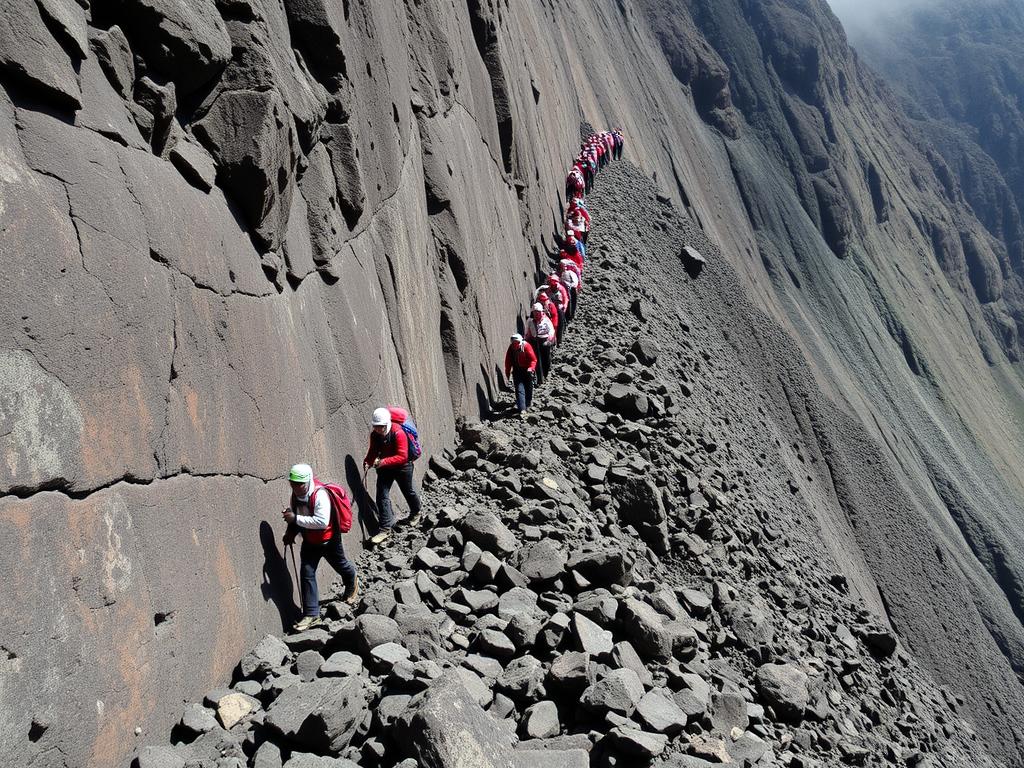
Climbers traversing the famous Barranco Wall on day 4 of the Machame Route
Summit Night: The Longest Day
Summit day deserves special attention as it’s the most challenging part of the climb. Most routes follow this schedule:
Summit Night Timeline
- 10:30-11:30 PM: Light dinner and final preparations
- 11:30 PM-12:00 AM: Begin summit attempt
- 12:00-6:00 AM: Steep ascent in darkness
- 6:00-7:00 AM: Reach Stella Point (5,756m)
- 7:00-8:00 AM: Final push to Uhuru Peak (5,895m)
- 8:00-9:00 AM: Celebration and photos at summit
- 9:00 AM-2:00 PM: Descent to camp
Why Climb at Night?
- Firm snow/scree conditions for better footing
- Summit arrival coincides with sunrise views
- Allows time for full descent same day
- Clouds typically clear at night
- Psychological advantage (can’t see how far)
- Cooler temperatures for strenuous activity
- Traditional approach with proven success
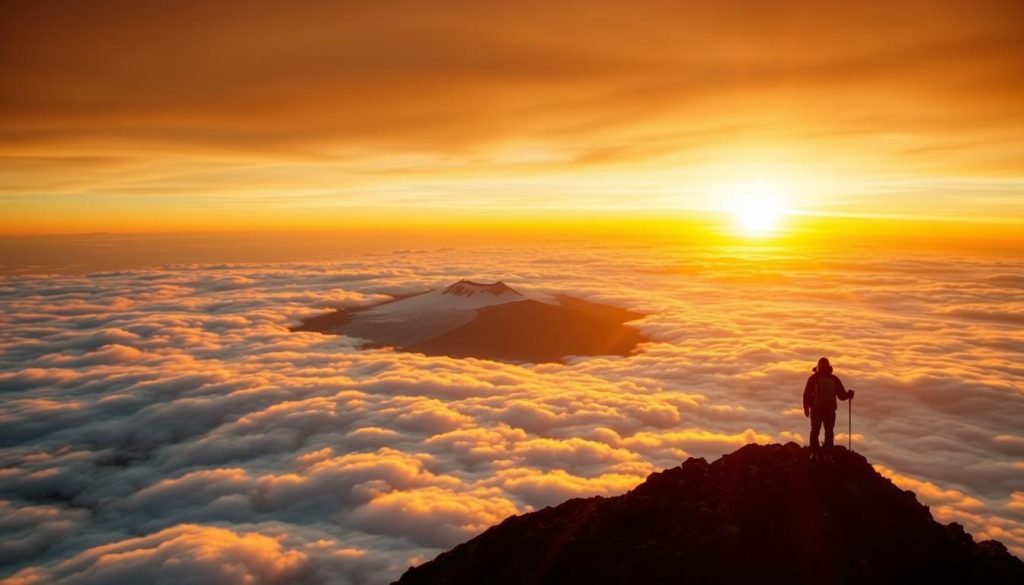
Sunrise view from Stella Point during the final approach to the summit
Duration Considerations by Fitness Level
Important: No matter your fitness level, altitude affects everyone differently. Even elite athletes can struggle with altitude sickness. The key to summit success is proper acclimatization, which requires time. Rushing the climb significantly reduces your chances of reaching the top.
Ready to Plan Your Kilimanjaro Adventure?
Our expert guides can help you choose the ideal route and duration based on your fitness level, experience, and goals.
Essential Preparation for Climbing Mount Kilimanjaro
Proper preparation is crucial for a successful and enjoyable Kilimanjaro climb. Here are the key areas to focus on before your expedition.
Physical training with a loaded pack helps prepare for Kilimanjaro’s demands
Physical Training
Cardiovascular Fitness
- Begin training 3-6 months before your climb
- Focus on endurance activities (hiking, walking, swimming)
- Aim for 3-4 cardio sessions per week (30-60 minutes)
- Include one long session weekly (2+ hours)
- Gradually increase duration and intensity
Strength Training
- Focus on leg strength (squats, lunges, step-ups)
- Build core stability for carrying packs
- Include upper body exercises for trekking poles
- Train 2-3 times weekly
- Emphasize endurance over maximum strength
Essential Gear
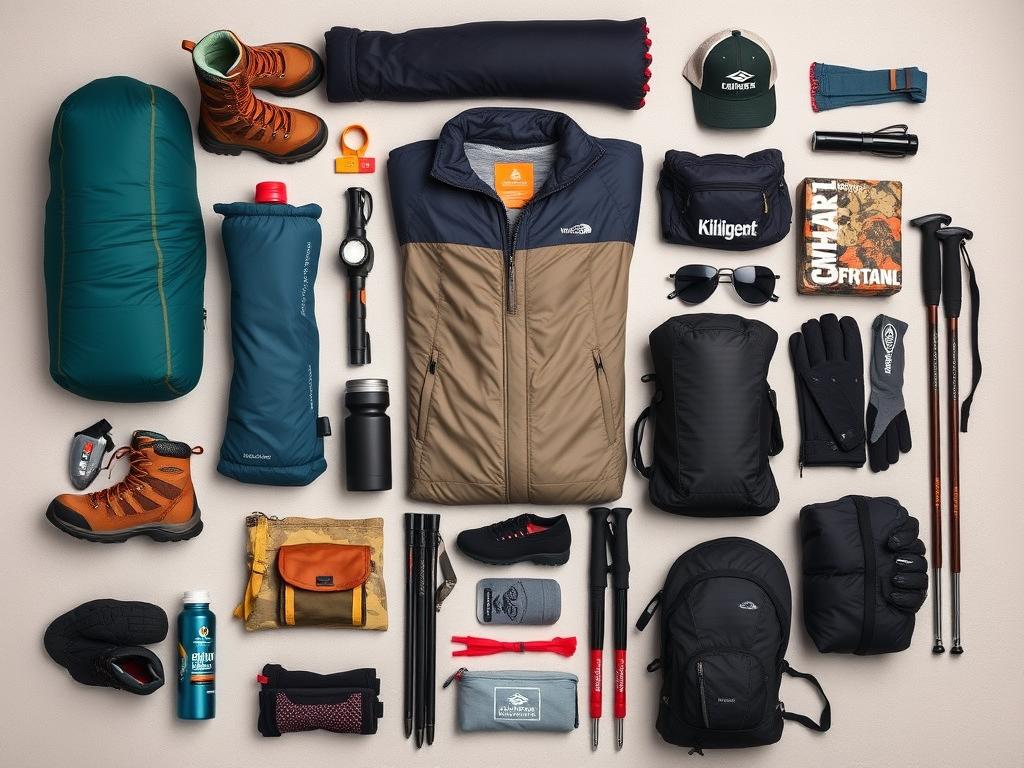
Essential gear for a successful Kilimanjaro climb
Clothing Layers
- Moisture-wicking base layers
- Insulating mid-layers (fleece)
- Waterproof/windproof outer shell
- Insulated down jacket
- Hiking pants (convertible recommended)
- Warm hat and sun hat
- Gloves (liner and waterproof shells)
Footwear & Accessories
- Broken-in waterproof hiking boots
- Gaiters for scree and dust
- Hiking socks (multiple pairs)
- Trekking poles
- Headlamp with extra batteries
- Sunglasses (UV protection)
- Daypack (30-35 liters)
Sleeping & Personal
- Warm sleeping bag (-10°C/15°F rating)
- Sleeping bag liner (adds warmth)
- Water bottles/hydration system
- Personal medications
- Sunscreen and lip balm
- Toiletries and wet wipes
- Quick-dry towel
Health Preparations
Medical Considerations
- Consult your doctor 3-6 months before climbing
- Get recommended vaccinations for Tanzania
- Consider altitude sickness medication (Diamox)
- Bring personal medications and first aid supplies
- Secure comprehensive travel insurance with high-altitude coverage
Altitude Acclimatization
- Choose longer itineraries for better acclimatization
- Practice “climb high, sleep low” principles
- Stay well-hydrated (3-4 liters daily)
- Maintain slow, steady pace (“pole pole” in Swahili)
- Consider pre-acclimatization hikes if possible
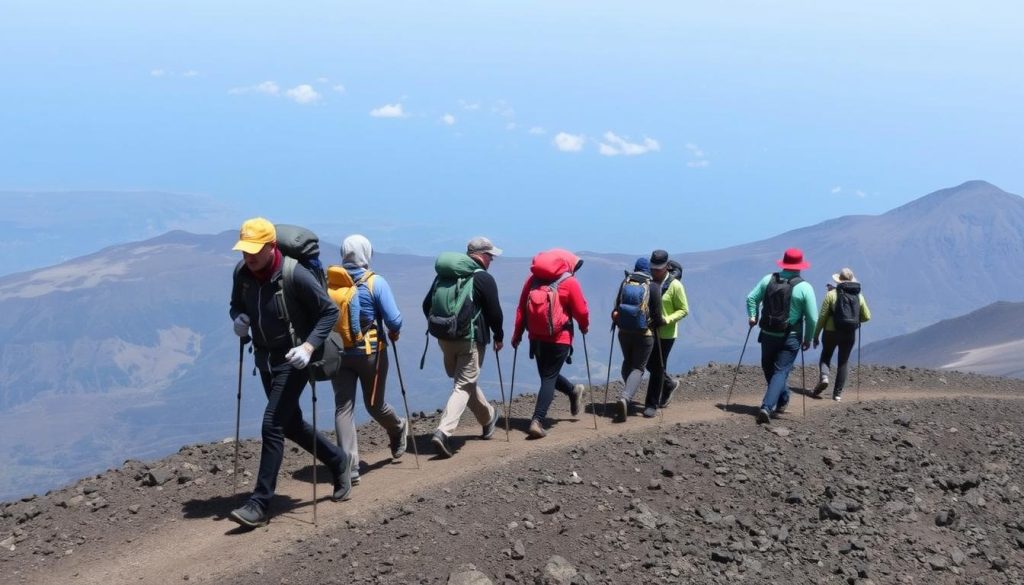
“Pole pole” (slowly slowly) is the mantra for successful Kilimanjaro climbs
Mental Preparation
The mental challenge of climbing Kilimanjaro often exceeds the physical demands. Prepare yourself by:
- Setting realistic expectations about comfort and challenges
- Developing strategies for difficult moments (mantras, visualization)
- Understanding that discomfort is temporary
- Practicing mindfulness and breathing techniques
- Connecting with your motivation for climbing
“Kilimanjaro is a mountain that can be climbed by anyone with determination. The summit is not just reached by your legs, but by your heart and mind. Physical training gets you halfway; mental strength takes you to the top.”
Get Our Complete Kilimanjaro Preparation Guide
Download our comprehensive preparation guide with detailed training plans, gear lists, and mental preparation strategies.
Best Time to Climb Mount Kilimanjaro
While Kilimanjaro can be climbed year-round, certain seasons offer better conditions than others. Understanding the mountain’s weather patterns helps you choose the optimal time for your adventure.
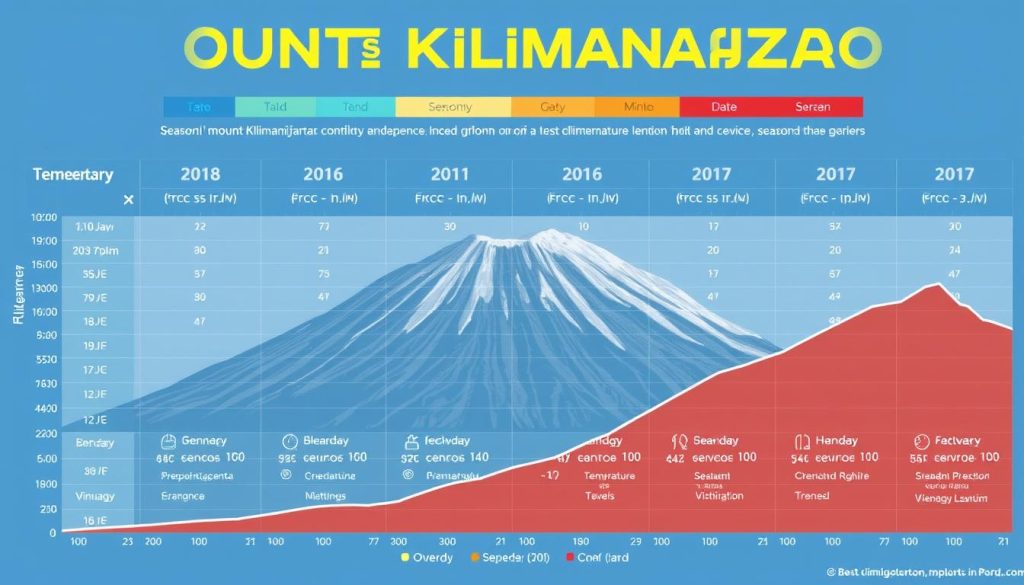
Seasonal weather patterns on Mount Kilimanjaro
Climb mount kilimanjaro Seasons
| Season | Months | Weather Conditions | Crowds | Visibility | Recommendation |
| Dry Season (Peak) | July – October | Clear skies, minimal precipitation | Very busy | Excellent | Book well in advance, ideal conditions |
| Dry Season (Secondary) | January – Mid-March | Generally clear, possible short rains | Moderate | Very good | Good balance of conditions and crowds |
| Long Rainy Season | April – May | Heavy rainfall, muddy trails | Very quiet | Poor, often cloudy | Avoid unless seeking solitude |
| Short Rainy Season | November – December | Intermittent rain, less severe | Quiet | Variable | Consider Rongai Route (drier) |
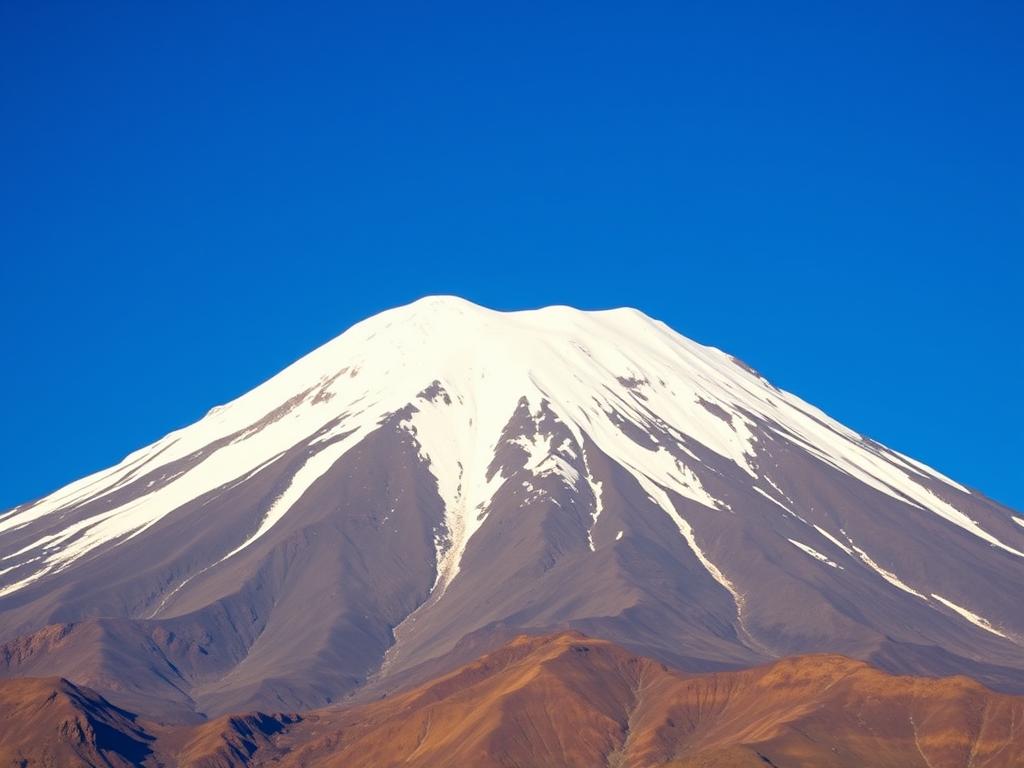
Clear summit views during the dry season (July-October)
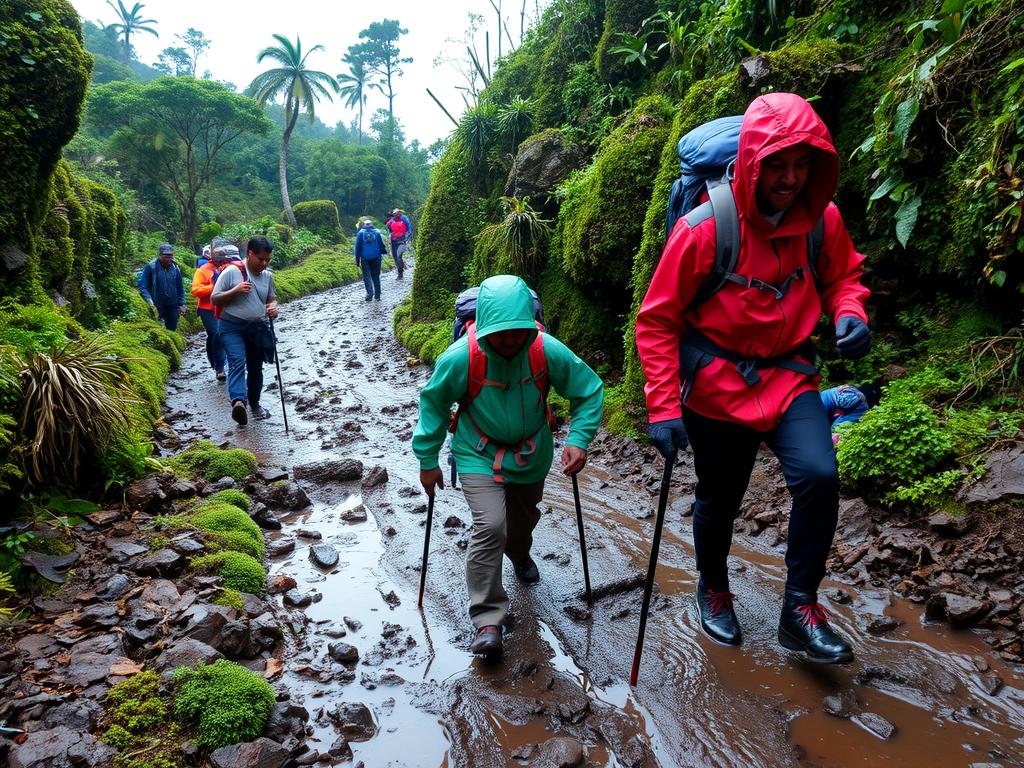
Challenging conditions during the rainy season
Special Considerations
Full Moon Climbs
Summit nights that coincide with a full moon offer spectacular illumination of the landscape without headlamps. These dates book quickly, especially during peak season, so plan 6-12 months in advance if interested.
Northern Routes in Rainy Season
If you must climb during rainy seasons, consider the Rongai Route, which approaches from the northern side of the mountain. This area receives significantly less rainfall, offering drier conditions even during wet months.
Ready to Climb Mount Kilimanjaro?
Climbing Mount Kilimanjaro is a life-changing adventure that combines physical challenge, natural beauty, and cultural immersion. With proper preparation, route selection, and timing, you can maximize your chances of standing on the “Roof of Africa” while maintaining safety and enjoying the journey.
Remember that the most important factors for a successful climb are choosing a reputable operator, allowing sufficient time for acclimatization, and approaching the mountain with both physical and mental preparation. The cheapest option is rarely the safest or most enjoyable, but with careful planning, you can find the right balance between cost and quality.
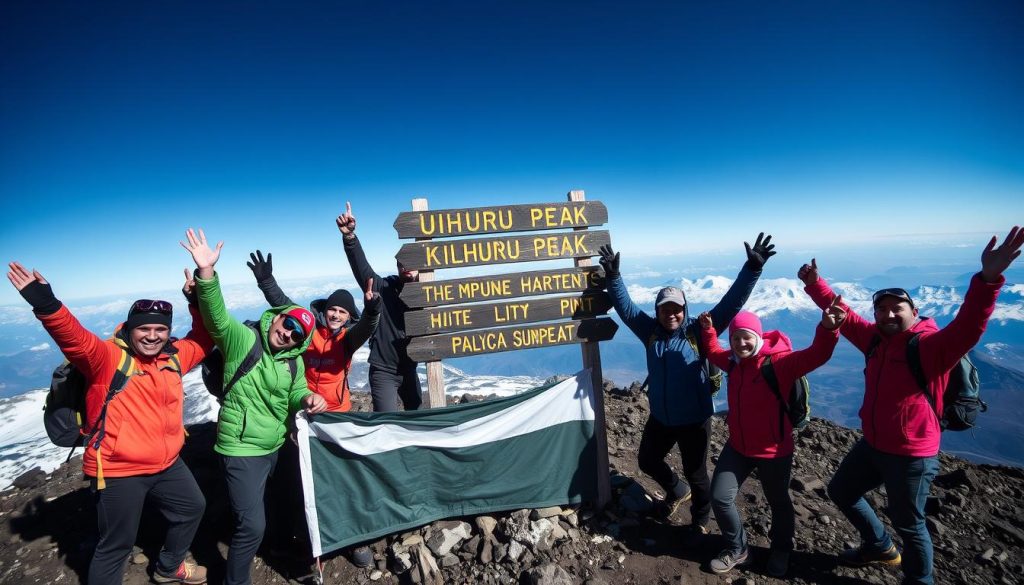
The unforgettable feeling of reaching Uhuru Peak, the summit of Mount Kilimanjaro
Begin Your Kilimanjaro Journey Today
Speak with our experienced guides who have led hundreds of successful Kilimanjaro expeditions. We’ll help you choose the right route, timing, and preparation strategy for your adventure of a lifetime.
Frequently Asked Questions About Climb Mount Kilimanjaro
What is the success rate for climbing Kilimanjaro?
Success rates vary significantly by route and duration. Five-day climbs have success rates of only 50-60%, while 7-8 day climbs on routes like Lemosho or Machame achieve 85-95% success. Your personal fitness, acclimatization, and mental preparation also play crucial roles in reaching the summit.
Do I need technical climbing skills for Kilimanjaro?
No, Kilimanjaro is a non-technical climb that requires no special climbing skills, ropes, or equipment. It’s essentially a challenging high-altitude trek. However, good fitness, proper gear, and mental preparation are essential for success.
What’s the minimum age to climb Kilimanjaro?
The official minimum age set by Kilimanjaro National Park is 10 years old. However, most operators recommend waiting until at least 12-16 years old, as children are more susceptible to altitude sickness. There is no upper age limit, and climbers in their 70s and 80s regularly reach the summit.
Can I climb Kilimanjaro independently without a guide?
No, Kilimanjaro National Park regulations require all climbers to be accompanied by a licensed guide and support staff. This rule ensures safety and provides employment for local communities. Independent climbing is not permitted.
How much should I tip guides and porters?
Tipping is customary and an important part of the crew’s income. The Kilimanjaro Porters Assistance Project recommends -20 per day for guides, -15 for assistant guides, -10 for cooks, and -8 per day for porters. For a 7-day climb with a typical crew, budget 0-300 total for tips.