Mount Kilimanjaro stands majestically at 5,895 meters (19,341 feet), Africa’s highest peak and the world’s tallest free-standing mountain. Each year, approximately 35,000 adventurers attempt to reach its summit, drawn by the allure of conquering this iconic mountain without technical climbing skills. Yet the question remains: just how difficult is it to climb Kilimanjaro? The mountain’s reputation sits at a fascinating intersection – accessible enough to attract non-mountaineers yet challenging enough that only about 65-70% of climbers reach the summit. This comprehensive guide examines the true difficulty of climbing Kilimanjaro, helping you understand what awaits on this remarkable journey to the “Roof of Africa.”
Climbers making their way up Kilimanjaro’s challenging terrain
Climb Kilimanjaro Difficulty: Understanding the Physical Demands
Climbing Kilimanjaro is primarily a test of endurance rather than technical skill. You’ll be hiking 5-7 hours daily for 5-9 days, covering distances of 4-12 kilometers (2.5-7.5 miles) each day. The physical challenge comes from the combination of consecutive days of exertion, varied terrain, and most significantly, the effects of high altitude.
Altitude Effects: The Invisible Challenge
The most formidable aspect of climbing Kilimanjaro is coping with altitude. As you ascend, oxygen levels progressively decrease – at the summit, oxygen is approximately 49% lower than at sea level. This reduction affects everyone regardless of fitness level, causing your body to work harder for every step. Common altitude-related symptoms include headaches, nausea, loss of appetite, fatigue, and disturbed sleep.
At 5,895 meters (19,341 feet), Kilimanjaro’s summit has roughly half the oxygen available at sea level, making every movement more demanding regardless of your fitness level.
Daily Hiking Distances and Terrain
A typical day on Kilimanjaro involves 4-12 kilometers (2.5-7.5 miles) of hiking over varied terrain. You’ll traverse rainforests, moorlands, alpine deserts, and arctic-like conditions at the summit. The trails range from well-maintained paths to rocky, uneven terrain and steep sections of volcanic scree. Summit night is particularly challenging – a 12-14 hour push covering 4-5 kilometers up and 9-12 kilometers down, much of it in darkness and freezing temperatures.
| Climb Phase | Daily Distance | Hours Hiking | Terrain Type | Altitude Gain |
| Early Days (1-2) | 5-10 km | 4-6 hours | Rainforest, moorland | 600-1000m |
| Mid-Climb (3-5) | 4-8 km | 5-7 hours | Heath, alpine desert | 300-800m |
| Summit Night | 4-5 km up, 9-12 km down | 12-14 hours | Volcanic scree, rock | 1000-1200m |
| Descent Day | 10-15 km | 5-7 hours | Various, mostly downhill | -2000m (descent) |
Technical Climbing Assessment: A Trek, Not a Climb
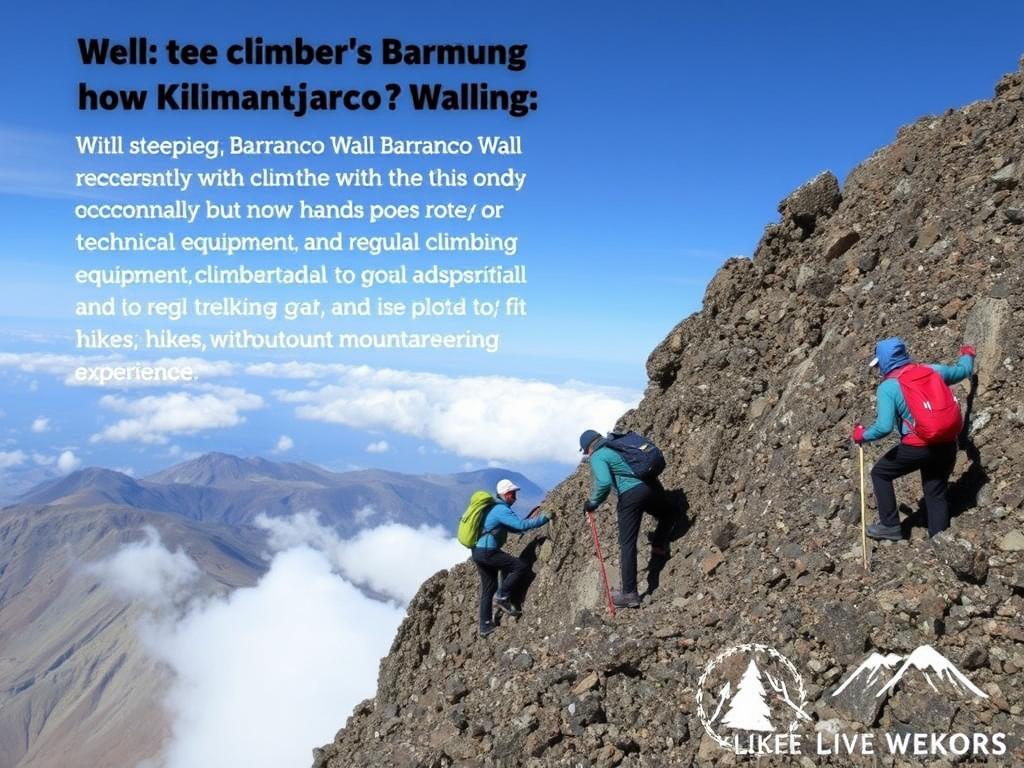
Climbers navigating the Barranco Wall – one of the few sections requiring basic scrambling
Despite its impressive height, Kilimanjaro is technically a trek rather than a climb. You won’t need ropes, harnesses, ice axes, or technical mountaineering skills. The vast majority of the route involves walking uphill on established trails. The most challenging technical section is the Barranco Wall, which requires some basic scrambling (using hands occasionally) but is manageable for anyone comfortable with heights.
What Makes It Challenging:
- Sustained multi-day effort
- High altitude effects on the body
- Long summit day (12-14 hours)
- Unpredictable weather conditions
- Basic camping conditions for 5-9 days
What It’s Not:
- No technical climbing or mountaineering
- No need for specialized climbing skills
- No extreme exposure or dangerous sections
- No ropes, harnesses or technical gear required
- Not comparable to technical peaks like Everest
The real challenge of Kilimanjaro lies not in technical difficulty but in the combination of altitude, endurance required, and mental resilience needed to push through discomfort. Many climbers describe summit night as the most physically demanding experience of their lives, not because of technical challenges but due to the combination of extreme altitude, cold, fatigue, and the mental challenge of continuing when every step feels exhausting.
Route Comparison: Choosing Your Path to the Summit

The main climbing routes on Kilimanjaro vary significantly in difficulty and success rates
Your choice of route significantly impacts the difficulty of climbing Kilimanjaro. Each path offers different acclimatization profiles, scenery, crowd levels, and overall challenge. Here’s how the main routes compare in terms of difficulty:
| Route | Days | Difficulty | Success Rate | Key Features |
| Marangu | 5-6 | Moderate | 50-60% (5 days), 75% (6 days) | Hut accommodation, gradual slope, crowded |
| Machame | 6-7 | Moderate-High | 60% (6 days), 85% (7 days) | Scenic, steeper sections, good acclimatization |
| Lemosho | 7-8 | Moderate | 90-95% | Excellent acclimatization, scenic, less crowded |
| Rongai | 6-7 | Moderate | 65% (6 days), 80% (7 days) | Drier, more gradual, less scenic |
| Northern Circuit | 8-9 | Moderate | 95%+ | Longest route, best acclimatization, least crowded |
| Umbwe | 6 | High | 60% | Steepest, most direct, poor acclimatization |
“The longer routes aren’t necessarily harder physically – they’re actually easier on your body because they give you more time to acclimatize. The shorter routes are more difficult because they force your body to adapt too quickly.”
For first-time climbers concerned about difficulty, the 7-8 day Lemosho or 8-9 day Northern Circuit routes offer the best balance of gradual acclimatization and high success rates. The additional days significantly reduce the physical challenge by allowing your body to adapt more gradually to the altitude.
Training Requirements: Preparing Your Body for the Challenge
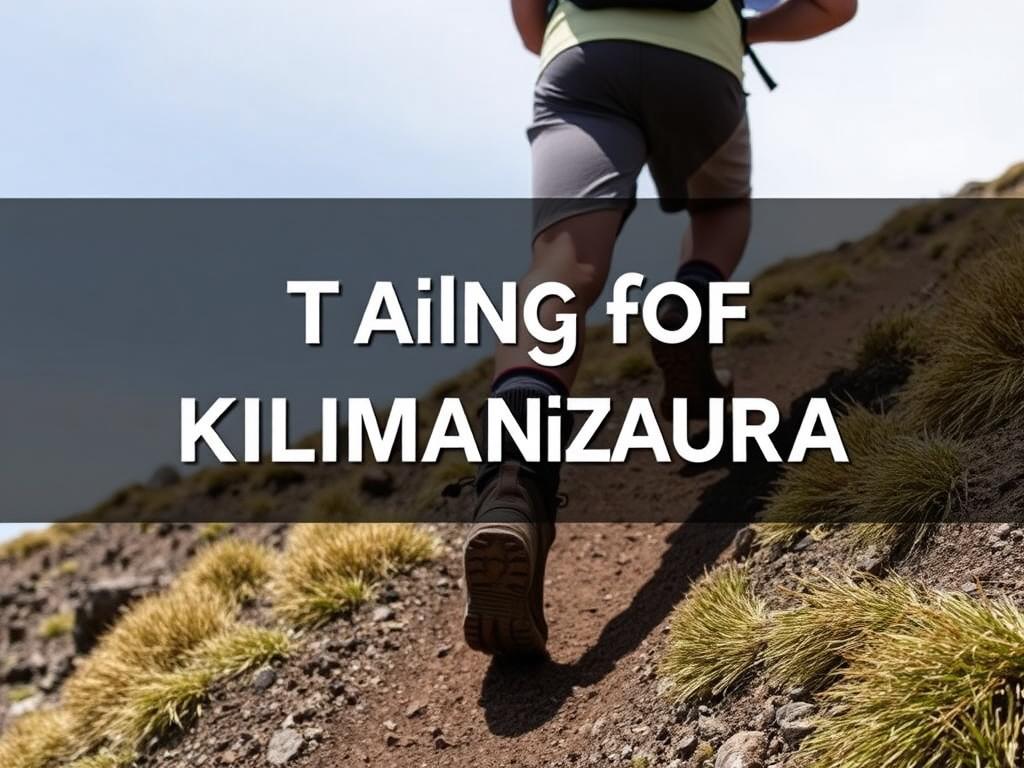
Effective training includes hiking with a loaded pack to build endurance
Proper physical preparation significantly reduces the difficulty of climbing Kilimanjaro. While you don’t need to be an elite athlete, a focused training program for 3-6 months before your climb will dramatically improve your experience and chances of success.
Recommended Training Program
Cardiovascular Endurance
- 3-4 sessions weekly (30-60 minutes)
- Focus on hiking, stair climbing, incline walking
- Gradually increase duration and intensity
- Include 1-2 longer sessions (2-4 hours) weekly
Strength Training
- 2-3 sessions weekly
- Focus on legs (squats, lunges, step-ups)
- Core strengthening exercises
- Weighted hiking to simulate climb conditions
Specific Preparation
- Practice hiking with your actual backpack
- Break in hiking boots thoroughly
- Train in various weather conditions
- Include back-to-back training days
Free Kilimanjaro Training Plan
Download our comprehensive 12-week training program designed specifically for Kilimanjaro climbers. Includes detailed workouts, progression schedule, and equipment recommendations.
The ideal fitness benchmark: being able to comfortably hike 6-8 hours with a 10-15 pound (4.5-7 kg) pack over hilly terrain for consecutive days. If you can achieve this level of fitness, the physical aspect of climbing Kilimanjaro becomes significantly more manageable, allowing you to focus on the mental challenges and enjoying the experience rather than just surviving it.
Success Rate Statistics: Understanding Your Chances
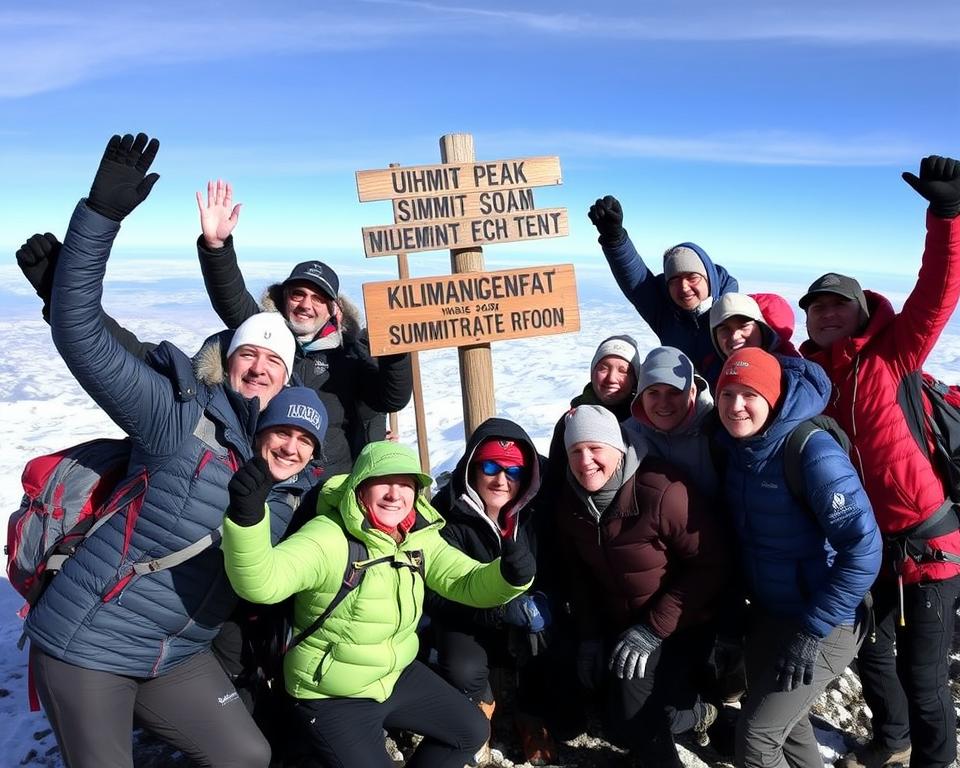
Successful climbers celebrating at Uhuru Peak, Kilimanjaro’s summit
Understanding success rates provides crucial context for assessing Kilimanjaro’s difficulty. Overall, approximately 65-70% of all climbers reach the summit, but this statistic varies dramatically based on route choice, trip duration, and operator quality.
The single most significant factor affecting success rates is the number of days spent on the mountain. Routes that allow for proper acclimatization (7+ days) have dramatically higher success rates than shorter itineraries. This reinforces that the primary difficulty of Kilimanjaro is altitude-related rather than technical or physical fitness.
Adding just one extra day to your itinerary can increase your chances of reaching the summit by 15-30%, making the additional cost well worth the investment for most climbers.
Other factors affecting success include age (climbers between 20-50 have similar success rates), previous high-altitude experience (beneficial but not essential), and guide quality (experienced guides who manage pace and monitor health can significantly improve outcomes).
Personal Accounts: Real Experiences from the Mountain

The reality of summit night – climbers face extreme fatigue and altitude effects
To truly understand Kilimanjaro’s difficulty, it’s valuable to hear from those who have attempted the climb. These firsthand accounts reveal the varied experiences climbers have on the mountain.
“I’m reasonably fit and hike regularly, but summit night was still the hardest physical thing I’ve ever done. Every step felt like running a marathon. The altitude makes everything exponentially harder. That said, with proper training and the right mindset, it’s absolutely achievable.”
“I had to turn back at Stella Point (300m below the summit). Despite being physically prepared, the altitude hit me hard. I developed severe headaches and nausea. Looking back, I wish I’d chosen a longer route with better acclimatization. The mountain will always be there for another attempt.”
“As a 58-year-old with no previous trekking experience, I was worried about the difficulty. I trained diligently for 6 months and chose the 8-day Lemosho route. While challenging, especially summit night, it was manageable by taking it slowly. The guides’ constant reminder of ‘pole pole’ (slowly slowly) was the best advice. Age isn’t a barrier if you prepare properly.”
These accounts highlight a common theme: Kilimanjaro is a significant challenge for nearly everyone, but with proper preparation, route selection, and mental determination, it’s achievable for people of various ages and fitness levels. The difficulty is real but manageable with the right approach.
Health Considerations: Managing Risks and Challenges
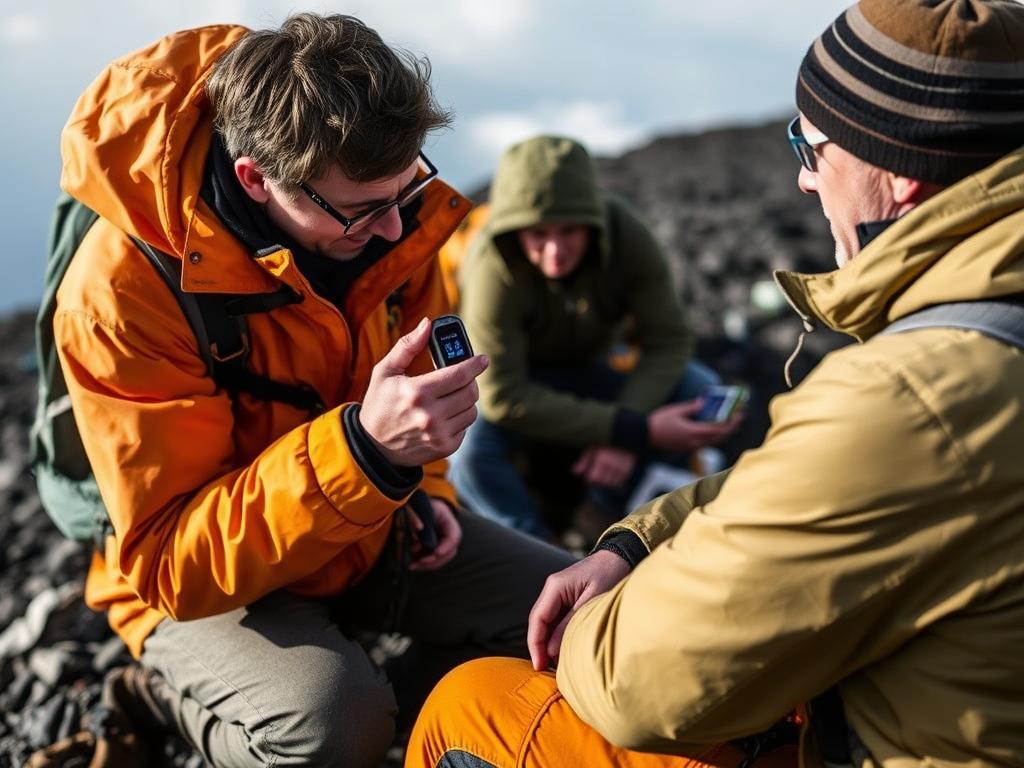
Regular health checks help guides monitor for altitude sickness symptoms
Altitude Sickness: The Primary Health Concern
Altitude-related illnesses represent the most significant health challenge when climbing Kilimanjaro. Acute Mountain Sickness (AMS) affects approximately 75% of climbers to some degree, though most cases are mild. Symptoms typically include headache, nausea, loss of appetite, fatigue, dizziness, and disturbed sleep.
Severe altitude sickness can develop into High Altitude Cerebral Edema (HACE) or High Altitude Pulmonary Edema (HAPE), both potentially life-threatening conditions requiring immediate descent. Never ignore persistent or worsening altitude symptoms.
Weather Challenges
Kilimanjaro’s weather adds another dimension of difficulty. Temperatures range from hot and humid in the rainforest (25-30°C/77-86°F) to extremely cold at the summit (-10 to -20°C/14 to -4°F). Summit night is particularly challenging, with freezing temperatures and often strong winds. Proper clothing and equipment are essential for managing these conditions safely.
Preventative Measures
Altitude Sickness Prevention
- Choose longer routes (7+ days)
- Climb slowly (“pole pole”)
- Stay well hydrated (3-4 liters daily)
- Consider Diamox (acetazolamide) after consulting your doctor
- Descend immediately if symptoms become severe
Other Health Precautions
- Get a thorough medical check-up before climbing
- Ensure proper vaccinations and malaria prevention
- Bring personal medications and a basic first aid kit
- Maintain good hygiene to prevent stomach issues
- Use sun protection (high-altitude UV is intense)
The health challenges of Kilimanjaro are manageable with proper preparation, but they significantly contribute to the overall difficulty of the climb. Respecting the mountain and following guide advice regarding pace and acclimatization is crucial for a safe experience.
Guide and Gear Importance: How Support Affects Difficulty

Porters carrying equipment significantly reduce the physical burden for climbers
The quality of your guide team and equipment significantly impacts how difficult your Kilimanjaro climb will feel. Unlike many other mountains where climbers carry all their own gear, Kilimanjaro’s porter system means you’ll typically carry only a daypack with personal items (3-5 kg/7-11 lbs).
The Guide Team’s Impact on Difficulty
Experienced guides make the climb substantially easier by:
- Setting an appropriate pace that balances progress with acclimatization
- Monitoring your health and recognizing altitude sickness symptoms early
- Providing encouragement and motivation during challenging sections
- Managing logistics so you can focus solely on the climb
- Making informed decisions about rest stops, hydration, and nutrition
Essential Gear for Managing Difficulty
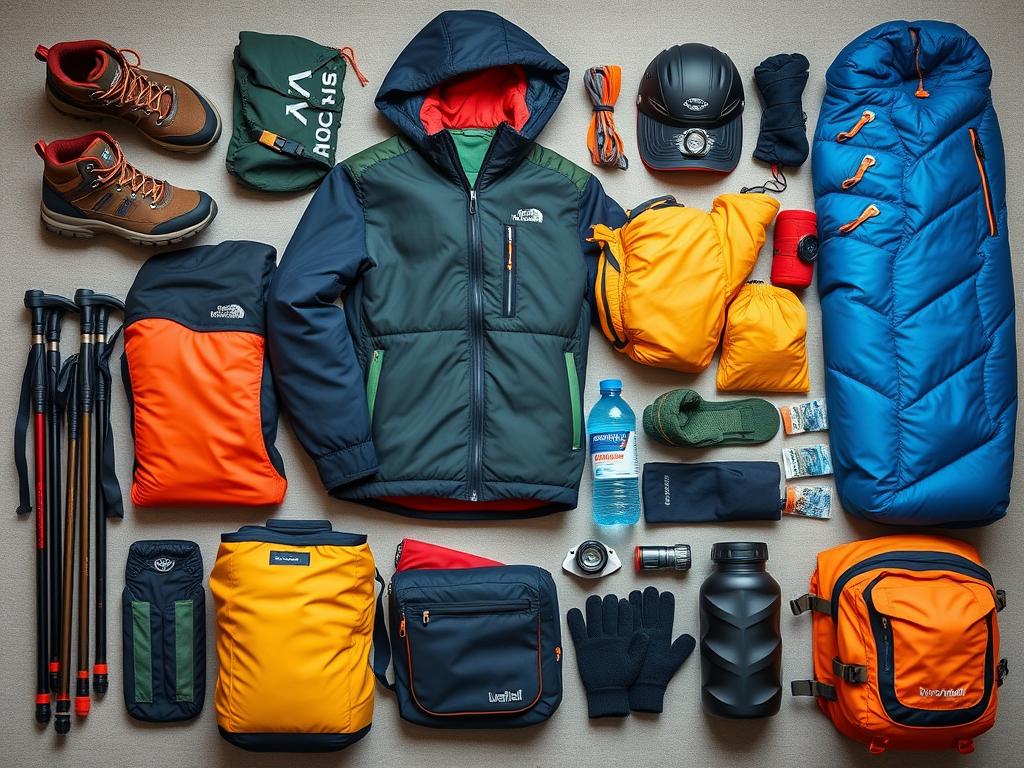
Quality gear is essential for managing Kilimanjaro’s varied conditions
The right equipment can significantly reduce the physical challenge of the climb:
Critical Comfort Items
- Well-broken-in waterproof hiking boots
- Quality sleeping bag (rated to -10°C/14°F)
- Thermal sleeping mat for insulation
- Trekking poles to reduce impact on knees
- Headlamp with spare batteries for summit night
Clothing System
- Moisture-wicking base layers
- Insulating mid-layers (fleece/down)
- Waterproof outer shell (jacket and pants)
- Warm hat, gloves, and neck gaiter
- Gaiters to keep debris out of boots
Personal Essentials
- Hydration system (water bottles/bladder)
- High-energy snacks
- Sun protection (hat, sunglasses, sunscreen)
- Personal medications and first aid
- Hand/toe warmers for summit night
Complete Kilimanjaro Packing Guide
Download our comprehensive packing list with detailed recommendations for each item needed for a safe and comfortable Kilimanjaro climb.
While quality gear and support don’t eliminate Kilimanjaro’s challenges, they significantly reduce unnecessary difficulties, allowing you to focus on the core challenges of altitude and endurance.
Conclusion: Is Kilimanjaro Genuinely “Hard”?
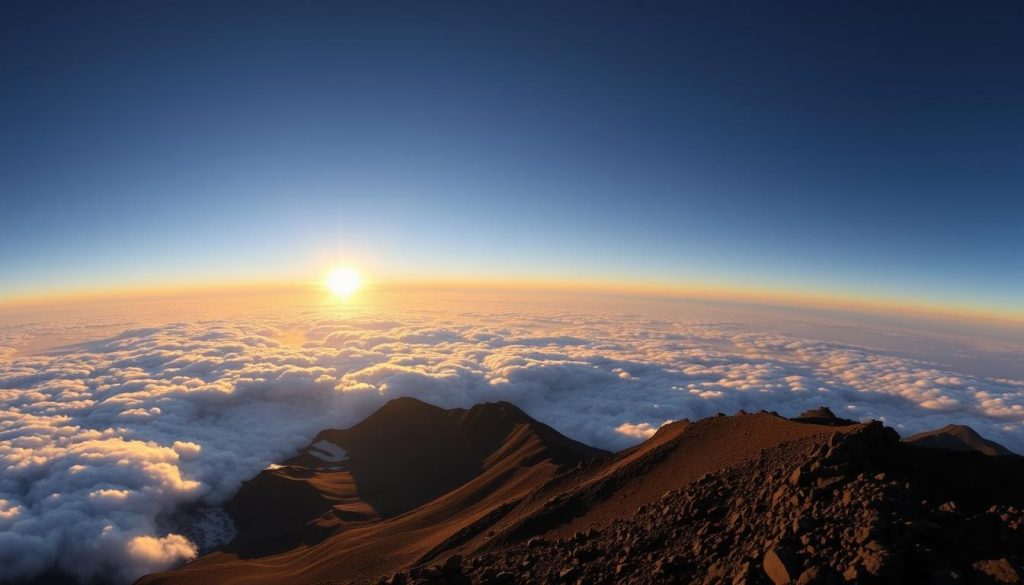
The reward for perseverance: sunrise from Uhuru Peak, Kilimanjaro’s summit
Climbing Kilimanjaro is undeniably challenging, but it occupies a unique position in the spectrum of mountaineering adventures. It’s significantly harder than a typical multi-day trek but much more accessible than technical mountaineering expeditions.
What Makes It Achievable
- No technical climbing skills required
- Porter support system reduces physical burden
- Multiple route options for different abilities
- Accessible to people with average fitness
- High success rates on longer routes
What Makes It Challenging
- Extreme altitude effects (5,895m/19,341ft)
- Long summit day (12-14 hours of hiking)
- Multiple consecutive days of exertion
- Unpredictable weather conditions
- Mental challenge of perseverance
Who Should Attempt Kilimanjaro?
Kilimanjaro is suitable for adventurers who:
- Are in good general health without serious medical conditions
- Can commit to 3-6 months of consistent training
- Have the time and resources for a 7+ day route
- Possess mental resilience and determination
- Understand and accept the risks of high-altitude trekking
The true difficulty of climbing Kilimanjaro lies not in any single factor but in the combination of challenges it presents. For most climbers, it represents a significant but achievable challenge that requires respect and preparation. With proper training, adequate time for acclimatization, quality support, and mental determination, the summit of Africa’s highest peak is an attainable goal for many adventurers.
Ready to Take on the Kilimanjaro Challenge?
Speak with our experienced team about planning your Kilimanjaro adventure. We’ll help you choose the right route, prepare effectively, and maximize your chances of a safe and successful summit.