Zanzibar, an archipelago off the coast of Tanzania, captivates visitors with its pristine beaches, rich cultural heritage, and aromatic spices. This East African paradise offers a unique blend of African, Arab, Indian, and European influences that have shaped its identity over centuries. From its historical significance in the spice trade to its breathtaking natural beauty, Zanzibar holds many fascinating stories waiting to be discovered.
Whether you’re planning your next exotic getaway or simply curious about this enchanting destination, these interesting facts about Zanzibar will transport you to this tropical haven and reveal why it continues to mesmerize travelers from around the world.
Zanzibar Is Not Just One Island
The Zanzibar archipelago consists of several islands including Unguja and Pemba
One of the most common misconceptions about Zanzibar is that it’s a single island. In reality, Zanzibar is an archipelago consisting of several islands in the Indian Ocean. The two main islands are Unguja (commonly referred to as Zanzibar) and Pemba Island, along with numerous smaller islands and islets scattered around them.
Unguja is the larger and more populated of the two main islands, home to Zanzibar City and the famous Stone Town. Pemba, located about 50 kilometers north of Unguja, is known for its lush, hilly landscape and clove plantations. The entire archipelago has a population of approximately 1.3 million people.
This collection of islands offers diverse experiences for visitors, from the historical streets of Stone Town to the pristine beaches of Nungwi and the verdant hills of Pemba. Understanding that Zanzibar is an archipelago rather than a single island helps appreciate the variety of landscapes and experiences this destination has to offer.
The Famous “Spice Island” Heritage
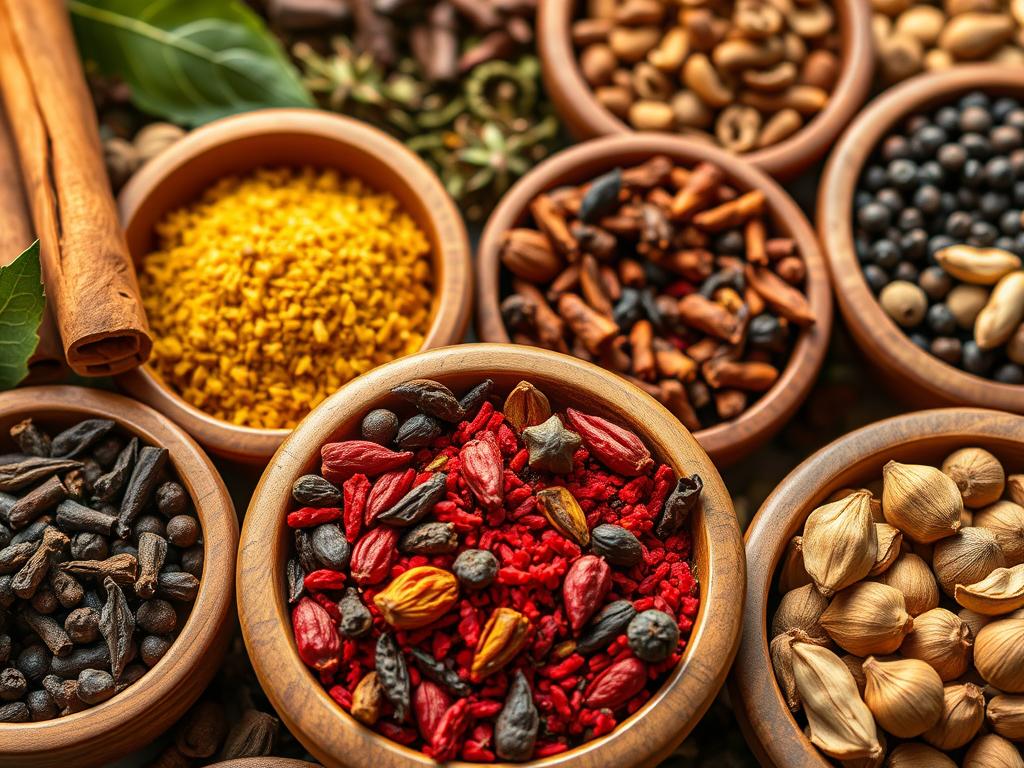
Zanzibar’s famous spices include cloves, cinnamon, nutmeg, and black pepper
Zanzibar earned its nickname “The Spice Island” due to its historical significance in the spice trade. Since the 16th century, the archipelago has been renowned for producing and exporting a variety of aromatic spices that have influenced cuisines worldwide.
Cloves are particularly significant to Zanzibar’s economy and history. During the 19th century, Zanzibar became the world’s largest producer of cloves, and even today, the islands remain an important source of this aromatic spice. The distinctive sweet-smelling clove trees dot the landscape, especially on Pemba Island.
Beyond cloves, Zanzibar produces an impressive array of spices including cinnamon, black pepper, nutmeg, cardamom, and vanilla. Spice tours have become a popular activity for visitors, offering an opportunity to see, smell, and taste these spices in their natural environment while learning about their cultivation and uses.
The spice trade significantly shaped Zanzibar’s history, attracting traders from around the world and contributing to the island’s multicultural character. Today, spice farming remains an essential part of the local economy, second only to tourism in importance.
Stone Town: A UNESCO World Heritage Site
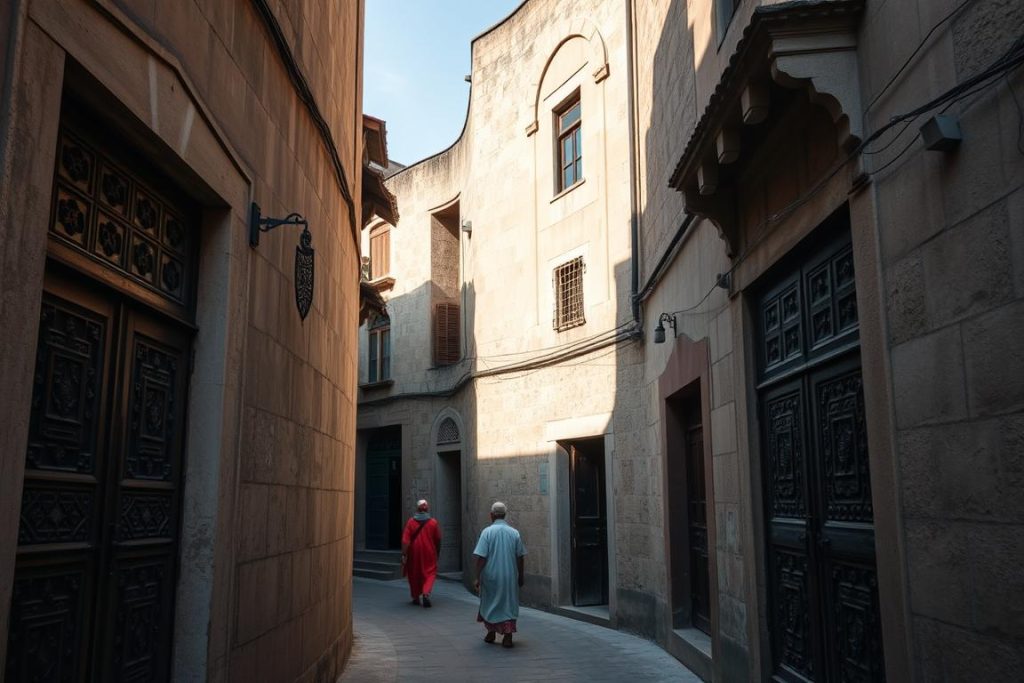
Stone Town’s narrow streets and intricately carved wooden doors reflect its rich cultural heritage
Stone Town, located in Zanzibar City, stands as a remarkable testament to the island’s rich history and cultural fusion. In 2000, UNESCO recognized its outstanding universal value by designating it a World Heritage Site. This historic quarter showcases an exceptional blend of Arab, Persian, Indian, and European architectural influences.
One of Stone Town’s most distinctive features is its elaborate wooden doors. These intricately carved entrances aren’t merely decorative—they tell stories about the buildings’ original owners. Arab-style doors feature rectangular shapes with Quranic inscriptions, while Indian-style doors are recognized by their rounded tops and brass studs (originally designed to protect against elephant attacks in India).
The labyrinthine streets of Stone Town were intentionally designed to be narrow and winding, creating natural cooling corridors that provide shade from the tropical sun. These maze-like pathways also served as protection against potential invaders, who would find it difficult to navigate the confusing layout.
Notable landmarks within Stone Town include the Old Fort (built by Omani Arabs in the 17th century), the House of Wonders (the first building in Zanzibar to have electricity), and the former Slave Market site, now home to an Anglican Cathedral. Each structure contributes to the area’s historical significance and cultural richness.
Birthplace of Freddie Mercury
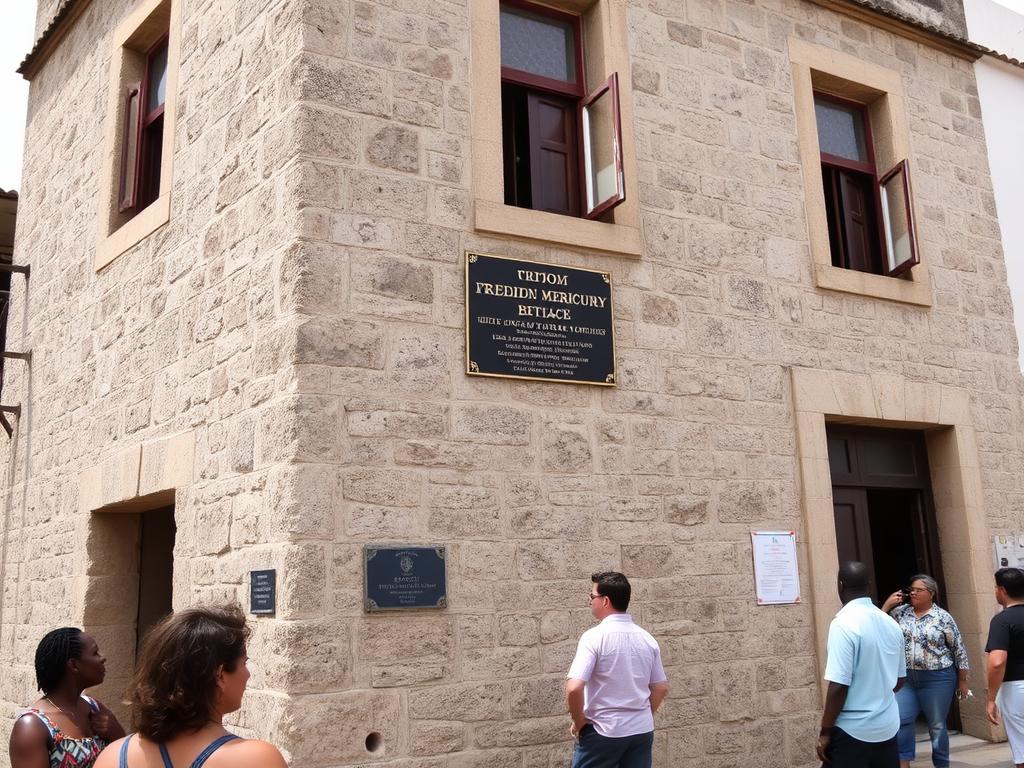
Freddie Mercury, the legendary lead singer of Queen, was born in Stone Town, Zanzibar
Many music fans are surprised to learn that Freddie Mercury, the legendary lead vocalist of the rock band Queen, was born in Zanzibar. Born Farrokh Bulsara on September 5, 1946, Mercury spent his early childhood in Stone Town before his family relocated to India and later to England.
Mercury’s parents were Parsis from India who had moved to Zanzibar where his father worked as a cashier for the British Colonial Office. The family lived in the Shangani area of Stone Town, and today, visitors can find various tributes to the iconic singer throughout the neighborhood.
Although Mercury rarely spoke publicly about his Zanzibari origins, this connection has become a point of interest for Queen fans who visit the island. While there is some debate about the exact location of his birthplace, several sites in Stone Town claim the distinction, and some local tours include stops at these locations.
Mercury’s extraordinary talent and flamboyant performance style made him one of the most celebrated musicians in history. His connection to Zanzibar adds an interesting cultural dimension to the island’s already rich heritage and provides yet another fascinating fact about this multifaceted destination.
Home to Rare and Endemic Wildlife
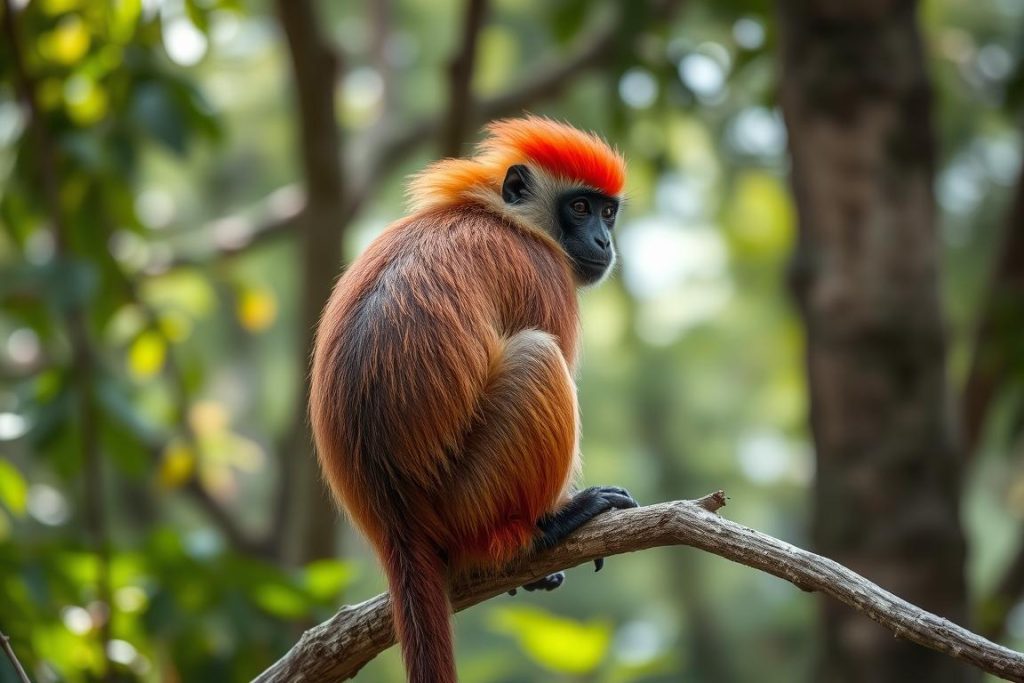
The endangered Zanzibar red colobus monkey is endemic to Unguja Island
Zanzibar hosts several rare and endemic animal species that can’t be found anywhere else in the world. The most famous of these is the Zanzibar red colobus monkey (Piliocolobus kirkii), an endangered primate that exists only on Unguja Island. These distinctive monkeys, with their reddish-brown coats and pink faces, can be observed in their natural habitat at Jozani Forest, the largest protected natural area in Zanzibar.
Another rare creature is the Zanzibar servaline genet (Genetta servalina archeri), a nocturnal mammal first scientifically documented in the 1990s and first photographed in 2003. These elusive cat-like animals feature distinctive black spots on tan-colored fur and ringed tails.
The Zanzibar leopard (Panthera pardus adersi) represents one of the archipelago’s most mysterious species. Long considered extinct due to hunting and persecution, occasional reported sightings have sparked hope that some individuals might still survive in remote areas, though no concrete evidence has been confirmed in recent decades.
Beyond these land mammals, Zanzibar’s surrounding waters teem with marine biodiversity, including dolphins, turtles, and vibrant coral reef ecosystems that support countless fish species. This unique wildlife adds another dimension to Zanzibar’s natural treasures and provides important conservation opportunities.
A Cultural Melting Pot
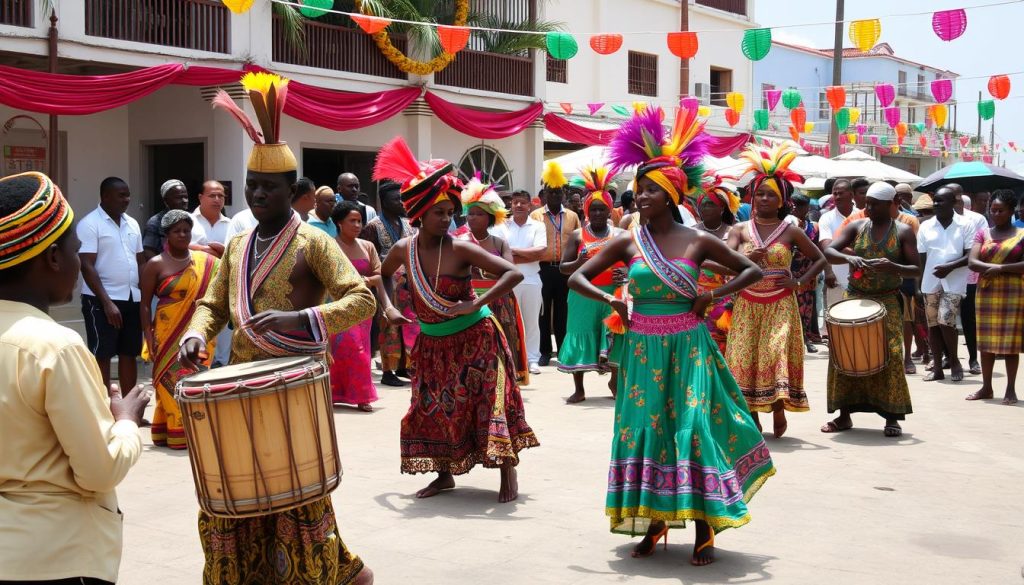
Zanzibar’s cultural festivals showcase its diverse heritage with influences from Africa, Arabia, and beyond
Zanzibar’s strategic location along ancient trade routes has transformed it into a remarkable cultural melting pot. Over centuries, the archipelago has absorbed influences from Africa, Arabia, Persia (Iran), India, and Europe, creating a unique Swahili culture that blends these diverse elements.
This cultural fusion is evident in every aspect of Zanzibari life. The predominant religion is Islam, introduced by Arab traders, with approximately 99% of the population practicing the faith. The island’s numerous mosques, including the historic Malindi Mosque with its distinctive conical minaret, stand as testaments to this religious heritage.
Zanzibar’s cuisine perfectly exemplifies its multicultural character. Local dishes combine African staples with Arabic spices, Indian cooking techniques, and Portuguese ingredients. Signature foods include pilau (spiced rice), biryani, octopus curry, and the street food favorite “Zanzibar pizza” – a savory or sweet filled pastry that bears little resemblance to Italian pizza.
The archipelago’s music tradition, particularly taarab, further demonstrates this cultural blend. This musical style combines African, Arabic, and Indian influences, traditionally performed by orchestras featuring instruments from various cultures. The annual Sauti za Busara festival celebrates this rich musical heritage, drawing performers and audiences from across the region.
Pristine Beaches and Rich Marine Life
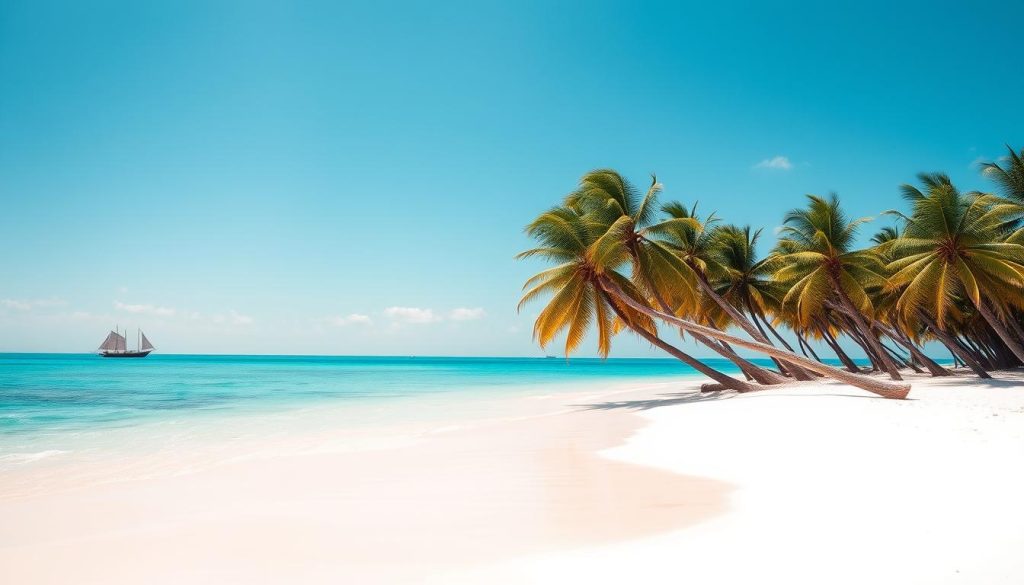
Zanzibar’s beaches are known for their powdery white sand and crystal-clear turquoise waters
Zanzibar’s coastline boasts some of the most stunning beaches in the world, characterized by powdery white sand and crystal-clear turquoise waters. Each beach has its own distinct character, from the popular northern beaches of Nungwi and Kendwa with their vibrant atmosphere to the more secluded eastern shores like Paje and Jambiani, known for their tidal variations and kitesurfing conditions.
The archipelago’s surrounding waters host extraordinary marine biodiversity. Coral reefs encircle much of the coastline, creating ideal conditions for snorkeling and diving. These underwater ecosystems support hundreds of fish species, from tiny colorful reef dwellers to larger pelagic species.
Mnemba Atoll, located northeast of Unguja, is particularly renowned for its exceptional marine environment. This protected marine conservation area offers some of the best snorkeling and diving experiences in East Africa, with visibility often exceeding 30 meters and encounters with sea turtles, dolphins, and occasionally whale sharks possible.
Traditional wooden dhow boats, with their distinctive triangular sails, dot the horizon and provide a picturesque way to explore the coastline. Sunset dhow cruises have become a popular activity, allowing visitors to experience the traditional sailing vessels while enjoying Zanzibar’s spectacular sunsets over the Indian Ocean.
Dark History: The Slave Trade
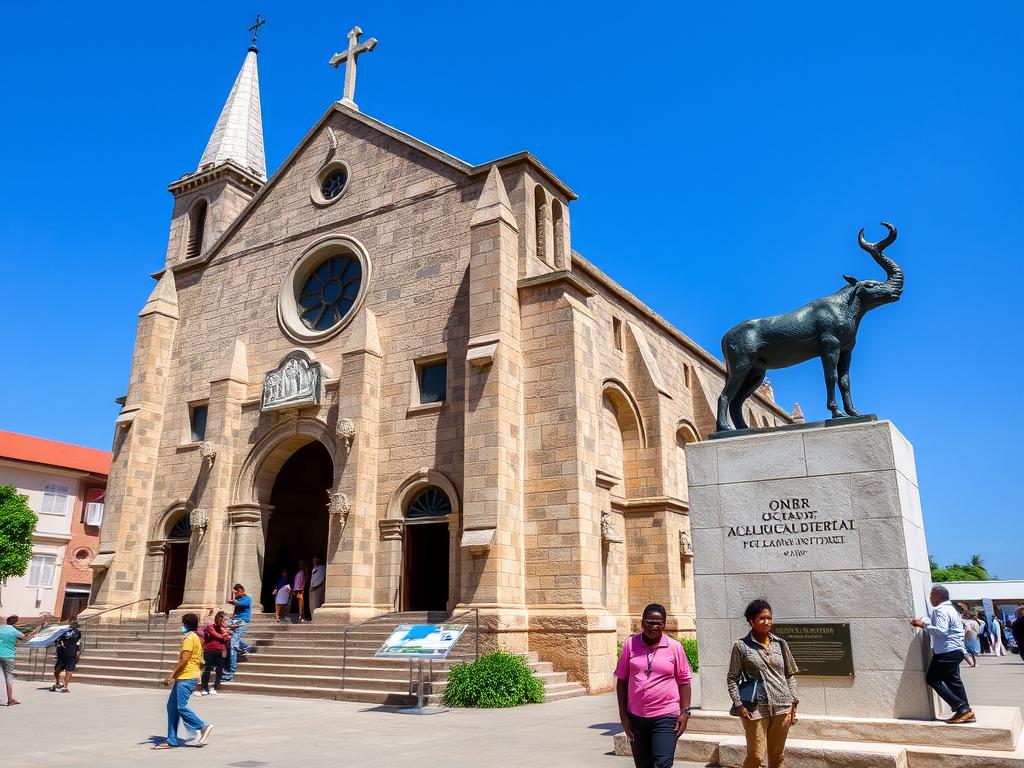
The Anglican Cathedral in Stone Town stands on the former site of the largest slave market in East Africa
Behind Zanzibar’s paradise-like appearance lies a somber historical chapter. From the late 17th century until the late 19th century, the archipelago served as one of East Africa’s main slave trading ports. Under Omani Arab rule, Zanzibar became a central hub where enslaved Africans from the mainland were brought before being sold to plantations on the islands or shipped to the Middle East, India, and the Americas.
At its peak in the 19th century, up to 50,000 enslaved people passed through Zanzibar’s slave market annually. The conditions were horrific, with captives kept in cramped, underground chambers with minimal food and water before being sold. The slave trade formed a significant part of Zanzibar’s economy during this period, alongside the spice trade.
The slave trade in Zanzibar officially ended in 1873 when Sultan Barghash, under pressure from the British, signed a treaty prohibiting the slave trade. However, the practice continued illegally for some years afterward.
Today, the Anglican Cathedral Church of Christ stands on the site of the former slave market in Stone Town. Built in the 1870s after the abolition of slavery, the cathedral includes a memorial and museum that educates visitors about this dark period. The memorial features sculptures of enslaved people in chains, serving as a powerful reminder of human suffering and the importance of freedom.
Unique Traditions and Festivals
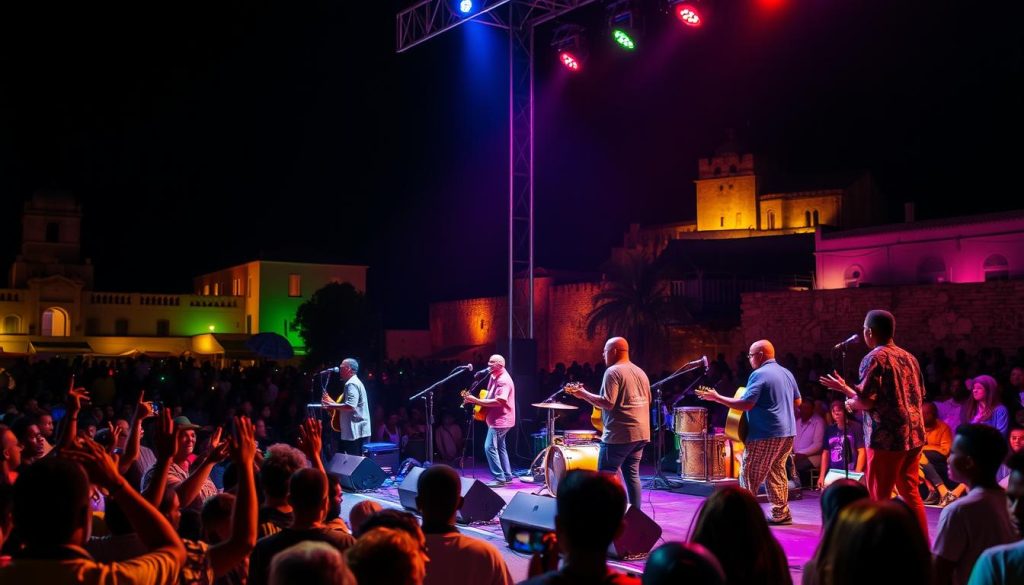
The Sauti za Busara festival celebrates African music and draws performers from across the continent
Zanzibar’s rich cultural tapestry is expressed through its unique traditions and vibrant festivals that showcase the island’s diverse heritage. Throughout the year, various celebrations bring communities together and offer visitors glimpses into local customs and artistic expressions.
The Sauti za Busara (Sounds of Wisdom) festival stands as one of East Africa’s premier music events. Held annually in February at the Old Fort in Stone Town, this four-day celebration features performances by musicians from across Africa, with a special emphasis on traditional and contemporary Swahili sounds. The festival has gained international recognition for promoting African music while providing a platform for cultural exchange.
Zanzibar’s predominantly Muslim population observes Islamic holidays with distinctive local traditions. During Eid celebrations, locals don new clothes, prepare special foods, and exchange gifts. The streets come alive with processions and communal prayers, while homes and public spaces are decorated with colorful lights and ornaments.
The Mwaka Kogwa festival, celebrated primarily in the southern village of Makunduchi, marks the Persian New Year with unique rituals that predate the island’s Islamic influence. The four-day celebration includes mock fights with banana stems (symbolically releasing the community’s tensions), the burning of a thatched hut (to dispel bad luck), and communal feasts accompanied by traditional music and dance.
Modern Zanzibar: Balancing Tradition and Progress
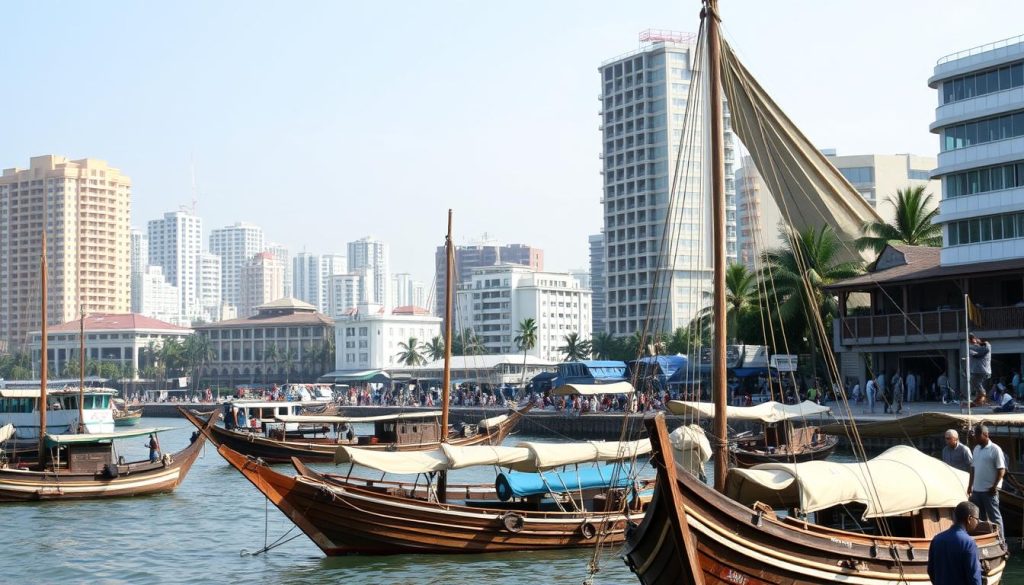
Modern Zanzibar balances traditional ways of life with contemporary development
Today’s Zanzibar navigates the delicate balance between preserving its rich heritage and embracing modern development. As a semi-autonomous region of Tanzania, the archipelago maintains its own government, the Revolutionary Government of Zanzibar, which operates with considerable independence in local affairs while remaining part of the larger Tanzanian nation.
Tourism has emerged as the archipelago’s economic backbone, surpassing even the historically significant spice industry. This shift has brought both opportunities and challenges. While tourism creates jobs and brings foreign currency, it also places pressure on local resources and traditional ways of life. Sustainable tourism initiatives aim to mitigate these impacts while ensuring economic benefits reach local communities.
Infrastructure development continues across the islands, with improvements to roads, electricity, and internet connectivity gradually extending to rural areas. Mobile technology has seen particularly rapid adoption, transforming communication, banking, and business practices even in remote villages.
Despite these changes, many aspects of traditional Zanzibari life endure. Fishing communities still use traditional methods alongside modern techniques, local markets remain central to daily commerce, and cultural practices continue to be passed down through generations. This blend of old and new creates the unique character that defines contemporary Zanzibar.
Prison Island and the Giant Tortoises

The giant Aldabra tortoises on Prison Island are a popular attraction for visitors
Just a 30-minute boat ride from Stone Town lies Changuu Island, more commonly known as Prison Island. Despite its ominous name, the island never actually functioned as a prison for humans. It was originally intended to hold rebellious slaves in the 1860s and later planned as a quarantine station for yellow fever cases, but neither purpose was fully realized.
Today, Prison Island is famous for its colony of giant Aldabra tortoises. These magnificent creatures were originally a gift from the British governor of Seychelles in 1919. Some of the oldest tortoises are estimated to be over 150 years old, with weights exceeding 200 kilograms. The tortoise sanctuary has become a successful conservation program, and visitors can observe these gentle giants up close.
Beyond the tortoises, the island offers beautiful white sand beaches and excellent snorkeling opportunities in the surrounding coral reefs. The former quarantine building has been converted into a restaurant and guesthouse, allowing visitors to extend their stay on this peaceful island.
Prison Island provides a fascinating glimpse into Zanzibar’s colonial past while offering a unique wildlife experience. The combination of historical architecture, natural beauty, and the charismatic tortoises makes it one of the archipelago’s most popular day trips.
Experience the Magic of Zanzibar
From its spice-scented markets to its powdery white beaches, from its rich cultural tapestry to its unique wildlife, Zanzibar offers experiences that captivate all the senses. These interesting facts about Zanzibar only scratch the surface of what makes this archipelago such a fascinating destination.
Whether you’re drawn to its historical significance, natural beauty, or cultural diversity, Zanzibar rewards visitors with unforgettable memories and stories to share. As you explore the winding streets of Stone Town, relax on pristine beaches, or sample aromatic spices, you’ll understand why this East African paradise continues to enchant travelers from around the world.
The blend of African, Arab, Indian, and European influences creates a unique atmosphere that can’t be found anywhere else. Add to this the warmth and hospitality of the Zanzibari people, and you have all the ingredients for a truly remarkable journey.
Ready to Discover Zanzibar?
Start planning your adventure to this enchanting archipelago and experience these fascinating facts about Zanzibar firsthand.