Tanzania whispers to the soul of every traveler seeking transformation. Here, where ancient wilderness meets timeless culture, adventure isn’t merely an activity—it’s an awakening. The endless plains of Serengeti, the snow-capped crown of Kilimanjaro, the spice-scented breeze of Zanzibar—each holds the promise of moments that transcend ordinary existence. We invite you to discover Tanzania not as tourists, but as honored guests in a land where nature still reigns supreme and where every sunrise brings the possibility of wonder.
Begin Your Tanzania Adventure Journey
Let our local experts craft your perfect Tanzania experience—from witnessing the Great Migration to summiting Kilimanjaro or relaxing on Zanzibar’s pristine beaches.
Tanzania: Africa’s Adventure Sanctuary
Tanzania stands as a geographical masterpiece at the heart of East Africa, where nature has painted with its boldest strokes. From the vast savannas teeming with wildlife to the azure waters of the Indian Ocean, this land encompasses extraordinary diversity within its borders. The northern safari circuit—home to Serengeti, Ngorongoro, and Tarangire—forms the cornerstone of Tanzania’s wild heritage, while Mount Kilimanjaro rises majestically as Africa’s highest peak, challenging adventurers to conquer its slopes.
The climate follows the rhythm of wet and dry seasons rather than traditional summer and winter. The long dry season (June to October) offers prime wildlife viewing as animals gather around dwindling water sources. The short rains (November-December) bring brief afternoon showers that refresh the landscape, while the long rains (March-May) transform the plains into verdant paradises—though some roads become challenging to navigate.
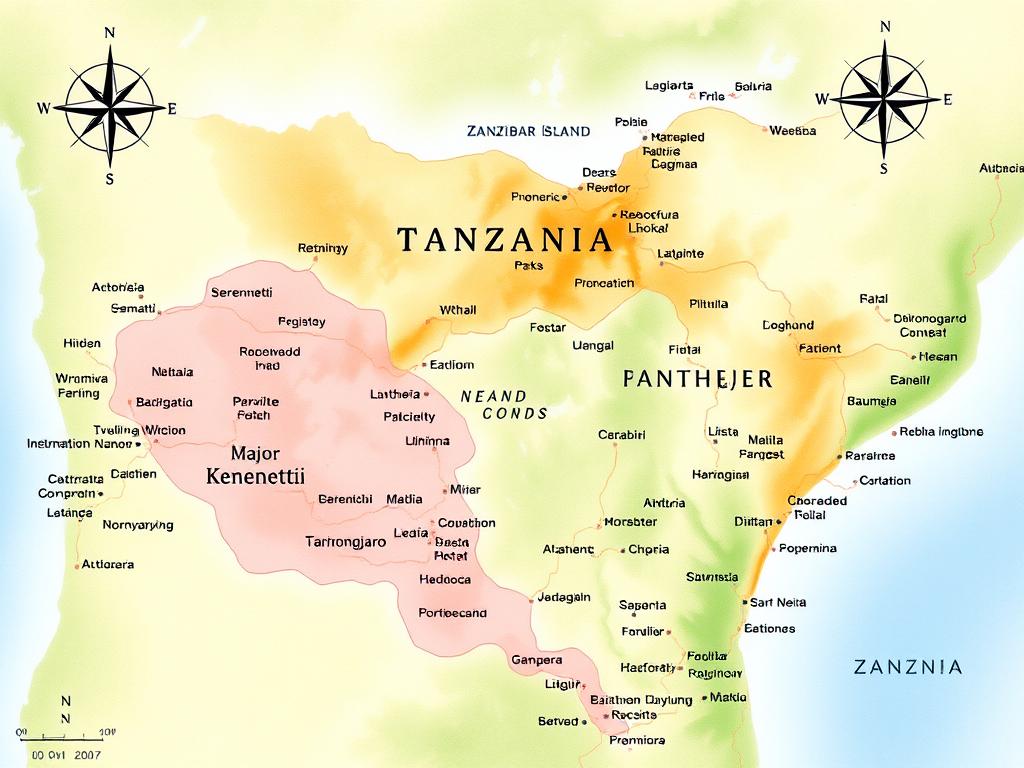
What elevates Tanzania above other destinations is the authenticity of its wilderness experience. Here, the natural world unfolds without pretense, offering encounters that stir something primordial within us. Whether witnessing the thundering hooves of the Great Migration, tracking chimpanzees through ancient forests, or diving among pristine coral reefs, Tanzania offers adventures that remain etched in memory long after the journey ends.
Beyond its natural splendors, Tanzania’s warm-hearted people—from the iconic Maasai warriors to the spice farmers of Zanzibar—welcome visitors with genuine hospitality, sharing traditions that have withstood the test of time. This harmonious blend of spectacular landscapes, abundant wildlife, and rich cultural heritage makes Tanzania not merely a destination, but a profound experience.
Safari Adventures: Witnessing Nature’s Grand Theater

Serengeti National Park: The Endless Plains
The Serengeti—whose name means “endless plains” in Maasai—stands as nature’s greatest stage. Here, the ancient drama of predator and prey unfolds across 5,700 square miles of savanna, woodland, and riverine forest. The park’s crowning spectacle is the Great Migration, where over 1.5 million wildebeest, accompanied by hundreds of thousands of zebras and gazelles, follow the rains in a clockwise circuit through the ecosystem.
Each season in the Serengeti offers distinct experiences. From December to March, the southern plains become nurseries as wildebeest calving season brings new life—and attracts predators in spectacular numbers. By May and June, the herds begin their northward journey, creating columns that stretch to the horizon. The dramatic river crossings at the Mara River (July to October) represent nature at its most raw and compelling, as crocodiles lie in wait for the crossing herds.
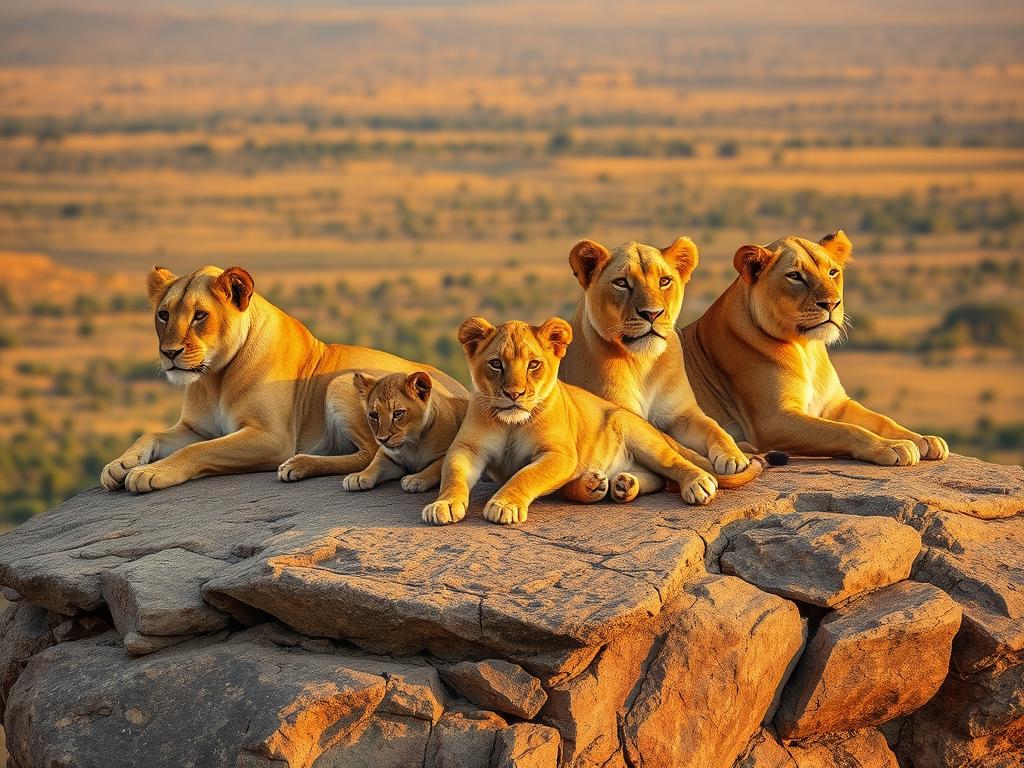
Beyond the migration, the Serengeti offers year-round wildlife viewing excellence. The central Seronera region, with its resident big cats, provides reliable game viewing regardless of season. The western corridor, with its crocodile-filled Grumeti River, offers a less-visited alternative to the northern Mara region. Throughout the park, the iconic kopjes—granite outcroppings that rise from the plains—serve as perfect vantage points for lions surveying their kingdom.
Game drives remain the primary way to experience the Serengeti, but alternative adventures await the intrepid. Walking safaris in designated areas provide an intimate perspective of the ecosystem. Hot air balloon safaris offer a breathtaking bird’s-eye view of the plains at dawn, concluding with a champagne breakfast in the bush—a truly unforgettable experience.
Ngorongoro Crater: Nature’s Perfect Sanctuary
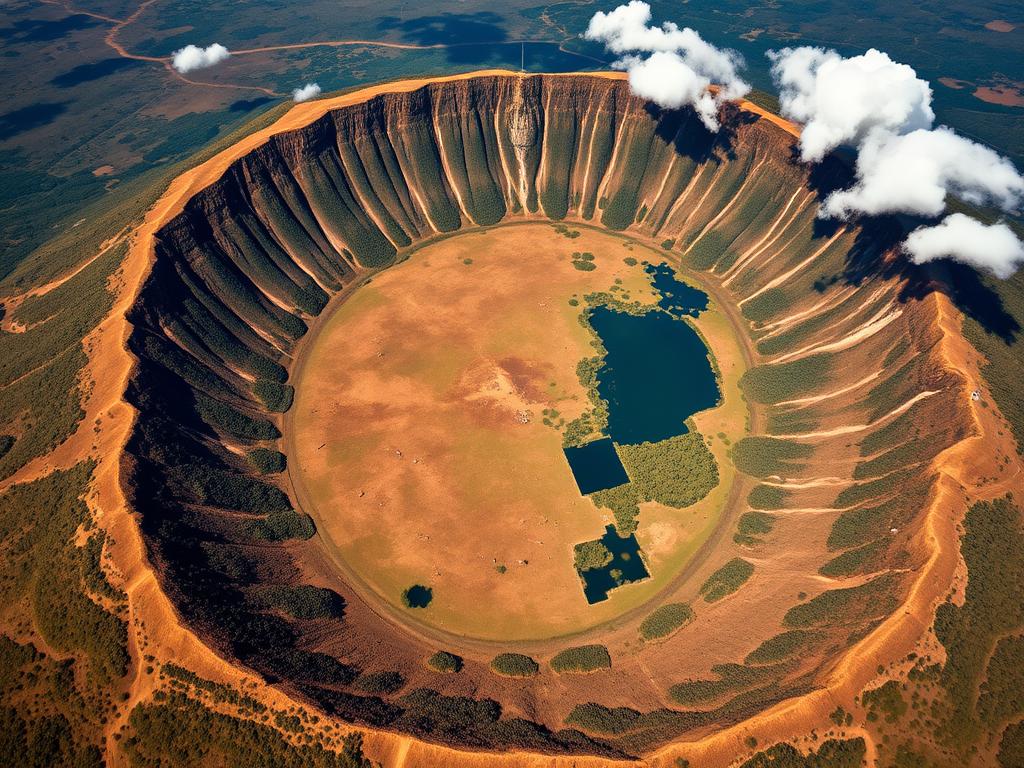
The Ngorongoro Crater presents nature’s most perfect sanctuary—a 100-square-mile caldera formed when a massive volcano collapsed upon itself three million years ago. Today, this natural enclosure cradles an extraordinary concentration of wildlife within its 2,000-foot walls. Descending the crater’s steep sides at dawn reveals a microcosm of East African habitats: grasslands, swamps, forests, and Lake Magadi, tinged pink with thousands of flamingos.
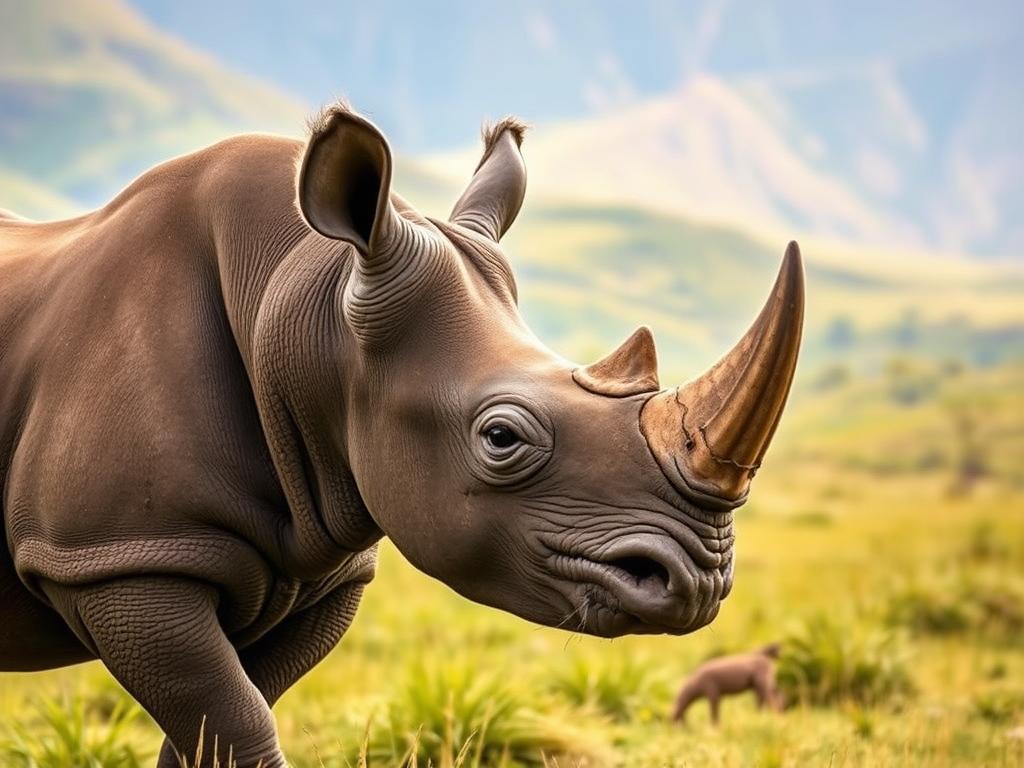
What makes Ngorongoro truly special is the density and diversity of its wildlife. The crater floor hosts approximately 25,000 large animals, including one of Africa’s highest concentrations of lions. Here too roams the endangered black rhino, offering one of Tanzania’s most reliable opportunities to spot these magnificent creatures. Buffalo, elephants, and hippos thrive alongside countless gazelles and zebras, creating a living Eden.
Unlike other wilderness areas, Ngorongoro forms part of a conservation area rather than a national park, allowing the semi-nomadic Maasai to graze their cattle alongside wild animals—a rare example of humans and wildlife coexisting in relative harmony. Visits to authentic Maasai bomas (villages) provide cultural insights that complement the natural wonders.
The crater’s compact nature means it can be experienced in a single day, though staying at lodges perched on the crater rim allows visitors to appreciate the changing moods of this remarkable landscape. At dawn, mist often shrouds the crater floor, gradually burning away to reveal the teeming life below. As the sun sets behind the western wall, the crater takes on a golden glow that lingers in memory long after departure.
Tarangire National Park: Land of Giants
Often overlooked in favor of its more famous neighbors, Tarangire National Park offers rewards that equal any in Tanzania. During the dry season (June to October), the park’s namesake river becomes a lifeline for wildlife migrating from the surrounding Maasai steppe, creating one of the greatest concentrations of animals outside the Serengeti ecosystem.
Tarangire’s signature feature is its elephant population—one of the largest in Tanzania, with herds sometimes numbering hundreds of individuals. These gentle giants roam among the park’s other distinctive element: ancient baobab trees, their massive silvery trunks and spidery branches creating an almost prehistoric landscape. Some of these arboreal sentinels have witnessed over a thousand years of seasons.
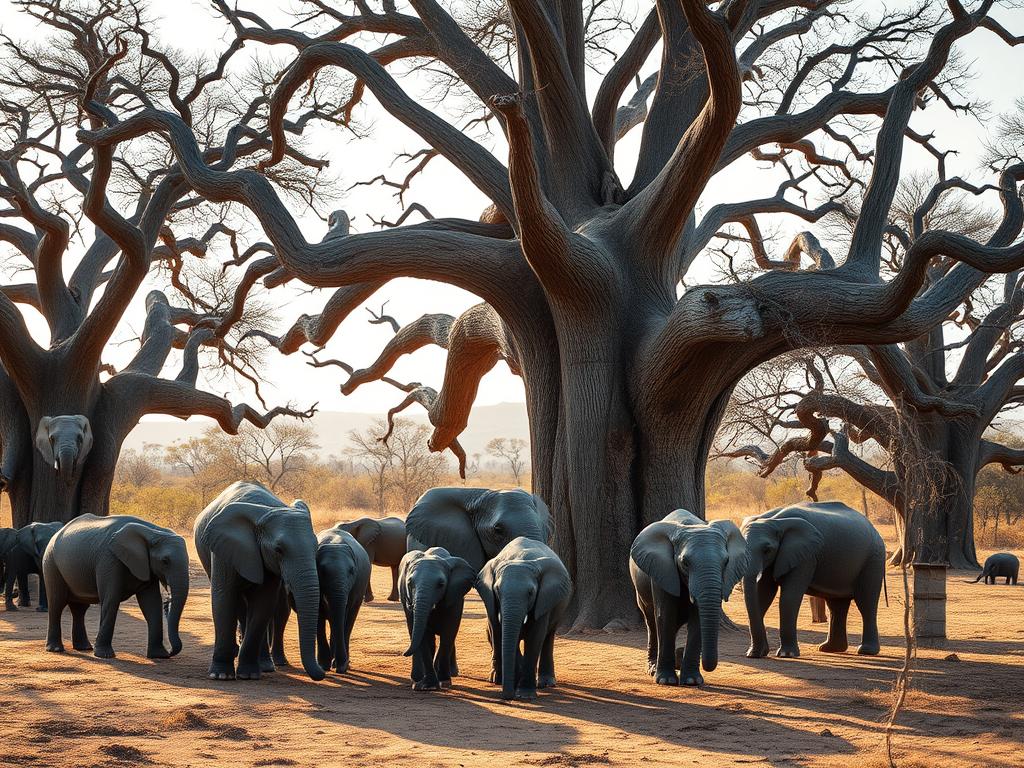
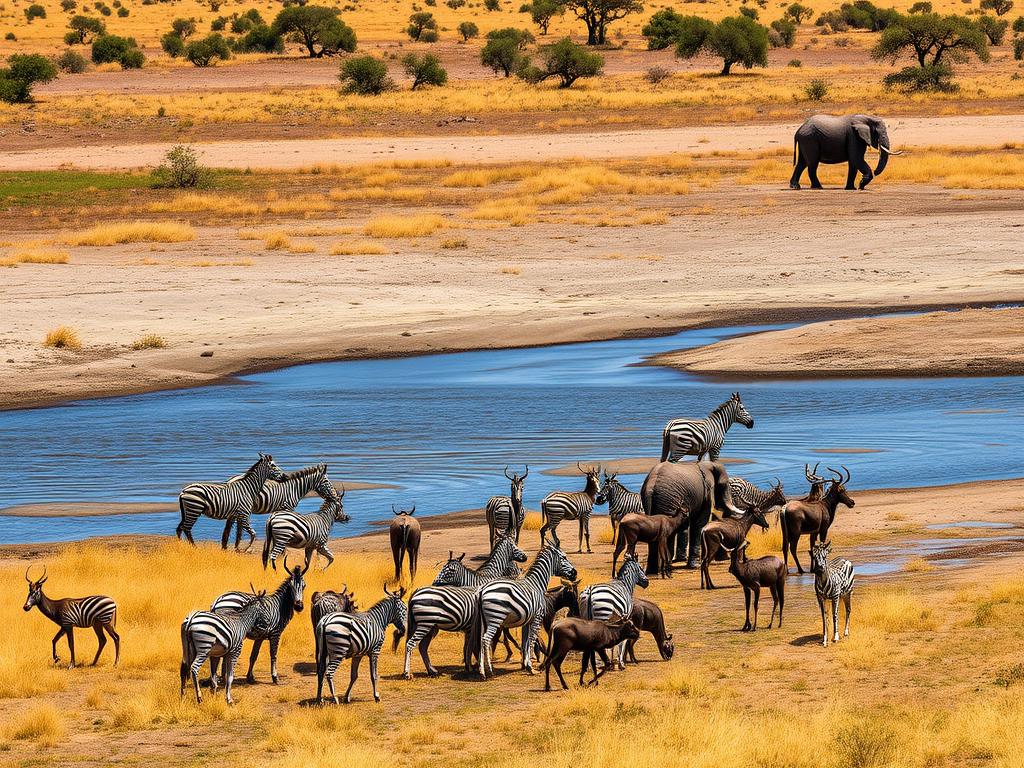
The park’s varied habitats—riverine woodlands, acacia-dotted plains, and swamps—support an impressive diversity of wildlife. Lion prides lounge in the shade while leopards remain elusive among the riverine vegetation. The park boasts over 550 bird species, including the endemic yellow-collared lovebird and the ashy starling.
What sets Tarangire apart is its relative tranquility compared to other northern circuit parks. Here, visitors can experience the wilderness with fewer vehicles, creating a more intimate connection with the landscape. The park also offers walking safaris and night drives (rare in Tanzania’s national parks), providing alternative perspectives on the ecosystem. For those seeking authentic wilderness with fewer crowds, Tarangire represents Tanzania’s hidden gem.
Experience Tanzania’s Legendary Safari Destinations
Witness the Great Migration, descend into Ngorongoro Crater, and discover Tarangire’s elephant herds with our expert guides who bring these ecosystems to life.
Conquering Kilimanjaro: The Roof of Africa
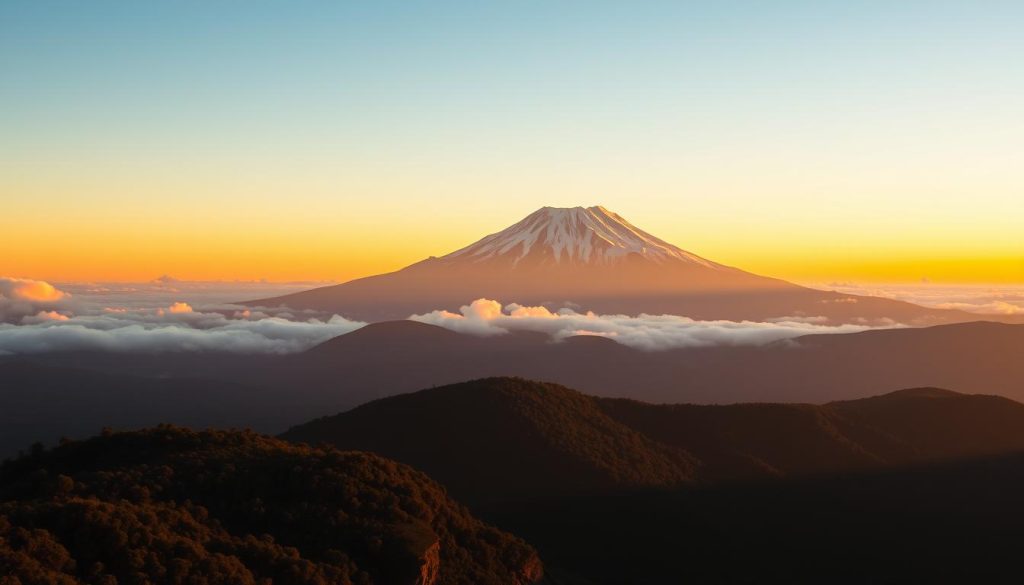
Mount Kilimanjaro stands as Africa’s highest peak and the world’s tallest free-standing mountain, rising 19,341 feet (5,895 meters) from the surrounding plains. Unlike other major mountains, Kilimanjaro requires no technical climbing skills to summit—just determination, proper preparation, and respect for altitude. This accessibility makes the mountain a magnet for adventurers seeking to stand on “the Roof of Africa.”
The journey to Kilimanjaro’s summit traverses five distinct ecological zones, creating the sensation of walking from the equator to the Arctic in a matter of days. Climbers begin in cultivated farmland and lush rainforest, home to colobus monkeys and exotic birds. The trail continues through heath and moorland zones where giant lobelias and senecios—plants that seem transported from a science fiction landscape—thrive in the alpine environment.
Higher still lies the lunar-like alpine desert, where only the hardiest lichens survive. Finally, the arctic summit zone presents a harsh world of ice and rock, where breathtaking views across Africa reward those who persevere. This ecological journey makes Kilimanjaro not merely a physical challenge but an immersion in changing natural worlds.
Several established routes lead to Uhuru Peak, each offering different advantages. The popular Machame Route (6-7 days) provides excellent acclimatization and scenic variety. The Lemosho Route (7-8 days) offers wilderness experience and high summit success rates due to its gradual ascent profile. The Marangu Route—the only one with hut accommodations rather than tents—provides more comfort but less scenic variety and acclimatization time.
Preparation & Training
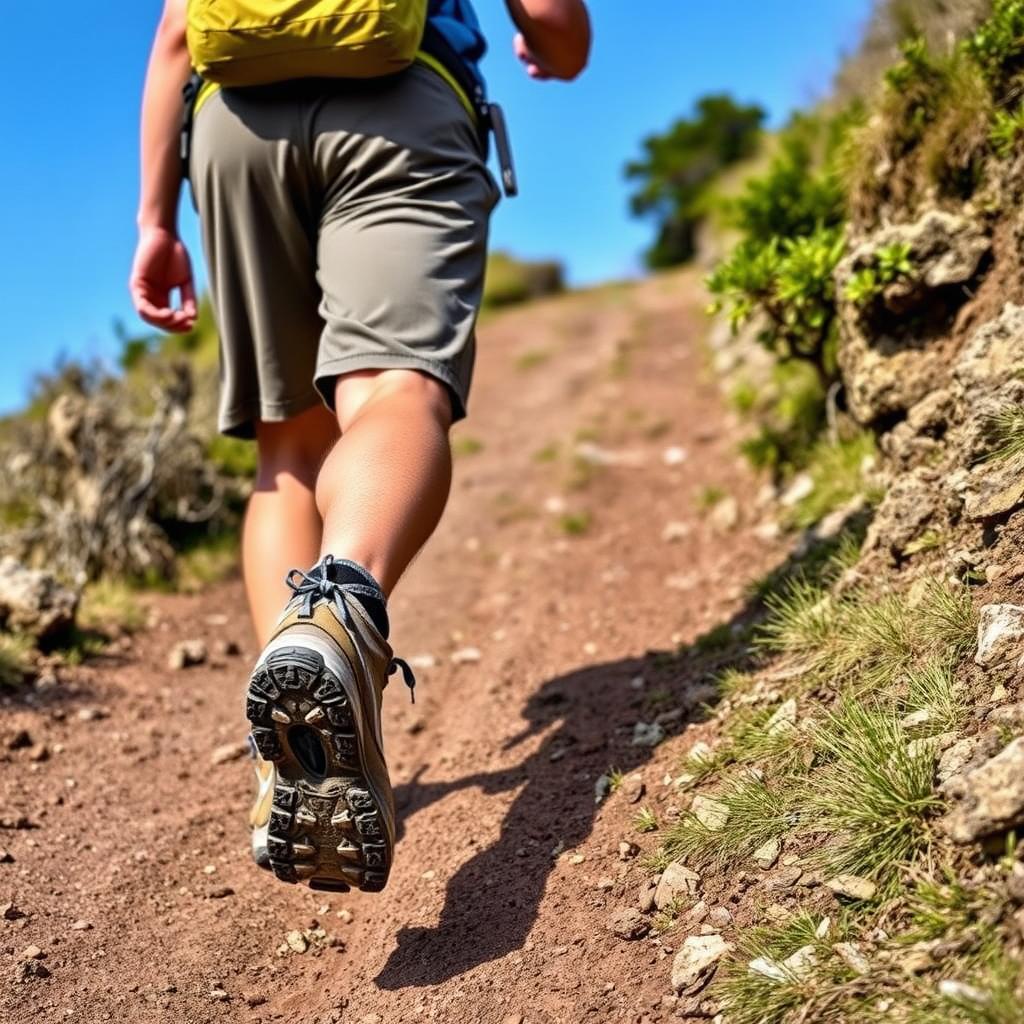
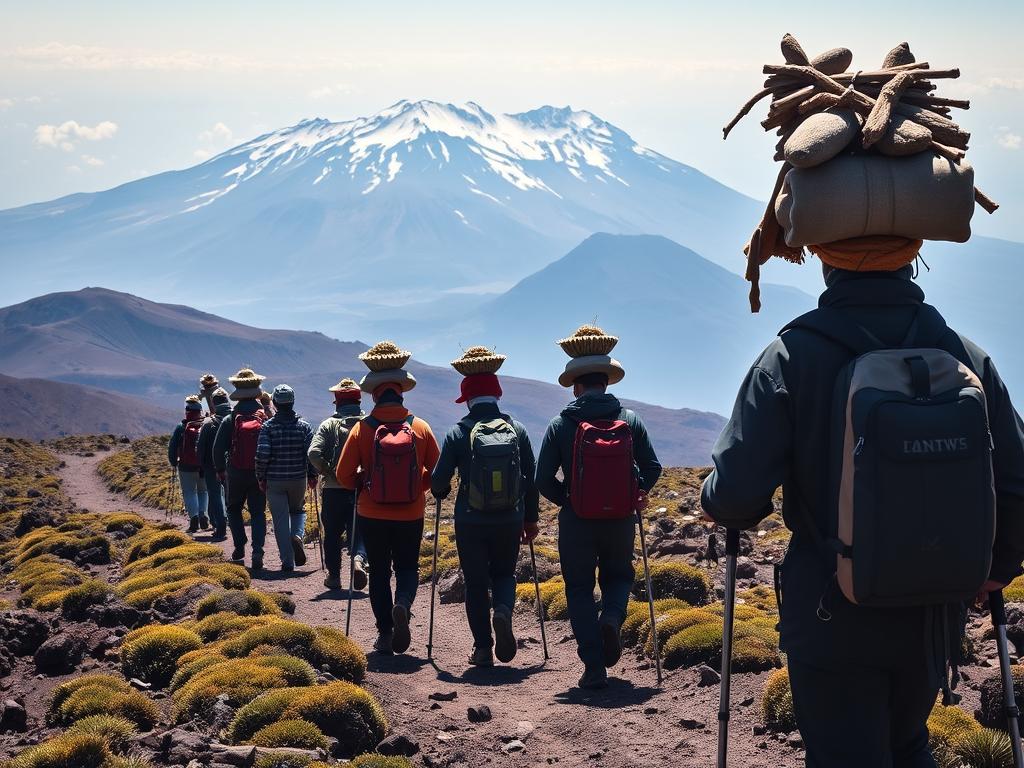
Success on Kilimanjaro depends largely on preparation. Physical conditioning should begin 3-6 months before your climb, focusing on cardiovascular fitness, leg strength, and hiking with a loaded pack. Weekend hikes of increasing difficulty help build endurance and familiarize you with your gear. Mental preparation is equally important—summit day requires pushing through fatigue and thin air.
Essential Gear
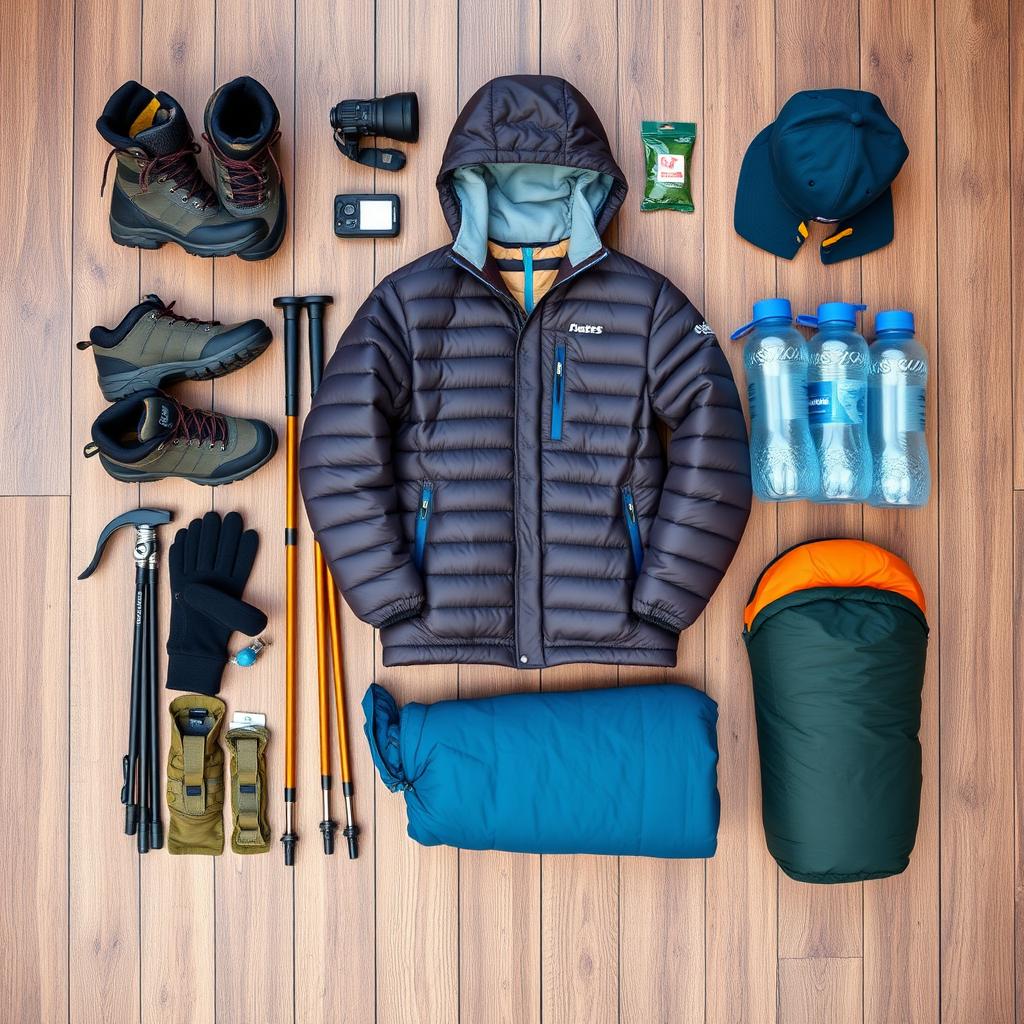
Kilimanjaro demands proper equipment for comfort and safety. Layered clothing allows adaptation to rapidly changing conditions—from tropical heat to sub-zero temperatures. Quality hiking boots, broken in before arrival, prevent blisters. A warm sleeping bag, headlamp, and trekking poles prove invaluable. Porters carry most gear, but your daypack should contain essentials like water, snacks, and rain gear.
Summit Success
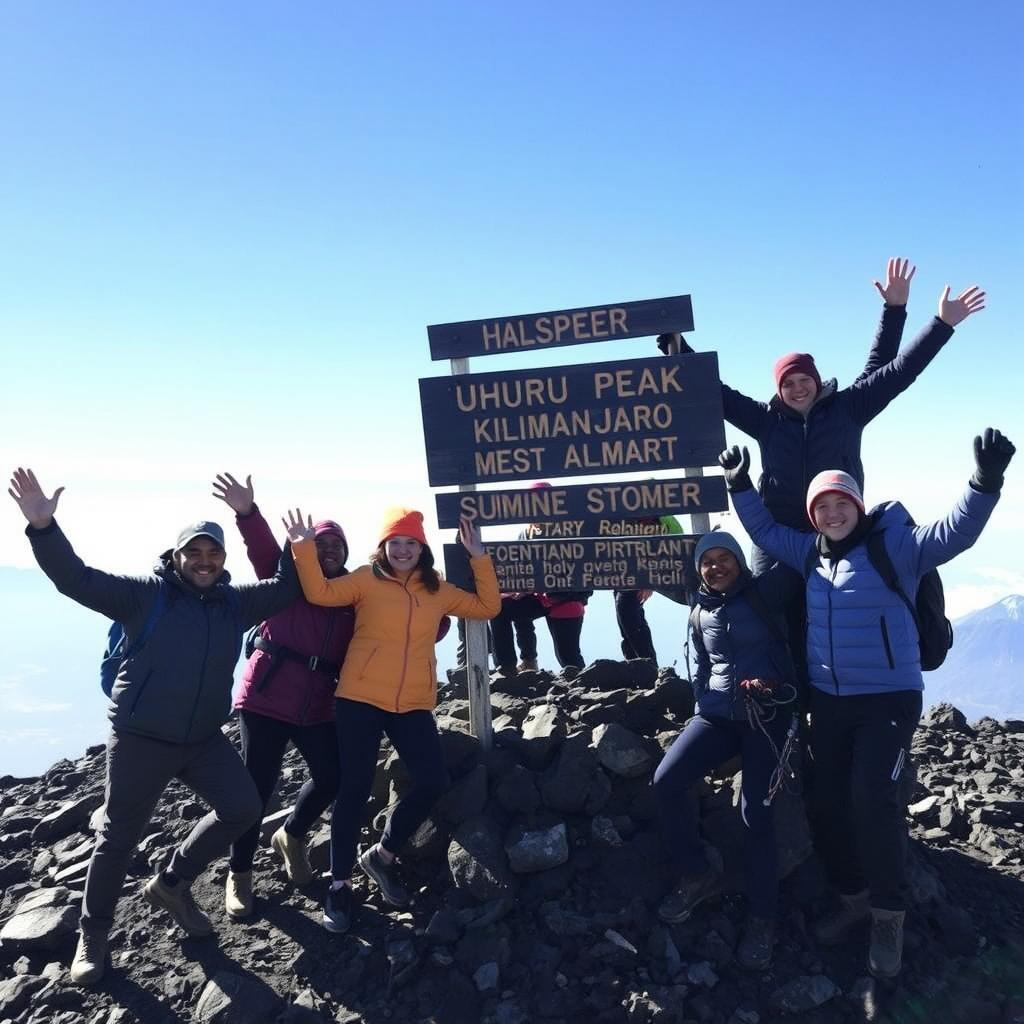
Summit success rates vary significantly based on route choice and duration. Longer itineraries that allow proper acclimatization dramatically increase chances of reaching Uhuru Peak. The summit push typically begins around midnight, with climbers reaching the top at sunrise. This challenging final ascent rewards perseverance with unparalleled views and the profound satisfaction of standing at Africa’s highest point.
Stand on the Roof of Africa
Our experienced guides have led thousands of climbers to Kilimanjaro’s summit. Let us help you choose the right route and prepare for this life-changing adventure.
Zanzibar: Spice Island Paradise
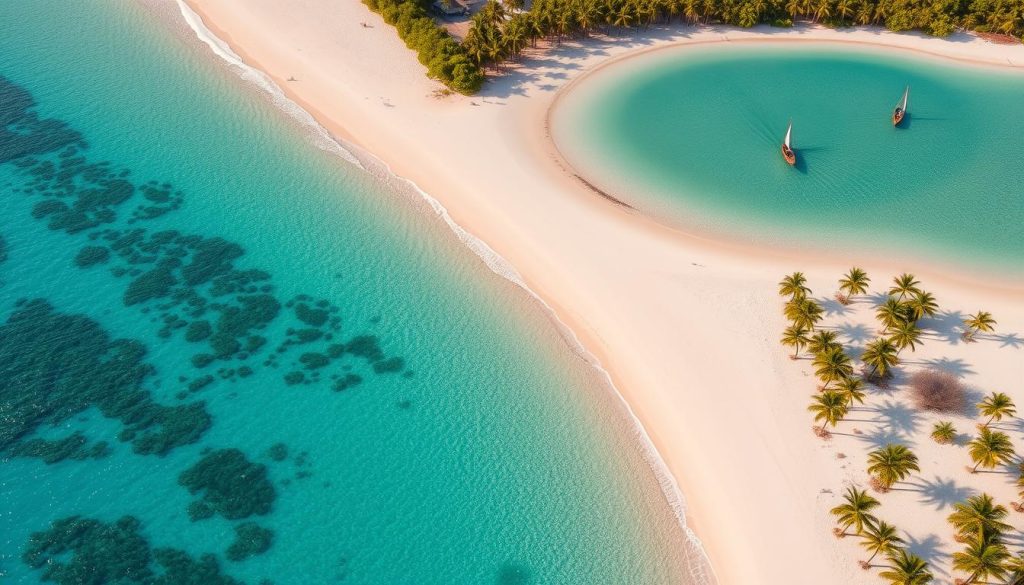
After the exhilaration of safari or the challenge of Kilimanjaro, Zanzibar offers the perfect counterpoint—a place where time slows and the senses awaken to new pleasures. This semi-autonomous archipelago, 22 miles off Tanzania’s coast, blends African, Arab, Indian, and European influences into a culture as intoxicating as the spices that grow here.
Stone Town, the archipelago’s historical heart and a UNESCO World Heritage site, presents a labyrinth of narrow alleys where ornately carved doors hint at the wealth that once flowed through this trading hub. The scent of cloves, cinnamon, and cardamom permeates the air as you wander past coral stone buildings that have witnessed centuries of history—from the dark legacy of the slave trade to the birth of Freddie Mercury, who spent his childhood here.

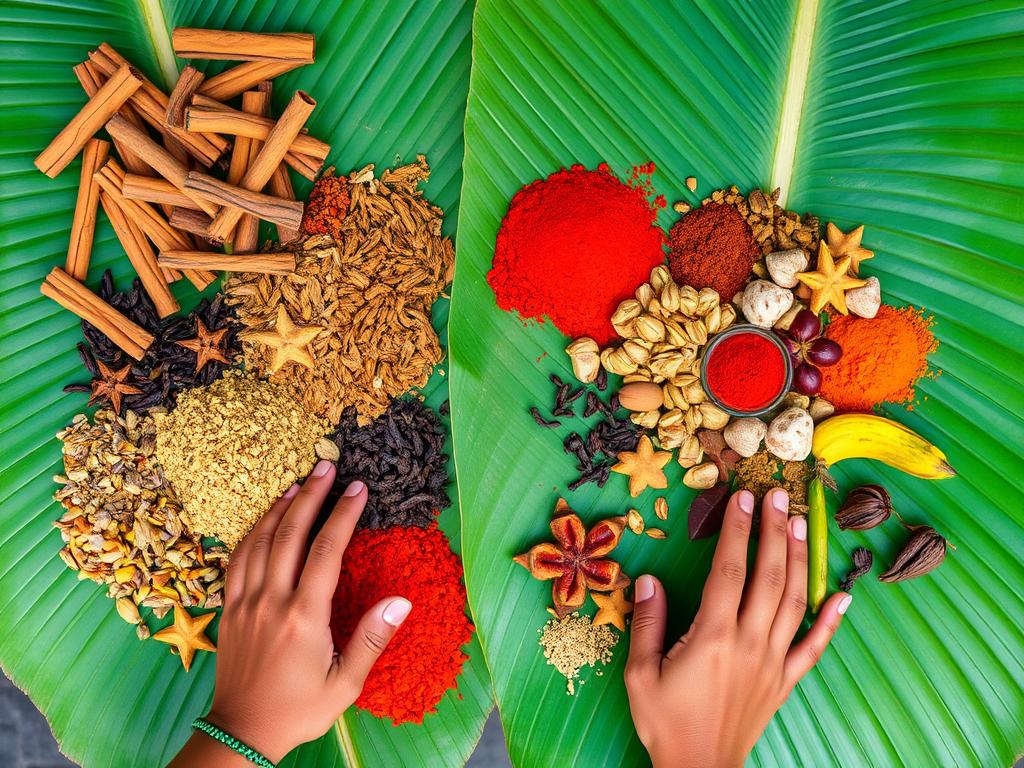
Beyond Stone Town’s historical allure, Zanzibar’s beaches rank among the world’s most beautiful. The northern beaches of Nungwi and Kendwa offer powder-soft white sand and swimming at all tide levels. The eastern coast, while affected by tidal variations, provides greater tranquility and glimpses into traditional fishing village life. Throughout the archipelago, the Indian Ocean presents a kaleidoscope of blues, from pale turquoise to deep sapphire.
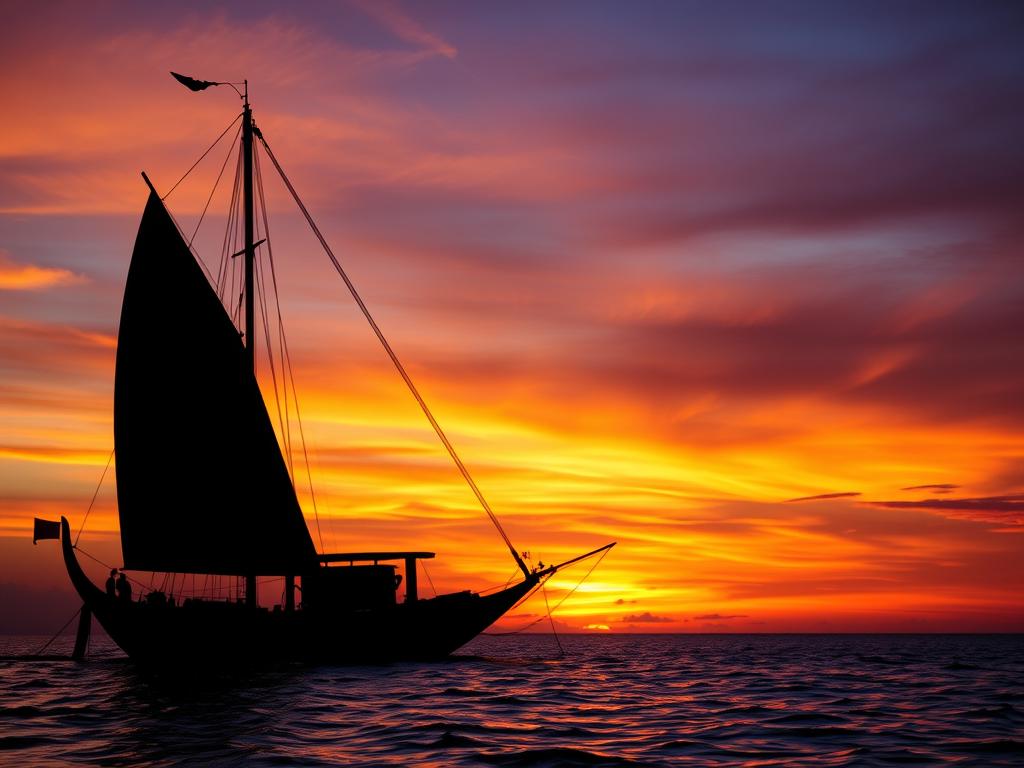
Water activities abound in this marine paradise. Snorkeling and diving reveal vibrant coral gardens teeming with tropical fish, while traditional wooden dhows offer sunset cruises with the sails silhouetted against the crimson sky. For those seeking cultural immersion, spice tours provide fascinating insights into the cultivation and uses of the aromatics that gave Zanzibar its “Spice Island” moniker.
Underwater Wonders
Zanzibar’s marine environment offers some of East Africa’s most spectacular underwater experiences. The Mnemba Atoll, a protected marine conservation area, presents a snorkeler’s paradise with shallow coral gardens just offshore. Divers can explore deeper sites where larger pelagic species like tuna and barracuda patrol the drop-offs, and lucky visitors might encounter dolphins or sea turtles.
The archipelago offers diving opportunities for all experience levels. Beginners can enjoy shallow, protected sites with minimal currents, while advanced divers can explore deeper walls and drift dives. PADI certification courses are widely available, allowing visitors to earn their diving credentials in this idyllic setting.
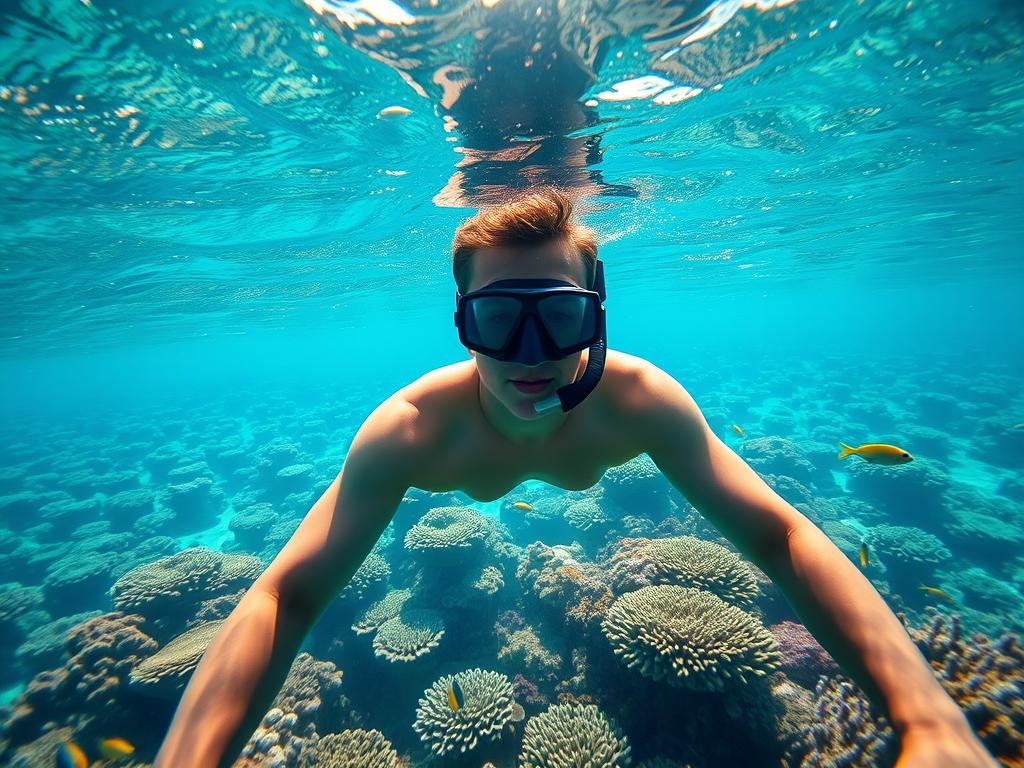
Beyond the reefs, Zanzibar offers unique marine experiences. Swimming with wild dolphins in Kizimkazi provides thrilling encounters with these intelligent creatures in their natural environment. Ethical operators maintain respectful distances and limit interaction time to minimize impact on the dolphins’ natural behaviors.
For a truly memorable experience, sunset dhow cruises combine traditional sailing methods with modern comforts. These graceful vessels, built using techniques passed down through generations, glide silently through the waters as the crew prepares fresh seafood and tropical fruits. As the sun melts into the horizon, painting the sky in impossible hues, the stresses of modern life seem to dissolve into the gentle waves.
Experience Zanzibar’s Tropical Paradise
Combine cultural exploration in historic Stone Town with relaxation on pristine beaches and underwater adventures in crystal-clear waters.
Cultural Immersion: Connecting with Tanzania’s People
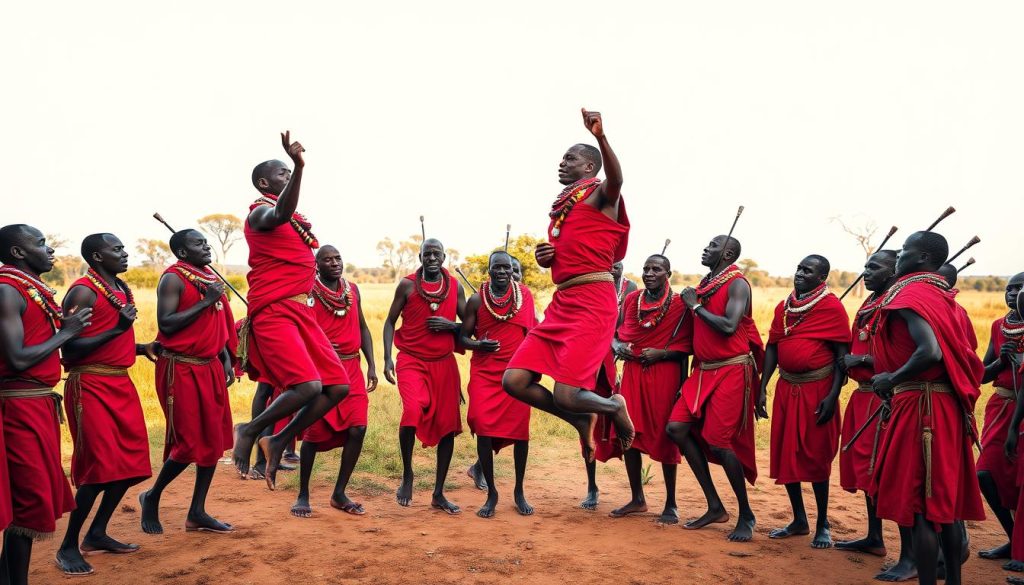
Tanzania’s soul resides not only in its landscapes and wildlife but in its people—over 120 ethnic groups who maintain distinct traditions while sharing a national identity. Cultural encounters provide some of the most meaningful memories of a Tanzania adventure, offering insights into ways of life that have adapted to challenging environments for centuries.
The Maasai people, with their distinctive red garments and beaded jewelry, represent Tanzania’s most iconic cultural image. Traditionally semi-nomadic pastoralists, the Maasai maintain many traditional practices despite modern pressures. Visits to authentic Maasai bomas (villages) offer glimpses into daily life—from the construction of dung-and-stick houses to cattle-herding practices that define their existence.

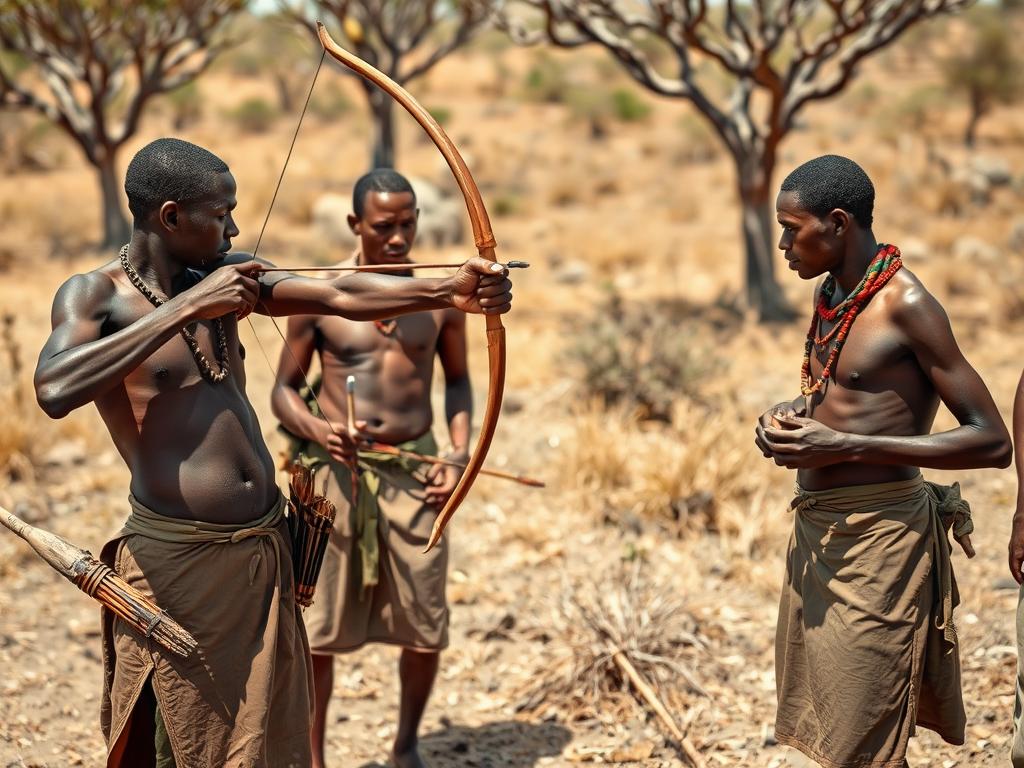
For more immersive experiences, the Hadzabe bushmen of Lake Eyasi offer insights into one of the last true hunter-gatherer societies. Early morning hunting walks with Hadzabe men demonstrate ancient tracking and archery skills, while women share knowledge of edible plants and traditional crafts. Unlike many cultural experiences, these encounters feel genuine rather than performed, though responsible visitors recognize the delicate balance between cultural exchange and intrusion.
In Zanzibar, cultural immersion takes different forms. Spice tours connect visitors with local farmers who demonstrate traditional cultivation methods for cloves, vanilla, and nutmeg. In Stone Town, cooking classes reveal the secrets behind Zanzibari cuisine—a tantalizing fusion of African, Arab, and Indian influences. Throughout the archipelago, fishing villages welcome visitors to observe boat-building techniques passed down through generations.
Responsible Cultural Tourism
Meaningful cultural encounters require thoughtful approaches that benefit local communities while preserving cultural integrity. Responsible operators ensure fair compensation reaches the communities visited, rather than middlemen. They also limit group sizes and frequency of visits to prevent cultural commodification.
Visitors play an equally important role in ensuring positive interactions. Approaching cultural exchanges with humility, respect, and genuine curiosity creates space for authentic connection. Always ask permission before photographing people, dress modestly in accordance with local customs, and learn a few phrases in Swahili—efforts that demonstrate respect for local sensibilities.
Beyond organized visits, opportunities for cultural connection arise organically throughout Tanzania. Conversations with safari guides reveal personal stories that illuminate contemporary Tanzanian life. Local markets provide vibrant settings to observe daily commerce and perhaps purchase handicrafts that support local artisans. Even simple interactions—sharing a smile with children or expressing gratitude to service providers—build bridges across cultural differences.
These cultural dimensions transform a Tanzania adventure from mere observation to meaningful exchange, adding depth and perspective to natural wonders. The warmth and resilience of Tanzania’s people often leave as lasting an impression as its wildlife spectacles and landscapes.
Connect with Tanzania’s Rich Cultural Heritage
Our community-based tourism initiatives ensure authentic cultural experiences that benefit local communities while providing meaningful exchanges for travelers.
Planning Your Tanzania Adventure
When to Visit
| Season | Months | Safari Conditions | Kilimanjaro Climbing | Zanzibar Beach | Crowds |
| Dry Season (Peak) | June – October | Excellent – Animals concentrate around water sources, less vegetation for better visibility | Excellent – Clear skies, less precipitation | Excellent – Sunny, lower humidity | High – Book well in advance |
| Short Rains | November – December | Good – Lush landscapes, newborn animals, fewer tourists | Moderate – Possible afternoon showers, fewer climbers | Good – Occasional brief showers, warm temperatures | Moderate – Good availability |
| Green Season | January – February | Very Good – Calving season in Serengeti, bird watching excellent | Good – Potentially clearer summit views, moderate crowds | Excellent – Hot, generally dry | Moderate-High – Popular for migration viewing |
| Long Rains | March – May | Challenging – Some roads impassable, lush scenery, lowest prices | Difficult – Muddy trails, potential snow at summit | Fair – Higher humidity, intermittent heavy rains | Low – Best availability and rates |
Essential Preparations
Health & Vaccinations
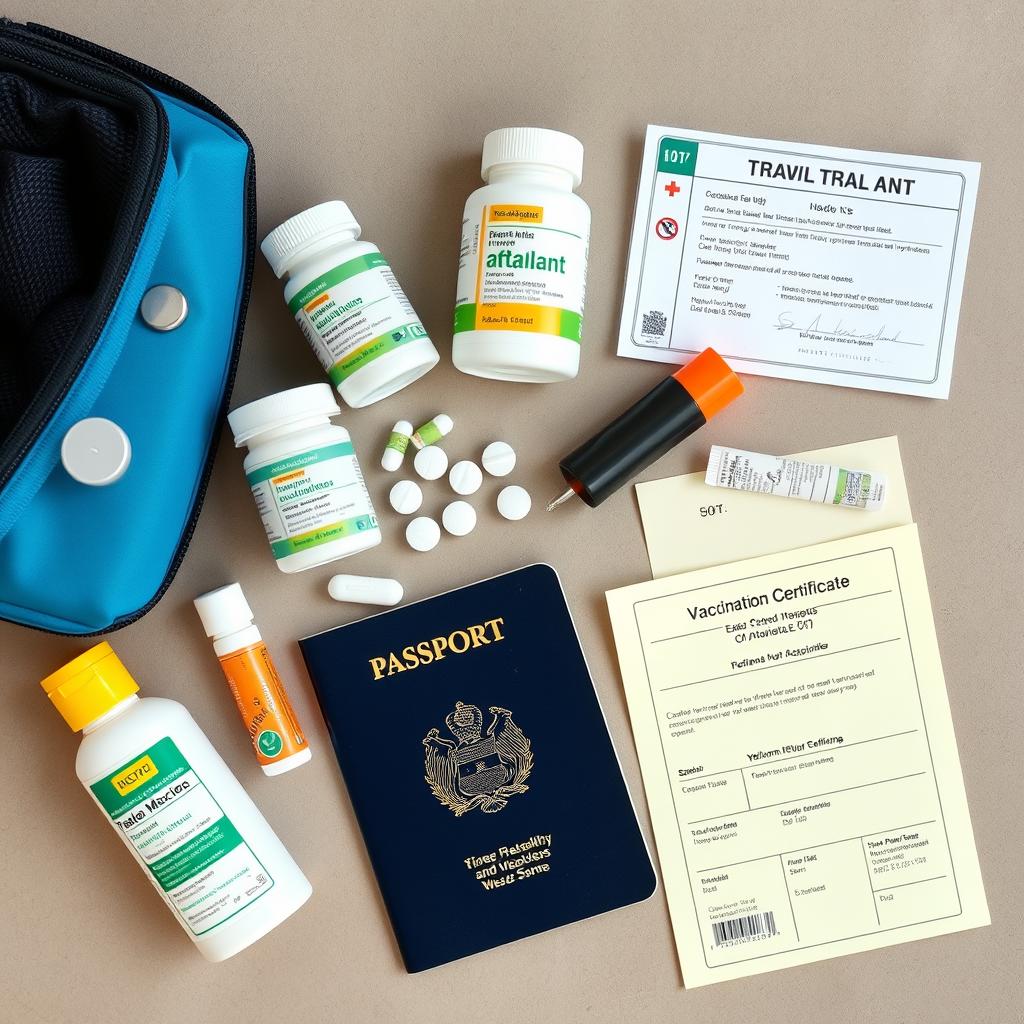
Tanzania requires a yellow fever vaccination certificate if arriving from endemic countries. Additionally, recommended vaccinations include hepatitis A and B, typhoid, tetanus, and polio. Malaria prophylaxis is essential for most regions. Consult a travel medicine specialist at least 8 weeks before departure. Pack a comprehensive medical kit including prescription medications, antimalarials, and remedies for common travel ailments.
Visa & Documentation

Most visitors require a Tanzania visa, obtainable online through the Tanzania Immigration website (recommended) or upon arrival at major entry points. The process requires a passport valid for at least six months beyond your arrival date, return ticket confirmation, and accommodation details. Carry printed copies of all travel documents, including insurance policies. For Zanzibar visits, keep your mainland Tanzania visa accessible.
Packing Essentials
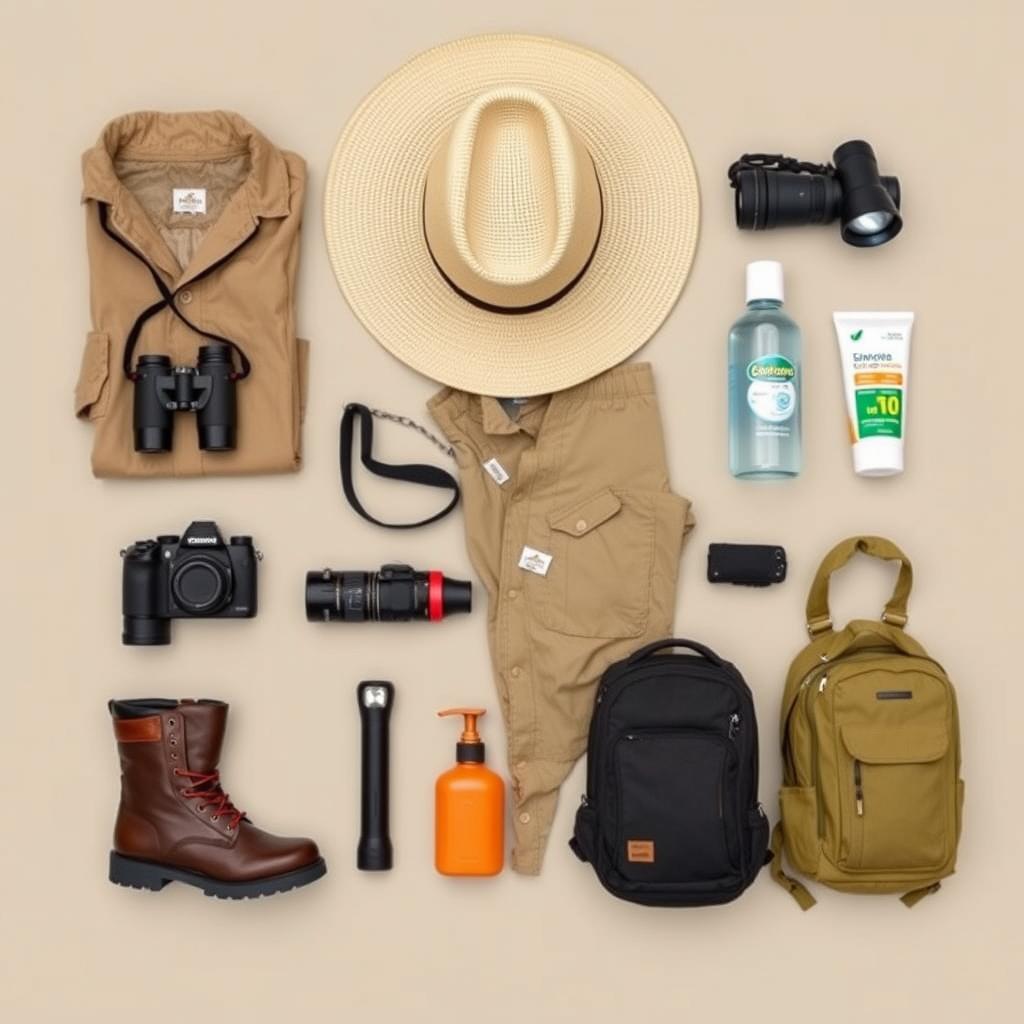
Pack light, focusing on practical items. For safaris, bring neutral-colored clothing (avoid bright colors and blue/black which attract tsetse flies), a wide-brimmed hat, sunglasses, and sturdy closed shoes. Binoculars and camera equipment with zoom capabilities enhance wildlife viewing. For Kilimanjaro, layered clothing accommodates temperature variations. All travelers should pack sunscreen, insect repellent, a headlamp, and a reusable water bottle.
Accommodation Options
Luxury Lodges
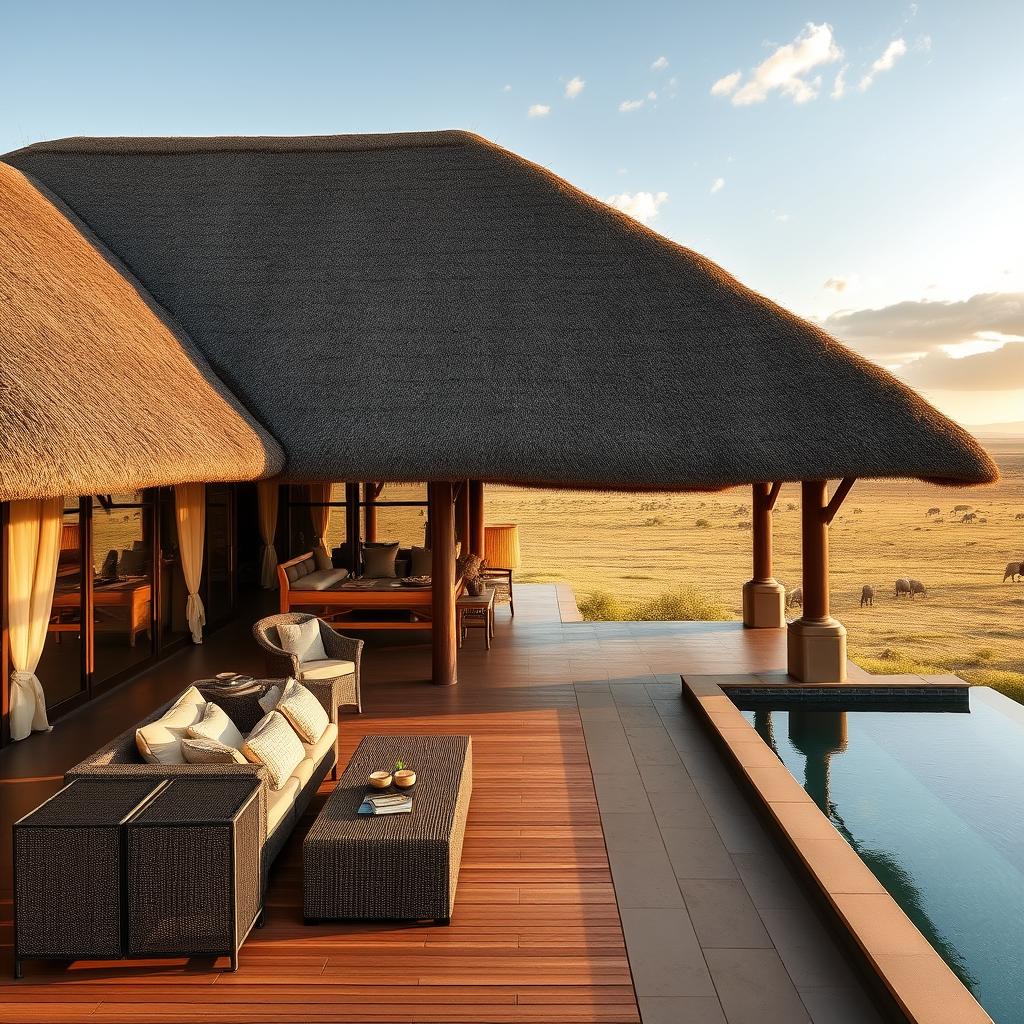
Tanzania’s luxury lodges represent the pinnacle of safari accommodation, blending seamlessly with natural surroundings while offering exceptional comfort. Properties like Singita Grumeti, Four Seasons Serengeti, and Ngorongoro Crater Lodge provide spacious suites with private verandas, gourmet dining, spa facilities, and unparalleled service. Expect prices from $1,000-$3,000 per person per night, inclusive of activities, meals, and premium beverages.
Tented Camps
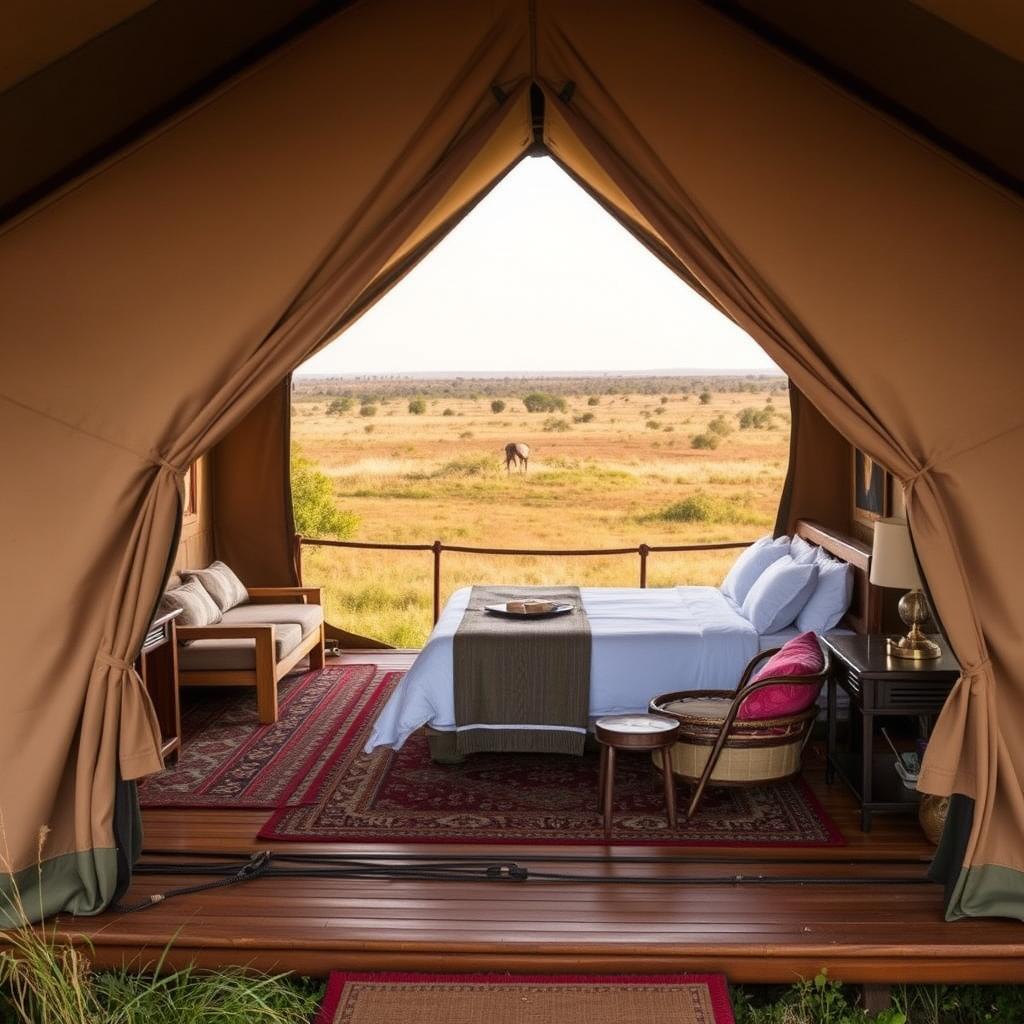
Tented camps offer immersive wilderness experiences without sacrificing essential comforts. Permanent camps feature spacious canvas accommodations with proper beds, en-suite bathrooms, and covered verandas. Mobile camps follow wildlife migrations, providing authentic experiences in prime locations. Mid-range options ($400-$800 per person) include Serengeti Safari Camp and Lemala camps, while budget-conscious travelers can find simpler setups ($150-$300) that still provide memorable experiences.
Zanzibar Retreats
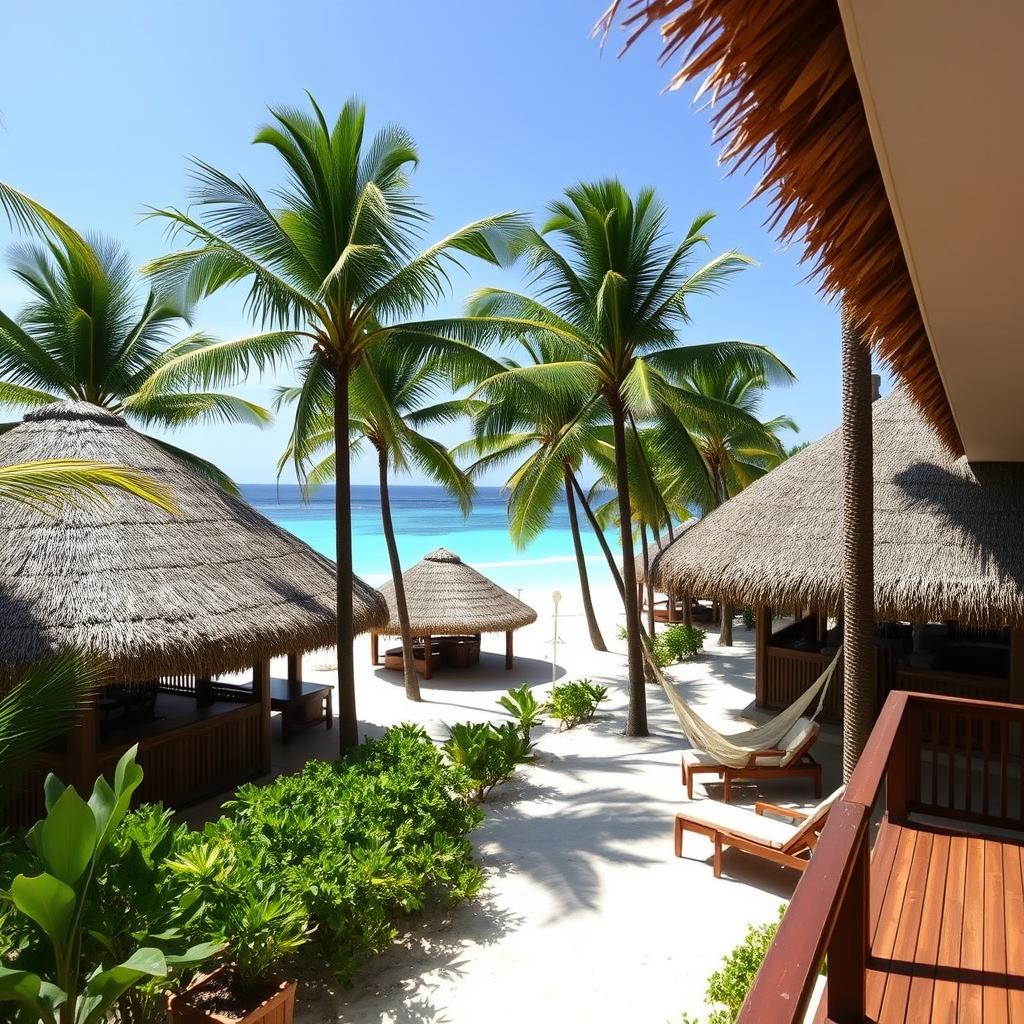
Zanzibar accommodations range from exclusive private island resorts to charming boutique hotels. Luxury options include Mnemba Island Lodge and Zuri Zanzibar ($600-$1,500 per night). Mid-range choices like Matemwe Lodge and Breezes Beach Club ($200-$500) offer excellent value with beachfront locations and quality amenities. Budget travelers can find pleasant guesthouses in Stone Town ($50-$100) and simple beach bungalows on less developed beaches like Paje and Jambiani.
Transportation
Most Tanzania adventures begin with international flights to Julius Nyerere International Airport (Dar es Salaam) or Kilimanjaro International Airport (near Arusha). For safaris in the northern circuit, Kilimanjaro Airport provides the most convenient access. Kenya Airways, Ethiopian Airlines, Qatar Airways, and Turkish Airlines offer good connections from major global hubs.
Within Tanzania, domestic flights save valuable time when covering large distances. Airlines like Coastal Aviation and Auric Air connect major destinations, including remote airstrips in national parks. For Zanzibar access, both scheduled flights and ferries from Dar es Salaam are available, with flights offering greater comfort and reliability.
Safari transportation typically involves specialized 4×4 vehicles with pop-up roofs for optimal wildlife viewing. For comprehensive northern circuit safaris, private guides with dedicated vehicles provide flexibility and personalized experiences. Shared safari vehicles offer economical alternatives for budget-conscious travelers.
In urban areas and Zanzibar, taxis provide convenient transportation, though rates should be negotiated in advance. For longer stays in Zanzibar, renting a scooter or car offers independence, though road conditions and local driving habits require confidence and caution.
Let Us Handle the Details
Our Tanzania specialists will create a personalized itinerary that matches your interests, timeframe, and budget while ensuring seamless logistics and unforgettable experiences.
Unique Tanzania Adventures
Hot Air Balloon Safaris
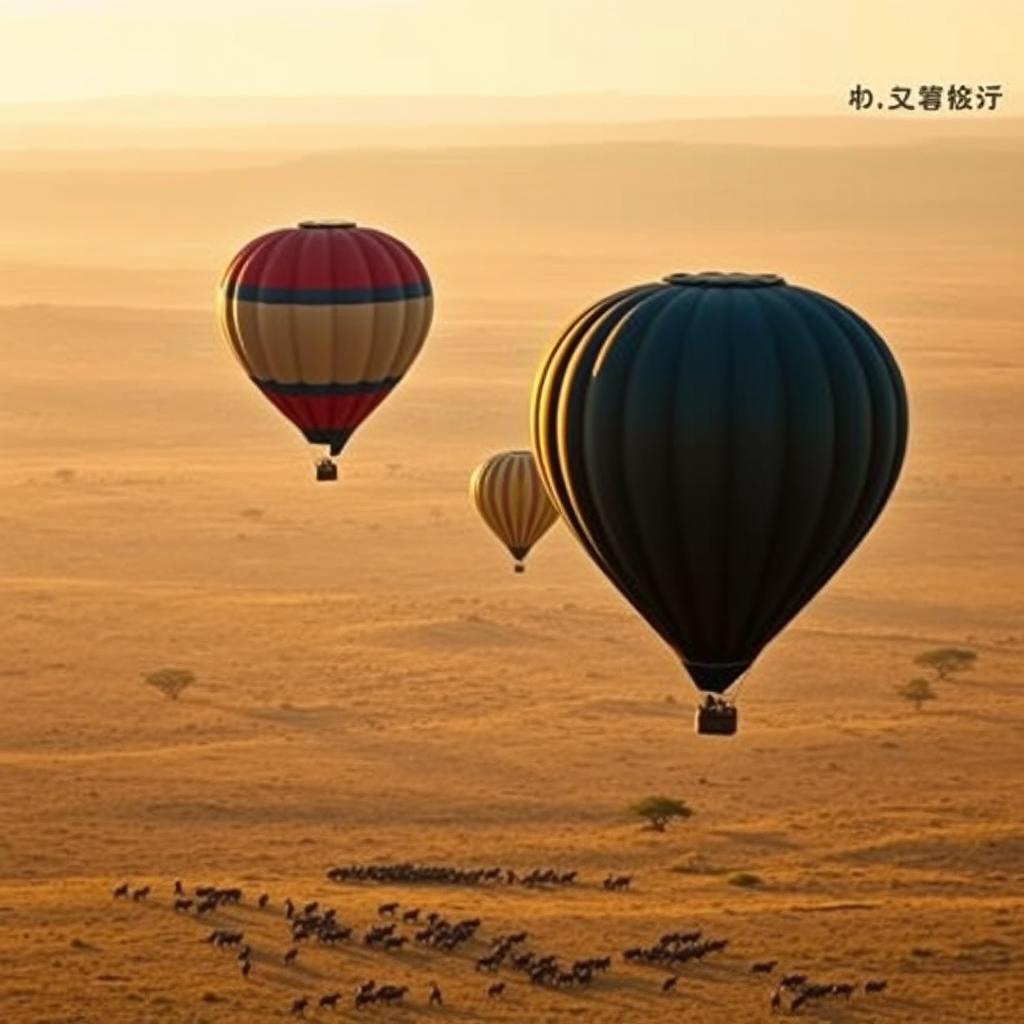
Experience the Serengeti from a breathtaking perspective as you drift silently above the plains at dawn. Hot air balloon safaris offer unparalleled photographic opportunities and a fresh viewpoint on wildlife patterns. The adventure begins before sunrise and concludes with a champagne breakfast in the bush. Though expensive ($550-$600 per person), this once-in-a-lifetime experience provides memories that justify the investment.
Chimpanzee Tracking
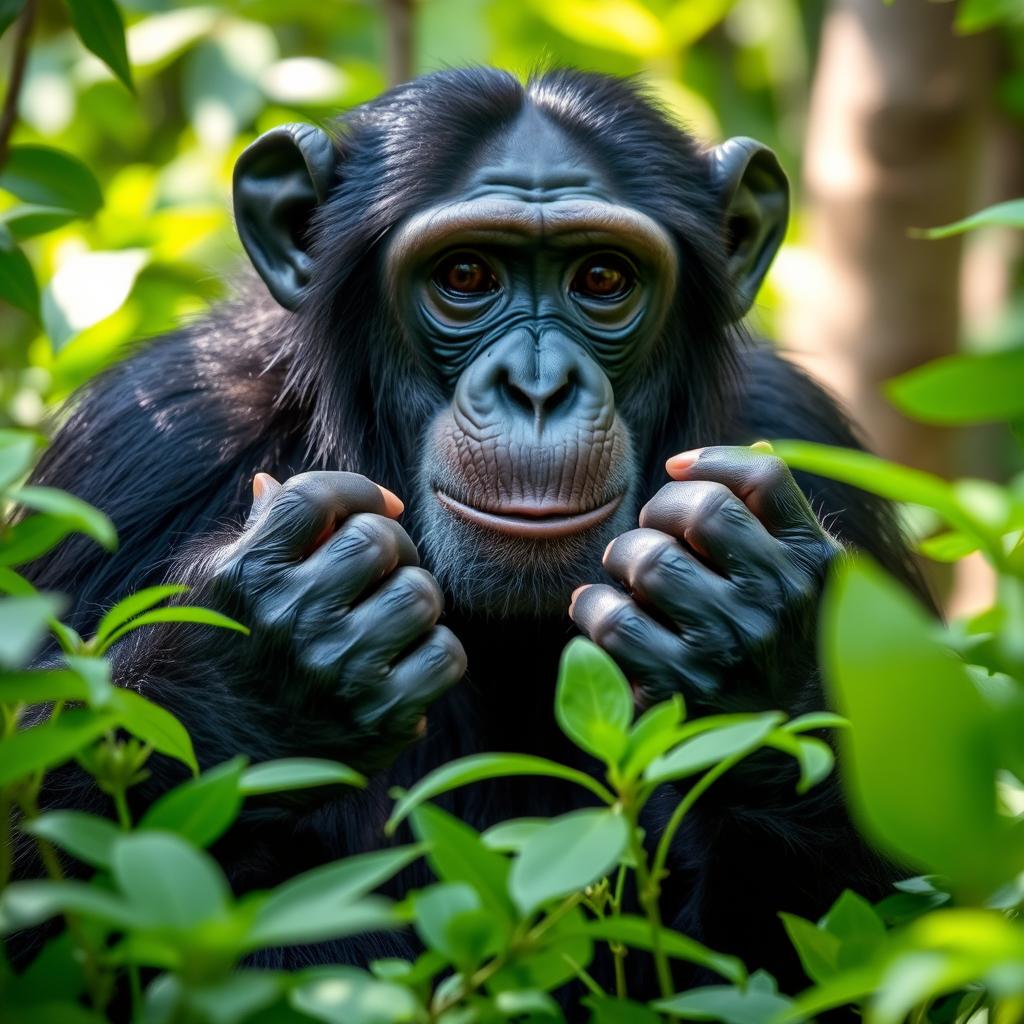
Western Tanzania’s remote parks offer extraordinary opportunities to observe our closest relatives in their natural habitat. Mahale Mountains National Park, accessible only by boat, hosts approximately 1,000 chimpanzees. Guided tracking experiences bring visitors into close proximity with habituated chimp communities, observing their complex social behaviors and remarkable intelligence. The challenging journey to these remote locations enhances the sense of privilege in witnessing these endangered primates.
Walking Safaris
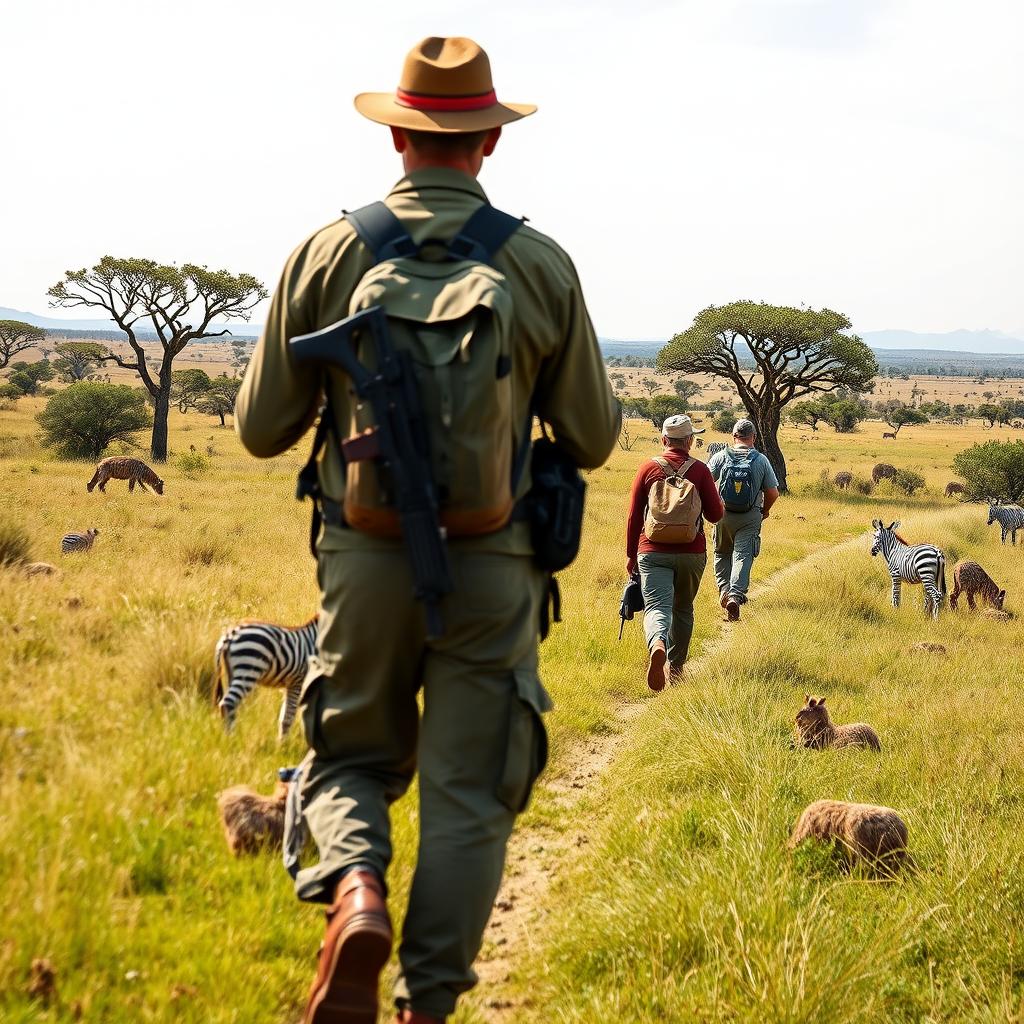
Walking safaris offer an intimate connection with the ecosystem impossible to achieve from a vehicle. In areas like Selous Game Reserve and Ruaha National Park, experienced armed guides lead small groups through the wilderness, revealing intricate details of animal tracks, plant adaptations, and insect life. The heightened awareness that comes from being on foot—knowing that you share the landscape with predators—creates an authentic wilderness experience that reconnects visitors with primal instincts.
Tribal Festivals
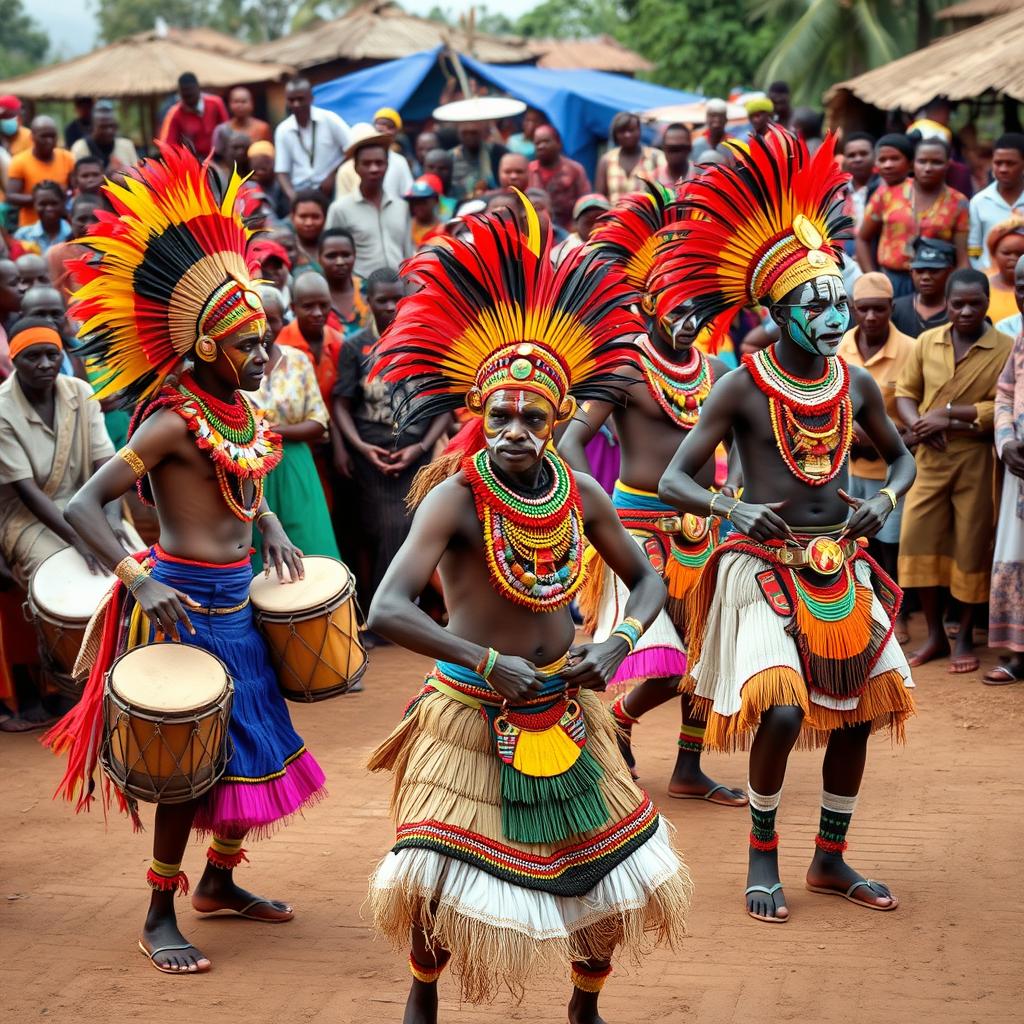
Timing your visit to coincide with traditional festivals provides rare glimpses into ceremonies rarely witnessed by outsiders. The Maasai Enkang ceremony celebrates young warriors’ transition to elderhood, while the Datoga maintain ancient blacksmithing traditions through ritualized demonstrations. Responsible tour operators can arrange attendance at these events with appropriate cultural sensitivity, creating meaningful exchanges that benefit local communities while preserving cultural integrity.
Night Game Drives
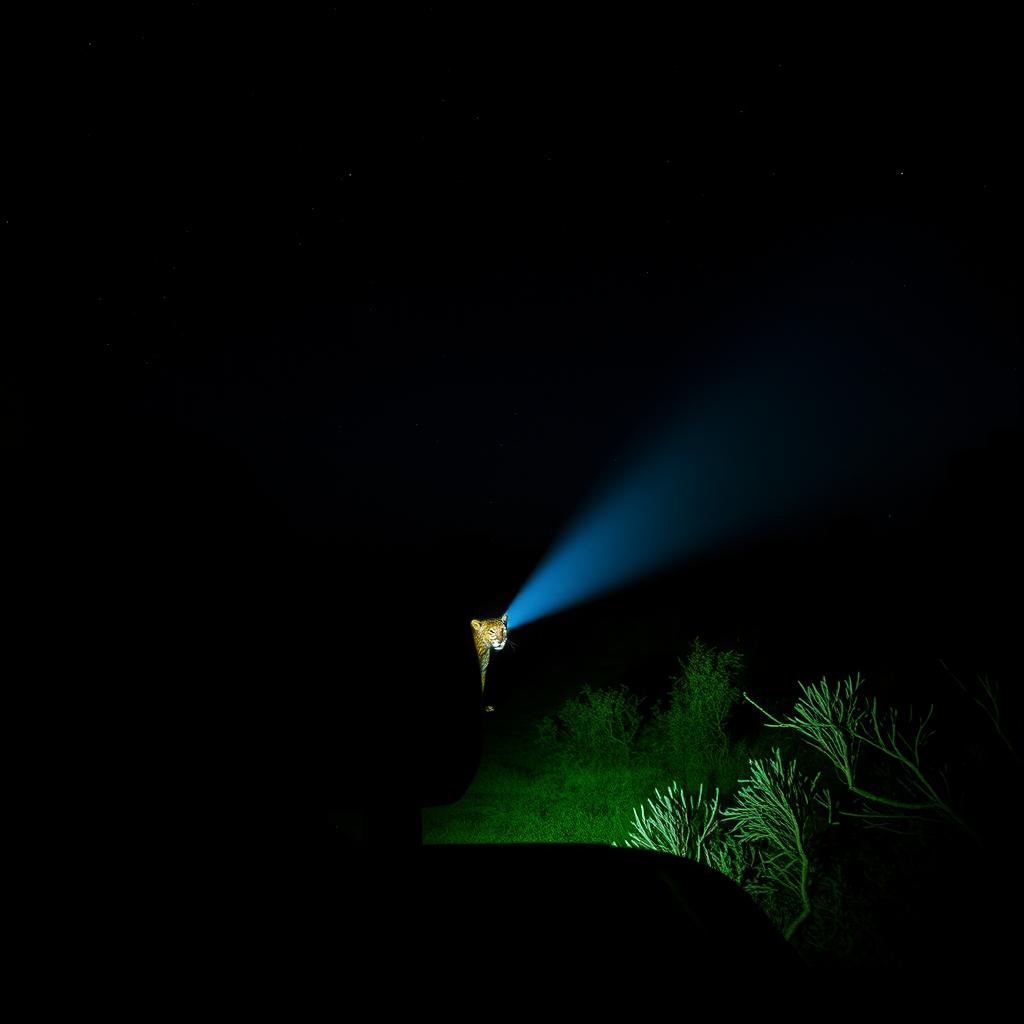
While prohibited in national parks, night drives in private concessions and game reserves reveal Tanzania’s nocturnal wildlife. Equipped with red-filtered spotlights that don’t disturb animals, guides locate elusive species rarely seen during daylight hours—aardvarks, bushbabies, genets, and hunting predators. The sounds of the African night, from lion roars to hyena whoops, add another dimension to the wilderness experience, creating memories distinctly different from daytime safaris.
Diving with Whale Sharks

Mafia Island, less visited than Zanzibar, offers seasonal opportunities to swim with the ocean’s largest fish—whale sharks. These gentle giants, reaching lengths of 40 feet, feed on plankton near the surface between October and March. Responsible operators maintain appropriate distances and limit swimmer numbers to minimize impact on these endangered creatures. The experience of sharing the water with such massive yet peaceful animals creates profound connections with marine ecosystems.
Discover Tanzania’s Hidden Treasures
Our specialists can incorporate these unique experiences into your custom itinerary, creating adventures beyond the ordinary tourist path.
Traveling Responsibly in Tanzania
Tanzania’s natural and cultural treasures face numerous challenges—from habitat loss to cultural commodification. Responsible travelers can minimize negative impacts while maximizing benefits to local communities and conservation efforts. Choosing ethical operators represents the first step toward responsible tourism. Look for companies that demonstrate commitment to environmental sustainability, fair employment practices, and community benefit.
Wildlife viewing ethics matter tremendously. Responsible safari-goers maintain appropriate distances from animals, avoid disrupting natural behaviors, and never pressure guides to approach too closely for photos. Understanding that wildlife needs space to hunt, mate, and raise young helps preserve authentic experiences for future visitors.
Cultural respect manifests through appropriate dress (covering shoulders and knees in conservative areas), asking permission before photographing people, and learning basic Swahili phrases. These simple courtesies demonstrate recognition of local sensibilities and create more meaningful interactions.
Environmental consciousness extends to everyday choices—refusing single-use plastics, conserving water in drought-prone regions, and staying on designated trails to prevent erosion. Supporting conservation through park fees and donations to reputable organizations helps preserve Tanzania’s natural heritage for generations to come.
Responsible Tourism Practices
- Choose locally-owned accommodations and operators
- Respect wildlife by maintaining appropriate distances
- Learn basic Swahili phrases to connect with local people
- Purchase souvenirs directly from artisans
- Conserve water, especially in drought-prone areas
- Participate in community-based tourism initiatives
- Minimize plastic waste by using refillable water bottles
- Respect cultural norms regarding dress and behavior
Practices to Avoid
- Pressuring guides to approach animals too closely
- Photographing people without permission
- Giving gifts directly to children (supports begging)
- Purchasing products made from endangered species
- Visiting orphanages as tourist attractions
- Using single-use plastics in wilderness areas
- Wearing revealing clothing in conservative communities
- Participating in activities that exploit wildlife
Your Tanzania Adventure Awaits
Tanzania offers adventures that transcend ordinary travel experiences—moments that reconnect us with something essential and timeless. Whether witnessing the thunder of wildebeest hooves across the Serengeti, standing triumphant on Kilimanjaro’s summit, or sharing stories with Maasai elders beneath acacia trees, these experiences reshape our understanding of the world and our place within it.
The memories created here—a lion’s roar echoing across moonlit plains, the scent of cloves carried on Zanzibar’s breeze, the genuine smile of a child in a remote village—become treasures carried home and revisited throughout life. They remind us of nature’s grandeur, of cultural wisdom preserved through generations, and of our own capacity for wonder.
Tanzania’s magic lies in its authenticity—a quality increasingly rare in our homogenized world. Here, wilderness still functions as it has for millennia. Ancient traditions continue to guide daily life. The rhythm of seasons still dictates the movement of wildlife and the activities of people who share these landscapes.
As you plan your Tanzania adventure, remember that the country offers not merely destinations to visit, but experiences to absorb and integrate into your own story. Come with an open heart and mind, ready to be transformed by encounters with the extraordinary. Tanzania awaits—not just as a place on the map, but as a journey into the essence of what makes our planet so remarkable.
Begin Your Tanzania Adventure Story
Our team of Tanzania specialists is ready to transform your travel dreams into reality. Contact us today for a personalized itinerary that captures the magic of this extraordinary land.