Across the golden plains of Africa, three elegant creatures dance with the wind: the gazelle, the antelope, and the impala. Their lithe bodies and nimble movements often confuse even seasoned safari-goers. We invite you to journey with us through the subtle distinctions that separate these magnificent beings. Like ancient poems written in flesh and bone, each species tells a unique story of adaptation and survival. Let us unravel these stories together, as we explore the essence of what makes each of these graceful spirits unique in the grand tapestry of the African wilderness.
Understanding the Family Tree: Taxonomy and Classification
The confusion between gazelles, antelopes, and impalas stems from their shared ancestry. All belong to the Bovidae family, which includes cattle, sheep, and goats. However, their relationships are more nuanced than many realize.
Taxonomic classification showing the relationship between these graceful savanna dwellers
Antelopes are not a single taxonomic group but rather a collection of various bovid species that don’t fit into the cattle, sheep, or goat categories. There are approximately 91 species of antelopes spread across Africa and parts of Asia.
Gazelles form a subset of antelopes, primarily belonging to the genus Gazella, though some species fall under related genera like Eudorcas and Nanger. They represent about 18 species within the broader antelope classification.
The impala (Aepyceros melampus) stands as its own distinct species within the antelope group, belonging to a separate genus. Despite resembling gazelles in many ways, impalas are not true gazelles from a taxonomic perspective.
All gazelles are antelopes, but not all antelopes are gazelles. And while impalas share many characteristics with gazelles, they belong to their own unique branch of the antelope family tree.
Witness Nature’s Diversity in Tanzania
Our expert guides can help you identify these magnificent creatures in their natural habitat. Experience the thrill of distinguishing between gazelles, antelopes, and impalas with your own eyes.
Physical Characteristics: The Art of Distinction
The subtle differences in physical appearance between gazelles, antelopes, and impalas reveal nature’s artistic variations on a common theme. Each has evolved unique characteristics perfectly suited to their ecological niche.
Size and Build: From Delicate to Robust
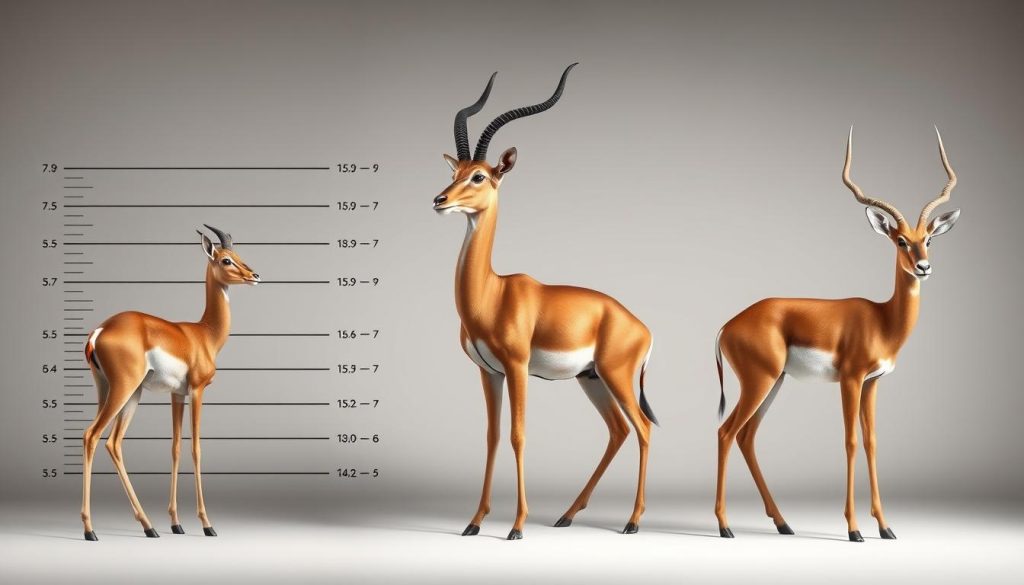
Size comparison revealing the distinctive builds of these three savanna dwellers
Antelopes display remarkable size diversity. The massive eland can reach 1.8 meters (5 ft 11 in) at the shoulder and weigh up to 1,000 kg (2,200 lb), while the diminutive royal antelope stands just 25 cm (10 in) tall and weighs a mere 3.5 kg (7.7 lb).
Gazelles occupy the medium range of the antelope spectrum. The Thomson’s gazelle, or “Tommie,” stands about 60-90 cm (24-35 in) at the shoulder and weighs between 15-30 kg (33-66 lb). Their bodies are slender and lightweight, built for speed rather than power.
Impalas bridge the gap between these extremes, standing approximately 75-95 cm (30-37 in) tall and weighing 40-76 kg (88-168 lb). Their build combines the gazelle’s agility with slightly more robust proportions.
Horns: Nature’s Crown
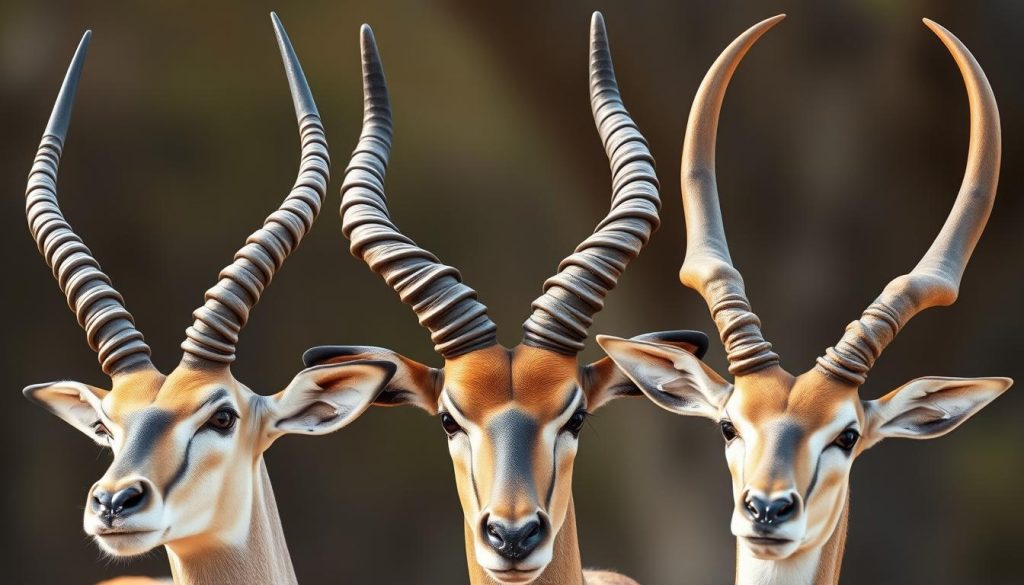
The distinctive horn patterns serve as key identifiers between species
Horn structure provides one of the most reliable ways to distinguish between these animals. Gazelles typically have slender, ringed horns that curve backward and then slightly forward at the tips. In most gazelle species, both males and females possess horns, though female horns are usually smaller.
The broader antelope group displays remarkable horn diversity. Kudu horns spiral dramatically, oryx horns are long and straight, while eland horns are thick and twisted. In many antelope species, only males have horns.
Impala males possess distinctive lyre-shaped horns that curve backward then forward and inward, creating an elegant S-shape when viewed from the side. Female impalas lack horns entirely, providing an immediate visual distinction from female gazelles.
Coloration and Markings: Nature’s Palette
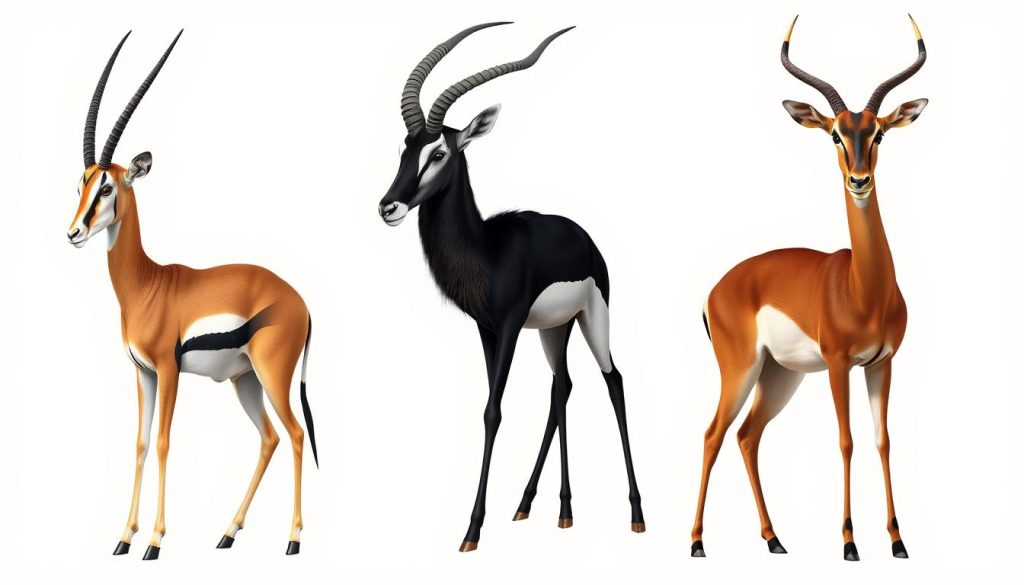
Distinctive coat patterns and markings help identify these graceful creatures
Gazelles typically display light sandy to reddish-brown coats with white underbellies. Many species, like the Thomson’s gazelle, feature bold black stripes along their flanks and distinctive facial markings. These patterns provide camouflage in open grasslands.
The broader antelope family exhibits tremendous color variation. The sable antelope sports a dramatic black coat with white underbelly, while the nyala shows striking sexual dimorphism—males are slate gray while females are reddish-brown.
Impalas wear a uniform reddish-brown coat with lighter underparts and a characteristic black line running down each buttock. Their facial markings are more subtle than those of many gazelles, with delicate black lines extending from the eyes.
| Feature | Gazelles | Other Antelopes | Impalas |
| Size Range | Medium (60-90 cm tall) | Small to Large (25-180 cm tall) | Medium (75-95 cm tall) |
| Weight | 15-30 kg | 3.5-1,000 kg | 40-76 kg |
| Horn Presence | Both sexes (usually) | Varies by species | Males only |
| Horn Shape | Slender, ringed, curved | Highly variable | Lyre-shaped |
| Coat Color | Sandy to reddish-brown | Highly variable | Uniform reddish-brown |
Habitat and Geographical Distribution
The dance between these graceful creatures and their environments has shaped their evolution over millions of years. Their geographical distribution tells a story of adaptation and specialization.
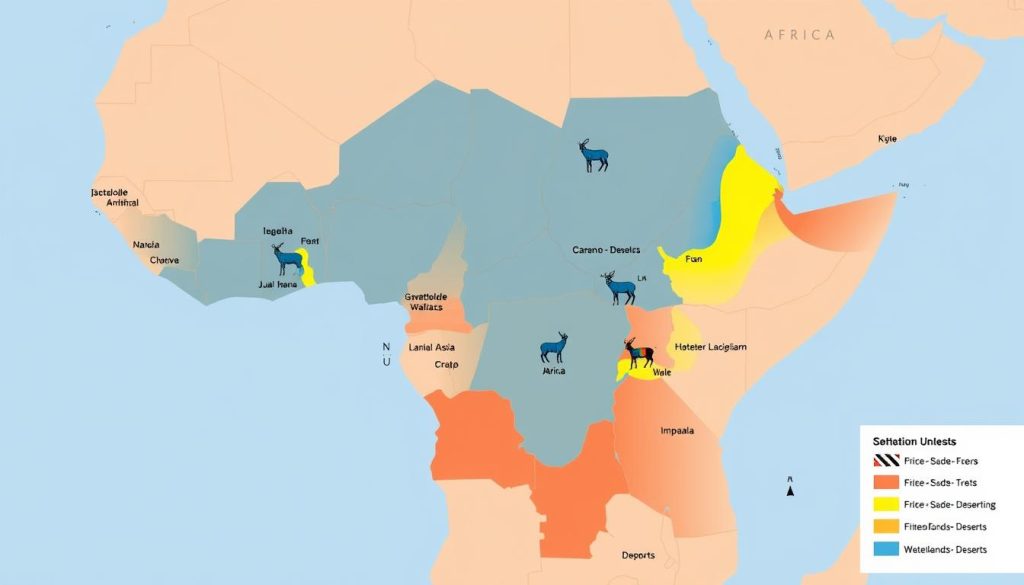
Geographical distribution across the African continent
Gazelles: Masters of Open Spaces
Gazelles have specialized in inhabiting open, arid environments. They thrive in grasslands, savannas, and semi-desert regions where their speed gives them a crucial advantage against predators. Species like the Thomson’s and Grant’s gazelles dominate the East African plains, while others like the Dorcas gazelle have adapted to the harsh conditions of the Sahara.
What makes gazelles remarkable is their ability to survive in areas with limited water. They extract most of their moisture from the plants they consume, reducing their dependence on permanent water sources—a vital adaptation for life in arid regions.
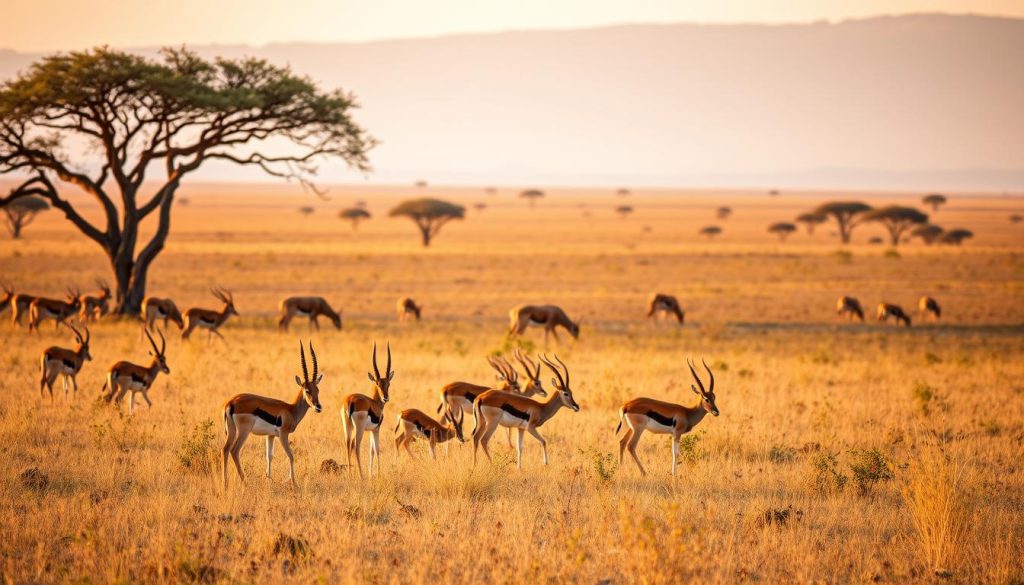
Thomson’s gazelles thrive in the open grasslands of East Africa
Antelopes: Adaptable Survivors
The broader antelope family has evolved to occupy virtually every ecological niche across Africa. From the dense rainforests of Central Africa where bongos and duikers dwell, to the wetlands that sustain waterbucks, to the mountainous regions where klipspringers leap from rock to rock—antelopes have mastered diverse environments.
This ecological versatility explains the tremendous diversity in antelope species. Each has evolved specific adaptations to its particular habitat, resulting in the wide range of sizes, colors, and behaviors we observe today.
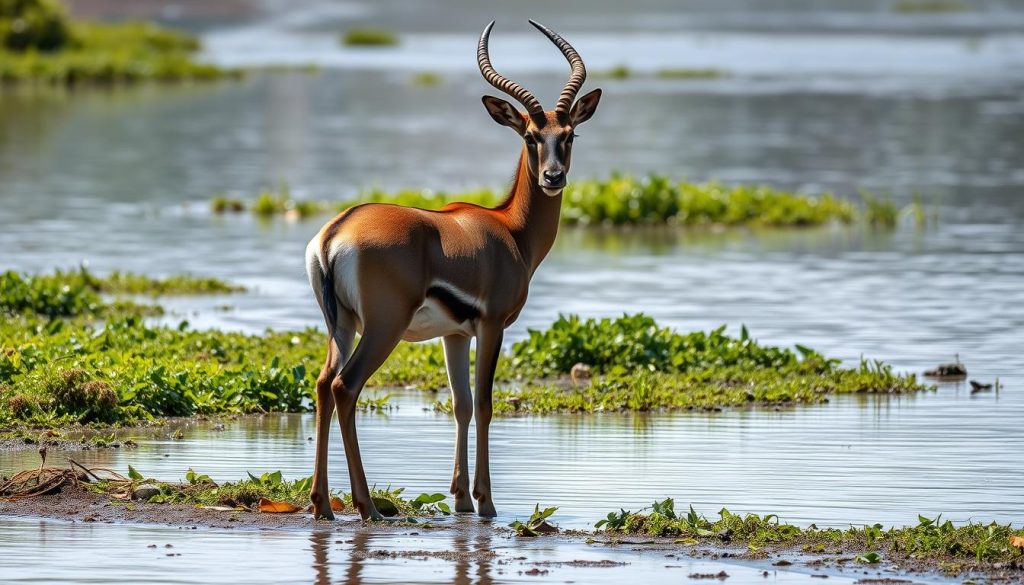
Waterbuck antelopes remain close to water sources in their preferred habitats
Impalas: The Ecotone Specialists
Impalas occupy a middle ground, preferring savanna woodlands and the edges between open grasslands and denser bush. This habitat preference reflects their intermediate adaptations—neither as specialized for open plains as gazelles nor as adapted to dense vegetation as some forest antelopes.
Their range extends across eastern and southern Africa, from Kenya and Tanzania down to South Africa. Impalas require more regular access to water than gazelles, typically drinking daily when water is available.
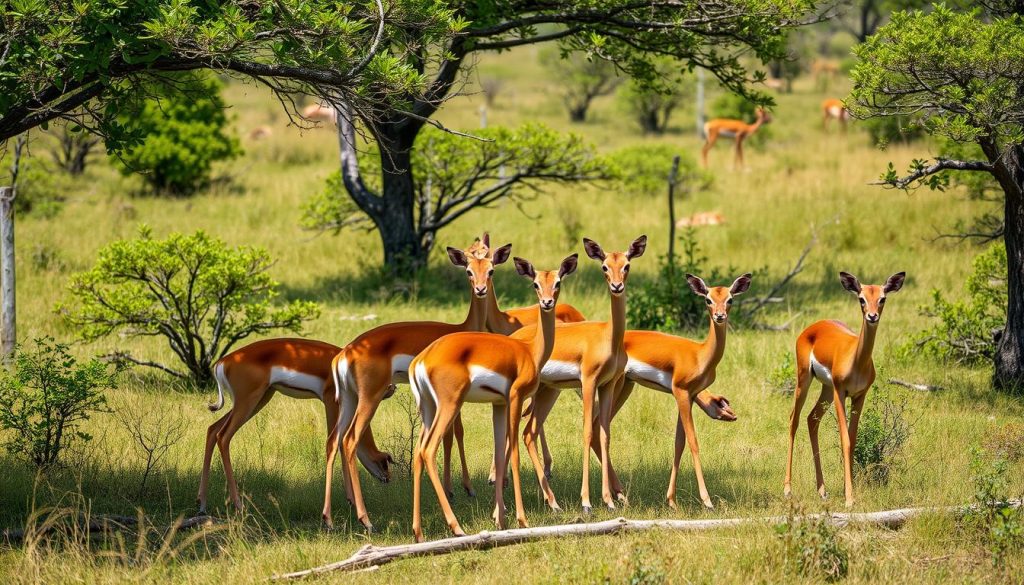
Impalas thrive in the transition zones between open grasslands and woodlands
Experience These Habitats Firsthand
Join us on a journey through Tanzania’s diverse ecosystems, from the open plains of the Serengeti to the woodland savannas of Tarangire. Witness these magnificent animals in their natural habitats.
Behavioral Patterns and Social Structures
The social lives of gazelles, antelopes, and impalas reveal fascinating adaptations that enhance their survival in the wild. Each has developed unique behavioral strategies that reflect their evolutionary history and ecological niche.
Gazelles: Alert and Agile
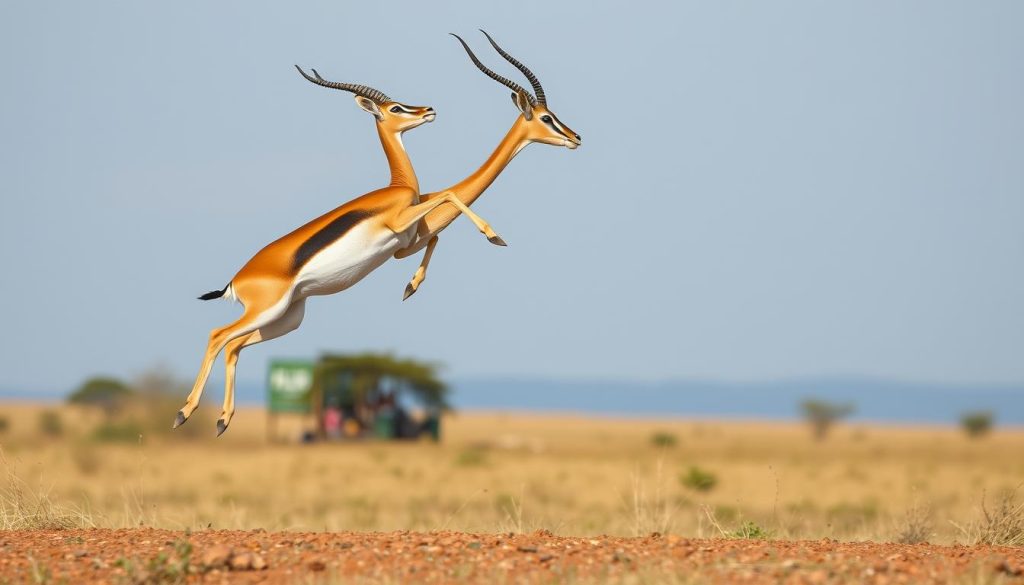
A gazelle performs the distinctive stotting behavior, a unique adaptation to predator pressure
Gazelles have developed a remarkable behavior called “stotting” or “pronking”—high, stiff-legged jumps with all four feet leaving the ground simultaneously. This curious display, often performed when predators are spotted, may serve multiple purposes: signaling to predators that the gazelle is fit and not worth chasing, warning other gazelles of danger, or allowing the gazelle to see farther across the grasslands.
Socially, gazelles typically form smaller herds of 10-30 individuals, though these can merge into larger aggregations during migrations. Many species form bachelor herds of males separate from female and young groups. Territorial males mark their domains using secretions from glands near their eyes.
Antelopes: Diverse Social Systems
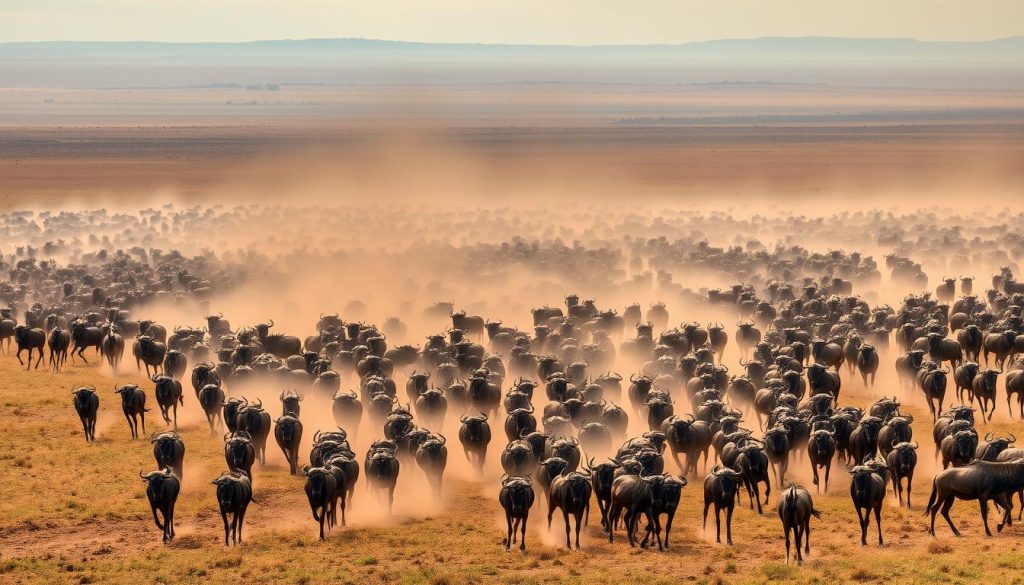
Wildebeest form massive herds during migration, demonstrating one extreme of antelope social behavior
The broader antelope family displays tremendous diversity in social structures. Wildebeest form enormous herds numbering in the thousands during their famous migrations. In contrast, forest-dwelling duikers are often solitary or form monogamous pairs, reflecting the limited resources in their dense habitat.
Some antelopes, like the kudu, form loose associations that gather and disperse as conditions change. Others, like the sable antelope, maintain strict hierarchies within their herds, with dominant males defending groups of females and young.
Impalas: Flexible Societies
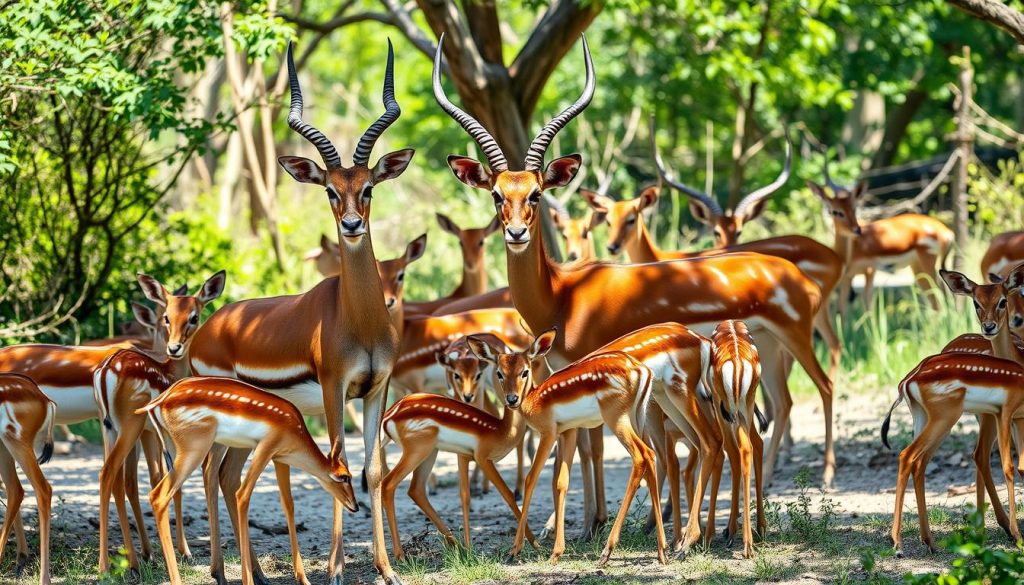
Impala herds typically consist of a dominant male with multiple females and their young
Impalas demonstrate remarkable social flexibility. During the wet season, they often form mixed herds of males and females. As the dry season approaches and the breeding season begins, dominant males establish territories and gather harems of females, while unsuccessful males form bachelor herds.
This territorial system is maintained through constant vigilance and ritualized displays. Males mark their territories with secretions from glands on their foreheads and engage in parallel walking displays with rivals, occasionally escalating to horn-locking combat if displays don’t resolve the conflict.
The social structures of these animals are not fixed but fluid—changing with seasons, resource availability, and breeding cycles. This adaptability is key to their survival in the ever-changing African landscape.
Diet and Feeding Habits
The dietary adaptations of gazelles, antelopes, and impalas reveal subtle differences in how these related species have specialized to extract nutrition from their environments.
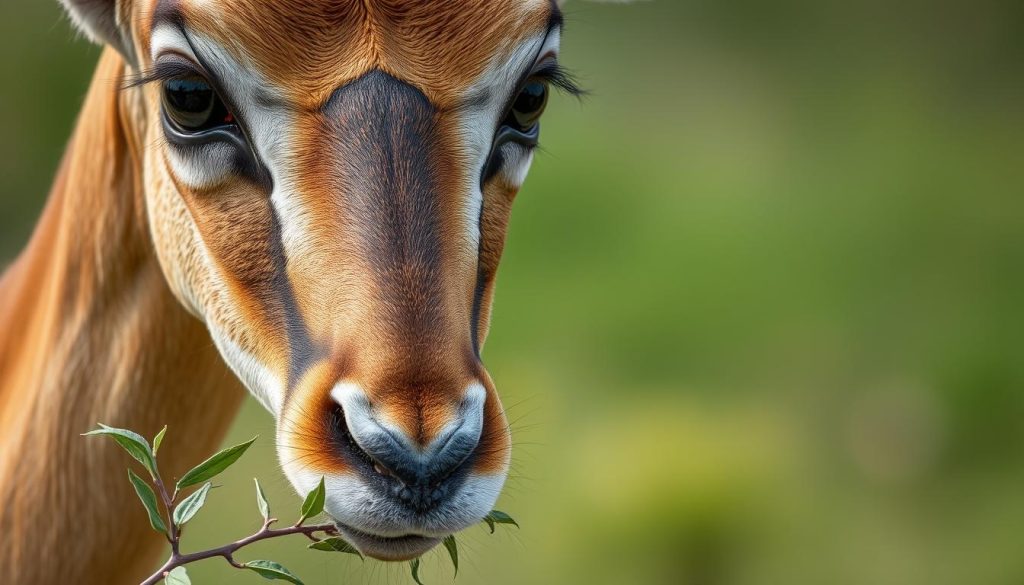
Gazelles are selective feeders, carefully choosing the most nutritious parts of plants
Feeding Adaptations
All three groups share the same basic digestive system—a four-chambered stomach that allows them to extract maximum nutrition from plant material through a process of fermentation and rumination. This shared adaptation places them all in the category of ruminants.
However, they differ in their feeding strategies. Gazelles are primarily mixed feeders, switching between grazing (eating grasses) and browsing (eating leaves and shoots) depending on seasonal availability. Their narrow muzzles allow them to selectively pluck the most nutritious parts of plants.
The broader antelope family includes dedicated grazers like wildebeest, which consume large quantities of grass, as well as specialized browsers like the gerenuk, which can stand on its hind legs to reach higher foliage.
Impalas are the ultimate opportunists, readily switching between grazing and browsing as conditions dictate. During the wet season, they primarily graze on fresh grasses, but in the dry season, they shift to browsing on leaves, pods, and fruits.
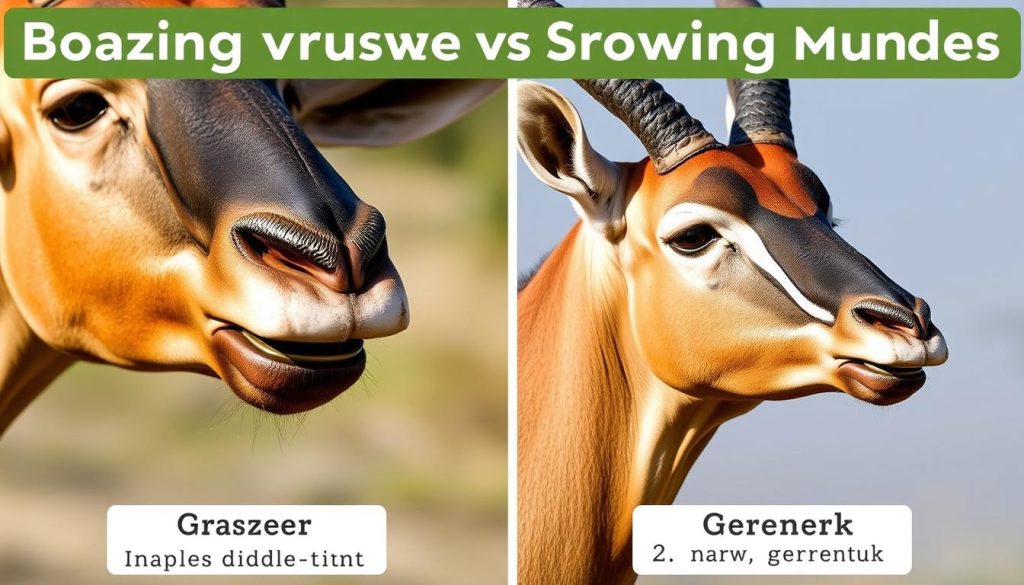
Mouth structures reflect different feeding strategies: wide muzzles for grazers, narrow muzzles for browsers
Water Requirements
Water dependency creates another distinction between these animals. Many gazelle species are remarkably water-independent, obtaining most of their moisture from the plants they eat. This adaptation allows them to thrive in arid environments where water sources are scarce.
In contrast, most other antelopes require regular access to water. Species like the waterbuck are never found far from water sources, while others can travel longer distances between drinks.
Impalas fall somewhere in between, typically drinking daily when water is available but capable of extracting moisture from their food during drier periods.
| Feeding Trait | Gazelles | Other Antelopes | Impalas |
| Primary Strategy | Mixed feeders, selective | Varies by species | Opportunistic mixed feeders |
| Water Dependency | Low (can extract from food) | Varies by species | Moderate |
| Muzzle Shape | Narrow, pointed | Varies by feeding strategy | Intermediate |
| Seasonal Adaptation | Switch between browse/graze | Varies by species | Highly adaptable |
Speed, Agility, and Survival Adaptations
In the eternal dance between predator and prey, gazelles, antelopes, and impalas have evolved remarkable physical abilities that help them evade Africa’s formidable predators.
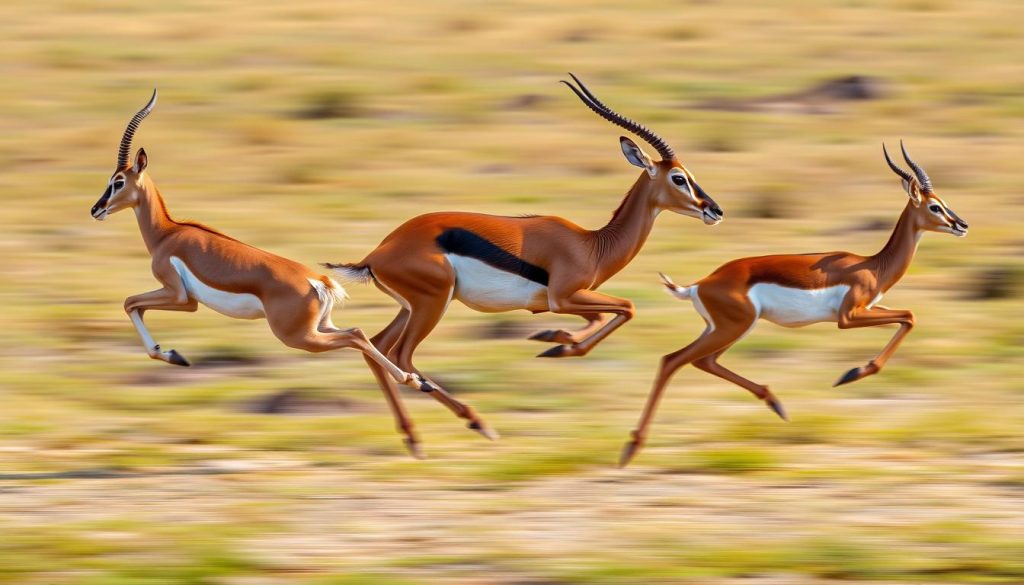
The distinctive running styles of these three groups reflect their evolutionary adaptations
Speed Champions
Gazelles are built for sustained high-speed running. The Thomson’s gazelle can reach speeds of up to 80-90 km/h (50-55 mph) and maintain rapid pace for longer distances. Their lightweight bodies, long slender legs, and efficient oxygen use make them among the most enduring runners on the savanna.
While some larger antelopes sacrifice speed for power, others are surprisingly swift. The wildebeest can gallop at 80 km/h (50 mph) for short bursts, though they lack the endurance of gazelles. The massive eland, despite weighing up to 1,000 kg, can still reach speeds of 70 km/h (43 mph)—remarkable for an animal of its size.
Impalas combine speed with extraordinary leaping ability. They can reach speeds similar to gazelles—up to 90 km/h (56 mph)—but their most distinctive escape tactic is their ability to leap. An impala can jump up to 3 meters (10 feet) high and cover distances of up to 10 meters (33 feet) in a single bound.
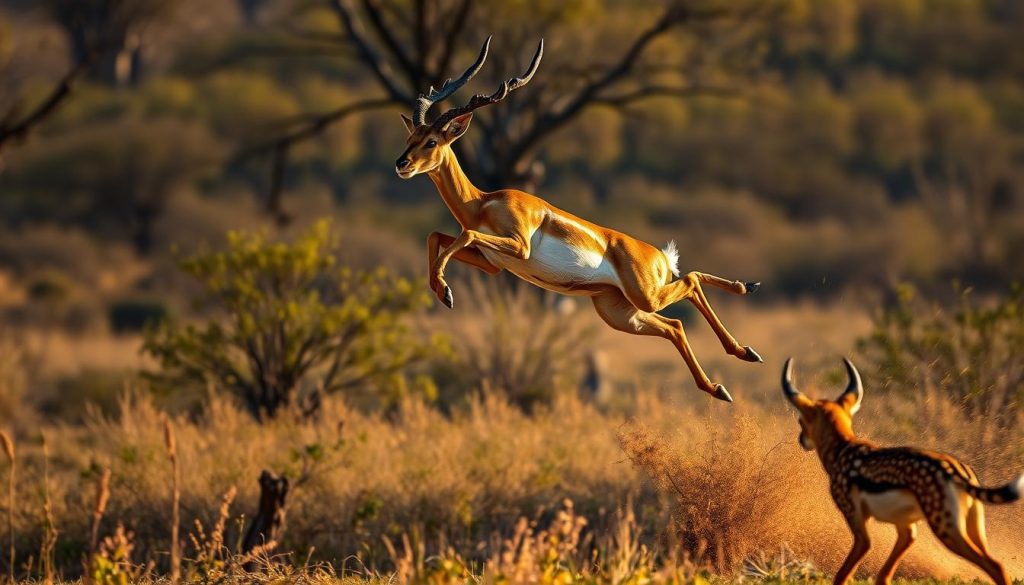
The impala’s extraordinary leaping ability helps it escape predators in woodland environments
Evasion Tactics
Beyond raw speed, each group has developed specialized evasion tactics. Gazelles are masters of the “stotting” behavior mentioned earlier, but they also employ a zigzag running pattern when pursued, making it difficult for predators to predict their movement.
Many antelope species rely on early detection and group vigilance. Species like the topi may take turns standing on termite mounds to scan for danger, while others like the kudu rely on camouflage and freezing in place to avoid detection.
Impalas combine tactics from both playbooks. When threatened in open areas, they run like gazelles. In more wooded environments, they use their remarkable leaping ability to bound over obstacles that would slow down pursuers. A fleeing herd of impalas creates confusion through their explosive, seemingly random leaping in different directions.
The survival of these graceful animals depends not just on how fast they can run, but on their ability to detect danger early, make split-second decisions, and execute complex escape maneuvers that confuse and exhaust their predators.
Witness Nature’s Athletes in Action
Nothing compares to seeing these magnificent animals demonstrate their speed and agility in the wild. Join our expert guides for an unforgettable safari experience in Tanzania’s premier wildlife destinations.
Reproduction and Life Cycles
The continuation of life through reproduction reveals fascinating differences in how gazelles, antelopes, and impalas have adapted their breeding strategies to their environments and social structures.
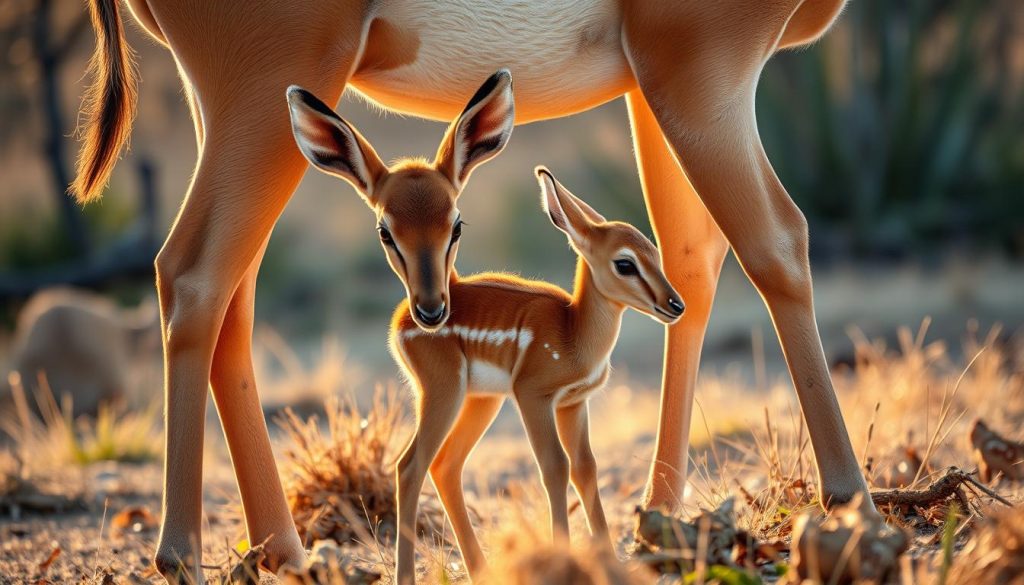
A gazelle mother with her calf, demonstrating the close bond between mother and offspring
Breeding Seasons
Gazelles typically have defined breeding seasons tied to rainfall patterns, ensuring that calves are born when fresh vegetation is most abundant. In East Africa, many gazelle species give birth at the start of the rainy seasons, providing optimal nutrition for lactating mothers and growing young.
The broader antelope family shows more variation. Some species, like the eland, can breed year-round, while others have strict seasonal breeding. Environmental conditions often trigger hormonal changes that synchronize breeding within a population.
Impalas are known for their remarkably synchronized breeding. In East Africa, the rut (breeding season) typically occurs over just a few weeks at the end of the rainy season. This results in a pulse of births approximately 6.5 months later, at the start of the next rainy season.
Maternal Strategies
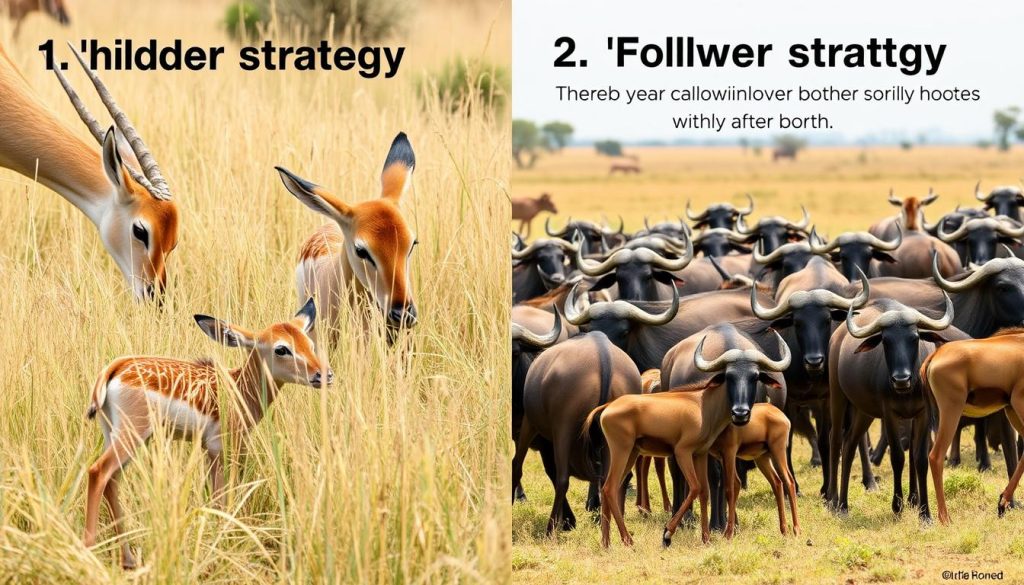
Antelope species employ either “hider” or “follower” strategies for their young
Gazelles typically employ a “hider” strategy. Mothers give birth in secluded areas, and the newborns remain hidden in vegetation for the first few weeks of life. The mother returns periodically to nurse her young, minimizing the time spent together to avoid attracting predators.
Other antelopes may use either “hider” or “follower” strategies depending on their habitat and social structure. Forest antelopes typically hide their young, while herd-dwelling species like wildebeest have “follower” young that can run with the herd within hours of birth—a crucial adaptation for migratory species.
Impalas use a modified hider strategy. Pregnant females separate from the herd to give birth, and the calves remain hidden for their first few days. However, impala calves join the herd much earlier than gazelle fawns, gaining the protection of the group.
Life Expectancy
In the wild, gazelles typically live 10-12 years, though predation means many don’t reach this age. Their high reproductive rate—females can conceive again shortly after giving birth—helps maintain populations despite predation pressure.
Larger antelopes often have longer lifespans, with species like the eland potentially living up to 25 years in the wild. Smaller antelopes may have shorter lives, reflecting the intense predation pressure they face.
Impalas have a natural lifespan of about 12-15 years, though in the wild, few reach this age. Their reproductive strategy focuses on producing many offspring rather than investing heavily in fewer young with longer parental care.
| Reproductive Trait | Gazelles | Other Antelopes | Impalas |
| Breeding Season | Seasonal, tied to rainfall | Varies by species | Highly synchronized |
| Gestation Period | 5-6 months | 7-9 months (larger species) | 6-7 months |
| Young Strategy | Hider | Hider or follower | Modified hider |
| Typical Lifespan | 10-12 years | Varies by species | 12-15 years |
Conservation Status and Threats
The future of gazelles, antelopes, and impalas hangs in a delicate balance as human activities increasingly encroach upon their habitats and alter the ecosystems they depend on.
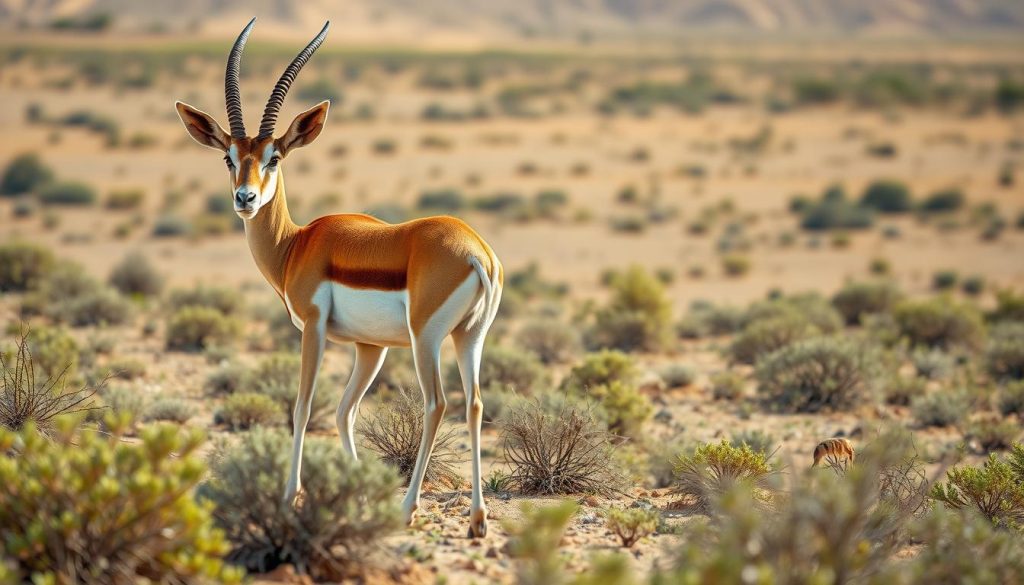
The endangered Dama gazelle faces multiple threats to its survival
Threatened Species
Several gazelle species face serious conservation challenges. The Dama gazelle, once widespread across the Sahel region, is now critically endangered with fewer than 500 individuals remaining in the wild. The Cuvier’s gazelle and slender-horned gazelle are also classified as endangered due to hunting and habitat loss.
Among other antelopes, the situation varies dramatically. The addax is critically endangered, while the giant sable antelope and mountain nyala face significant threats. In contrast, species like the impala and blue wildebeest maintain robust populations across much of their range.
Impalas are currently listed as species of “Least Concern” on the IUCN Red List. Their adaptability, reproductive success, and ability to thrive in a variety of habitats have helped them maintain stable populations despite pressures that have decimated other species.
Primary Threats
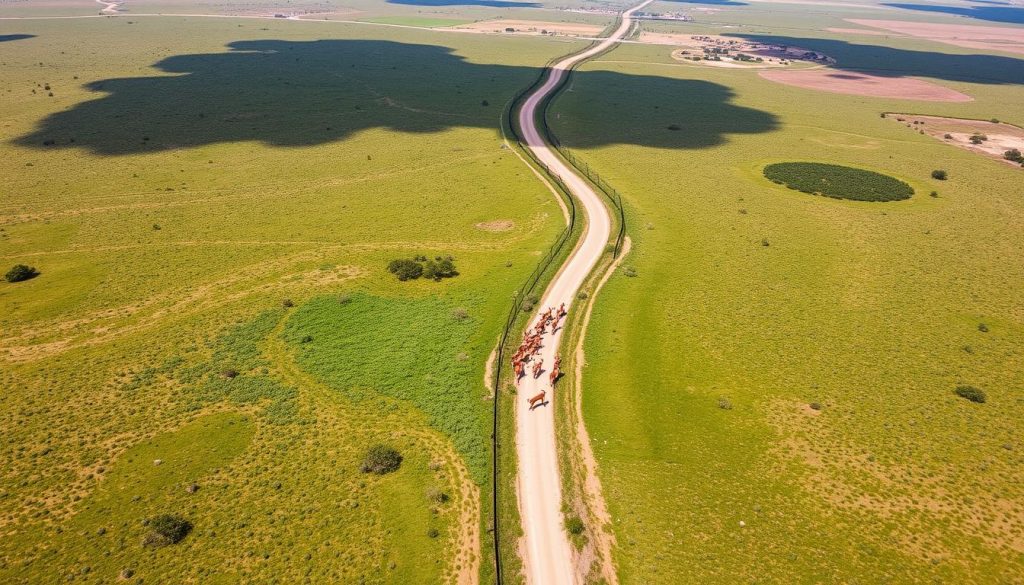
Habitat fragmentation disrupts traditional migration routes and isolates populations
Habitat loss and fragmentation represent the most significant threats to all three groups. As human populations expand, natural habitats are converted to agricultural land, urban areas, and infrastructure. This not only reduces available habitat but also fragments remaining areas, isolating populations and disrupting migration routes.
Illegal hunting continues to threaten many species, particularly in regions with political instability or inadequate wildlife protection enforcement. Some species are targeted for their meat, while others are hunted for their horns, which are used in traditional medicine or as trophies.
Climate change poses an emerging threat, altering rainfall patterns and vegetation in ways that may disrupt the delicate balance these animals have evolved with their environments. Species with specialized habitat requirements or limited ranges are particularly vulnerable.
Conservation Efforts
Protected areas form the cornerstone of conservation efforts for these species. National parks and reserves across Africa provide safe havens where populations can thrive without human interference. Tanzania’s network of protected areas, including the Serengeti, Ngorongoro, and Tarangire, plays a crucial role in preserving diverse antelope populations.
Captive breeding programs help maintain genetic diversity for the most endangered species. These programs have proven successful for species like the scimitar-horned oryx, which was extinct in the wild but has been reintroduced to parts of its former range.
Community-based conservation initiatives recognize that long-term success depends on the support of local communities. By creating economic incentives for conservation through ecotourism and sustainable resource use, these programs help ensure that protecting wildlife benefits the people who share their land.
The future of Africa’s gazelles, antelopes, and impalas depends on our collective commitment to preserving their habitats, combating illegal hunting, and developing sustainable approaches to human development that allow these magnificent animals to thrive alongside growing human populations.
Cultural Significance and Human Interactions
Throughout human history, gazelles, antelopes, and impalas have occupied a special place in the cultures, mythologies, and daily lives of African peoples. Their grace, speed, and beauty have inspired art, literature, and spiritual beliefs across the continent.
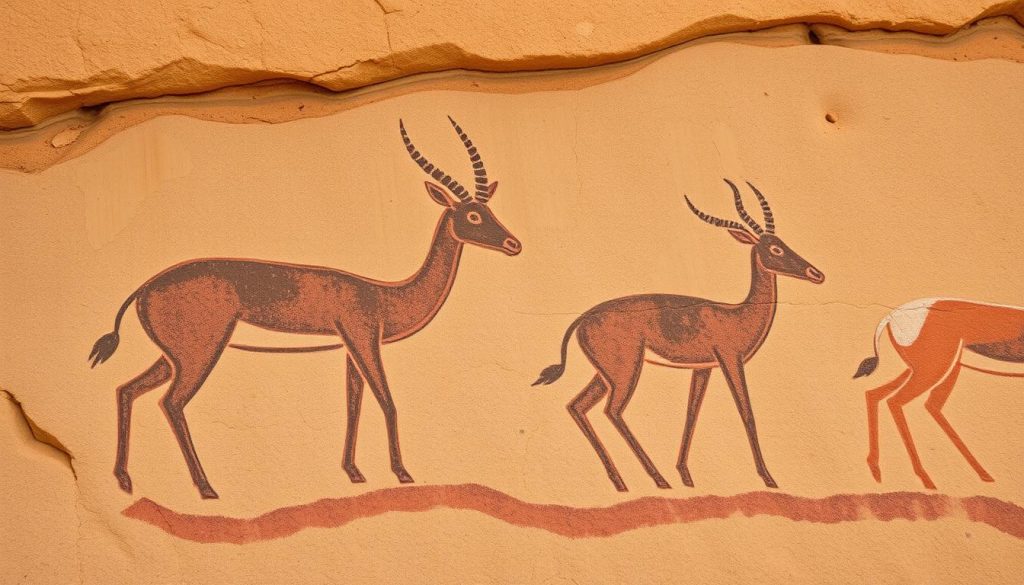
Ancient rock art demonstrates the long-standing cultural significance of these animals
Symbolic Meanings
In many African cultures, antelopes symbolize grace, agility, and awareness. The Maasai people of East Africa traditionally associate certain antelope species with specific virtues—the impala represents alertness and quick thinking, while the eland is seen as a symbol of tranquility and abundance.
Gazelles frequently appear in Arabic poetry and art as symbols of beauty and elegance. The eyes of a gazelle are particularly celebrated, with the phrase “gazelle-eyed” used to describe someone with beautiful, expressive eyes.
In various traditional belief systems, antelopes serve as messengers between the human and spirit worlds. Some cultures believe that certain antelope species can transform into human form or carry the spirits of ancestors.
Sustainable Relationships
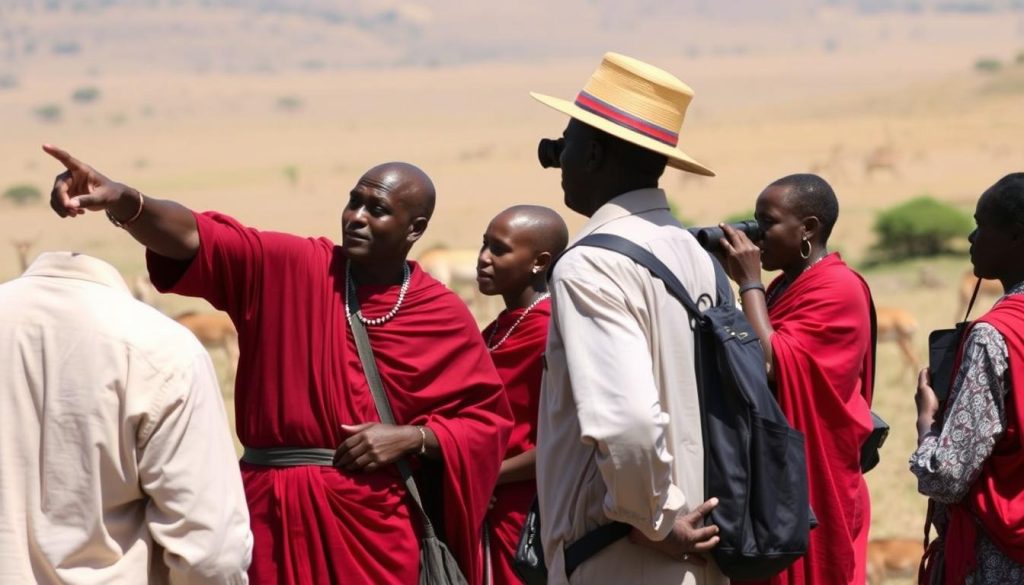
Local knowledge and traditional practices contribute to modern conservation efforts
For thousands of years, indigenous communities across Africa developed sustainable relationships with wildlife, including antelopes. Traditional hunting practices often included taboos and restrictions that prevented overhunting and ensured population recovery.
Today, these animals play a crucial role in ecotourism, providing economic incentives for conservation. Safari tourism in countries like Tanzania generates significant revenue and employment opportunities, demonstrating that living animals can be more valuable than those hunted for short-term gain.
Modern conservation efforts increasingly incorporate traditional ecological knowledge, recognizing that indigenous communities often possess deep understanding of animal behavior and habitat requirements developed over generations of close observation.
Experience the Living Heritage of Africa
Join us for a cultural safari experience that combines wildlife viewing with opportunities to learn from local communities about their traditional relationships with these magnificent animals.
Conclusion: The Delicate Balance of Nature
As we’ve journeyed through the world of gazelles, antelopes, and impalas, we’ve uncovered the subtle distinctions and remarkable adaptations that define each group. From the gazelle’s mastery of arid environments to the impala’s versatile opportunism to the incredible diversity of the broader antelope family, each has carved a unique ecological niche in the African landscape.
These graceful creatures represent more than just beautiful wildlife—they are living indicators of ecosystem health. Their presence or absence tells us much about the condition of their habitats and the pressures facing wild spaces across Africa.
The next time you witness these magnificent animals—whether bounding across the Serengeti plains or browsing in the acacia woodlands of Tarangire—we hope you’ll see them with new eyes, appreciating the subtle differences that make each species unique and the complex evolutionary history written in their forms and behaviors.
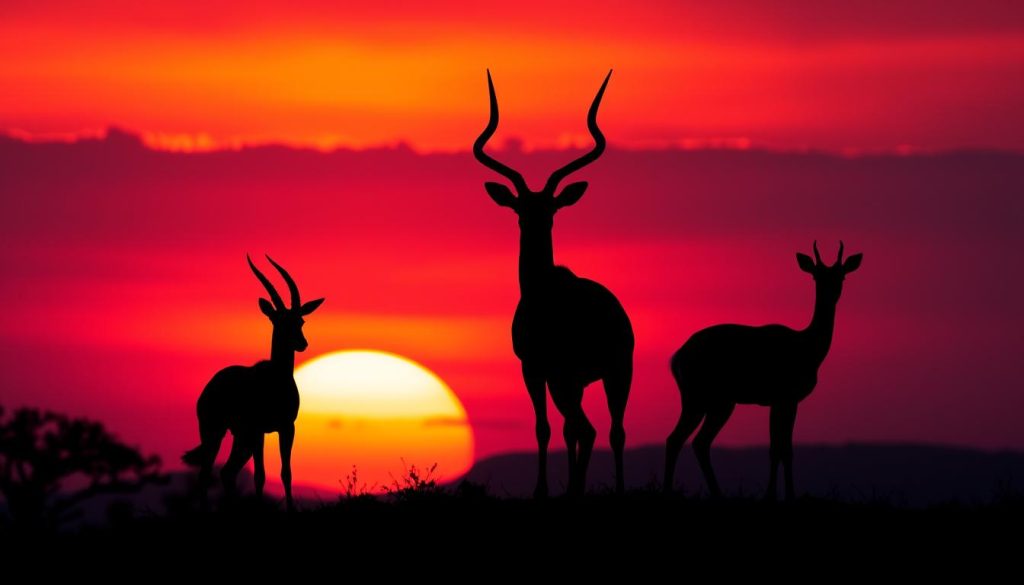
The distinctive silhouettes of these graceful creatures against the African sunset
In the grand tapestry of Africa’s wilderness, gazelles, antelopes, and impalas are not merely players but essential threads—their movements, behaviors, and interactions weaving patterns that have shaped ecosystems for millions of years. By understanding and protecting these magnificent creatures, we help preserve the intricate balance of life that makes the African savanna one of our planet’s most precious treasures.
Begin Your African Wildlife Adventure
Nothing compares to witnessing these magnificent animals in their natural habitat. Our expert guides will help you distinguish between gazelles, antelopes, and impalas while sharing fascinating insights about their behavior and ecology.