Nestled in the azure waters of the Indian Ocean, Pemba Island stands as a verdant jewel in Tanzania’s Zanzibar Archipelago. While its larger sibling Unguja (commonly known as Zanzibar) draws crowds of tourists, Pemba remains blissfully untouched – a secret oasis where time slows and nature thrives in magnificent abundance. This hidden masterpiece offers pristine beaches, world-class diving, and authentic cultural experiences far from the well-trodden tourist paths. Join us as we unveil the mysteries of this emerald isle, where the soul of Tanzania reveals itself in its most pure and captivating form.
Pemba Island, at a Glance
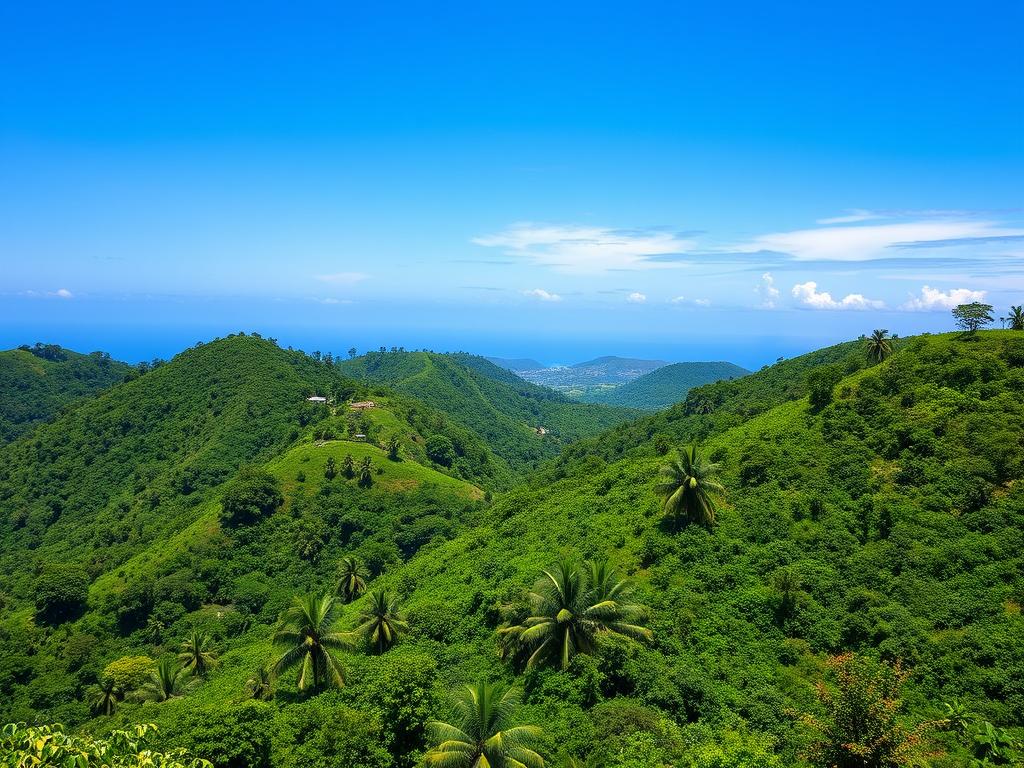
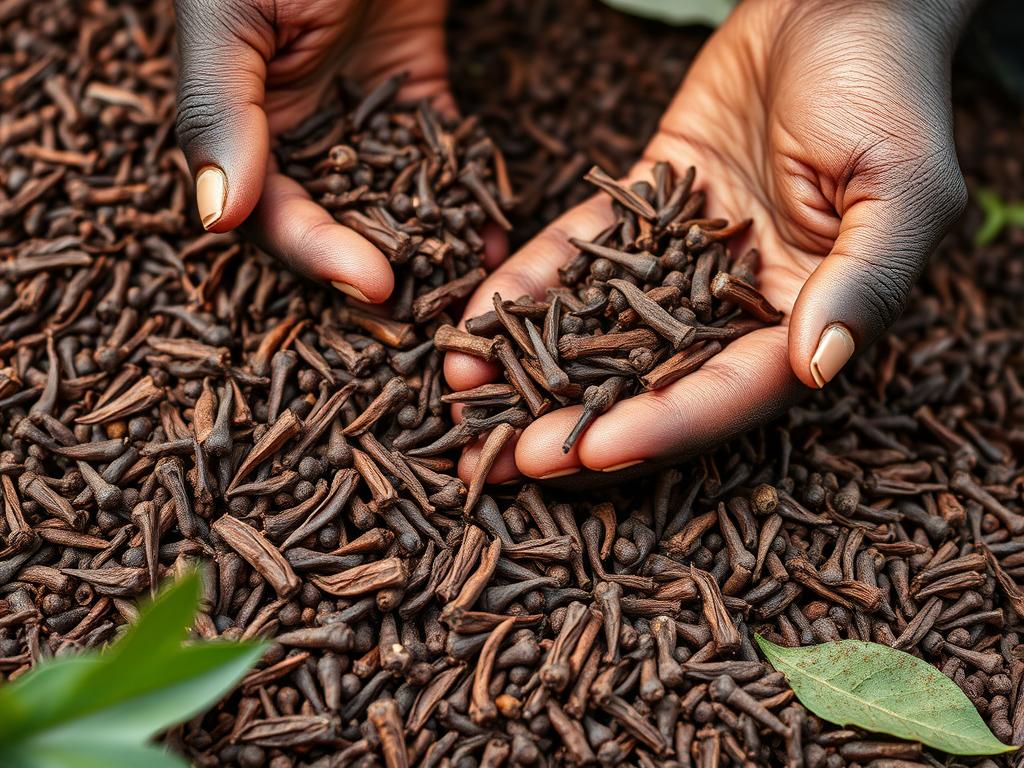
Often overshadowed by Unguja (Zanzibar’s main island), Pemba deserves far more attention than it currently receives. Unlike its flatter neighbor, Pemba is characterized by rolling hills and lush vegetation, earning it the Arabic nickname “Al Jazeera Al Khadra” – the Green Island. Its fertile landscape supports thriving clove plantations that produce 70% of the world’s cloves, giving Pemba its reputation as the “Clove Island.”
Pemba remains largely undiscovered by travelers, and this is precisely part of its allure. The island is a hidden masterpiece filled with dense forests, mangrove swamps, hidden beaches, lagoons, and tidal sandbanks. Scattered throughout are ruins of mosques and tombs, silent witnesses to the Arab influence that dominated the island in the 17th century.
With few towns and hotels, Pemba offers an authentic experience for the intrepid traveler seeking solitude and natural beauty. The island’s pristine environment has been preserved due to its relative obscurity, making it one of the world’s last untouched treasures.
Why Visit Pemba Island?
- Pristine beaches without crowds
- World-class diving and snorkeling
- Authentic cultural experiences
- Lush, verdant landscapes
- Historical ruins and archaeological sites
- Famous spice farms and clove plantations
- Unique wildlife including Pemba flying foxes
Getting to Pemba Island
While Pemba may be off the beaten track, there are several reliable ways to reach this secluded paradise. Planning your transportation in advance is essential as options are limited compared to more popular destinations.
By Air
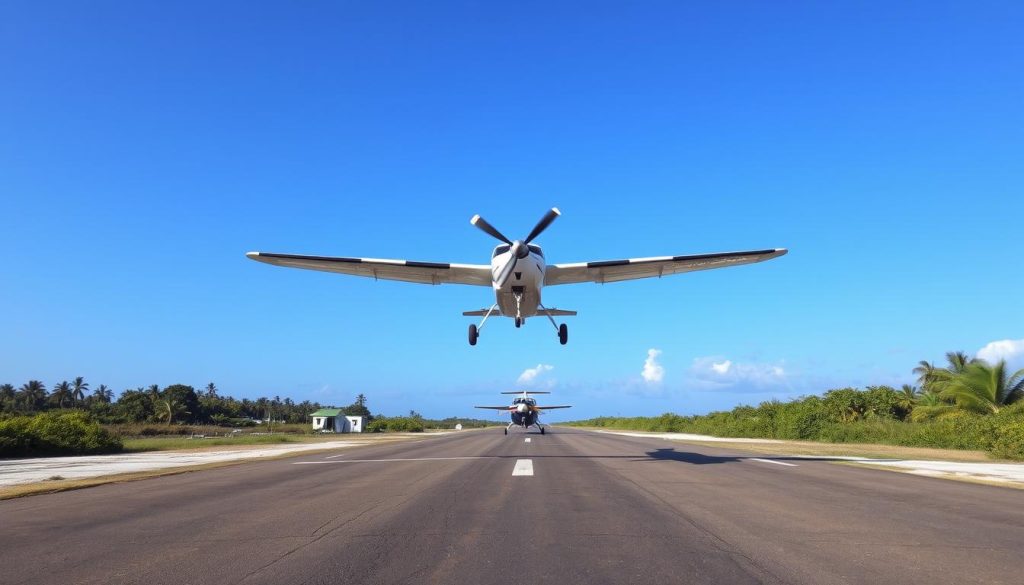
The most popular and convenient method of reaching Pemba is by chartered flights with airlines like Coastal Air, Auric Air, As Salaam, or ZanAir. Most travelers fly from Unguja (Zanzibar), with the journey taking approximately 30 minutes. Flights from Dar es Salaam are also available and take about one hour.
It’s highly recommended to book these flights in advance as each plane only carries 12 passengers, and they tend to fill up quickly. The cost for a one-way flight from Zanzibar to Pemba is around $100 per person, while flights from Dar es Salaam cost approximately $150.
Flight Booking Tip: Book your flights well in advance, especially during peak season (June to October). These small planes fill up quickly, and showing up at the airport hoping to get a ticket is not advisable.
By Ferry
For budget travelers, ferry services connect Zanzibar to Pemba Island several times a week (typically Wednesday, Thursday, Saturday, and Sunday). The journey departs Zanzibar around 8 am and takes approximately 6 hours to reach Pemba.
Ferry fares range from $30 for Economy (outdoor deck) to $40 for VIP (comfortable chairs with air conditioning). While more affordable, be aware that the crossing can be rough, and safety standards may vary. Zazm Marine is considered the most reliable ferry operator.
Getting Around Pemba Island
Navigating Pemba Island requires some planning as infrastructure is limited. The island has only one main tarred road running through its center, with many attractions being accessible only via unpaved paths.
Transportation Options
- Bicycle: One of the most popular modes of transport on the island. Bikes can be rented from most hotels for around $10 per day.
- Taxis and Private Drivers: Most travelers hire a driver for the day, which costs approximately $50-$70. This is the most convenient option for sightseeing.
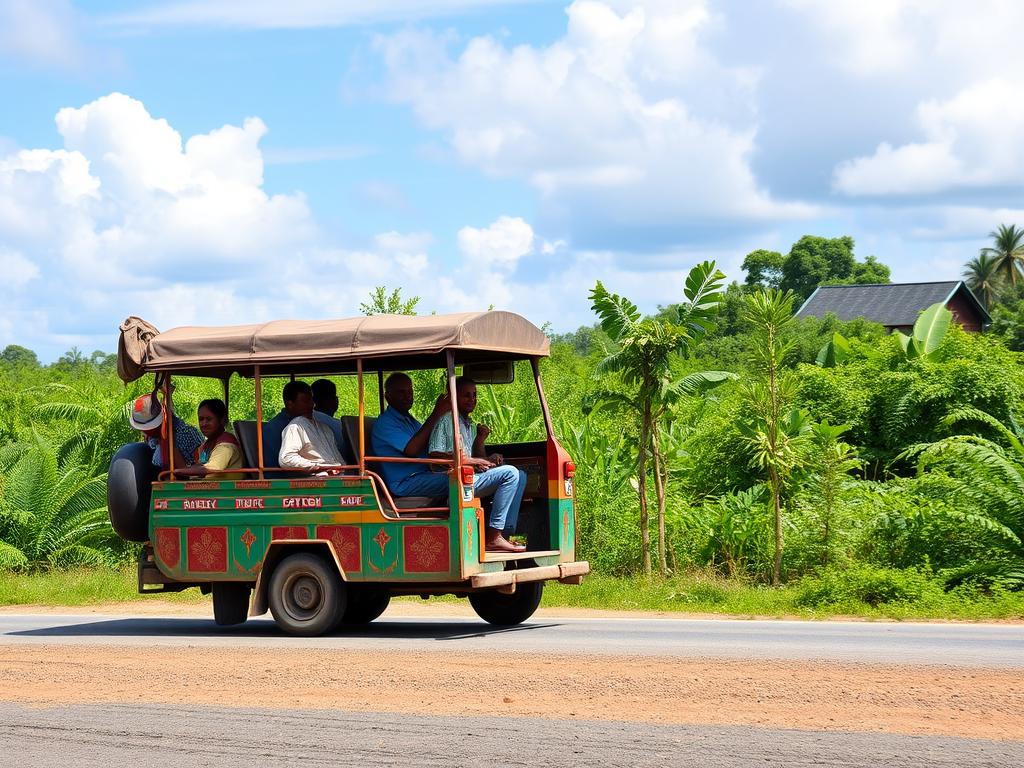
- Dala Dalas: These local minibuses cover the main routes between towns and villages. They’re inexpensive but have no set timetable and only depart when full.
- Motorbikes: Available for rent through local operators like Coral Tours in Chake Chake.
Travel Tip: Most activities on Pemba are organized through your accommodation, and they typically arrange transportation to and from attractions. If you’re staying at one of the resorts in the north, they can coordinate all your transportation needs.
Top Attractions and Activities on Pemba Island
Pemba Island offers a diverse range of experiences from underwater adventures to cultural explorations. Here are the must-do activities during your visit:
World-Class Diving and Snorkeling
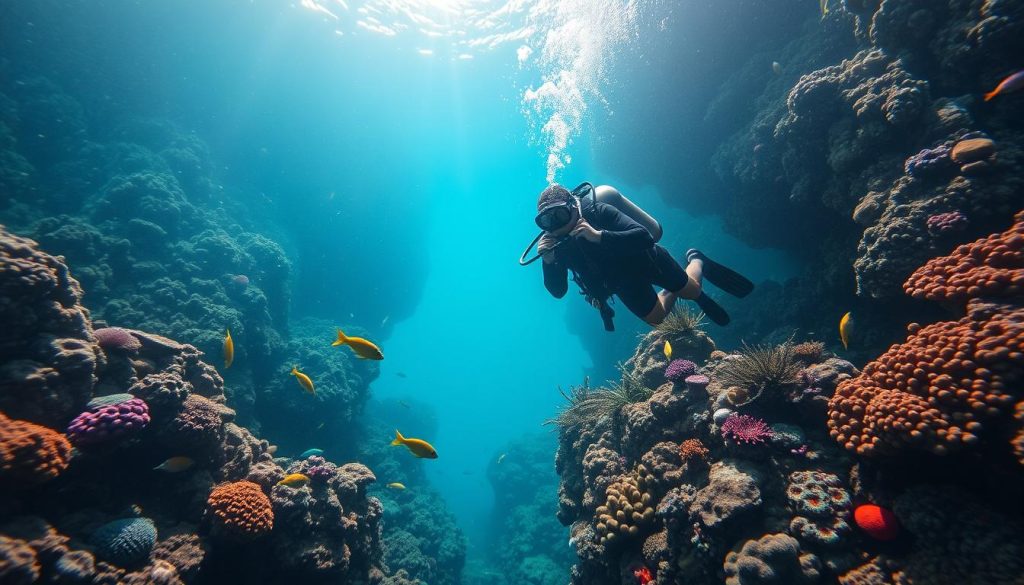
Pemba is renowned as one of Africa’s premier diving destinations. The island is surrounded by magnificent underwater walls and exceptional marine topography, providing habitat for an impressive array of sea creatures including turtles, reef sharks, and big game fish.
The best diving sites are located on the west coast, including Misali Island and areas off the Kigomasha Peninsula, the Fundu Gap, and Njao Gap, all part of the Pemba Channel Conservation Area. The visibility is exceptional throughout most of the year, often exceeding 40 meters in crystal-clear waters.
Several dive operators serve the island, with most concentrated in the northern region. Swahili Divers, Afro Divers, and Manta Resort offer professional services for both experienced divers and beginners.
Deep-Sea Fishing
Pemba’s proximity to the deep Pemba Channel makes it an excellent destination for deep-sea fishing enthusiasts. Half-day or full-day fishing trips offer the chance to catch marlin, dorado, yellowfin tuna, and wahoo. The prime fishing season runs from mid-July to mid-April.
Explore Archaeological Sites
History enthusiasts will appreciate Pemba’s fascinating archaeological sites, which offer glimpses into the island’s rich past:
- Ras Mkumbuu: Features a mosque, ancient tombs, and houses dating from the 14th century.
- Chakawa: Contains the ruins of a town dating from the 11th to 15th century.
- Mkama Nduma Ruins: A 15th-century palace that is the only known fortification on the Swahili coast.
- Pemba Museum: Located in Chake Chake, the museum provides valuable context about the island’s history and culture.
Visit Spice Farms
As the world’s main exporter of cloves, Pemba offers fascinating spice farm tours where you can see clove trees and learn how cloves are processed into essential oils at the ZSTC Clove Oil distillery.
Beyond cloves, the farms also produce cardamom, cinnamon, turmeric, black pepper, lemongrass, vanilla, and nutmeg. Visitors can book cookery lessons or farm tours to learn about spice cultivation and the history of the spice trade in the region.
Kidike Flying Fox Sanctuary
This unique sanctuary is home to a colony of approximately 4,000 Pemba flying foxes, a large bat species indigenous to the island. Visitors can observe these fascinating creatures from a small viewing platform as they hang upside down during the day and occasionally take to the air.
The sanctuary is located next to Kangagani village, 2km east of the main road between Chake Chake and Wete. It’s a must-visit for wildlife enthusiasts and photographers.
Explore Pristine Beaches
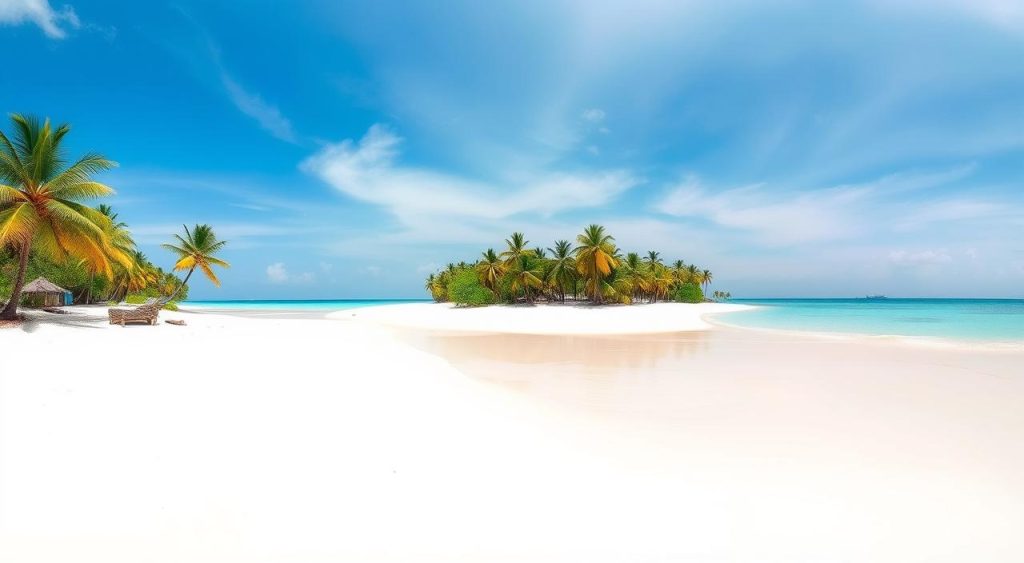
While Pemba’s beaches may be less accessible than Zanzibar’s, their secluded nature makes them all the more rewarding to discover. Vumawimbi Beach in the northwestern corner of the island offers idyllic waters and white sand stretches. The northern tip of the island features a stunning sandbank that emerges during low tide, creating a spectacular natural phenomenon surrounded by some of the bluest waters in the region.
Where to Stay on Pemba Island
Accommodation options on Pemba are limited compared to Zanzibar, but what they lack in quantity, they make up for in quality and uniqueness. Most properties are concentrated in the northern part of the island, offering various experiences from luxury to eco-friendly stays.
The Manta Resort
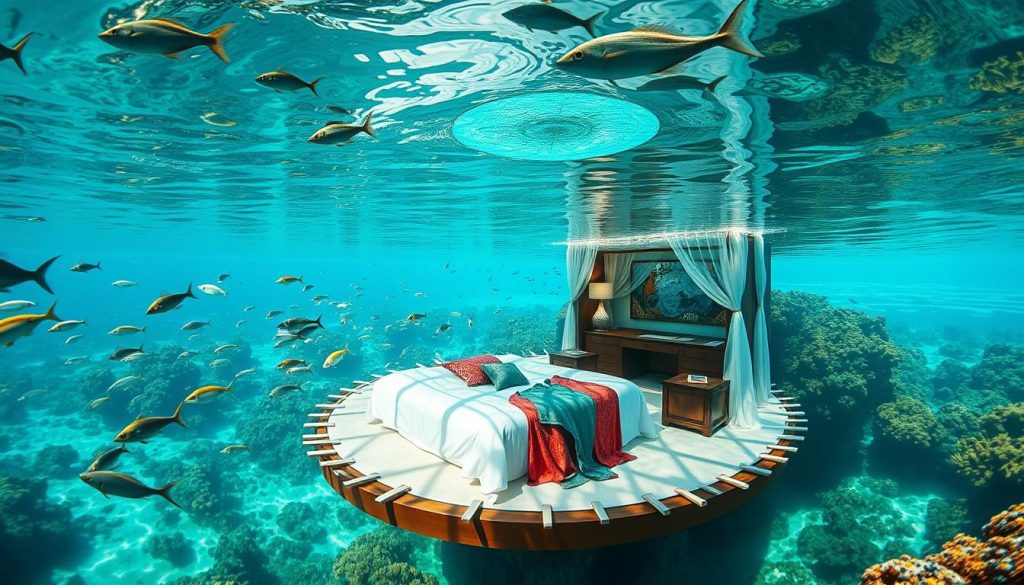
One of the most luxurious options on the island, The Manta Resort is famous for its unique Underwater Room – a floating structure with a submerged glass-walled bedroom offering breathtaking views of marine life. The resort also offers traditional land-based accommodations and organizes various activities including diving, sandbank trips, and cultural experiences.
Price Range: $$$$ (Luxury)
The Aiyana Resort and Spa
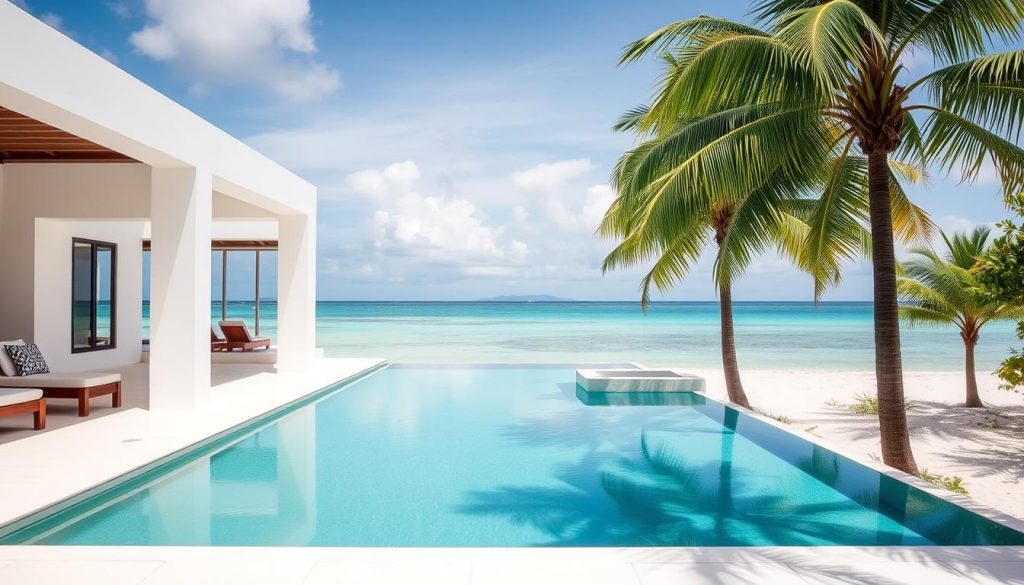
This 5-star luxury property offers 30 minimalist villas situated on a private beach. With an infinity pool, spa, and activities including diving and golf on its 18-hole course, The Aiyana provides a perfect blend of luxury and natural beauty. The resort is ideal for families with its dedicated kids club, as well as for couples seeking a romantic getaway.
Price Range: $$$$ (Luxury)
Fundu Lagoon
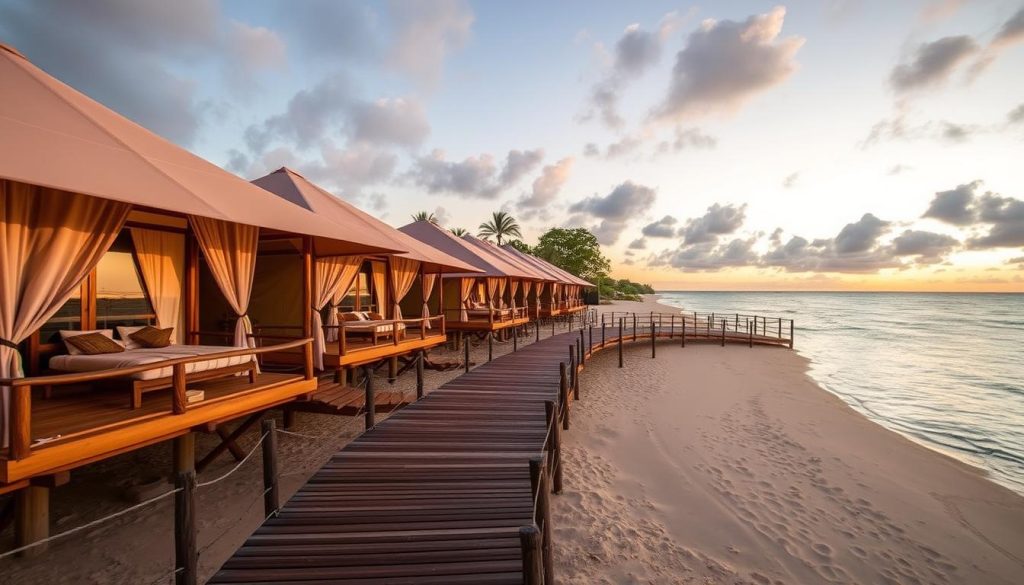
This privately owned boutique hotel offers 18 tented safari-style bungalows, some with direct beach access and plunge pools. Each accommodation provides stunning views of the Indian Ocean. The hotel features a spa, three bars, and an excellent restaurant, making it perfect for couples and honeymooners seeking “barefoot luxury.” Fundu also has its own diving center.
Price Range: $$$ (High-end)
Budget and Mid-Range Options
For travelers with more modest budgets, several comfortable options are available:
- Gecko Nature Lodge: An eco-friendly option with rustic charm, associated with Swahili Divers.
- Pemba Paradise: A 3-star hotel offering comfortable accommodations in the northern part of the island.
- Lala Lodge: Located in the southern town of Mkoani, this budget-friendly option offers comfortable rooms with a great beachside location.
- Pemba Eco Lodge: Environmentally conscious accommodation with basic amenities and natural surroundings.
Accommodation Tip: When choosing where to stay on Pemba, consider the activities you’re most interested in. Most hotels offer specific excursions and have partnerships with dive operators. Research what each property offers before booking to ensure it aligns with your interests.
Essential Travel Tips for Visiting Pemba Island
Best Time to Visit
Pemba Island sits near the equator, maintaining a consistent average temperature of around 26°C (79°F) year-round. However, there are distinct wet and dry seasons to consider when planning your trip:
Dry Season (June to October)
- Most popular time to visit with sunny days and minimal rainfall
- August and September offer the best visibility for diving
- Lower humidity and fewer mosquitoes
- Peak tourist season (though still uncrowded compared to Zanzibar)
Wet Season (November to May)
- Heavy rains from April to May (many resorts close)
- Smaller rainy season between November and December
- Lower visibility for diving during rainy periods
- Reduced prices and fewer tourists
- Lush, vibrant landscapes
Health and Safety
Pemba is generally a safe, laid-back destination, but there are some health considerations to keep in mind:
- Bring antimalarial medication, as the island is in a malaria zone
- Most hotels provide mosquito nets, but pack insect repellent
- Bring a basic first aid kit as medical facilities are limited
- Drink only bottled or purified water
- Consider travel insurance that covers medical evacuation
Cultural Considerations
Pemba’s population is predominantly Muslim, and local customs should be respected:
- Dress modestly when visiting villages and towns (cover shoulders and knees)
- Ask permission before photographing local people
- Remove shoes when entering homes or religious buildings
- Respect the local pace of life, which is unhurried and relaxed
- Learn a few basic Swahili phrases, which locals greatly appreciate
Language Tip: While English is spoken at resorts and by many tour guides, knowing a few Swahili phrases enhances your experience. Try “Jambo” (hello), “Asante” (thank you), and “Pole pole” (slowly) – the latter being a philosophy that perfectly captures the island’s relaxed pace.
Practical Information
- Currency: Tanzanian Shilling (TZS), though US dollars are widely accepted at resorts
- Electricity: 230V, British-style three-pin plugs
- Internet: Limited and often slow; consider purchasing a local SIM card
- Packing: Light clothing, sun protection, reef-safe sunscreen, and underwater camera for diving
- Budget: Pemba is not a budget destination due to its remoteness and limited options
Why Pemba Island Should Be Your Next Destination
Pemba Island represents what Zanzibar might have been like decades ago, before mass tourism transformed its shores. This verdant paradise offers the rare opportunity to experience pristine natural beauty, rich cultural heritage, and world-class diving in an authentic setting largely untouched by commercial development.
For travelers seeking solitude, adventure, and a genuine connection with both nature and local culture, Pemba Island delivers an experience that has become increasingly rare in our interconnected world. The island’s limited tourism infrastructure, rather than being a drawback, is precisely what preserves its charm and ensures that those who make the journey are rewarded with memories that few others share.
As you contemplate your next travel destination, consider Pemba Island – a place where time slows down, where the natural world thrives in magnificent abundance, and where the soul of Tanzania reveals itself in its most pure and captivating form.
Ready to Explore Pemba Island?
Let us help you plan the perfect Pemba Island adventure. Our travel specialists can arrange flights, accommodations, diving excursions, and cultural tours tailored to your preferences. Discover this hidden gem of Tanzania before the rest of the world does!
Frequently Asked Questions About Pemba Island
Is Pemba Island part of Zanzibar?
Yes, Pemba is part of the Zanzibar Archipelago, which is a semi-autonomous region of Tanzania. The archipelago consists primarily of two large islands: Unguja (commonly referred to as Zanzibar) and Pemba, along with numerous smaller islands. While they are part of the same archipelago, Pemba has a distinct character and is much less developed for tourism than Unguja.
How does Pemba Island compare to Zanzibar (Unguja)?
Pemba is significantly less developed than Zanzibar, offering a more authentic and secluded experience. While Zanzibar has extensive tourism infrastructure with numerous hotels along its coastline, Pemba remains largely undeveloped with just a handful of accommodations. Pemba is hillier and more verdant than Zanzibar, with lush vegetation and clove plantations. The diving in Pemba is generally considered superior, while both islands offer beautiful beaches.
Is Pemba Island safe for tourists?
Pemba Island is generally very safe for tourists. The local community is welcoming and crime rates are low. As with any destination, it’s advisable to take standard precautions with valuables. The main health concern is malaria, so visitors should take appropriate antimalarial medication and use mosquito repellent.
What is the underwater room at The Manta Resort?
The Underwater Room at The Manta Resort is a unique accommodation floating approximately 250 meters from shore. It consists of three levels: a roof deck for sunbathing, a water-level deck with lounge and bathroom facilities, and a submerged bedroom surrounded by glass walls, allowing guests to sleep surrounded by marine life. It’s one of the most unique hotel rooms in the world and a signature experience of Pemba Island.